Understanding Your Newborn's Sleep
For a newborn, sleep is the brain's main activity. Babies spend about half of their sleep time in REM (rapid eye movement) sleep, a stage linked to memory, nervous system development, and self-control. This intense neurological work explains why newborns typically need 14 to 17 hours of sleep every 24 hours, according to the National Sleep Foundation. However, that sleep is spread across the day and night in short fragments rather than long stretches.
Fragmented sleep is not a problem to fix but a normal part of infant physiology. A newborn's stomach is about the size of a cherry, so they must wake every few hours to eat. Breastfed babies typically feed every two to three hours, while bottle-fed babies can go three to four hours. These frequent feedings are necessary for growth and weight gain, even though they interrupt sleep for the whole family.
Many newborns confuse day and night, thinking they should be awake at night and sleep during the day. This happens because their brains have not yet developed a mature circadian rhythm. At Kids & Teens Primary Healthcare, we help families understand that this pattern is temporary. Over the first few weeks, parents can gently encourage day-night differentiation by keeping daytime feedings bright and active and nighttime interactions quiet, dark, and brief. With time, most babies begin to consolidate longer periods of sleep at night.
How Many Hours Do Newborns Sleep?
 A newborn's primary job in the first weeks is to eat, grow, and sleep — and they do a lot of the latter. Most healthy newborns sleep 14 to 17 hours in a 24-hour period, with some sleeping up to 18 or 19 hours. This total is spread across many short naps, typically lasting 2 to 4 hours at a time.
Because their tiny stomachs empty quickly, newborns wake every few hours to feed — regardless of whether it is day or night. Their internal body clock, or circadian rhythm, has not yet matured, so there is no natural preference for nighttime sleep. This means sleep is distributed evenly across the 24-hour cycle, which can feel exhausting for parents accustomed to sleeping through the night.
In the first week, a newborn may be awake for only 6 to 8 hours total in a full day, with each awake window lasting 30 to 90 minutes. Catching tiredness cues early — such as yawning, eye rubbing, or fussing — can help prevent your baby from becoming overtired and struggling to settle. For guidance on your baby's unique sleep needs, the team at Kids & Teens Primary Healthcare can provide personalized recommendations.
Newborn Sleep Cycles and Stages
 Newborn sleep is built around two basic types: active sleep (similar to adult REM) and quiet sleep (the deep, restorative stage). About half of a newborn's 16 to 17 hours of daily sleep is spent in active sleep. This high proportion of REM sleep is critical for brain development, but it also means babies wake easily and frequently.
A newborn sleep cycle is only about 40 to 60 minutes long, far shorter than the 90-minute cycle adults experience. A full cycle alternates between active and quiet sleep, and at the end of each cycle the baby briefly surfaces to a lighter state. Many newborns have trouble gliding back into deep sleep at this transition point, which is why they often wake fully after one cycle — especially in the first few months.
Around 3 to 4 months of age, this pattern shifts significantly. The brain matures, and the simple two-stage newborn architecture reorganizes into the full adult sleep structure: N1 (light sleep), N2, N3 (deep sleep), and REM. This change is sometimes called the "4-month sleep regression," but it is a normal developmental milestone. After this transition, sleep cycles gradually lengthen, and many babies begin to sleep in stretches of 5 to 6 hours at night. Understanding these sleep patterns helps parents recognize when to seek medical attention for their child, as persistent sleep difficulties can be a sign of underlying health issues that may affect development into childhood and adolescence.
When to Feed and How Long Between Feedings
Newborns need to eat often because their stomachs are tiny — the size of a cherry at birth. Most babies wake every 2 to 4 hours around the clock to feed, and the exact interval depends on feeding method. Breastfed babies typically need to eat every 2 to 3 hours, while bottle-fed babies can go about 3 to 4 hours between feedings.
Until your baby regains their birth weight (usually within the first two weeks), it is important to wake them for feedings every 3 to 4 hours if they sleep through a stretch, even at night. A pediatrician can help determine the right schedule for your newborn. For healthy newborns who are gaining weight well, a single longer sleep period of up to 4 hours is generally acceptable, but daytime feedings should still occur every 2 to 3 hours to ensure adequate calorie intake.
Crying is a late sign of hunger. It is easier to feed your baby when you spot early cues such as smacking lips, rooting, or bringing a hand to the mouth. An upset baby may refuse the breast or bottle, so feeding in the quiet-alert phase before crying starts can make feedings go more smoothly. The providers at Kids & Teens Primary Healthcare can help you learn your baby's hunger signals and create a feeding plan that supports healthy growth.
Safe Sleep Guidelines for Every Nap and Night
 Every parent wants their newborn to sleep safely. The American Academy of Pediatrics (AAP) provides clear, evidence-based guidelines to reduce the risk of Sudden Infant Death Syndrome (SIDS) and other sleep-related deaths. Following these recommendations for every nap and bedtime can help protect your baby.
Always place your baby on their back to sleep. The AAP's "Back to Sleep" recommendation, introduced in 1992, has led to a more than 50% drop in SIDS rates. This position is the safest for both naps and nighttime sleep. Side or stomach sleeping increases the risk of SIDS and is not recommended.
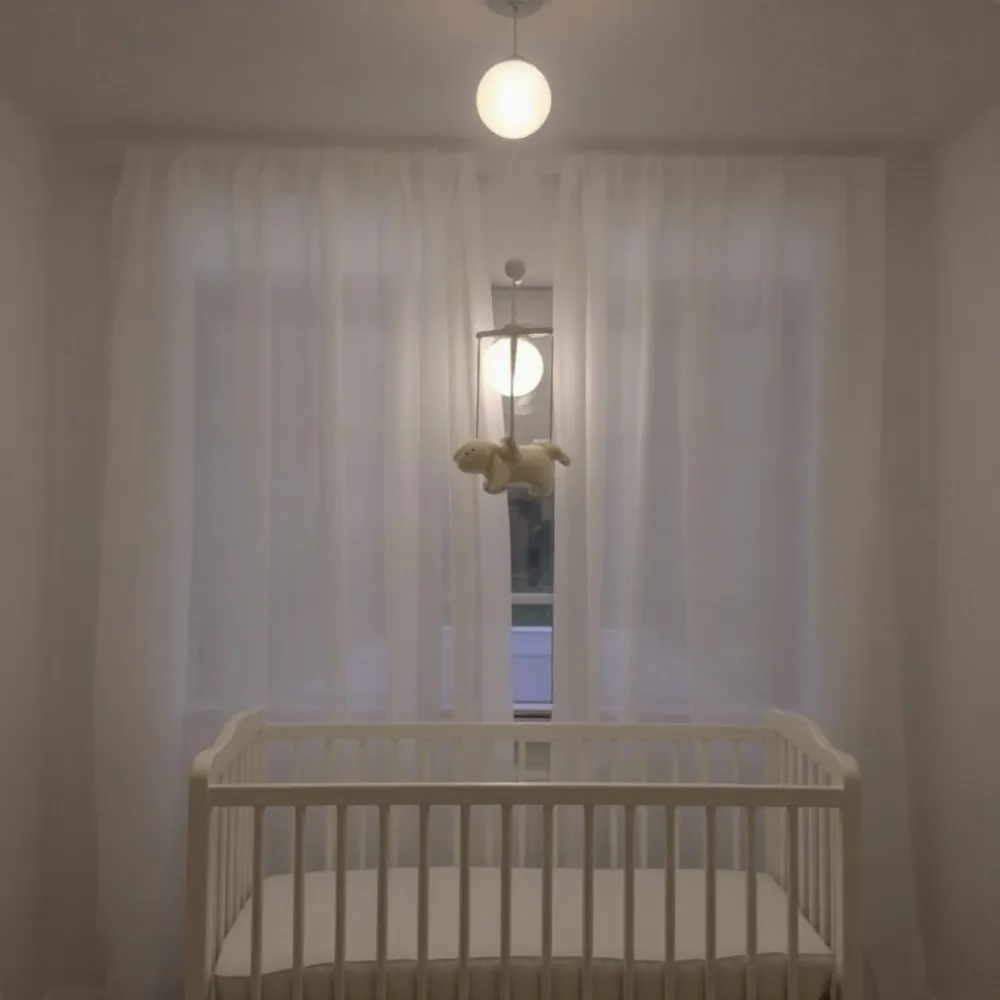
Use a firm, flat sleep surface, such as a safety-approved crib, bassinet, or play yard, covered only by a fitted sheet. Keep the sleep area clear of all soft objects, including loose bedding, pillows, quilts, stuffed toys, and bumper pads. Soft surfaces and loose items can pose suffocation, strangulation, and entrapment hazards.
The AAP recommends room-sharing without bed-sharing for at least the first six months, and ideally for the first year. Place your baby's crib or bassinet in your bedroom, close to your bed, but on a separate sleep surface. Bed-sharing with adults or other children greatly increases the risk of SIDS and suffocation. Infants should never be put to sleep on a sofa, armchair, or cushion.
To prevent overheating, dress your baby lightly for sleep and keep the room at a temperature comfortable for a lightly clothed adult. Signs of overheating include sweating, flushed skin, or a hot chest. Avoid covering your baby's head while sleeping. A sleep sack or wearable blanket can be a safe alternative to loose blankets.
Offering a pacifier at nap time and bedtime may reduce the risk of SIDS. If you are breastfeeding, wait until nursing is well established (usually around 3 to 4 weeks) before introducing a pacifier. Do not force the pacifier, and do not attach it to a string or clip. If the pacifier falls out during sleep, it does not need to be replaced.
Breastfeeding is associated with a lower risk of SIDS. The AAP recommends exclusive breastfeeding for the first six months. Additionally, ensure your baby receives routine immunizations on schedule, as this is also linked to a reduced risk of SIDS. Avoid exposing your baby to tobacco smoke, alcohol, or illicit drugs, as these increase the risk of sleep-related death.
For personalized guidance, especially if your baby is premature or has special health needs, talk to your pediatrician. At Kids and Teens Primary Healthcare, we are here to help you create a safe sleep environment and answer any questions you have about newborn care.
Helping Your Baby Learn to Sleep More at Night
Newborns are born without a sense of day and night — their tiny stomachs and immature brains mean they sleep and eat on a round-the-clock schedule. This day-night confusion is normal, but you can help your baby's internal clock develop with a few consistent habits.
During awake times, expose your baby to natural daylight. Open the curtains, go for a short walk, or sit near a sunny window. This daylight exposure helps their brain begin to distinguish daytime from nighttime. According to raisingchildren.net.au, newborns typically sleep 14–17 hours in every 24 hours but do not have mature day-night cycles.
When the sun goes down, keep nighttime interactions quiet and dim. Use a low-light lamp for feedings and diaper changes, speak in soft whispers, and avoid playing or stimulating your baby. This calm, minimal-stimulation environment teaches your baby that nighttime is for sleeping, not for play.
A consistent bedtime routine is a powerful tool. A short sequence like a warm bath, feeding at the start of the routine, and a lullaby signals to your baby that sleep is coming. The Mayo Clinic notes that a calming bedtime routine with quiet lights and soothing voice encourages good sleep habits from the start.
Patience is essential — most babies do not begin sleeping through the night (5–6 hour stretches) until around 2–3 months of age. At your baby's pediatric visits, the team at Kids & Teens Primary Healthcare can help you track growth milestones and determine when it is safe to allow longer sleep stretches. Until then, expect to wake for feedings every 2–4 hours and rest when your baby sleeps to manage your own exhaustion.
By 2–3 months, many babies start sleeping longer at night, but every child is different. Continue to follow all safe sleep guidelines from the American Academy of Pediatrics, including placing your baby on their back on a firm, flat surface in your room. If you have concerns about your baby's sleep or growth, contact your pediatrician for personalized guidance.
How Newborn Sleep Changes Over Time
A newborn's sleep is evenly distributed across day and night because their circadian rhythm has not yet developed. They wake frequently due to tiny stomachs that require frequent feedings. By 4 to 6 weeks, babies begin to develop an internal clock, responding more to light and darkness, which gradually leads to longer nighttime sleep.
Between 2 and 4 months, nighttime sleep becomes more consolidated, and naps start to follow a more predictable schedule. By 3 to 4 months, many babies sleep 5 to 6 hours at a time — a milestone often called "sleeping through the night," though most still wake at least once for a feeding. During this period, nap patterns shift from many short, irregular naps to 2 or 3 more regular daytime naps.
Total sleep needs decrease gradually over the first year. Newborns typically need 14 to 17 hours of sleep per day, but by 3 to 6 months, that range narrows to 12 to 16 hours, with more sleep occurring at night and fewer, longer naps during the day. By 6 to 9 months, many babies sleep 9 to 12 hours overnight and settle into a 2-nap schedule.
Understanding Sleep Regressions
Sleep regressions — such as the well-known 4-month regression and the 8-month regression — are normal developmental progressions, not setbacks. The 4-month regression marks the brain's maturation into adult-like sleep cycles, which can cause more frequent night wakings as babies transition between stages. The 8-month regression often coincides with crawling and separation anxiety, making settling harder. These phases are temporary and signal healthy development.
Every baby's sleep journey is unique. If you have concerns about your infant's sleep patterns, consult your pediatrician. At Kids & Teens Primary Healthcare, we offer age-appropriate sleep guidance tailored to your child's needs, helping families navigate each developmental stage with confidence.
When Sleep Patterns Signal a Problem
While newborn sleep is naturally irregular, certain changes and patterns should prompt a call to your pediatrician. Sudden shifts in established sleep habits can be a sign of illness or discomfort. If a baby who has been sleeping consistently starts waking more often or seems unsettled, it may indicate a problem such as an ear infection, overstimulation, or a growth spurt that requires more frequent feedings.
Consistent sleep well outside the normal range deserves attention. Newborns typically sleep about 14 to 17 hours in a 24-hour period. Sleeping more than 19 hours a day or less than 14 hours, especially if it interferes with feeding or weight gain, warrants a pediatric evaluation. A baby who is difficult to wake, regularly misses feedings, or seems uninterested in eating when awake may also need medical assessment.
Red Flags: Breathing and Extreme Fussiness
Breathing issues during sleep are urgent. Pauses in breathing, gasping, or persistent loud snoring require immediate medical attention. Similarly, a baby who is extremely fussy and cannot be soothed may have an underlying condition like reflux or colic. The team at Kids & Teens Primary Healthcare evaluates sleep concerns in the context of each child's overall health during well-child visits, helping families separate normal newborn behavior from signs that need further investigation.
Trust your instincts. If your newborn's sleep pattern feels unusual or is paired with poor feeding, low energy when awake, or breathing distress, contact your pediatrician. Early evaluation can rule out serious issues and provide peace of mind.
Surviving the Hardest Weeks and Taking Care of Yourself
Many parents find weeks 2-3 to be the toughest stretch. The initial adrenaline of those first days has faded, and cluster feeding with unpredictable 2-3 hour waking cycles becomes the norm. At around week 6, sleep can become difficult again due to a peak in crying and evening fussiness, often called the 'peak of crying.' By weeks 8-10, a major growth spurt and sleep regression may cause sleep to fall apart just when it seemed to be improving.
These patterns are normal. Cluster feeding in the evening and periods of intense fussiness (the 'witching hour') are common in newborns and are signs of developmental progress, not something you are doing wrong. Sleep regressions are simply the result of your baby's brain maturing and learning new skills. However, if you have concerns about your baby's feeding, crying, or sleep patterns, consult your pediatrician. Regular well-baby checkups are crucial for monitoring development and addressing any issues early.
Protecting Your Own Sleep and Sanity
Parent self-care during these weeks is vital. Sleep when the baby sleeps, even during the day, and share night shifts with a partner or support person if possible. Accept help from family or friends who offer to watch the baby so you can nap. Keep the bedroom quiet and the lights low during night feedings, as the Mayo Clinic advises, to help the baby learn that nighttime is for sleeping.
The demanding phase of the first 6-8 weeks is temporary. Patterns often start to stabilize after weeks 6-8, offering some relief. You are building healthy sleep habits for your baby while protecting your own well-being, and that balance is essential for the whole family.
Building Healthy Sleep Habits Together
Newborn sleep is a normal developmental journey, not a problem to solve. Newborns are born without a sense of day and night, waking every few hours to eat because their stomachs are tiny. This pattern is biologically normal and temporary.
As your baby grows, sleep patterns will gradually improve. Between 1 and 3 months, many babies begin sleeping in longer stretches at night, and by around 3 months, a longer nighttime sleep of 4-5 hours is common. Trust your instincts, and don't hesitate to consult your pediatrician for personalized support.
Safe sleep practices are foundational throughout this phase. Always place your baby on their back on a firm, flat surface in a crib or bassinet, with no soft objects or loose bedding. Room-sharing without bed-sharing for at least the first six months reduces the risk of SIDS.
Remember that the newborn phase is temporary. Patterns will improve, and consistent routines such as a calming bedtime ritual can help. For guidance along the way, visit Kids and Teens Primary Healthcare or talk to your doctor about your baby's sleep.