Why Teen Sleep Deserves Attention
Screens help teens study, stay in touch with friends, and explore interests. But late-night scrolling, games, and notifications can make it harder to wind down or stay asleep. The American Academy of Pediatrics’ screen-time guidance recommends looking beyond hours alone and asking whether media use is crowding out sleep and other healthy activities.
Sleep supports teens’ physical health, emotional well-being, learning, and attention. Too little or interrupted sleep can also affect alertness and safety during daily activities. It is not simply a matter of bedtime discipline: schedules, social demands, and device habits can all shape a teen’s rest.
At Kids and Teens Primary Healthcare, pediatric care includes teen health and support for families. This article examines how screen habits can interfere with sleep, then offers practical steps families can adapt together. If sleep difficulties persist or affect daily life, a conversation with a healthcare professional can help identify possible causes and next steps.
How Teen Sleep Timing Changes
 Sleep needs change as children grow, and the recommended amount is not the same at every age. General guidance is 14–17 hours daily for newborns, 12–16 hours for infants including naps, 11–14 hours for toddlers, 10–13 hours for preschoolers including naps, and 9–12 hours for school-age children. Teens ages 13–18 generally need 8–10 hours in each 24-hour period, according to teen sleep guidance.
During adolescence, the body’s internal clock shifts later. Melatonin, which helps signal that it is time to sleep, also begins rising later than it does in younger children. As a result, many teens may not feel ready for bed until late evening, even when they must wake early for school.
Early school schedules can leave teens with too little time for the sleep their bodies need. Sleeping much later on weekends may seem like a way to catch up, but it can push the body clock later and make weekday mornings harder. The National Sleep Foundation’s teen sleep guidance recommends a steady bedtime and wake-up time to support a more consistent routine.
A regular schedule, including on weekends when possible, gives the body a predictable pattern for winding down and waking. Families can also help by keeping bedtime expectations realistic for a teen’s age and school schedule. At Kids and Teens Primary Healthcare, pediatric care includes well-child checkups and teen health visits, where families can raise sleep concerns and discuss whether ongoing tiredness or difficulty falling asleep needs medical attention.
How Screens Can Disrupt Sleep
Yes. Blue light from phones, tablets, computers, and televisions can affect the body’s sleep-wake timing. Evening light may suppress or delay melatonin, the hormone that helps signal that it is time to sleep, and can leave a teen feeling more alert. The American Optometric Association’s overview of blue light and sleep describes this potential effect.
Light is only part of the picture. Gaming, social media, emotionally charged videos, and school messages can keep the mind active when a teen is trying to wind down. Interactive use may be especially easy to prolong when a device is close at hand. Sounds, vibrations, and notifications can also delay sleep or wake someone during the night.
Research links screen use, particularly near bedtime, with sleep difficulties, but it does not prove that screens alone cause insomnia. Sleep, media habits, and emotions can affect one another. The American Academy of Pediatrics recommends considering media context and whether it crowds out sleep, rather than judging screen use by duration alone.
When sleep is too short or interrupted, teens may have more difficulty with mood, concentration, learning, and relationships, and tiredness can affect safety during the day. A screen-free period before bed and keeping devices outside the bedroom overnight may help. Kids and Teens Primary Healthcare provides teen health care where families can raise ongoing sleep concerns; its guidance on screen time and sleep hygiene offers related practical advice. If a teen regularly struggles to sleep or feels tired during the day, discuss it with their healthcare provider.
Build a Sleep-Friendly Media Routine
 A workable evening routine protects time for sleep without treating every screen activity as harmful. Teens generally need 8 to 10 hours of sleep in each 24-hour period, so a predictable bedtime and wake time can help families plan when devices should be put away.
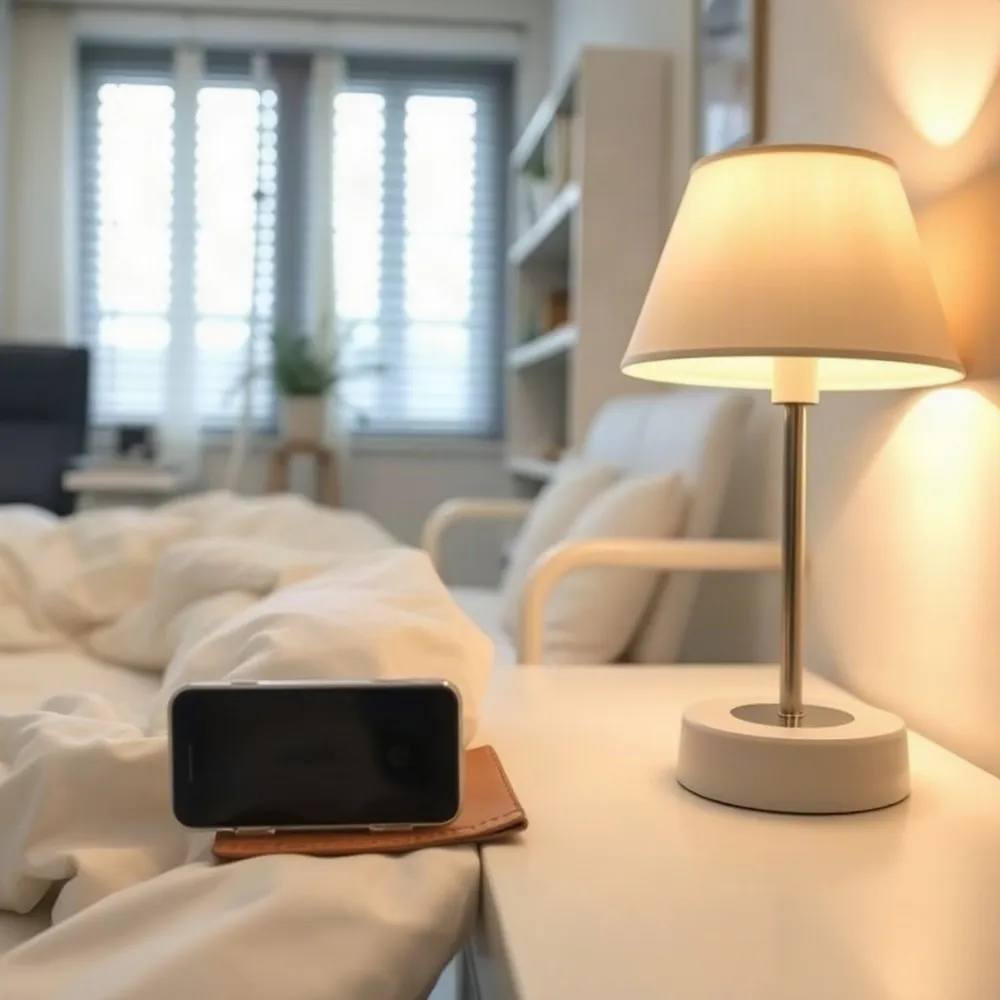
Set a screen curfew and aim for a screen-free hour before bed. Silence notifications and, when feasible, charge phones outside the bedroom. If a device needs to stay nearby, keep it out of reach overnight and turn on Do Not Disturb. These steps can reduce the temptation to check messages and the chance that alerts interrupt sleep. The American Academy of Pediatrics’ screen-time guidance also encourages families to protect sleep and use device settings to support media balance.
When evening screen use cannot be avoided, lowering brightness or enabling night mode may reduce light exposure. These settings are secondary measures, not replacements for reducing late-night use. After devices are put away, teens might read, journal, listen to soothing music, or try mindfulness. A dark, quiet, comfortable bedroom can make that transition easier.
There is no single daily screen-time limit that fits every teen. Consider what the teen is doing online, why they are using a device, and whether it is crowding out sleep, exercise, schoolwork, family connection, or other interests. The AAP recommends focusing on the quality and context of media use, as well as its duration.
Make household expectations together, rather than setting rules without discussion. The AAP Family Media Plan can help families agree on priorities, screen-free times, and places, then revisit the plan as school, activities, and social needs change. Parents and caregivers can also model the habits they encourage, such as putting devices aside during meals and before bed.
At well-child and teen visits, families can raise questions about sleep routines and media habits with their healthcare provider. Kids and Teens Primary Healthcare offers teen health care as part of its care for children and young adults through age 21, creating an opportunity to discuss concerns in the context of a young person’s overall health.
When Sleep Problems Need Medical Attention
 A calm conversation can help uncover what is keeping a teen awake. Ask about stress, worries, late-night messages, and whether social expectations make it hard to put a phone away. Listen without judgment, since sleep difficulties may have several causes and screens are not always the whole explanation.
Work together on a steady sleep and wake schedule, including weekends, and a relaxing wind-down routine. Reducing evening device access and avoiding caffeine later in the day may help, but changes should fit the teen’s circumstances. The American Academy of Pediatrics’ guidance on screen time recommends considering whether media use crowds out sleep, rather than judging habits by screen hours alone.
Contact a pediatrician when sleep problems persist, disrupt family life, or affect daytime energy, attention, learning, mood, behavior, or school performance. Frequent trouble falling or staying asleep and ongoing daytime sleepiness are also worth discussing. In children and teens, sleep concerns may appear as irritability, hyperactivity, or trouble concentrating, not only as obvious tiredness.
Loud snoring, gasping, or pauses in breathing during sleep warrant prompt medical advice. A pediatrician can assess possible medical, behavioral, and environmental contributors, ask how sleep affects daily life, and discuss whether further evaluation is needed. At Kids and Teens Primary Healthcare, pediatric care includes teen health visits, where families can raise sleep concerns alongside other health questions.
Protecting Sleep Together
The goal is not to eliminate technology, but to make room for sleep and help teens build habits they can sustain. The American Academy of Pediatrics recommends weighing what teens do online and whether media crowds out sleep, rather than relying on one screen-time limit for everyone (AAP screen-time guidance).
Families can start with one realistic change, such as silencing overnight alerts, then talk together about what helps. At Kids and Teens Primary Healthcare, pediatric care includes teen health visits where families can raise ongoing sleep concerns. Seek guidance if sleep problems persist or affect a teen’s mood, schoolwork, or daytime functioning.