
When Your Child Needs Care
When a child feels unwell, it can be hard to know what the symptoms mean or what to do next. A pediatric sick visit gives a clinician a chance to assess a specific symptom or change, such as a fever, cough, or unusual behavior, and discuss appropriate care.
Knowing what may happen can help families feel more prepared. A visit often includes questions about symptoms and health history, followed by an examination focused on the concern. The exact steps depend on the child’s symptoms, history, and the clinician’s assessment. At Kids & Teens Primary Healthcare, sick visits are part of care for children and young adults from birth through age 21.
Families can write down when symptoms began, how they have changed, and any questions they want to raise. The American Academy of Pediatrics’ guidance on pediatric visits encourages parents to share concerns with their child’s clinician. If you are worried about your child, contact a medical professional for advice.
The Purpose of a Sick Visit
A sick-child visit helps a clinician assess a new or worsening health concern and decide what care may be needed. Families commonly seek an appointment for fever, cough or congestion, sore throat, vomiting or diarrhea, ear pain, a rash, breathing symptoms, unusual tiredness, or changes in behavior.
The clinician will ask when symptoms began, how they have changed, and what else is relevant to the child’s health history. An examination focused on the concern can help assess possible causes. Depending on the findings, the clinician may recommend testing, treatment, home-care steps, or follow-up.
This differs from a well-child visit, which focuses on prevention and a child’s ongoing growth and development. The American Academy of Pediatrics describes regular preventive visits as a way to track health and build a working partnership between families and the pediatrician (AAP guidance on well-child care). At Kids & Teens Primary Healthcare in Decatur, sick visits sit alongside well-child checkups, immunizations, and care for children and young adults through age 21.
From Check-In to Care Plan
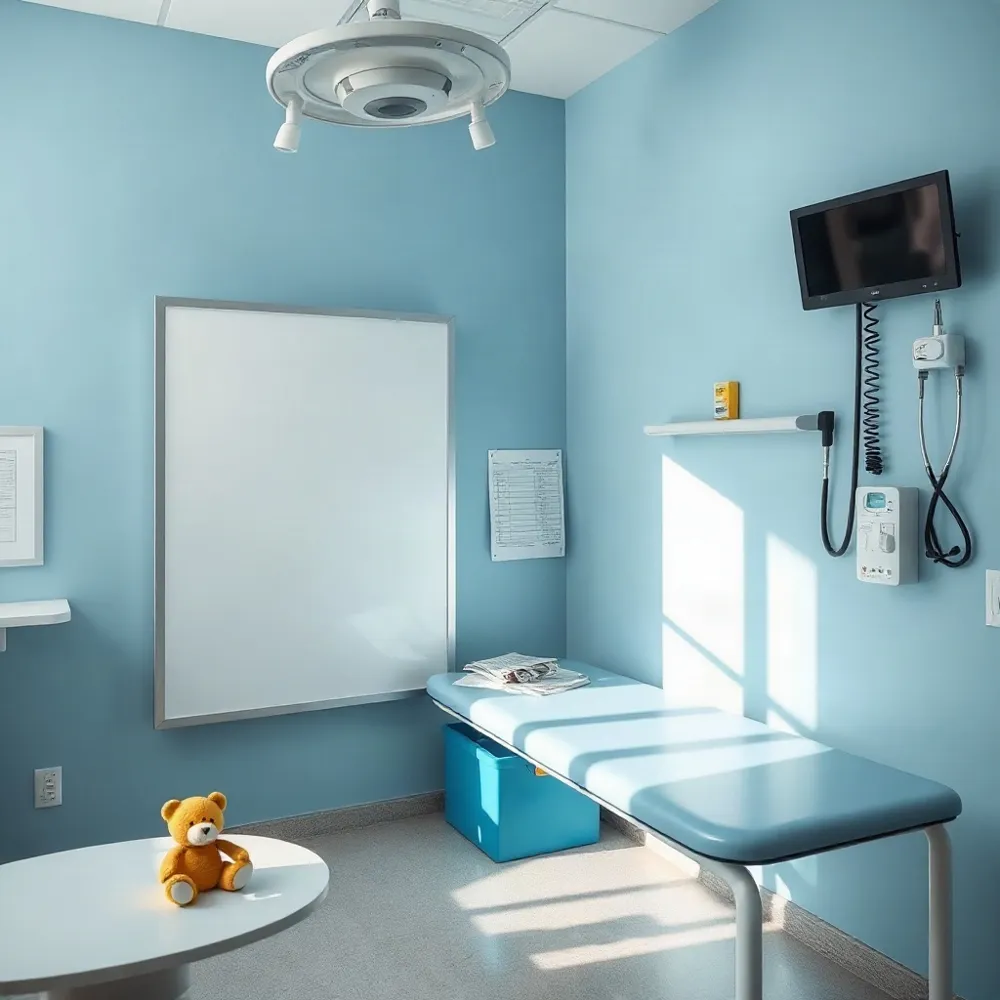 A sick visit usually moves from gathering information to a focused examination, then to a plan. The clinician or care team will ask what symptoms the child has and review relevant medical history. Details about when symptoms began and how they have changed can help make that conversation more useful.
Before the appointment, caregivers can note whether the symptoms are affecting eating, sleep, activity, or behavior. Bring a current medication list and relevant records if available. At the visit, the team may check temperature, pulse, breathing rate, and other vital signs, then examine the areas related to the concern, such as the ears, throat, lungs, or skin.
Testing depends on the symptoms and the clinician’s assessment. A test for strep, influenza, or COVID-19, or a urine test, may be considered when it could help clarify what is causing the problem. Not every child needs testing or medication.
After the assessment, the clinician may recommend home care, prescribe medicine when appropriate, or explain whether follow-up or additional evaluation is needed. At Kids & Teens Primary Healthcare, sick visits are part of pediatric care that also includes well-child checkups, immunizations, and support for common childhood conditions. Families can review what a sick-child visit is intended to address.
Share observations that might not be obvious during the examination, and ask what changes to watch for at home and when to seek further care. The American Academy of Pediatrics encourages families to raise concerns with their pediatrician, while noting that advice should reflect each child’s circumstances (AAP guidance on pediatric visits.
Preparing Children and Caregivers
 A little preparation can help caregivers explain what is happening and give the clinician a clearer picture of the child’s symptoms. Write down when symptoms began, how they have changed, medicines the child takes, and any relevant medical information. Choose the most important questions to raise early; the American Academy of Pediatrics recommends bringing three to five priority questions to a pediatric appointment.
For a child who feels anxious, use honest, age-appropriate language to describe what may happen. A familiar toy or book may offer comfort, and the Children’s Hospital of Philadelphia suggests preparing children with clear explanations and coping strategies. Avoid promising that no test or procedure will be needed, since the clinician’s assessment may call for one.
Tell the medical team about fears, communication needs, or developmental considerations so they can adapt their support. At Kids & Teens Primary Healthcare, pediatric care includes children and young adults through age 21, making it useful to share relevant health concerns, medicines, immunization questions, nutrition needs, or ongoing conditions.
When choosing or meeting a pediatrician, ask how sick visits are scheduled, whether same-day appointments may be available, and how to reach the practice after hours. Find out who may see your child if their usual clinician is unavailable, how the office handles questions and test results, and how parents and teens take part in care. You can also ask what to expect at visits and whether the practice accepts your insurance.
When to Call and When to Seek Urgent Care
 Contact your child’s clinician if symptoms are getting worse, lasting longer than expected, interfering with drinking or everyday activities, or simply worrying you. Call for guidance about a fever, ongoing vomiting or diarrhea, or a cough or pain that is not improving. You do not have to wait for a routine checkup when a health concern arises; MedlinePlus advises contacting a provider when a child seems ill or a caregiver is concerned.
Some symptoms need urgent medical evaluation rather than home monitoring. Seek urgent care for difficulty breathing, a seizure, unusual difficulty waking or confusion, severe bleeding or injury, or signs of severe dehydration. If the situation appears life-threatening, call 911.
For a baby younger than three months, contact a clinician promptly about a fever or other concerning symptoms. This is not a complete triage guide, and a child’s age, health history, and symptoms all matter. If you are unsure where to seek care, call your pediatrician for advice.
Kids and Teens Primary Healthcare provides pediatric care for children and young adults from birth through age 21, including sick visits and treatment for common childhood conditions. Families can ask the practice in advance how to reach the care team when the office is closed and what to do if symptoms cannot wait. For advice tailored to your child, contact the child’s own clinician.
Sick Visits Within Ongoing Pediatric Care
A sick visit addresses a current illness or symptom. Preventive well-child visits serve a different purpose: they track growth and development, allow age-appropriate screenings and immunizations, and help families build a trusting relationship with the pediatrician. The American Academy of Pediatrics’ well-child schedule begins in the newborn period, continues through infancy and toddlerhood, and generally becomes annual from ages 3 through 21. A child may need additional appointments based on individual health needs.
A baby’s first visit often takes place within days of birth, but families should confirm timing with their practice. The clinician may review birth and medical history, check growth, examine the baby, discuss feeding and diapers, and review newborn screening results. At Kids and Teens Primary Healthcare, newborn care is part of pediatric services for children from birth through age 21.
Well-child visits are also where clinicians review recommended vaccines and discuss catch-up needs. Vaccination timing depends on a child’s age and history, so ask the pediatrician rather than assuming vaccines are part of every sick visit. Families can also raise questions about sleep, nutrition, activity, or wellbeing. The 5-2-1-0 guideline offers a general starting point: fruits and vegetables, limited recreational screen time, daily activity, and no sugary drinks. Advice should fit each child’s needs.
A Partner in Your Child’s Care
Clear observations and questions help your child’s clinician understand what is happening and explain possible next steps. At Kids & Teens Primary Healthcare, children and young adults receive care from birth through age 21, including sick visits and ongoing pediatric services.
Contact the practice when you are concerned, and follow the clinician’s guidance. Online information, including the American Academy of Pediatrics’ guidance, is general and does not replace medical advice. Recommendations depend on your child’s individual circumstances.