
Why Routine Checkups Matter
Well-child visits are for more than treating illness. Even when a child seems healthy, routine checkups give families and clinicians time to review growth, development, and preventive care, and to raise questions before concerns become urgent.
The American Academy of Pediatrics (AAP) and its Bright Futures initiative provide a Periodicity Schedule that guides recommended screenings and assessments from infancy through adolescence. It offers a framework for regular care, while visits also help build an ongoing relationship between the child, family, and pediatrician.
The schedule is a starting point, not a one-size-fits-all plan. A clinician may recommend additional or adjusted visits based on a child’s health, development, or family circumstances. At Kids & Teens Primary Healthcare, care for children and young adults through age 21 includes well-child checkups alongside services such as immunizations, newborn care, and teen health care.
The Recommended Visit Timeline
 How often should children and teens have well-child visits? The American Academy of Pediatrics (AAP) recommends preventive visits from infancy through age 21. The schedule is especially frequent in the first years, when growth and development change quickly, then generally shifts to annual visits starting at age 3.
The AAP’s well-child visit schedule follows this progression: a first-week visit at 3–5 days old; visits at 1, 2, 4, 6, and 9 months; then at 12, 15, and 18 months. After that come visits at 24 months (2 years) and 30 months (2½ years), followed by a visit each year from age 3 through age 21, including ages 19, 20, and 21.
For families in Decatur, Georgia, Kids & Teens Primary Healthcare provides pediatric care from birth through age 21, including well-child checkups, immunizations, and teen health care. A regular relationship with a pediatric practice can help families discuss questions as a child’s needs change.
This timeline is guidance, not a fixed plan for every child. The AAP notes that additional visits may be appropriate for health, developmental, psychosocial, or chronic-condition concerns, and some counseling or treatment may take place separately from routine checkups. The AAP Periodicity Schedule is intended to guide preventive care, while a pediatrician can tailor visit timing to a child’s circumstances.
If a child has a new concern or a chronic condition, families should ask the pediatrician whether the routine timeline needs to be adjusted. The right schedule is the one that supports that child’s health and ongoing care.
What Checkups Help Monitor
 What Checkups Help Monitor
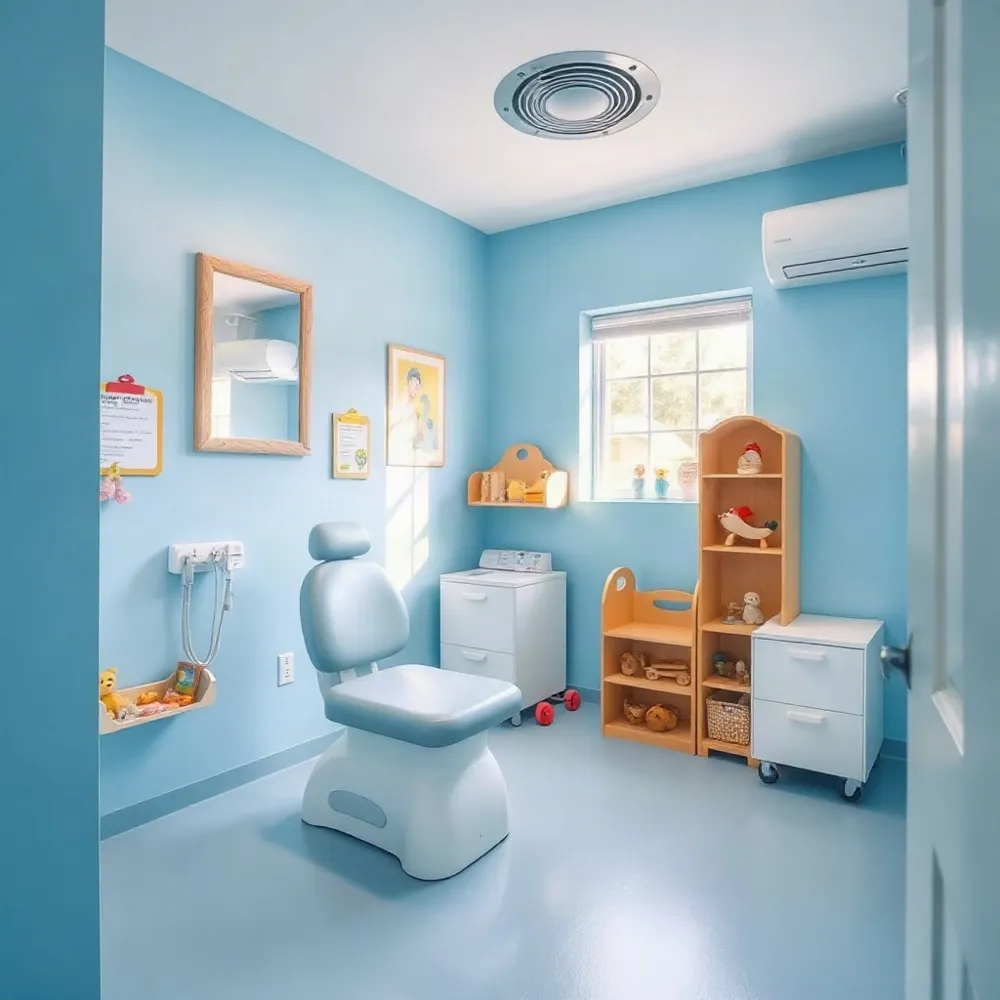
A well-child visit is preventive care, even when a child feels healthy. The clinician reviews health and medical history, measures growth, and checks development and overall well-being. Depending on age and individual circumstances, the visit may include screenings or recommended immunizations.
Regular checkups let families and clinicians consider changes over time, rather than relying on one appointment in isolation. Parents can discuss milestones, social behavior, learning, and any questions about their child’s physical, mental, or social health. At Kids & Teens Primary Healthcare, well-child checkups are part of a range of pediatric services that also includes sick visits, immunizations, and nutrition advice.
What happens at a well-child visit? Along with reviewing growth and development, the clinician may offer guidance on nutrition, sleep, safety, behavior, and emotional health. Families can make the visit more useful by sharing concerns and asking questions about changes they have noticed.
The American Academy of Pediatrics’ Bright Futures guidance recommends screening at selected visits for areas that may include development, maternal or adolescent depression, behavioral and social-emotional concerns, and oral health. This does not mean every child receives every screening at every appointment; the care plan depends on the child’s age, history, and needs. The AAP Periodicity Schedule is a guide, and a pediatrician may recommend additional care when circumstances call for it.
Preparing for Prevention and Vaccines
 Well-child visits offer time to review preventive care, including recommended immunizations, nutrition, and safety at home and school. Vaccines are recommended at specific ages from birth through adolescence, and many are reviewed or given during routine visits. The AAP well-child care schedule explains how preventive visits support these conversations.
When do children need vaccines, and how can families check the current schedule?
Children receive vaccines at recommended ages, beginning at birth, with additional doses throughout infancy, childhood, and adolescence. The timing depends on a child’s vaccine history and health. Check the latest CDC immunization schedule or AAP guidance, then confirm with your child’s clinician which vaccines are due. The CDC schedule page is the place to check current recommendations; a clinician can interpret them for your child.
Bring any available immunization records to the appointment so the care team can review past doses and plan next steps. At Kids & Teens Primary Healthcare, well-child checkups are part of a pediatric service offering that includes immunizations, nutrition advice, and care for children and young adults through age 21.
Preparation can also help families make good use of appointment time. Write down concerns about development, behavior, sleep, eating, or family relationships. Choose the three to five questions that matter most and raise them early, so there is time to discuss them with the pediatrician.
Care Through Young Adulthood
The American Academy of Pediatrics schedule includes annual well-child visits through age 21, including ages 19, 20, and 21. This recommended age range is guidance for preventive care, not a requirement that every pediatric practice see patients through age 21. The AAP’s well-child visit schedule also notes that care recommendations can vary with individual circumstances.
Do pediatricians provide care for 21-year-olds?
Some pediatric practices care for young adults through age 21, while others set a lower age limit. Kids & Teens Primary Healthcare serves patients from birth through age 21. Contact the Decatur office to confirm eligibility and discuss scheduling.
Many young adults transition to adult primary care between ages 18 and 21. A conversation with the current provider can help plan when to move care and what health records or ongoing needs to share. Adult medicine or family medicine clinicians are common options for continued primary care.
Understanding Preventive Visit Coverage
Families can plan routine checkups more confidently when they know how their health plan treats preventive care. HealthCare.gov’s child preventive care guidance says most health plans, including Marketplace plans and Medicaid coverage, must cover a set of preventive services for children, including well-baby and well-child visits.
How often does health insurance cover well-child visits?
Coverage generally follows recommended preventive visit ages and intervals, but the plan determines which benefits apply and what families may pay. Visits are generally available at no cost when a child sees an in-network provider, though $0 cost is not guaranteed in every case. The American Academy of Pediatrics’ schedule is a useful reference for recommended visit timing, while a pediatrician can advise on a child’s individual needs.
Before booking, check your plan’s preventive-care benefits and network status with the insurer, and confirm billing details with the pediatric practice. This is especially useful if the visit may include services beyond routine prevention.
If a clinician evaluates or treats a specific illness or concern during a checkup, some services may be billed separately or involve cost-sharing. Ask the insurer and practice how those services are handled before the appointment. At Kids & Teens Primary Healthcare in Decatur, families can discuss well-child checkups and other pediatric services, including sick visits, with the practice when arranging care.
Make Preventive Care A Team Effort
Regular checkups give children, families, and their pediatrician a chance to build a relationship over time. That continuity can support physical, mental, and social health as a child grows. At Kids and Teens Primary Healthcare, pediatric services extend from newborn care through young adulthood, giving families a place to discuss changing needs across those years.
Keep routine appointments when possible, and bring health records and a short list of questions to help guide the conversation. If a concern arises between visits, contact the pediatrician for advice rather than relying on a general timeline alone. Online schedules offer useful guidance, but a child’s clinician can recommend care suited to that child’s health and family circumstances.