Prepare for the First Visit
A newborn’s first pediatric appointment is an early chance to check the baby’s health, review hospital findings, and start a relationship with a clinician who can guide your family’s care. The American Academy of Pediatrics describes a first-week checkup as a time to assess growth, development, and overall health, while discussing feeding and other concerns (AAP newborn checkup checklist).
Contact the practice promptly to arrange the visit and ask about forms, records, and arrival instructions. At Kids & Teens Primary Healthcare, newborn care is part of pediatric services for children from birth through age 21, so families can raise questions as they begin ongoing care.
Before you go, gather hospital paperwork and any available immunization or medical records. Pack diapers, wipes, a change of clothes, and feeding supplies. Jot down questions and observations about feeding, wet diapers, bowel movements, sleep, or anything that worries you. A short list can help you use the appointment time well, even if the baby is unsettled.
Plan Early for Newborn Care

When should I choose a pediatrician and arrange care for my baby?
Start looking for a pediatrician during pregnancy, ideally about three months before your due date. This gives you time to consider whether a practice fits your family’s needs and accepts your insurance. At Kids & Teens Primary Healthcare, children receive care from birth through age 21, including newborn care and well-child checkups.
Before delivery, contact the practice to ask about office hours, insurance requirements, how to arrange a newborn appointment, and what to do after the baby is born. Procedures and recommended visit timing can vary. The American Academy of Pediatrics’ first-week checkup guidance describes the visit as an opportunity to review hospital records, assess the baby, and raise questions.
When should a newborn have their first pediatrician visit?
Many newborns need a checkup within one to three days after leaving the hospital. Babies discharged early may need an appointment within 24 to 48 hours. Follow the discharge instructions and your care team’s advice, since timing depends on the baby’s health and birth history.
At the visit, the pediatrician can assess feeding, weight, hydration, and jaundice, and answer questions about newborn care. Contact the practice promptly if your baby is having trouble feeding, jaundice seems to be worsening, or you are unsure when to schedule. Kids & Teens Primary Healthcare provides newborn care and ongoing preventive checkups, supporting families as their child grows.
Know What the Visit Covers
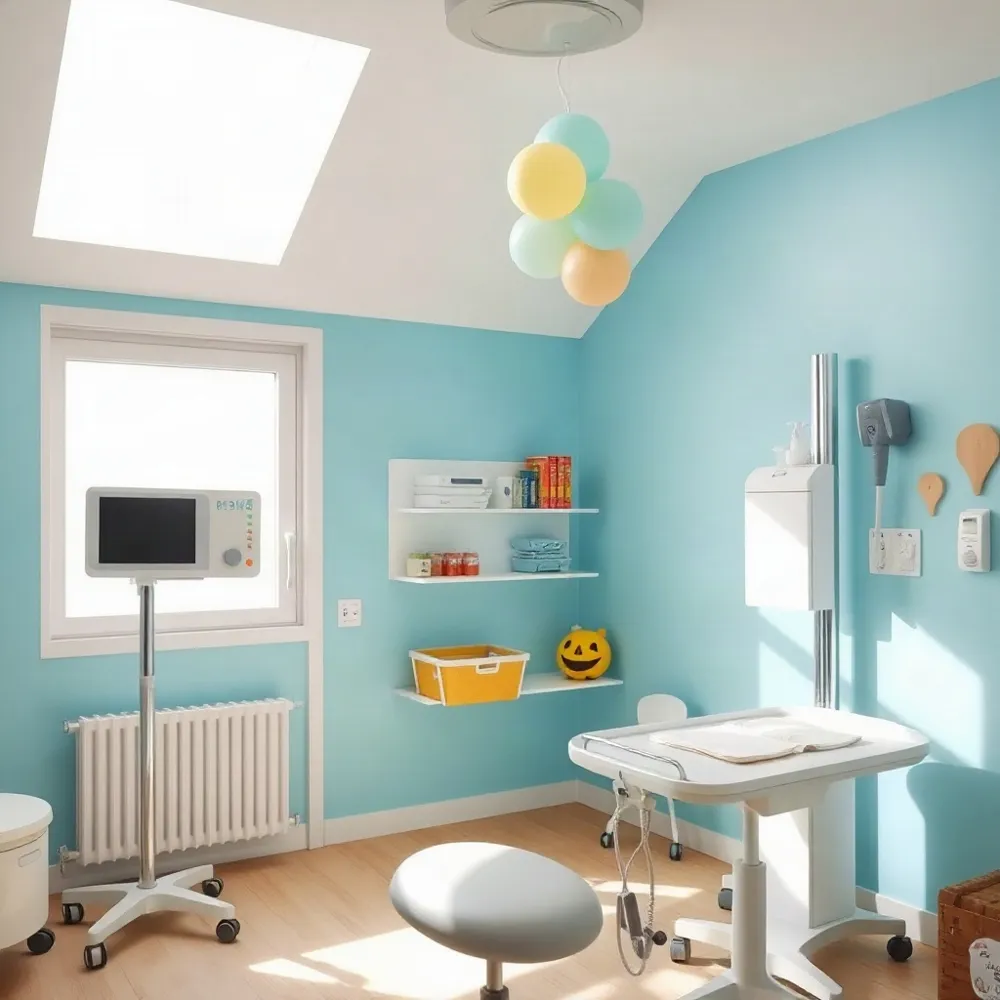 A newborn’s first pediatric visit is a chance to connect the details of birth and hospital care with how the baby is doing at home. Bring discharge papers if available, including information about birth complications and the baby’s discharge weight. The AAP first-week checkup checklist notes that clinicians may also review hospital hearing and blood screening results and arrange follow-up if needed.
The clinician will weigh and measure the baby, observe behavior and development, and perform a physical examination. Be ready to describe feeding and the number and pattern of wet and dirty diapers. Sleep, soothing, and other concerns are also appropriate topics to raise.
At Kids & Teens Primary Healthcare, newborn care is part of pediatric services for children from birth through age 21. Use the appointment to ask about care at home and clarify when to return. The clinician’s assessment and follow-up plan depend on the baby’s health and individual needs.
Pack Records and Everyday Supplies
A little planning can make it easier to share useful details while caring for your newborn during the appointment. The American Academy of Pediatrics’ first-week checkup checklist recommends bringing hospital paperwork, including information about birth complications and the baby’s discharge weight.
Gather any available records about newborn hearing and blood screenings, vaccines, or earlier medical care. Bring your insurance card or the baby’s insurance details if available, along with forms the practice has requested. Before the visit, contact the office to confirm what paperwork it needs. At Kids & Teens Primary Healthcare, newborn care is part of the practice’s services for children from birth through age 21, so families can ask the office about its own check-in requirements.
What should I bring to my newborn’s first pediatrician appointment?
Pack a diaper bag with diapers, wipes, a change of clothes, and any feeding supplies your family may need. A blanket or familiar soothing item may help your baby feel more settled in an unfamiliar room. Keep a short note of feeding patterns, wet and dirty diapers, and any medications or supplements, including each item’s dose and purpose.
Write down questions and concerns before you leave home. A notebook or phone can help you capture the pediatrician’s advice, especially if the visit feels busy. The AAP checklist also suggests asking about feeding, diaper expectations, safe sleep, and what to do if your newborn has a fever. Bring the list, and raise the concerns that matter most to your family.
Make Your Questions Count
 A short written list can help you make the most of your newborn’s appointment, especially when the baby needs attention during the conversation. The American Academy of Pediatrics’ first-week checkup checklist suggests asking about feeding, diaper expectations, safe sleep, bathing, and umbilical-cord care.
What questions should I ask at my newborn’s first pediatrician visit?
Ask how often your baby should feed, how to tell whether they are getting enough, and what weight gain and wet diapers to expect. You can also discuss soothing, safe sleep, bathing, and whether the cord is healing as expected. At Kids & Teens Primary Healthcare, newborn care is part of pediatric services for children from birth through age 21, so caregivers can raise concerns about the baby’s health and development during care.
Ask which changes or symptoms warrant a call, a same-day appointment, or urgent care, and what to do if the office is closed. Find out whether birth or hospital findings require follow-up, including any repeat screening or specialist referral. The AAP checklist encourages families to contact their pediatrician with concerns and seek guidance on where and how soon a baby should be seen if an examination is needed.
Before you leave, confirm when the next well-child checkups and recommended immunizations are due. The schedule depends on the baby’s circumstances, so ask the clinician to explain what applies to your child. General newborn-care information can help you prepare, but it does not replace advice tailored to your baby.
Review Vaccines and Visit Timing
Will my newborn receive vaccines at the first pediatrician appointment?
Possibly. What is due depends on your baby’s age, which vaccines were given in the hospital, and individual health needs. The American Academy of Pediatrics’ first-week checkup guidance says the hepatitis B vaccine may be given at the visit if it was not given in the hospital. Bring hospital and immunization records, then ask the pediatrician when to give any missed dose and how to keep the series on schedule.
During RSV season, ask whether your baby may be eligible for an RSV antibody shot. Eligibility can depend on whether the birthing parent received an RSV vaccine during pregnancy, as well as your baby’s circumstances. Kids & Teens Primary Healthcare provides immunizations as part of its pediatric care, so families can discuss what is recommended for their child with the practice.
How often should a newborn have checkups during the first year?
The first checkup is generally arranged within a few days after hospital discharge. A common well-child pattern then includes visits at about 1, 2, 4, 6, 9, and 12 months, as described in the AAP’s guidance on pediatric visits during the first year. These visits let the pediatrician monitor growth and development, review immunizations, and address feeding, sleep, or other concerns. Additional visits may be needed. Confirm the timing with your baby’s pediatrician, since the schedule may change based on your child’s health.
Use the Pediatrician’s Schedule
“3-3-3” and “3-6-9” are informal phrases, not reliable ways to plan your baby’s checkups. Well-child visits during the first year generally happen more often than every three or six months. The American Academy of Pediatrics describes frequent first-year checkups, with appointments around the newborn period and at 1, 2, 4, 6, and 9 months among the visits to discuss with your clinician. Follow your baby’s own pediatrician’s guidance, since individual needs can affect timing.
Regular appointments give the clinician a chance to track growth and development, hear about new concerns, and review preventive care and immunizations. At Kids and Teens Primary Healthcare, well-child checkups and immunizations are part of the pediatric services offered to children and young adults.
Ask your baby’s pediatrician which visits are due and when to schedule the next one. If your child has a health concern or needs additional follow-up, the clinician can recommend a schedule that fits those needs. The American Academy of Pediatrics’ first-year visit guidance also advises families to confirm the schedule with their own pediatrician.
Let Preparation Support Care
A simple plan can make the first visit feel more manageable: confirm paperwork requirements with the office, pack essential records and baby-care supplies, and write down questions you want to discuss. You do not need to anticipate everything. Bring up what is happening at home, including feeding, sleep, or anything that worries you.
The appointment is a chance to share your baby’s needs and get guidance tailored to your child, rather than relying on general advice alone. At Kids & Teens Primary Healthcare, pediatric care spans newborns through age 21, supporting families as children grow and their health needs change.