Introduction to Sick Child Visits
Understanding Sick Child Visits
A sick child visit is a medical appointment scheduled when a child is experiencing symptoms of illness or injury requiring prompt evaluation and care. Unlike well-child visits, which focus on preventive care, growth monitoring, and immunizations, sick visits concentrate on diagnosing and treating acute health problems such as fevers, infections, injuries, and other sudden symptoms.
How Sick Visits Differ from Well-Child Visits
Well visits are routine check-ups that assess a child's overall development and health status, typically scheduled annually or more frequently for infants. They involve physical exams, developmental screenings, and vaccinations.
In contrast, sick child visits occur when a child shows signs of illness like fever, cough, rash, vomiting, or pain. These visits address immediate health concerns and may require diagnostic tests and treatment plans.
Importance of Sick Child Visits
Prompt sick visits help children recover faster and prevent complications. They allow pediatricians to accurately diagnose issues, prescribe medications if needed, and advise parents on home care. Early medical attention is vital for ensuring children’s comfort and well-being during illness, reducing unnecessary emergency room visits, and supporting ongoing health management.
When to Schedule a Sick Child Visits and Their Purpose
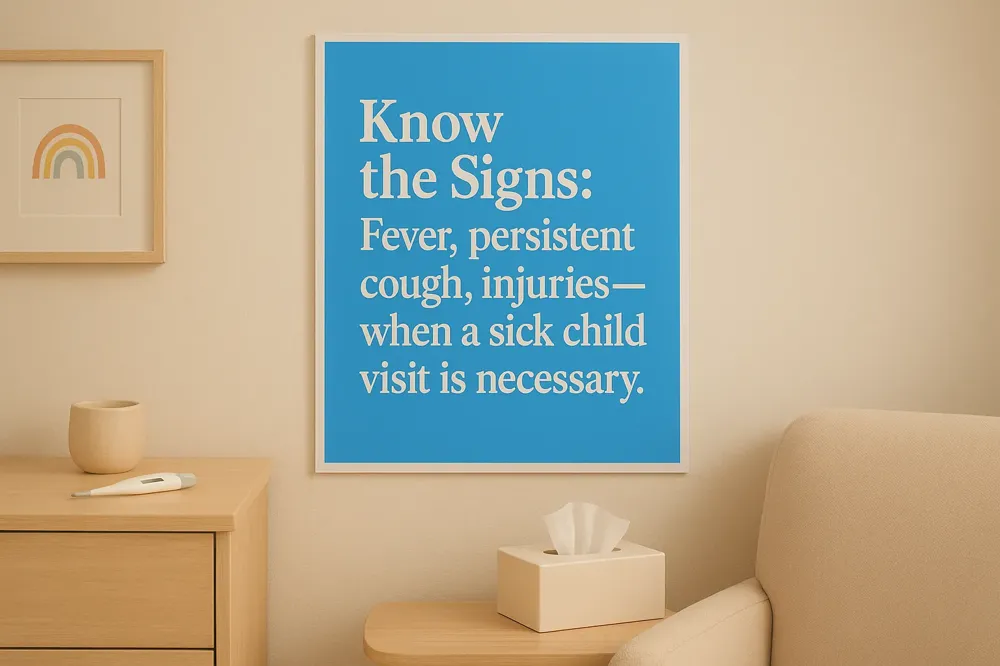
Symptoms indicating a sick child visit is necessary
Parents should consider scheduling a sick child visit if their child has a fever lasting more than two days, or if the temperature exceeds 100.4°F for infants under 2 months, or 104°F in older children. Other symptoms prompting a visit include persistent cough, ear pain, rash, difficulty swallowing, nausea, vomiting, diarrhea, headaches, sinus problems, asthma symptoms, abdominal pain, or injuries such as fractures or cuts.
What is the purpose of a sick child visit?
A Sick child visit is essential when a child exhibits health issues that need more immediate medical attention than routine well-child check-ups. The primary goals of this visit are to assess symptoms, diagnose the underlying illness or injury, provide timely treatment, and help the child recover more comfortably and quickly. It also aims to prevent complications by addressing concerns early with professional care.
Common illnesses and injuries treated during sick visits
During these visits, pediatricians commonly treat conditions such as ear infections, flu, strep throat, viral or bacterial infections, sinus issues, allergic reactions, asthma flare-ups, and gastrointestinal troubles like vomiting and diarrhea. Injuries like fractures, cuts, or sports-related accidents are also addressed. The doctor performs Physical Exams in Sick Visits, may order Laboratory tests during sick child visits, or x-rays, and prescribes Medications prescribed during sick visits including antibiotics, antivirals, anti-inflammatory drugs, and pain relievers tailored to the child's needs.
It is important for parents to seek Sick child medical attention promptly when these symptoms arise, ensuring the child receives compassionate and expert attention to promote faster recovery and reduce stress for both child and family.
What to Expect During a Sick Child Visit
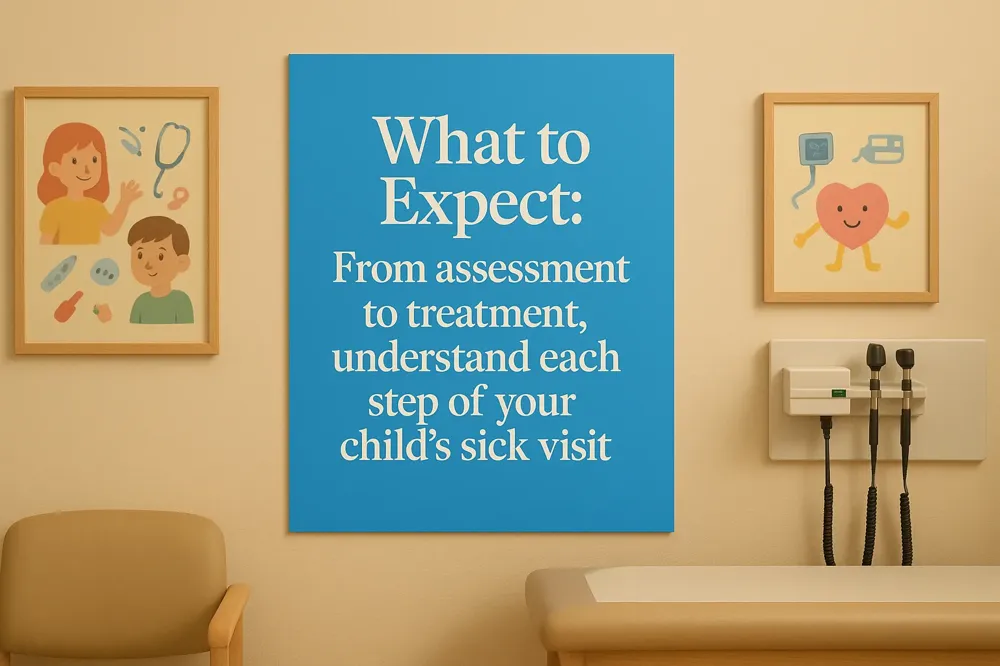
Initial assessment procedures
The first step in a Sick child visit is a rapid visual evaluation by the healthcare provider. This involves observing the child's general appearance, alertness, breathing, skin color, and circulation to quickly identify any urgent, life-threatening issues such as difficulty breathing or altered consciousness. This immediate check ensures the child's safety before conducting further examinations.
Symptom review and health history
Parents are asked to provide detailed information about their child's symptoms – when they started, severity, and progression. The healthcare provider also collects the child's medical history, recent exposures, and any medications taken. This guided conversation helps pinpoint the possible causes of illness and shapes the evaluation.
Physical examination and vital sign measurement
During the visit, vital signs including temperature, heart rate, respiratory rate, blood pressure, height, and weight are measured. The pediatrician then performs a thorough Physical exam in pediatric visits, inspecting the ears, nose, throat, lungs, abdomen, skin, and other areas relevant to the symptoms presented.
Diagnostic testing during sick visits
Depending on the initial findings, laboratory tests like throat swabs, blood work, or urine tests may be ordered. Imaging such as X-rays can be used to confirm diagnoses or assess the extent of an illness or injury. These tests support accurate diagnosis and treatment planning, as described in Laboratory tests during sick child visits.
Treatment options and medications
Following assessment and diagnosis, the pediatrician recommends a treatment plan which may include medications such as antibiotics, antivirals, anti-inflammatory drugs, pain relievers, or specific therapies for asthma and allergies. Parents receive guidance on home care to help their child recover comfortably and safely, consistent with Medications prescribed in sick child visits.
This thorough approach ensures sick children receive appropriate, compassionate care tailored to their condition, facilitating quicker recovery and peace of mind for families. For more information on providing Compassionate care for sick children, visit the linked resource.
Differences Between Sick Child Visits and Well-Child Visits
What is the difference between a well-child visit and a sick child visit?
Well visits overview and Sick Child Visits serve distinct but complementary roles in pediatric healthcare. Sick Child Visits are designed to diagnose and treat acute illnesses or injuries your child is experiencing, such as fever, infections, injuries, or sudden symptoms needing prompt care. They focus on addressing immediate health concerns to help your child recover as quickly and comfortably as possible.
In contrast, Well visits focus on long-term health maintenance, prevention, and developmental monitoring. These routine checkups typically occur annually and include physical exams, immunizations, growth measurements, and screenings for vision, hearing, and developmental milestones. Well visits overview offer opportunities to discuss nutrition, behavior, and safety to support your child’s overall well-being.
Routine care during well visits
During Well visits overview, your pediatrician measures height, weight, and blood pressure, assesses developmental progress, and administers vaccines to protect against preventable diseases. These visits help detect potential health issues early and support healthy growth and social and emotional development.
When a visit may combine well and sick elements
Sometimes your child may require both types of care in one appointment—for example, a routine checkup might reveal new symptoms needing evaluation, or a sick visit could address preventive care issues. In such cases, providers may bill for both services, and you might see separate charges for the well and sick components. See more about billing for combined well and sick visits.
Insurance considerations for different types of visits
Most insurance plans compliant with the Affordable Care Act cover Well-child visits at no cost, but coverage can vary. Some plans—such as grandfathered, government, or employer self-insured plans—might have different policies or exclusions for certain preventive services, which could lead to charges. Additional services during a well visit, like travel vaccines or certain tests, might not always be covered. Also, billing depends on accurate coding by providers; mistakes can cause unexpected costs. It is important to review your insurance details or check with your pediatrician’s office to understand your coverage and any potential out-of-pocket expenses.
Together, Well-child visits overview and Sick Child Visits ensure your child receives comprehensive, timely care whether they are healthy, growing, or in need of medical attention.
How to Prepare and What to Expect for Parents During Sick Child Visits
Preparation Tips for Parents Before the Visit
Before a sick child visit, parents should carefully observe and document their child's symptoms. This includes noting the onset, duration, and severity of symptoms such as fever, vomiting, diarrhea, or rash. Writing down any medications the child has taken and any recent illnesses or exposures helps provide a complete health history. Parents are encouraged to call the pediatric office early to schedule a same-day appointments for sick children if their child's condition requires prompt attention.
Information to Provide to the Pediatrician
During the visit, it is important for parents to share detailed information about their child's symptoms, medical history, and any recent health changes. This may include past illnesses, allergies, current medications, and behaviors that are unusual or concerning. Providing accurate and thorough answers ensures the pediatrician can make an informed diagnosis and treatment plan. For more details, see What to Expect During a Sick Child Visit.
Typical Appointment Workflow
Sick child visits usually start with measuring vital signs such as temperature, heart rate, respiratory rate, and sometimes blood pressure. The pediatrician will then perform a thorough physical exam in pediatric visits, checking ears, throat, lungs, abdomen, skin, and overall appearance. Depending on the symptoms, laboratory tests during sick child visits like throat swabs, blood tests, or x-rays may be ordered. After diagnosis, the doctor explains the treatment plan, which may include medications prescribed in sick child visits, symptom management, or referrals.
Home Care Advice After the Visit
Parents receive guidance on how to care for their child at home, emphasizing rest, hydration, maintaining normal routines, and offering reassurance. Instructions often include managing fever with recommended medications and watching for signs of worsening condition that would require returning for further care. Keeping the child comfortable and calm helps support a quicker recovery. For additional home care tips, see Home Care Tips for Sick Kids.
Timely and well-prepared sick child visits help children get needed care quickly, minimizing discomfort and preventing complications. Parents play a vital role by preparing information ahead of time, actively participating during the visit, and following home care instructions carefully.
Access and Convenience of Sick Child Visits in Pediatric Care
Availability of same-day sick visits
Pediatric care providers commonly offer Same-Day Sick Visits to ensure children receive timely medical attention for acute illnesses and injuries. Practices such as Kids & Teens Primary Healthcare in Decatur, Georgia, and JC Peds in Missouri provide promptly scheduled appointments to diagnose and treat conditions like fever, ear infections, vomiting, and minor injuries without long waits. This immediacy helps in quicker recovery and reduces unnecessary emergency room visits.
Scheduling options including online booking and nurse advice lines
Many pediatric practices have streamlined scheduling by providing Schedule Sick Visits Online tools alongside telephone Nurse advice line for pediatric care. For example, DeKalb Pediatrics allows appointments to be scheduled up to two days in advance online or by phone, giving parents flexibility and convenience. Nurse advice lines offer guidance on whether a sick visit is necessary based on symptoms, helping families make informed decisions about their child’s care.
Role of pediatricians and urgent care in managing sick visits
Pediatricians serve as the primary care providers and first point of contact for a child’s illnesses, managing routine sick visits and ongoing health needs. When minor illnesses or injuries arise, these visits involve Symptoms requiring a sick child visit, Physical exam in pediatric visits, and sometimes Laboratory tests during sick child visits or x-rays. Urgent care settings complement pediatric practices by offering accessible care for non-emergency but immediate concerns during extended hours. This layered approach ensures comprehensive care that maximizes convenience while providing specialized pediatric expertise.
When to seek emergency care instead of sick visits
Parents are advised to seek Emergency services for serious conditions rather than a sick visit when children exhibit serious or life-threatening symptoms. Such signs include breathing difficulties, chest pain, severe lethargy or confusion, pale or blue skin, dehydration, very high fevers, or inability to drink fluids. In these situations, immediate emergency intervention is critical, and parents should call 911 or go to an emergency room directly. Pediatricians emphasize recognizing these red flags to ensure timely and appropriate care.
By offering Same-Day Sick Visits, convenient appointment scheduling, guidance through Nurse advice line for pediatric care, and clearly outlining emergency situations, pediatric practices support accessible and effective care for sick children and teens.
Summary and Importance of Sick Child Visits in Pediatric Healthcare
Encouragement for Prompt Medical Care When Children Are Ill
Parents are urged to seek medical attention promptly if children exhibit symptoms like high fever, persistent vomiting, or difficulty breathing. Early visits help prevent complications and promote faster recovery.
Integration of Sick and Well-Child Visits for Comprehensive Care
Sick visits address acute illnesses and injuries, while well-child visits focus on preventive care, including immunizations and developmental monitoring. Together, they ensure holistic child health management.
Role of Pediatricians in Managing Child Health
Pediatricians evaluate symptoms, perform exams, order tests, and prescribe treatments. They also provide guidance and reassurance to families, helping children recover comfortably.
Resources for Scheduling and Emergency Guidance
Many pediatric practices offer same-day sick visits and online booking options. Parents should also understand when to seek urgent care or emergency services, ensuring the child’s safety and timely intervention.