The Vital Role of Sleep in Adolescent Development
Adolescence marks a critical developmental period defined by rapid physical growth and complex brain maturation. During these years, teenagers require 8 to 10 hours of sleep per night to support optimal physical health, cognitive function, and emotional regulation. Despite these needs, data shows that less than 20% of teens meet these recommendations, creating a widespread public health issue.
Many families mistakenly view chronic exhaustion as a normal byproduct of teenage life. However, persistent sleep debt is a significant barrier to academic success and mental well-being, often linked to increased risks of anxiety, depression, and poor performance. Unlike generic advice found online, addressing these challenges often requires a personalized, family-centered approach.
Pediatric practices like those at kidsandteenspc.com serve as vital resources for families navigating these shifts. By moving beyond temporary fixes and screening for underlying conditions like insomnia or circadian rhythm disorders, medical professionals help adolescents build sustainable routines. Prioritizing structured sleep hygiene is not just about avoiding fatigue; it is a fundamental pillar of supporting the long-term growth of young adults.
Understanding Adolescent Sleep Requirements and Biology
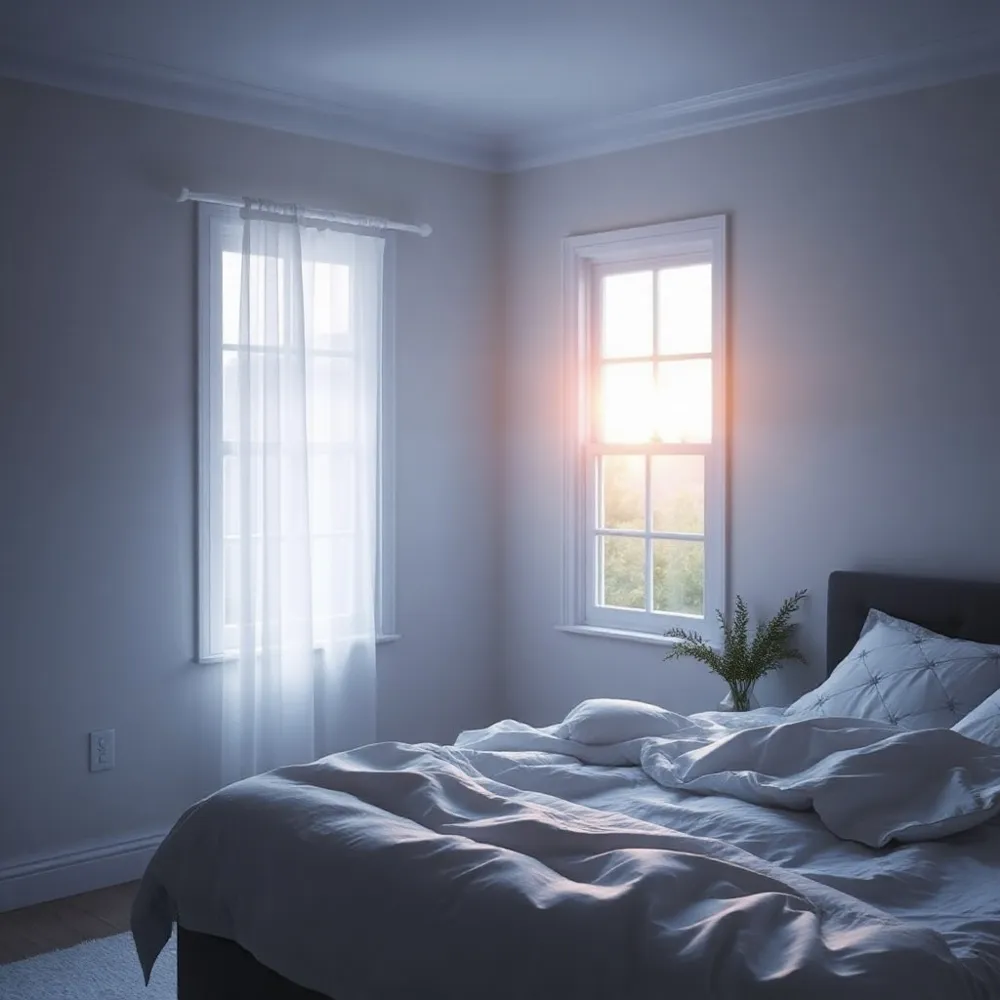 Adolescence is a critical developmental period defined by rapid physical growth and complex brain maturation, necessitating 8 to 10 hours of sleep every night. Despite these needs, data shows that by age 14, only 23% of teens meet the recommended sleep threshold.
How much sleep do teenagers actually need each night?
Teenagers typically require 9 to 9.5 hours of sleep each night to support their significant physical growth and critical brain development during this stage of cognitive maturation. This amount is even higher than what they needed at age 10, yet many teens struggle to get sufficient rest due to a natural shift in their circadian rhythm known as sleep-phase delay. This biological shift makes it physically difficult for many adolescents to fall asleep before 11:00 p.m., creating a persistent conflict with early morning academic schedules.
Chronic sleep deprivation can lead to serious consequences, including increased risks of depression, substance use, and motor vehicle accidents. At kidsandteenspc.com, we emphasize that maintaining a consistent sleep schedule is essential for physical and emotional well-being. To help your teen meet these needs, we encourage modeling healthy habits like limiting evening caffeine, banning tech from the bedroom, and keeping a predictable daily routine. If you are concerned about your teenager's sleep quality or overall health, scheduling a checkup at Kids & Teens Primary Healthcare can help ensure they receive the clinical guidance necessary to thrive.
Identifying Causes of Chronic Sleep Deprivation
Chronic sleep deprivation occurs when a teenager consistently misses the recommended 8 to 10 hours of nightly rest needed for healthy development. Kids & Teens Primary Healthcare emphasizes that this issue often arises from a collision between biology and modern lifestyle demands. Because chronic sleep loss can affect a teen's physical and emotional health, families should consider medical attention if sleep problems continue.
During puberty, teenagers experience a circadian shift that naturally delays melatonin secretion, making it physically difficult to fall asleep before 11:00 p.m. This biological reality frequently clashes with early school start times, a conflict that 7 out of 10 US teenagers encounter daily. While institutions may struggle to adjust these schedules, families can find support through kidsandteenspc.com, which provides personalized guidance on navigating these physiological changes.
Technology remains a dominant factor in sleep disruption. With 89 percent of teens keeping electronics in their bedrooms, blue light exposure often suppresses the hormones required for sleep onset. Beyond screens, heavy extracurricular commitments and academic stress can force students into a cycle where rest is sacrificed to meet daily obligations. Establishing a consistent bedtime routine is a fundamental strategy for overcoming these obstacles, and if sleep deprivation persists, seeking medical attention is an important next step for helping adolescents protect their health.
Consequences for Health and Academic Success
 Chronic sleep deprivation has become an epidemic among teenagers, with over 87% of high school students failing to get the recommended eight to ten hours of nightly rest. This deficit acts as more than just a lack of energy; it fundamentally disrupts the brain's capacity for memory consolidation and emotional regulation.
When adolescents miss essential sleep, their executive functioning suffers, manifesting as poor focus and impaired judgment. This leads to a measurable decline in academic performance as students struggle to retain information or stay on task during school hours. At kidsandteenspc.com, our providers emphasize that these cognitive barriers are often mistaken for lack of effort or behavior issues rather than the physical byproduct of chronic rest deficiency.
Beyond the classroom, the health consequences are severe. Research indicates a strong link between severe sleep debt and increased risks of suicidal ideation and clinical depression. The physical cost also extends to safety, with fatigue serving as a leading contributor to traffic accidents; notably, drivers under 25 account for 55% of fall-asleep crashes. Unlike generic advice found online, kidsandteenspc.com offers tailored screenings to identify whether these behaviors stem from lifestyle habits or underlying sleep disorders like insomnia.
Adolescents with limited self-regulation capacity are also prone to reckless behaviors, including substance use or unsafe decision-making, as their impulse control wanes. Establishing a structured sleep routine is a vital medical necessity. Parents who prioritize these habits help buffer their teens against the long-term risks of obesity, diabetes, and weakened immune function, ensuring they have the restorative foundation needed for both academic achievement and physical wellness.
Recognizing Symptoms of Sleep Loss
 What are the common symptoms of sleep deprivation in teens? In addition to persistent daytime sleepiness and difficulty waking up, sleep-deprived teens often struggle with poor concentration, leading to a noticeable decline in academic performance and an inability to focus in class, per Cleveland Clinic. Emotionally, a lack of rest can manifest as increased irritability, moodiness, and frequent emotional outbursts, as well as a higher risk for anxiety and depression. Physically, these teens may experience reduced motivation, lower energy levels, and a greater susceptibility to illnesses due to weakened immune function.
Chronic sleep deprivation is linked to more serious behavioral consequences, including impulsive decision-making and an increased risk of accidents, such as drowsy-driving incidents, as noted by the Child Mind Institute. These symptoms can mirror conditions like ADHD, leading some to struggle with task completion and restlessness. While some parents dismiss these signs as typical teenage angst, they often indicate an underlying health issue.
Because these symptoms have a significant impact on a teen's overall health and safety, consulting with a professional is essential. Pediatric practices, such as Kids & Teens Primary Healthcare, serve as a resource for screening and managing these persistent patterns, as clinical evaluation can help differentiate between common fatigue and serious sleep-related disorders.
Establishing Healthy Sleep Habits
What constitutes a healthy sleep hygiene routine for teenagers? To support physical and mental well-being, teenagers should aim for 8 to 10 hours of quality sleep each night by maintaining a consistent schedule, even on weekends, with no more than a one-hour variance per the American Academy of Sleep Medicine. Creating a relaxing pre-sleep environment is essential, which includes powering down all electronic devices at least an hour before bed to prevent blue light from disrupting the body's natural circadian rhythm according to the National Sleep Foundation.
Engaging in calming activities like reading or gentle stretching can help signal to the brain that it is time to wind down as recommended by Nationwide Children's Hospital. Additionally, it is beneficial to keep the bedroom cool, dark, and quiet to foster an optimal space for restorative rest per the Cleveland Clinic. If sleep difficulties persist despite these efforts, we encourage you to discuss concerns with your pediatrician to rule out underlying health issues. At kidsandteenspc.com, we provide family-centered guidance and clinical screening to help adolescents develop sustainable routines that promote long-term health.
When to Seek Professional Medical Care
While many sleep issues respond well to consistent routines and lifestyle adjustments, persistent challenges may indicate an underlying medical condition. If a teenager continues to struggle with chronic fatigue, difficulty focusing, or mood disturbances despite implementing recommended habits, it is time to consult a medical professional. Experts at Kids & Teens Primary Healthcare emphasize that parents should look for red flags like chronic snoring, gasping for air, or extreme daytime sleepiness, which may signal disorders like obstructive sleep apnea or insomnia.
Early clinical intervention is vital for long-term health. Pediatricians at Kids & Teens Primary Healthcare conduct thorough evaluations to rule out physical complications or circadian rhythm disorders that often evade home-based solutions. While competitors may offer generic advice, the family-centered approach provided by local medical practices ensures that every treatment plan is tailored to the unique developmental needs of your child. Establishing this partnership early allows for regular screenings that protect your teen’s academic success, mental health, and physical safety throughout their most formative years.