
Why the First Year Matters Most
The first year of life is the period of greatest growth and development. More growth occurs during these 12 months than at any other time, making proper nutrition essential for every infant.
Getting the right nutrition early supports healthy growth and can lower the risk of chronic disease later in life. Breast milk and iron-fortified formula are designed to be the primary sources of nutrition for the entire first year. They provide the calories, protein, calcium, and vitamin D that growing babies need, along with immune factors that help fight off illness.
This guide covers what to feed your baby, when to start solid foods, and how to introduce new foods safely step by step. It follows recommendations from the American Academy of Pediatrics and the Centers for Disease Control and Prevention to help you make informed choices for your child.
Kids and Teens Primary Healthcare supports families through every stage of the first year, from newborn feeding basics to introducing solid foods. Our pediatric team can answer questions about feeding routines, growth, and any concerns that come up along the way.
Breast Milk and Formula: The Foundation
 In the first year of life, your baby's primary source of nutrition should be breast milk or iron-fortified infant formula. The American Academy of Pediatrics (AAP) recommends exclusive breastfeeding for approximately the first 6 months, followed by continued breastfeeding alongside complementary foods for as long as mother and baby desire. This approach is also supported by the World Health Organization. For families who cannot breastfeed or choose not to, standard infant formula is an appropriate and healthy alternative for full-term babies.
In the early weeks, newborns need to feed frequently. According to the CDC, breastfed babies should nurse 8 to 12 times per 24 hours, roughly every 2 to 3 hours, including overnight. Alternating breasts and allowing the baby to empty one breast completely before switching ensures they receive the richer hindmilk. When not breastfeeding, using a breast pump can help maintain milk supply. For formula-fed infants, typical amounts increase with age: about 2 to 4 ounces per feeding at 1 month, 5 to 6 ounces at 2 months, and 6 to 7 ounces at 3 to 5 months.
The AAP also recommends a daily supplement of 400 IU of vitamin D for all infants, starting soon after birth, to support healthy bone development. Whether breastfeeding or formula feeding, always respond to your baby's hunger and fullness cues rather than a rigid schedule. Bottle-feeding should be an interactive, held experience — never prop a bottle, as it increases the risk of ear infections and tooth decay. At Kidsandteenspc.com, our pediatricians help families navigate these early feeding decisions with personalized guidance.
When to Start Solid Foods
Knowing when your baby is ready for solid foods is a milestone that combines age guidelines with individual developmental signs. The American Academy of Pediatrics (AAP) and the Dietary Guidelines for Americans both recommend introducing solid foods at about 6 months of age. Starting solid foods before 4 months is not recommended, as your baby is not developmentally ready and breast milk or formula provides all necessary nutrients.
Introducing solids too early can lead to poor feeding experiences and increased weight gain in both infancy and early childhood. At Kids & Teens Primary Healthcare, pediatricians emphasize that each child develops at their own pace, so it is always wise to consult your pediatrician before starting solids to ensure the timing is right for your baby.
Signs Your Baby Is Ready
Look for these developmental cues to know when your baby is ready to begin eating solid foods:
- Sitting up alone or with minimal support
- Good head and neck control
- Opening the mouth when food is offered
- Moving food from the front to the back of the tongue to swallow, rather than pushing it back out
- Turning the head away when not wanting food
- Bringing objects to the mouth and trying to grasp small items
Another helpful sign is when your baby weighs about 13 pounds or more, which often happens around 4 months of age when they double their birth weight. The CDC notes that as your baby's ability to eat develops, you can gradually move from smooth, pureed foods to thicker and lumpier textures.
By the time your child is 7 to 8 months old, they can enjoy a variety of foods from different food groups, including vegetables, fruits, meat, dairy without added sugars, and whole grains. Always introduce new foods one at a time and watch for any signs of allergy or intolerance. Your pediatrician at Kids & Teens Primary Healthcare can help guide you through this exciting stage and answer any questions about your baby's unique needs.
Best First Foods for Your Baby
In the early weeks, a newborn's stomach is tiny, about the size of a cherry, which is why feedings happen so often. Most infants need to eat every 2 to 3 hours around the clock, which translates to roughly 8 to 12 feedings in a 24-hour period. This frequent pattern is normal and necessary, since breast milk and formula are digested quickly. For a detailed look at hunger cues and what to expect, our Newborn Feeding Basics for New Parents guide covers the essentials.
During the day, you will likely notice your baby waking on their own to signal hunger, whether by rooting, sucking on a hand, or making soft sounds. Crying is actually a late hunger cue, so responding early helps keep feedings calm. At night, the same frequent schedule applies. According to the CDC, newborns should generally not go more than 4 to 5 hours without feeding, as their small stomachs need frequent nourishment for growth and hydration. This guidance is echoed in the Feeding Guide for the First Year from Stanford Children's Health.
How to Introduce Solid Foods Safely
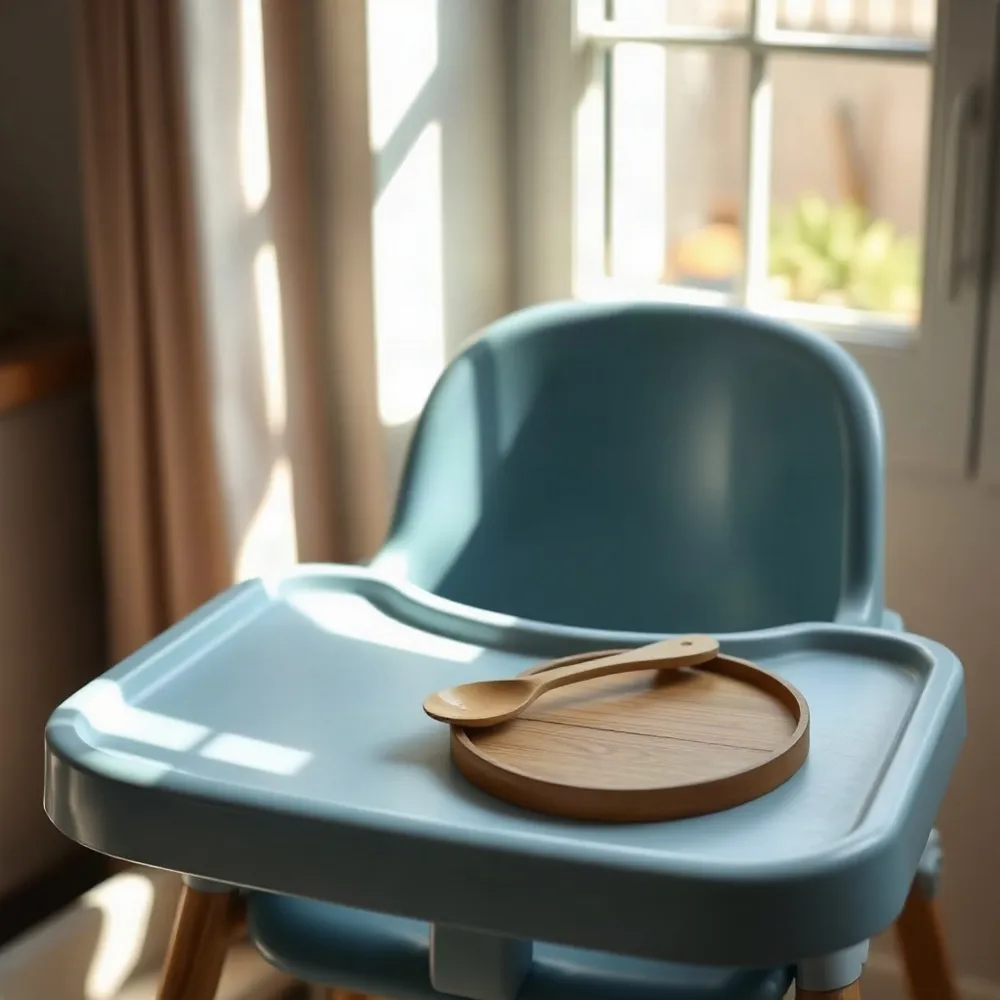 Once your baby shows signs of readiness, start by offering a small amount of a single-ingredient, iron-rich food like pureed meat or iron-fortified infant cereal once a day. Gradually work up to 2-3 meals per day, but continue offering breast milk or formula as the primary nutrition source until 12 months. Feed in a calm environment with the baby sitting upright and supported.
Use a spoon or allow finger feeding, but do not put cereal in a bottle; this creates a choking risk and can lead to excess weight gain. Watch for your baby's cues: an open mouth means they are ready, while turning their head away signals fullness. Never force them to clean the plate.
It can take 10-15 tries before a baby accepts a new food. Practice the division of responsibility: the caregiver decides what nutritious foods to offer, and the child decides whether and how much to eat. Avoid adding salt or sugar, and do not give honey in the first year due to the risk of infant botulism.
- Whole grapes, nuts, seeds, popcorn, and hot dogs
- Hard candy, chunks of meat or cheese, and raw hard vegetables
Prepare food to a safe texture by mashing or pureeing until smooth, cooking hard fruits and vegetables, and cutting round foods into small pieces. At Kids and Teens Primary Healthcare, we guide families through these early feeding stages and can help you create a safe, positive experience at the table.
Introducing Common Allergens
The guidelines from the AAP and CDC recommend introducing potentially allergenic foods like eggs, peanuts, fish, shellfish, soy, wheat, tree nuts, milk, and sesame when you start solid foods, around 6 months of age. There is no evidence that waiting beyond this point helps prevent food allergies.
Early introduction is a proactive step that can reduce the risk of developing allergies. Introduce one new allergen at a time, waiting three to five days between each to watch for a reaction.
How to Introduce Peanuts and Eggs Safely
For peanut introduction, thin a bit of peanut butter with water, breast milk, or pureed fruit or vegetable to a safe, smooth consistency. If your baby has severe eczema or a known egg allergy, talk to a doctor like those at Kids and Teens Primary Healthcare about the safest approach for introducing peanuts.
Watch for Signs of Allergic Reaction
After introducing a new food, watch for hives, swelling, vomiting, diarrhea, or difficulty breathing. If any of these appear, seek medical care immediately.
If a food is tolerated, continue offering it a few times a week to maintain tolerance. Your pediatrician is your best resource for personalized guidance on navigating this process.
Milestones: Textures and Self-Feeding
As your baby grows, their ability to handle different textures and feed themselves will develop in stages. Starting around 6 months, babies are ready for mashed, pureed, or strained foods that are very smooth.
As the baby's eating skills improve, you can gradually introduce thicker and lumpier textures. By 7 to 9 months, most babies can begin finger foods: soft, easy-to-swallow pieces of banana, scrambled eggs, well-cooked pasta, or finely chopped chicken.
Between 6 and 9 months, you can also start offering small amounts of water from an open cup or a sippy cup at mealtimes — about 4 to 8 ounces per day. This helps the baby get used to a cup while continuing breast milk or formula as the main source of hydration.
From 9 to 12 months, babies can handle more advanced finger foods and may begin to try self-feeding with a spoon and cup. By 12 to 18 months, they will attempt to use a spoon, though it may be awkward, and they may use a cup but still dribble. At this age, babies enjoy eating what others are eating and learn by imitating.
Encouraging self-feeding and supervised exploration of foods is important because it helps develop motor skills and fosters healthy eating habits. At kidsandteenspc.com, pediatricians can guide families through each feeding stage, offering personalized advice on texture progression and readiness.
Foods and Drinks to Avoid in the First Year
While the first year is a time of exciting food discovery, several foods and drinks should stay off the menu entirely to keep your baby safe and healthy. The reasons range from choking and allergy risks to serious illness and nutritional gaps.
Honey and Botulism Risk
Honey in any form must be avoided during the first 12 months. It can contain spores that cause infant botulism, a rare but serious illness, as noted by Hopkins Medicine and the CDC. This includes honey used in baking or as a sweetener.
Cow's Milk and Plant-Based Alternatives
Cow's milk should not be given as a drink before 12 months. It does not provide the proper balance of nutrients for an infant and may cause intestinal bleeding, according to Healthy Eating Research. Plant-based milks such as soy, rice, or almond are also nutritionally incomplete for infants and are not recommended by experts.
Juices and Sweetened Drinks
Fruit juice is not recommended for infants under 12 months. The American Academy of Pediatrics states that juice can fill up small stomachs and displace more nutritious breast milk or formula. If introduced after the first birthday, serve no more than 4 ounces per day of 100% pasteurized juice in a cup, never a bottle. All sugar-sweetened beverages, including sodas and sweetened teas, should be avoided entirely.
Choking Hazards and Unsafe Textures
Many common snack foods pose a serious choking risk for babies. Avoid whole grapes, hot dogs, nuts, seeds, popcorn, hard candy, chunks of meat or cheese, raw hard vegetables, and globs of peanut butter. The CDC advises cutting cylindrical foods into short thin strips and small spherical foods into small pieces. Always supervise your baby during meals.
Other Items to Avoid
Do not add cereal to a baby's bottle. This practice can cause choking, lead to excess weight gain, and may interfere with nutrient absorption. Processed foods, those with added salt or sugar, and items containing trans fats should also be avoided. Young children need healthy fats for brain development, not the unhealthy fats found in fried or processed foods.
If you have questions about any food, the team at Kids & Teens Primary Healthcare can help you make safe, age-appropriate choices for your baby's diet.
The 5-3-3 Rule and Feeding Structure
As your baby moves past the first birthday and into the toddler years, creating a loose daily rhythm for meals and snacks can help ensure balanced nutrition. A popular guideline for this stage is the "5-3-3 rule." This is a practical, parent-friendly framework, not a strict medical protocol.
5. Aim for about 5 meals or snacks spread across the day.
3. Include foods from at least 3 different food groups at each meal.
3. Ensure at least 3 of those food groups are iron-rich or nutrient-dense.
This structure supports the Healthy Eating Research recommendation that toddlers benefit from 5-6 small meals and snacks daily, ideally eaten together as a family. It is a shift from the more predictable meal-and-bottle routine of the first year.
The 3-6-9 Rule: Understanding Growth Spurts
Do not confuse the 5-3-3 feeding framework with the "3-6-9 rule," which is an unrelated developmental guide. The 3-6-9 rule describes expected periods of increased fussiness and growth at around 3 weeks, 6 weeks, 3 months, 6 months, and 9 months of age. Knowing about these phases can help parents understand their baby's changing behavior, but it does not dictate what or when to feed.
Responsive Feeding and Family Meals
Regardless of the framework you use, the most important principle remains responsive feeding. Let the child decide how much to eat from the balanced options you provide. Avoid pressuring them to finish a plate or eat a certain amount, as this can disrupt their natural ability to self-regulate. At Kids and Teens Primary Healthcare, we emphasize these same principles during well-child visits, helping families build a positive, pressure-free feeding environment at home.
Always remember that every child is different. These guidelines are helpful starting points, but your pediatrician is the best source of personalized advice for your child's specific growth and developmental needs.
When to Consult Your Pediatrician
 Your pediatrician is your most reliable partner during your baby's first year of feeding. It is always wise to talk to your baby's healthcare provider before starting solid foods, and to check in whenever a question or concern arises.
Before Starting Solids and Beyond
Before you introduce the first spoonful of cereal or puree, have a conversation with your pediatrician. This is especially important if your baby has severe eczema or a family history of allergies, as your doctor can provide specific guidance on how and when to safely introduce foods like peanuts. They will also advise on needed supplements, such as the AAP-recommended daily 400 IU of vitamin D starting soon after birth.
Other situations that warrant a call include your baby continuing to refuse solid foods after 6 months despite many attempts, or if they seem to struggle with eating. Very loose, watery, or mucus-filled poop can be a sign of an intolerance or illness, and your pediatrician should be informed. Similarly, if you are concerned your baby is eating too little or too much, your doctor can help you read hunger and fullness cues more effectively.
Babies born prematurely or with a medical condition need highly personalized feeding advice. For example, they may have different readiness signs for solids or special needs regarding iron and other nutrients. Your pediatrician at Kids & Teens Primary Healthcare can create a feeding plan that matches your child's unique developmental path.
Allergens, Reflux, and General Concerns
If your baby has severe eczema or a known egg allergy, ask your pediatrician about introducing peanut-containing foods safely. The CDC recommends introducing allergenic foods early (around 6 months) for most babies, but a medical professional's advice is critical in these specific cases. You should also consult your doctor if your baby has reflux or if you have any questions about feeding problems, growth, or whether your baby needs an iron supplement. For any concern not covered in general guidelines, your pediatrician is the best source of tailored, trustworthy support.
Building a Lifetime of Healthy Eating
The first year of your baby's life lays the foundation for healthy growth and development. Following the guidelines from the American Academy of Pediatrics (AAP) and the CDC helps ensure proper nutrition and can reduce the risk of chronic disease later in life. By focusing on responsive feeding, nutrient-dense foods, and offering a variety of textures, you help your child build lifelong healthy eating habits.
Throughout this journey, your pediatrician at Kids & Teens Primary Healthcare is your partner for personalized guidance. Whether you have questions about vitamin D supplements, introducing common allergens, or your baby's specific feeding needs, your pediatrician can provide support tailored to your child. With the right information and a trusted medical partner, you can navigate the first year with confidence, knowing you are setting the stage for a lifetime of good health.