
Setting the Stage for a Healthy Academic Year
Preparing for the school year involves more than just gathering supplies. It requires a proactive approach to your child's physical and emotional well-being. At Kids and Teens Primary Healthcare, we believe that early coordination between families and their medical providers is the foundation for academic success. Scheduling your annual well-child checkup during the summer helps avoid the seasonal rush and ensures that all mandatory documentation is finalized before the first bell rings.
The partnership between parents and their pediatrician is essential for identifying health needs before they impact the classroom experience. Whether it is updating pediatric immunizations to meet state requirements or reviewing school physicals, early visits allow enough time for vision screenings and the management of chronic conditions. Experts at the Texas Hospital Association emphasize that establishing consistent routines, such as sleep schedules and healthy nutrition, at least two weeks before school starts can significantly ease the transition for students.
By focusing on preventative care, you help your child build the resilience needed for the upcoming year. If your child plans to participate in athletics, remember that a sports physical is a specific safety requirement that can often be integrated into their wellness appointment, saving your family valuable time.
The Importance of Routine Well-Child and Sports Physicals
 Regular school and sports physicals are vital for monitoring your child’s physical, emotional, and cognitive growth, ensuring they are meeting key developmental milestones from birth through age 21. At Kids and Teens Primary Healthcare, these examinations allow our providers to screen for potential health concerns early, track growth patterns, and keep children up to date on essential immunizations. These visits go beyond basic measurements to provide a dedicated space to discuss wellness topics such as nutrition, sleep habits, safety, and physical activity.
Wellness Exams vs. Sports Physicals
While parents often group these appointments together, it is important to understand that a standard annual well-child checkup and a sports physical serve different purposes. A comprehensive wellness exam provides a total look at your child's overall health, including developmental, mental, and long-term physical well-being. In contrast, a sports physical or pre-participation physical evaluation focuses specifically on clearing an athlete for safe participation in sports by evaluating heart, lung, and musculoskeletal health.
At Kids and Teens Primary Healthcare, we offer both assessments, and they can often be combined into a single visit if you request this when scheduling. Unlike retail clinics that may provide only a limited check for sports clearance, our pediatricians provide a holistic review that ensures your child is prepared for the rigors of athletics while also managing chronic conditions like asthma or addressing mental health needs.
- Consistent checkups build a strong, trusted partnership between our medical team and your family.
- Early identification of vision or hearing issues helps prevent academic struggles.
- Updating medical action plans ensures schools are prepared for students with specific dietary needs or health conditions.
What to Expect at Your Pediatric Appointment
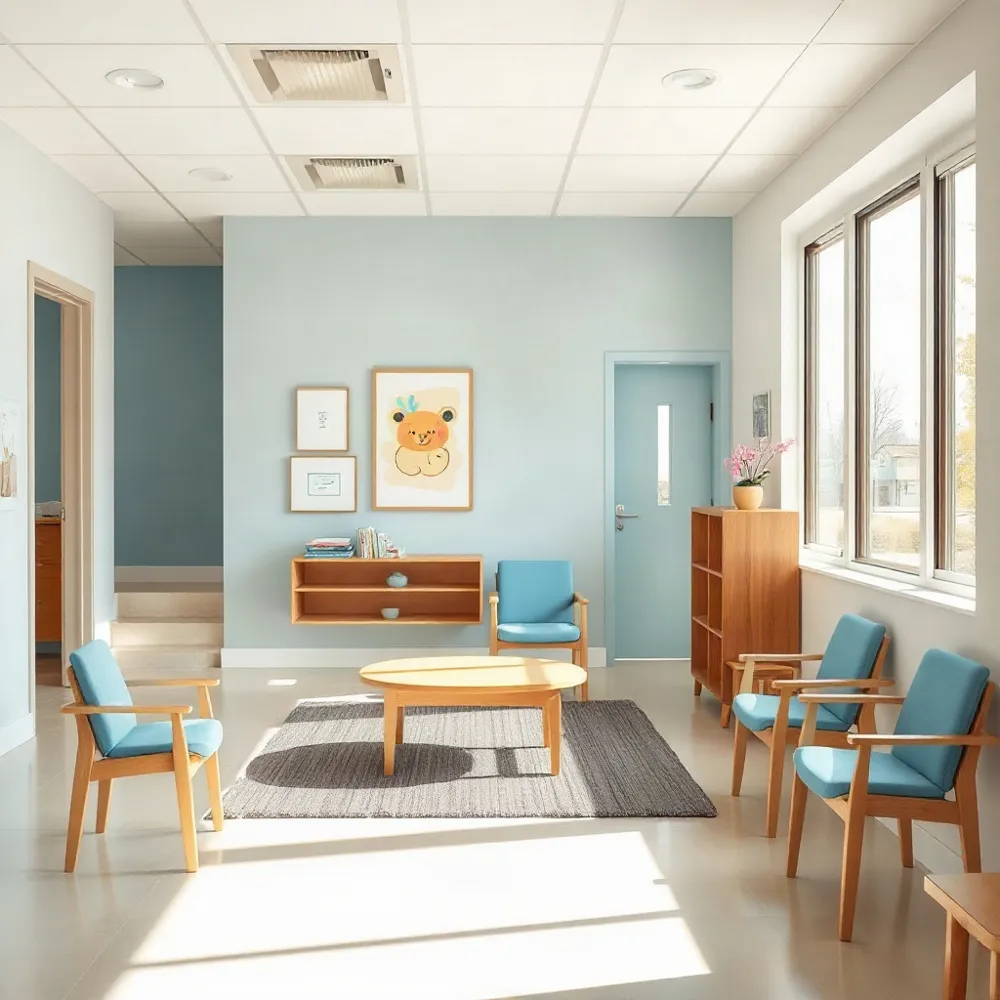 Preparing for a physical exam involves more than just showing up at the office. To ensure a smooth process, families should compile a list of all current medications, including supplements, and bring any organization-specific physical or immunization forms that require a physician's signature. At Kids and Teens Primary Healthcare, providers prioritize completing these documents accurately while also addressing any specific questions regarding school-year safety or sports physicals.
What should families expect during a routine school or sports physical?
During a routine school or sports physical, your provider will begin by conducting a comprehensive review of your child’s medical and family history, including past injuries, chronic conditions, and current medications. The physical examination follows, where the doctor assesses vital signs, cardiovascular health, and musculoskeletal fitness to ensure your child can safely participate in activities. These exams also serve as a vital opportunity to screen for undetected health issues, such as heart conditions or asthma, and provide personalized advice for preventing future sports-related injuries. Parents should bring any required school or league forms for the provider to complete during the visit. Ultimately, the goal is to confirm medical eligibility while ensuring your child is healthy, prepared, and confident to start their season strong.
While some walk-in clinics offer basic clearance exams, a dedicated well-child checkup at a pediatric practice allows for a more holistic view of a child's development. By scheduling these visits well in advance, you avoid the seasonal rush and give your provider the time necessary to coordinate care, such as updating pediatric immunizations or developing management plans for chronic conditions.
Understanding Exam Frequency and Timing
How often should students undergo physical examinations? Comprehensive well-child visits are essential on an annual basis to track development and maintain a complete medical history. At Kids and Teens Primary Healthcare, providers integrate these wellness exams with necessary screenings, ensuring your child meets state-mandated health standards.
While an annual well-child checkup covers the foundation of health, students participating in athletics require additional focus. Sports physicals are typically valid for one calendar year, though most schools necessitate a new form before each season to account for changes in physical status or new injuries. Unlike retail clinics that may provide a limited assessment, our practice maintains your child’s records to ensure every clearance is backed by consistent longitudinal care.
Strategic scheduling is the most effective way to avoid the late-summer rush. By coordinating your School Physicals Yearly with your child’s birthday, you ensure that immunizations, vision, and hearing screenings remain compliant with Georgia Department of Public Health requirements without needing multiple appointments. Planning at least six weeks in advance of the academic season, as recommended by Nemours KidsHealth, prevents last-minute stress and ensures your student is ready for day one.
Georgia Immunization and Screening Requirements
 Navigating the health mandates for Georgia schools is a vital part of your child's back-to-school health preparation. State law requires that all students, whether in public, private, or childcare programs, remain up to date on required vaccinations to attend classes.
What are the current requirements for school vaccinations in Georgia?
All students must have the Georgia Certificate of Immunization, Form 3231, on file with their school or childcare facility. This form serves as official proof of compliance with state mandates for diseases such as diphtheria, pertussis, tetanus, polio, and measles. If you need to verify your child's status or establish a catch-up schedule, our providers at Kids and Teens Primary Healthcare can review your records and administer necessary doses during a single well-child checkup.
Specific age-based milestones apply for older students. Those entering 7th grade, as well as new entrants in grades 8 through 12, must receive one dose of the Tdap vaccine and one dose of the meningococcal conjugate vaccine. Furthermore, students entering or transferring into 11th grade must provide proof of a meningococcal booster shot (MCV4), unless the initial dose was administered on or after their 16th birthday. Unlike generic retail clinics that may lack long-term medical history for your child, Kids and Teens Primary Healthcare maintains comprehensive records to ensure these boosters are administered at the precise moment they become due.
Beyond Immunizations: Mandatory Health Screenings
Students enrolling in a Georgia school for the first time are required to submit Form 3300, the Certificate of Vision, Hearing, Dental, and Nutrition Screening. These screenings are essential for detecting subtle issues that could interfere with academic success, as children often struggle to articulate changes in their vision or hearing. By scheduling your child's annual exam with Kids and Teens Primary Healthcare, you ensure all required documentation is completed accurately and efficiently. Please contact our office if you have questions regarding the full immunization schedule or to confirm your child meets all health requirements for the upcoming academic year.
Navigating Religious Exemptions for Vaccines
Understanding the legal framework for school attendance is a vital component of your back-to-school health preparation. In Georgia, parents or legal guardians may seek a religious exemption from state-mandated school immunization requirements if vaccination conflicts with their religious beliefs.
What is the policy regarding religious exemptions for school vaccinations?
To request this exemption, you must submit a signed and notarized Affidavit of Religious Objection to Immunization, typically known as Form 2208, to your child’s school. While this process is defined by state regulations, it is important to note that if a vaccine-preventable disease outbreak occurs, children who are not immunized may be excluded from school to ensure the safety of the student body per Georgia Department of Public Health guidelines.
At Kids & Teens Primary Healthcare, we strongly encourage you to discuss any concerns regarding vaccines with our medical team. We are dedicated to supporting your child’s total health and well-being through pediatric immunizations that align with their specific needs. Please feel free to schedule an appointment with us to review your child's immunization status and address any questions you may have about your family's options.
Cultivating Healthy Daily Routines for Success
Supporting healthy habits throughout the school year begins with prioritizing consistent routines, such as ensuring children get adequate sleep to help manage emotions and behavior. Rush University Medical Center notes that children aged 6 to 12 require 9 to 12 hours of sleep, while teens need 8 to 10 hours. Establishing these schedules a few weeks before the term starts helps children transition from summer patterns, just as Kids and Teens Primary Healthcare recommends to maintain focus and energy.
Managing screen time is an equally important aspect of a healthy daily routine. Limiting electronic use to less than two hours per day after schoolwork and turning off screens one hour before bedtime can significantly improve sleep quality. While some families might struggle to balance digital habits, Kids and Teens Primary Healthcare emphasizes that consistent routines and 'tech-free' time are vital for communication and well-being.
Fueling the day with a nutritious breakfast provides the essential energy needed for academic performance, and limiting added sugars in favor of whole grains and vegetables further enhances learning outcomes per Rush University Medical Center. Beyond diet, the Texas Hospital Association encourages at least 60 minutes of daily physical activity to improve mood and physical health. Simple hygiene practices, such as frequent handwashing for at least 20 seconds, remain the most effective way to minimize the spread of germs in the classroom.
How can families support healthy habits throughout the school year?
Families should prioritize a holistic approach to student wellness by acknowledging and discussing school-related anxiety. Proactively checking in on a child's feelings helps them feel supported during academic transitions. If signs of chronic stress or depression emerge, seeking professional support is a critical step. By combining balanced nutrition, consistent physical activity, and open dialogue, parents ensure their child is prepared for both the challenges and successes of the upcoming school year.
Empowering Your Child for a Successful School Year
Preparing for a new academic term requires more than just gathering supplies. It demands a foundation of proactive health management. Ensuring your student remains on track starts with keeping up-to-date with immunization requirements and scheduling necessary screenings well before the first bell rings.
At Kids and Teens Primary Healthcare, we simplify this process by offering comprehensive School Physicals Yearly. These visits serve as an ideal moment to verify your child's medical action plans for chronic conditions and finalize any required school paperwork. Our team is dedicated to supporting your family through consistent care, from nutrition guidance to mental health check-ins.
Balance is essential for long-term success. By maintaining consistent sleep schedules and fostering open communication, you can help your child navigate academic and social transitions with confidence. Reach out to our Decatur practice today to book your next wellness visit and ensure your student is prepared to thrive.