Why Annual School Physicals Are Essential
Purpose and importance of school physicals
School physicals are key annual health check-ups that ensure children and teens are ready to tackle the school year with optimal health. These exams provide a thorough review of physical development, including vital signs like height, weight, blood pressure, pulse, and temperature. They also include screenings of eyes, ears, nose, throat, vision, and hearing.
Importantly, school physicals verify that children are up to date on immunizations, which protect not only the individual child but also help prevent outbreaks in schools. Mandatory vaccines, such as Tdap, meningococcal, and HPV, are reviewed and updated during these visits.
Role in health monitoring and disease prevention
Beyond vaccinations, the physical exam helps identify and manage conditions like asthma, allergies, heart issues, and vision or hearing problems. Early detection means timely treatment, reducing the risk of complications and preventing illness-related absences from school and sports activities.
Annual physicals also provide a chance to discuss safety habits, nutrition, sleep, mental health, and behavior, encouraging healthy lifestyle choices. These visits foster ongoing relationships with healthcare providers, supporting kids' wellness as they grow.
Regular school physicals are crucial steps in safeguarding the health, safety, and success of children throughout their school years.
Starting Early: When Should Children Begin Physical Exams?

At what age should children start getting physical exams?
Children should begin receiving regular physical exams right from birth. The initial well-child visit typically occurs within the first week of life, usually between 3 to 5 days after birth. In their first two years, infants have multiple checkups scheduled at 1, 2, 4, 6, 9, 12, 15, 18, and 24 months to closely monitor growth, developmental milestones, and immunizations.
Recommended ages for initial and ongoing physical exams
From age 3 through adolescence and young adulthood, annual well-child visits are recommended up to age 21. These yearly physicals allow healthcare providers to track physical growth—including height, weight, and BMI—conduct screenings for vision, hearing, and common conditions, and update immunizations. Adolescents' exams also focus on hormonal changes, mental health, sexual health, and safety behaviors.
Components of early childhood well visits
Early childhood visits include a Complete Well-Child Examination, developmental screenings, vaccinations per CDC vaccination guidelines, and caregiver education about nutrition, sleep, and safety. These visits establish a medical foundation that helps detect and treat illnesses such as asthma or allergies early. Routine exams also foster communications between families and healthcare providers, promoting healthy habits that last a lifetime.
Regularly scheduled Well Child Exams in Missouri enable timely interventions and personalized health guidance, supporting optimal development and overall wellness throughout childhood and adolescence.
What to Expect in a Yearly School Physical Exam

Comprehensive Components of Physical Exams
A yearly school physical exam for children involves a thorough review of overall health. The healthcare provider will evaluate growth by measuring height, weight, and Body Mass Index (BMI), and perform a head-to-toe physical assessment. This includes checking the lungs, heart, skin, abdomen, ears, nose, mouth, and throat for any potential health issues. Screening for common conditions such as scoliosis, hernias, and developmental milestones ensures the child's physical development is on track.
Vital Signs and Developmental Screenings
Vital signs recorded during the exam include blood pressure, heart rate, temperature, and respiratory rate to detect early signs of illness or underlying conditions. Vision and hearing assessments are routinely done to identify impairments that could affect learning or daily activities. Depending on age and health history, the doctor may also recommend specific screenings like cholesterol levels, anemia tests, lead poisoning, or tuberculosis (TB), especially when risk factors are present.
Immunizations and Preventive Care
Immunization status is carefully reviewed and updated following CDC Immunization Recommendations. Vaccines commonly given during these exams include tetanus-diphtheria-pertussis (Tdap), human papillomavirus (HPV), meningococcal vaccines, and seasonal flu shots. Keeping vaccinations current protects the child from infectious diseases and fulfills school attendance mandates.
Mental Health and Safety Discussions
The exam is also a crucial opportunity to address mental health concerns including anxiety, depression, and behavioral issues. Doctors discuss age-appropriate safety topics such as internet use, bullying, substance abuse, helmet and seatbelt safety, and healthy lifestyle choices. Guidance on nutrition, Physical Activity Guidelines for Children, and social development supports well-rounded health.
By combining physical, immunization, mental health, and safety assessments, a School Physicals Yearly ensures children are healthy, prepared, and supported for a successful school year.
Vaccinations: Keeping Your Child Safe and School-Ready
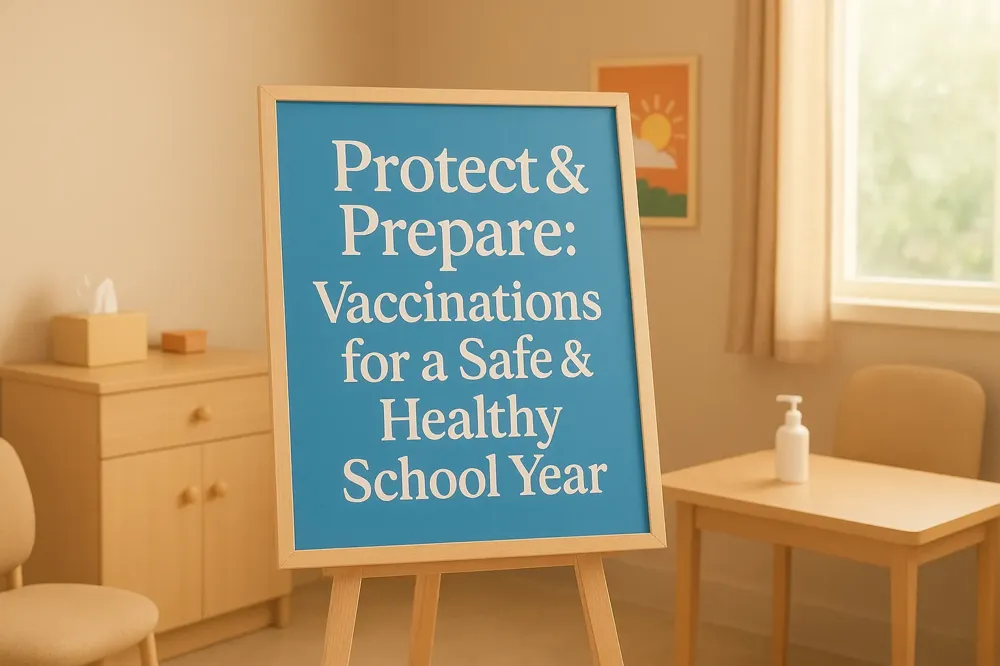
What types of vaccines are generally required for school-aged children in the United States?
School-aged children in the U.S. need several important vaccinations to protect against dangerous diseases. The core vaccines generally required include:
- DTaP/Tdap: Protects against diphtheria, tetanus, and pertussis (whooping cough).
- MMR: Guards against measles, mumps, and rubella.
- Polio vaccine: Prevents poliomyelitis.
- Varicella (Chickenpox): Protects from chickenpox.
- Meningococcal (MenACWY): Required especially for middle and high school students.
- Hepatitis B: Often mandated for school entry.
- HPV vaccine: Recommended for adolescents to prevent human papillomavirus infections.
Additional vaccines, such as Haemophilus influenza type B (Hib), pneumococcal conjugate (PCV), and annual influenza shots, may be needed, especially for younger children. For more detailed information, see Immunization Requirements for School and CDC Immunization Recommendations.
How do state and school-specific immunization requirements vary?
Every state and school district can have specific vaccination rules. For example, many states require proof of immunizations before starting kindergarten, entering middle or high school, or sports participation. Schools often request updated vaccines like the Tdap booster at grade 6 and meningococcal vaccines at grade 7 or 12. Parents must consult local health departments or school authorities to meet exact requirements and deadlines. For state-specific guidance, you can check the School Immunization Requirements and Illinois School Physical Exam Requirements.
What do CDC recommendations and vaccination schedules include?
The Centers for Disease Control and Prevention (CDC) provides a comprehensive immunization schedule for children from birth to 18 years. It includes recommended timing for vaccines and catch-up schedules if doses are missed. Regular vaccinations are critical for the child’s health and to comply with school entry regulations. Refer to the CDC Immunization Recommendations and Vaccination Schedule and Well Visits for more details.
What role does vaccination play in preventing disease outbreaks in schools?
Vaccinations reduce the risk of contagious diseases spreading in classrooms, sports teams, and school communities. By keeping immunizations current, children not only protect themselves but also classmates, teachers, and family members. This helps avoid illness-related school absences and supports a safer, healthier learning environment. For insights into the importance of vaccines in disease prevention and school health, see Benefits of School Physicals and Importance of School Physicals.
Regular school physicals provide an ideal opportunity to check and update vaccination status, ensuring your child is both safe and ready for the school year ahead.
Differentiating School Physicals from Regular Well-Child Exams
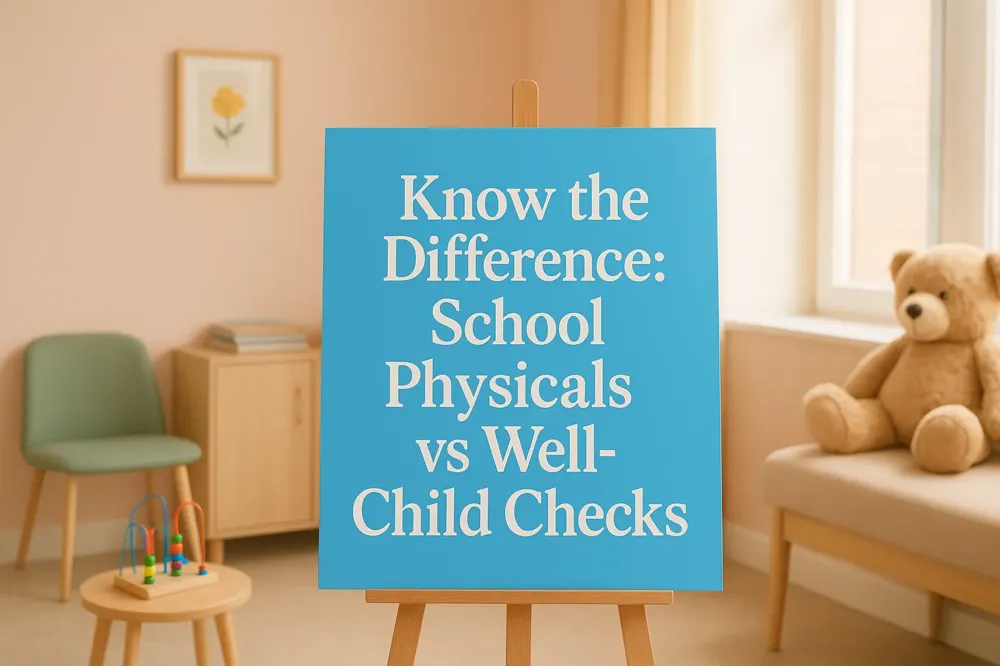
What is the difference between a school physical and a regular physical exam?
School Physicals Yearly] and [well-child visit] serve different but complementary roles in a child's healthcare. A school physical primarily evaluates a child's readiness and safety to participate in school activities, particularly sports. This exam focuses on specific health aspects such as vision, hearing, respiratory and cardiovascular fitness, and musculoskeletal condition. It often includes a review of medical history related to allergies, prior injuries, asthma, or heart conditions. However, school physicals usually do not provide comprehensive immunizations or address broader health concerns.
In contrast, a regular physical exam (often called a well-child visit] or annual check-up) is a comprehensive health assessment covering a wide range of areas. It includes growth and developmental milestone evaluations, immunizations, screenings for conditions like anemia and scoliosis, mental and emotional health evaluations, and guidance on nutrition, behavior, and safety. Regular physicals provide holistic preventive care and are crucial for tracking a child's overall health and wellness.
How do immunizations and health assessments differ between the two?
Immunizations are a vital component of School Physicals Yearly] and help ensure children meet school vaccination requirements. Many School Physicals Yearly] do review immunization records and may administer catch-up vaccines, but they are often focused narrowly on verifying compliance rather than delivering a full immunization schedule.
Annual physical examinations] also incorporate anticipatory guidance, developmental screenings, and behavioral health discussions that go beyond the narrow focus of school physicals. This comprehensive approach better supports the child's long-term growth and well-being.
What about sports physicals and their specific fitness evaluations?
[sports physicals for teens], sometimes combined with school physicals, specifically assess a child's physical readiness for athletic participation. These evaluations include checking balance, reflexes, flexibility, muscle strength, and cardiovascular function to minimize injury risk during sports. They often identify conditions like heart murmurs or asthma that may affect safe play.
While sports physicals for teens] are vital for student athletes, they do not replace regular health supervision. Healthcare providers often recommend scheduling sports and annual physicals together for continuity but clarify that insurance coverage may differ.
Are there insurance and scheduling considerations to keep in mind?
Insurance typically covers regular physical exams] as preventive care but may not cover sports physicals since these are considered separate evaluations focused on fitness for sports. Parents should verify coverage before scheduling.
Scheduling is also important — physicals should ideally be completed before the school year or sports season begins. Early appointments help avoid last-minute complications and ensure all required documentation and immunizations are up to date.
By understanding these distinctions, parents can ensure their children receive thorough health evaluations that meet both school physical overview] and comprehensive pediatric care needs.
Promoting Healthy Growth: Physical Activity and Emotional Well-being
What are the current physical activity guidelines for children and adolescents in the United States?
Children and adolescents aged 6 to 17 are recommended to engage in at least 60 minutes of moderate-to-vigorous physical activity every day. Most of this should be aerobic activities like walking, running, or swimming, with vigorous activities incorporated at least three days a week. In addition to aerobic exercise, children should perform muscle-strengthening and bone-strengthening activities, such as climbing or jumping, on three or more days each week. (Physical Activity Guidelines for Children)
For younger children aged 3 to 5, caregivers should encourage active play throughout the day to promote healthy growth and development. Incorporating physical activity into daily routines through organized sports, active play, and school programs fosters healthy habits from an early age. (Physical Activity Guidelines for Children
Why is physical fitness important for children?
Physical fitness supports children's healthy growth by strengthening muscles and bones, improving coordination, and enhancing cardiovascular health. It lowers the risk of chronic illnesses such as obesity and type 2 diabetes, while boosting immune function. (Benefits of Physical Activity
Regular exercise also benefits mental health by reducing stress, anxiety, and depression. It promotes better sleep quality and raises self-esteem. Physical activity encourages social skills like teamwork and cooperation through group sports and activities. (Physical Activity for Mental Health
Addressing mental health during physical exams
Annual physical exams for children and teenagers offer a chance to assess not only physical health but also emotional well-being. Pediatricians review sleep patterns, anxiety, attention issues, and behavioral concerns during these visits. Early identification of mental health symptoms helps initiate timely support and interventions, especially important during school transitions. (annual physical exams)
A holistic approach to child development and school readiness
Combining physical activity guidelines with regular health checkups ensures a well-rounded approach to a child's development. Annual exams monitor growth milestones and development, while promoting safe behaviors and vaccinations. Parents and healthcare providers can work together to encourage active lifestyles and emotional wellness to prepare children for successful school experiences and lasting healthy habits. (child development monitoring