Understanding the Role of Sports Physicals in Youth Athletics
Definition and Purpose of Sports Physicals
Sports physicals, also called preparticipation physical evaluations (PPE), are medical exams designed to determine if children and teens are healthy enough to safely participate in sports activities. They focus on assessing vital signs, musculoskeletal health, heart and lung function, and checking for any conditions that may increase the risk of injury.
Importance for Children and Teens
These exams help identify hidden health risks like heart conditions, asthma, or joint problems that may affect athletic performance or cause serious emergencies during sports. They also provide a chance to discuss injury prevention, nutrition, and mental well-being, supporting the overall health of young athletes.
Annual Requirement
Most schools and sports organizations in the U.S. require yearly sports physicals before participation. This annual check ensures ongoing fitness and detects any new or changing health issues that might impact safe play.
Differences From Regular Checkups
Unlike routine checkups, sports physicals specifically target readiness for physical activity and safety in sports rather than general health. They include specialized evaluations focusing on areas important to athletic performance and injury prevention.
Having a sports physical well before the season starts helps address concerns promptly, ensuring kids and teens can enjoy sports safely and confidently.
Comprehensive Health Assessment During a Sports Physical

What is a sports physical and why is it important for children and teens?
A sports physical, also called a pre-participation physical evaluation (PPE), is a medical exam that determines if a child or teen is healthy enough to safely participate in sports. It goes beyond a routine checkup by focusing on physical fitness as it relates to sports activities. This exam identifies unseen health risks such as heart murmurs, asthma, or joint problems that may put young athletes at risk during play. Additionally, providers use the opportunity to educate about preventing sports injuries, nutrition, and healthy lifestyle habits. Most schools and sports leagues in the U.S. require these physicals before allowing participation to ensure the safety of young athletes.
What typically happens during a sports physical exam for boys and girls?
During the exam, a healthcare provider assesses vital signs including blood pressure, heart rate, and oxygen saturation. They measure height and weight, check vision and hearing, and perform a physical examination of the heart, lungs, ears, nose, throat, abdomen, muscles, bones, joints, posture, flexibility, and strength. Medical history is carefully reviewed—this includes any chronic conditions like asthma or allergies, medication use, and prior injuries. For male teens, the exam may also include a check for hernias or testicular abnormalities if there is indication, but this is done respectfully and only when necessary. The goal is to ensure the young athlete is in optimal condition to participate safely and to catch any health conditions detected by sports physicals.
Are genital or private part exams performed during sports physicals?
Such exams are generally not part of a routine sports physical unless there is a specific medical reason to check for issues like hernias or tumors. Male adolescents might be examined specifically for inguinal hernias or testicular problems, but this is done considerately and only when risk factors or symptoms are present. Privacy is prioritized throughout all aspects of the exam.
Additional components of the exam
Sports physicals for student-athletes also include reviewing and updating immunizations to protect athletes from infectious diseases. Mental health screening in athlete evaluations—covering issues like anxiety, depression, or eating disorders—are often included to support emotional well-being. This comprehensive, confidential evaluation aims to keep children and teens safe while promoting their overall physical and mental health.
Scheduling sports physicals 6 to 8 weeks before the season begins allows for any necessary follow-up evaluations, treatments, or referrals, ensuring young athletes are fully prepared to play safely and confidently.
The Critical Timing and Frequency of Sports Physicals

At what age are sports physicals generally recommended for children?
[sports physicals for children], also known as pre-participation physical evaluations, are generally recommended starting around the age of six for children who participate in school or community sports. This early evaluation helps ensure children are healthy and physically prepared to safely engage in sports activities. While these exams are separate from routine well-child checkups, they focus specifically on the child's readiness for the demands of athletic participation.
Why do athletes need to have sports physicals annually?
Annual [sports physicals] are essential for athletes to confirm that they remain healthy and fit for their sports. Health conditions can develop or change over time, so yearly assessments allow early detection of potential issues such as cardiovascular concerns, asthma, or musculoskeletal injuries. These physicals also serve as an important opportunity to update vaccinations, provide injury prevention education, and discuss nutrition and mental health.
Importance of scheduling 4-8 weeks prior to season start
It is recommended to [schedule sports physicals] 4 to 8 weeks before the start of the sports season. This timing provides adequate opportunity to address any findings from the evaluation, such as additional testing or specialist referrals, without delaying participation. Early scheduling helps families and programs avoid last-minute issues that could prevent safe involvement in sports.
Rationale for yearly reassessment due to potential health changes
Because health status can change — potentially affecting safe sports participation — a yearly reassessment ensures ongoing fitness and safety. Changes like new injuries, the onset of asthma symptoms, or evolving heart conditions can be identified and managed promptly. This ongoing evaluation helps protect young athletes from serious health events and supports their ability to perform their best in sports. For more information on importance of sports physicals].
Health Risks Identified and Managed Through Sports Physicals
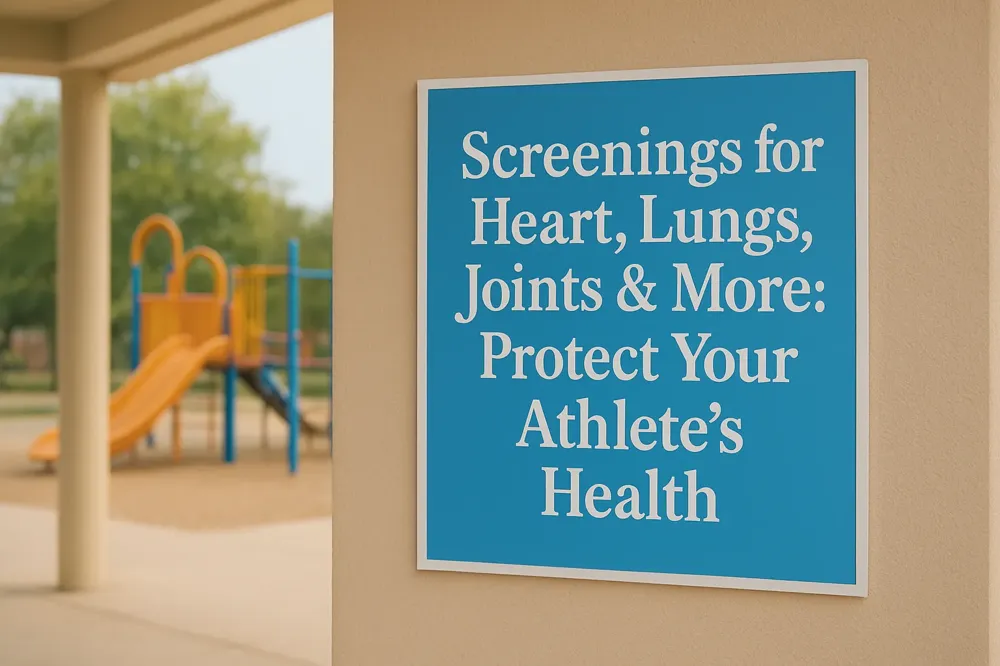
What Conditions Are Checked During Sports Physicals?
sports physicals play an essential role in safeguarding young athletes by screening for health conditions that could affect their ability to participate safely in sports. One major focus is detecting cardiovascular issues—including heart murmurs and risk factors like family history of heart disease or symptoms such as chest pain or irregular heartbeat. Identifying these can prevent serious events like sudden cardiac arrest.
In addition to heart health, physicals screen for respiratory conditions such as asthma, a common concern that requires management to avoid exercise-induced complications. Joint and bone problems, previous injuries, and musculoskeletal concerns are also evaluated to ensure athletes won't face limitations or injury exacerbation during activity.
Are Genetic and Mental Health Factors Considered?
Genetic screening is another important part, especially testing for sickle cell trait. Though often not life-threatening, sickle cell trait can increase risks of collapse or organ injury during intense exercise, making awareness vital.
Mental health is increasingly recognized during sports physicals, with screening tools assessing conditions like depression and anxiety. Female athlete-specific concerns—such as the female athlete triad involving energy availability, menstrual function, and bone health—are also addressed to support overall well-being.
What Happens If Health Concerns Are Found?
When abnormalities are detected, further testing like an electrocardiogram (EKG) may be recommended, along with specialist referrals for cardiology, pulmonology, or orthopedics. These follow-ups ensure personalized care and safe sports participation.
If an athlete fails the physical exam, participation may be delayed or come with restrictions until health issues are managed. The goal is always the athlete's safety and to provide the necessary support, whether through treatment or activity modification.
What Should a Sports Physical Exam Include?
A thorough sports physical exam checklist includes:
- Review of personal and family medical history
- Vital signs: blood pressure, heart rate, respiratory function
- Vision and hearing screening
- Cardiovascular examination, including auscultation for murmurs
- Musculoskeletal assessment: joint flexibility, strength, posture
- Neurological and concussion screening
- Screening for mental health and female athlete concerns
- Documentation of immunizations and medication use
- Guidance on injury prevention and hydration
These elements collectively ensure that children and teens are evaluated comprehensively to prevent injury and promote health during sports participation.
Physical and Emotional Benefits of Sports Participation and Education During Physicals
What are the physical benefits of participating in sports for children and teens?
Participating in sports offers children and teens a wealth of physical benefits. It improves cardiovascular health by strengthening the heart and lungs, enhances muscle strength and bone density, and promotes healthy weight management. Regular activity helps regulate blood pressure and blood sugar, lowering the risk of chronic illnesses like obesity and diabetes. Active kids also experience better brain function, including improved attention and memory, which can boost academic success. This foundation of fitness often leads to healthier habits and greater longevity in adulthood.
How do sports physicals promote injury prevention and nutrition education?
sports physicals for student-athletes do more than check fitness for playing; they are key moments to educate young athletes about injury prevention. Healthcare providers assess musculoskeletal health and give guidance on stretching, strengthening exercises, and proper training techniques to reduce injury risks. Nutrition talks during these exams highlight the importance of balanced diets, hydration, and fueling the body to perform well and recover properly.
In what ways do sports physicals support mental and emotional well-being?
Mental health screenings are integral parts of sports physicals for student-athletes. Providers discuss emotional well-being and stress common pressures athletes face, offering resources for anxiety, depression, or eating disorders. The supportive environment encourages open conversations about mental health, building resilience and confidence that benefit kids both on and off the field.
How do sports physicals help update immunizations to prevent communicable diseases?
Sports physicals for children appointments provide opportunities to update vaccinations essential for preventing contagious illnesses like measles, mumps, influenza, and more recently COVID-19. Keeping immunizations current safeguards not only the athlete but also teammates and the wider community by reducing disease spread within sports settings.
What guidance is provided on safe training, hydration, and protective gear?
Healthcare providers offer important advice on maintaining safe training regimens, including appropriate rest periods and gradually increasing exercise intensity. They emphasize proper hydration strategies to avoid heat-related illnesses. Additionally, providers recommend and sometimes require using protective equipment like helmets, mouthguards, and pads tailored to the sport, which are crucial for preventing serious injuries. See The Importance of Sports Physicals for more details.
Through comprehensive education during sports physicals for student-athletes, young athletes gain the knowledge and tools to enjoy the many physical and emotional benefits of sports while staying safe and healthy throughout their seasons.
Practical Considerations: Insurance, Scheduling, and Preparing for a Sports Physical
Are sports physical exams covered by insurance?
Sports physicals are typically not covered by health insurance because they are considered administrative requirements rather than medically necessary services. Insurance plans mainly cover treatments and exams related to illness prevention or management, and sports physicals fall outside this category. Coverage policies vary, so checking with your provider is recommended. Some schools or sports organizations may provide free or low-cost physicals, and many patients choose to pay out of pocket. Discussing payment options with your healthcare provider ahead of time can help avoid surprises.
How long does a typical sports physical take?
Typically, a sports physical takes about 20 to 30 minutes. The exam includes a review of your child’s medical history, a thorough physical evaluation including height, weight, blood pressure, vision, heart and lung checks, and assessments of joints and muscles. Your provider will discuss any health concerns related to sports involvement. If any issues are found, further testing or referrals may be necessary.
Recommended preparation and timing
To prepare, gather your child's medical history, current medications, allergy information, and vaccination records. Completing any required forms before the visit helps streamline the process. It is best to schedule the physical 4 to 8 weeks before the sports season starts, allowing time for follow-up tests or treatment if needed. See more on scheduling sports physicals.
Difference between sports physicals and regular checkups
Sports physicals differ from routine well-child visits. While well-checks cover growth, development, and immunizations, sports physicals focus on evaluating fitness for sports participation and identifying risks related to heart, lungs, musculoskeletal system, and injury prevention specific to athletic activities.
Where and by whom should sports physicals be performed?
For privacy and accuracy, sports physicals are ideally conducted in a medical office or clinic by a healthcare provider familiar with the child’s history, such as a pediatrician, family doctor, or sports medicine specialists. Mass physicals at schools or urgent care centers lack confidentiality and may miss important details.
Scheduling early and preparing well ensures your young athlete is cleared safely and ready for the upcoming season.
Promoting Safe, Healthy, and Enjoyable Sports Participation for Youth
Understanding the Importance of Sports Physicals
Sports physicals are essential health checks designed to ensure that children and teens are fit to participate safely in sports activities. These exams assess vital signs, heart, lungs, muscles, and joints, while also reviewing medical history to identify any risks such as heart conditions, asthma, or previous injuries. Detecting these issues early helps prevent injuries and serious complications during sports.
Why Annual Sports Physicals Matter
Parents are encouraged to schedule sports physicals annually, ideally 4 to 8 weeks before the sports season begins. Regular evaluations allow healthcare providers to monitor health changes, provide advice on injury prevention, nutrition, and offer tailored support to young athletes. Early detection and management of conditions ensure kids can enjoy sports safely.
The Role of Healthcare Providers
Healthcare professionals, including pediatricians and sports medicine specialists, play a crucial role in promoting athletic safety. They conduct thorough exams, address mental and emotional well-being, update immunizations, and recommend activity modifications if necessary. Providers also serve as trusted advisors, supporting athletes and families in making informed decisions.
Balancing Safety and the Benefits of Sports
Sports offer valuable physical, mental, and social benefits for youth. Sports physicals help strike a balance, safeguarding young athletes' health while enabling them to reap the full rewards of participation. With proper preparation and care, children can enjoy active, healthy, and fulfilling sports experiences.