Why Screen Time Matters for Your Child's Sleep
Screen use before bed can have a significant impact on how well children and teenagers sleep. According to the National Sleep Foundation, 58% of Americans look at screens within an hour of bedtime, a habit that can suppress melatonin and delay the onset of sleep. Sleep is essential for growth, learning, and emotional health, yet many children are not getting the recommended 9-11 hours they need.
The good news is that expert-backed strategies can help families restore healthy sleep patterns. At kidsandteenspc.com, we provide practical guidance on limiting screen time before bed and creating a calming wind-down routine tailored to your child's needs. Small adjustments can lead to restful nights and healthier days.
How Blue Light Disrupts the Body's Sleep Clock
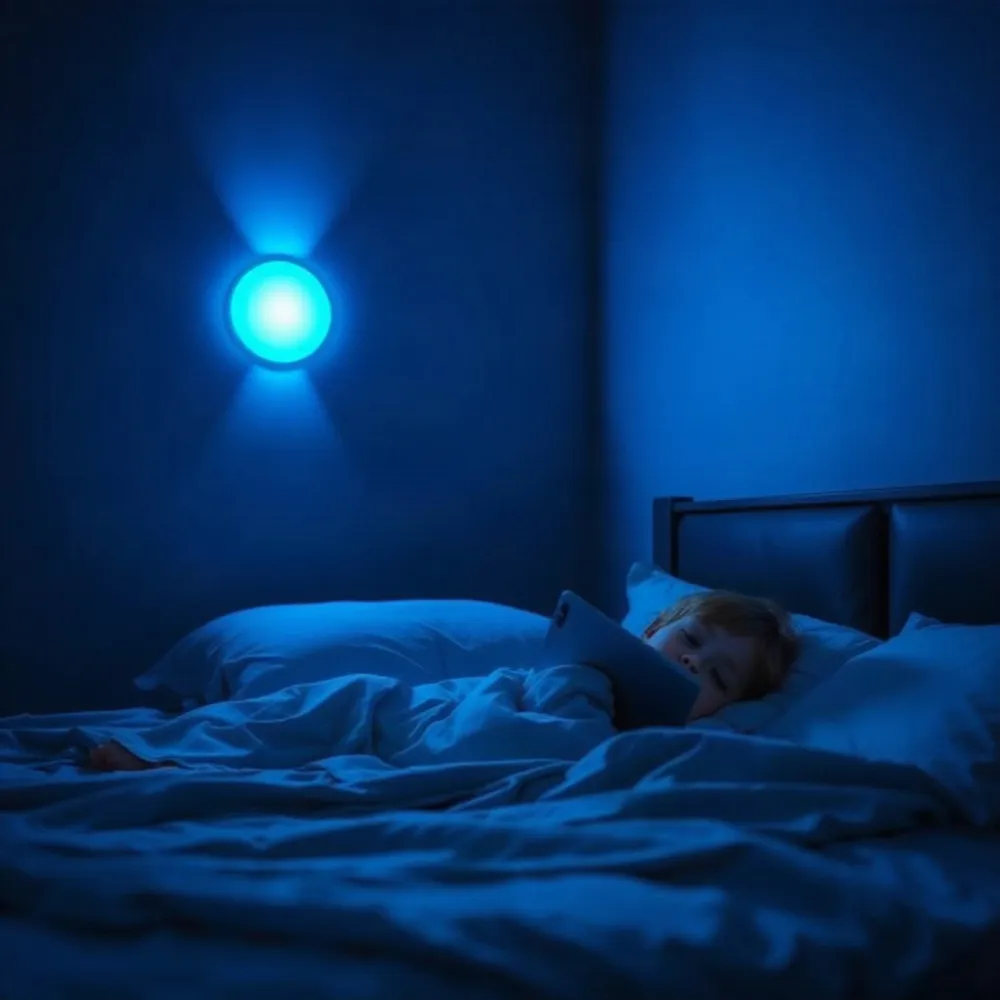 The main culprit behind screen-related sleep problems is blue light. Screens on smartphones, tablets, computers, and televisions emit short-wavelength blue light that mimics sunlight. This light signals the brain to stay alert and suppresses the production of melatonin, the hormone that tells the body it’s time to sleep.
Circadian rhythms are the body’s internal 24-hour clock. In the morning, exposure to natural light triggers the release of cortisol, which promotes wakefulness. When the sun goes down, the body normally ramps up melatonin to prepare for rest. Blue light at night tricks the brain into thinking it’s still daytime, delaying melatonin release and making it harder to fall asleep.
Children and teens may be especially vulnerable to this effect. Their pupils are larger and their eyes let in more light, so according to the National Sleep Foundation, evening blue light exposure can suppress melatonin twice as much in children compared to adults. This helps explain why screen time before bed is linked to later bedtimes, shorter sleep, and increased daytime sleepiness.
The interactive nature of screens also matters. Scrolling social media, playing video games, or responding to messages keeps the brain engaged and alert, making it even harder to wind down. Kids and Teens Primary Healthcare recommends limiting screen use at least one hour before bedtime and keeping devices out of the bedroom to protect natural sleep rhythms.
Practical Tips for Healthier Screen Habits
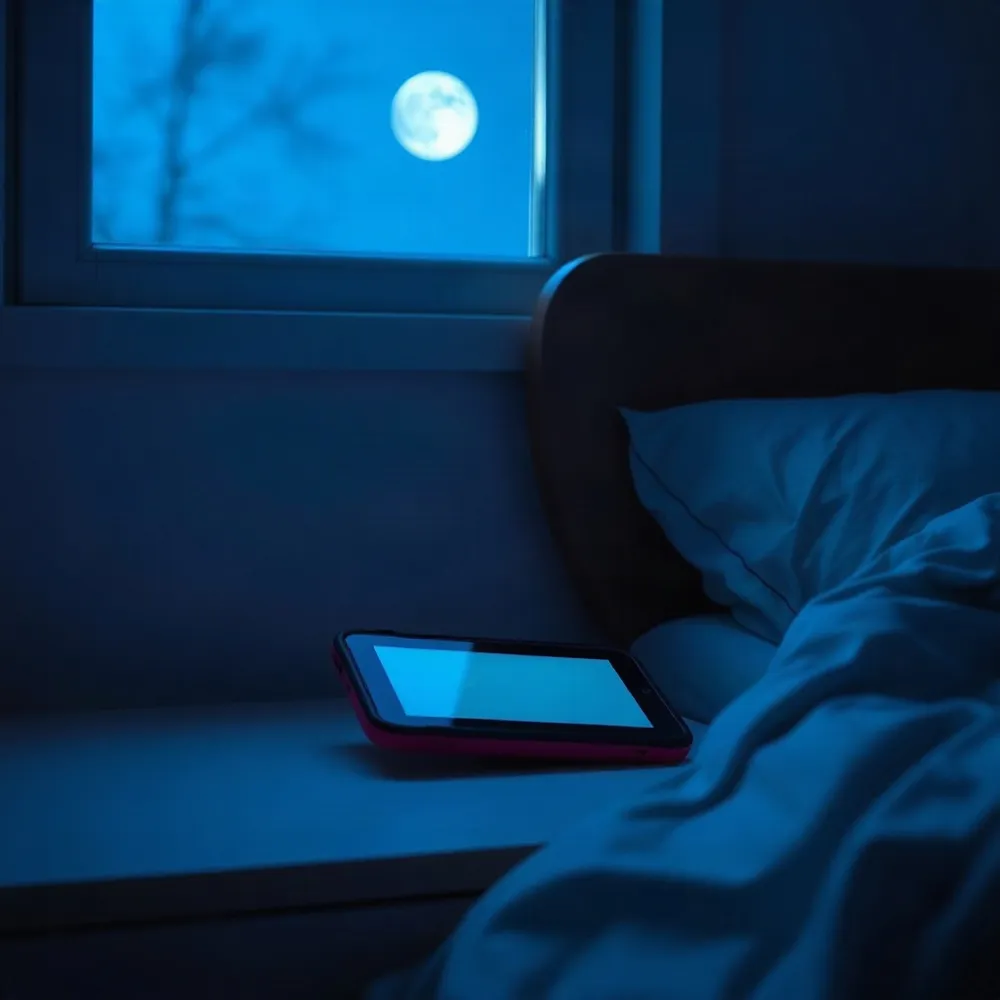 Setting a screen curfew is one of the most effective steps families can take. Health experts recommend turning off all screens at least one to two hours before bedtime to allow the brain to produce melatonin naturally and begin the wind-down process. The National Sleep Foundation's 2022 Sleep in America® Poll found that 58% of Americans looked at screens within an hour of sleeping, a habit linked to poorer sleep quality.
Charging phones and tablets outside the bedroom overnight removes the temptation to check notifications and prevents sleep interruptions from sounds or light. The American Academy of Pediatrics advises keeping screens out of the child's bedroom at night, a recommendation that aligns with the National Sleep Foundation's consensus statement on screen use and sleep health.
Use Night Mode and Blue-Light Filters
Activating night mode or blue-light filters on devices in the evening can reduce melatonin suppression. However, these features are not a substitute for an actual screen curfew, because interactive content can still stimulate the brain. A 2023 review in Sleep Health confirmed that higher screen use is associated with delayed bedtimes and shorter sleep duration in children and adolescents, regardless of the device settings.
Create a Family Media Plan with Clear Limits
A practical strategy is to develop a family media plan that sets daily screen time limits, identifies screen-free zones (such as the dining table and bedrooms), and establishes designated screen-free times each day. The AAP's Family Media Plan tool helps families create rules that work for their schedule. For children under 2, the recommendation is no screen time (except video calls), while children ages 2 to 5 should have no more than one hour of high-quality programming per day. For older kids, the focus shifts to ensuring that screen time does not replace sleep, physical activity, or social interaction.
The '10, 5, 3, 2, 1' rule offers a simple framework: stop caffeine 10 hours before bed, avoid large meals 5 hours before bed, finish homework 3 hours before bed, turn off all screens 2 hours before bed, and spend the final hour on relaxing, screen-free activities like reading or a warm bath. This structure helps train the body for consistent, high-quality sleep.
At Kids and Teens Primary Healthcare in Decatur, Georgia, we help families build these routines through well-child visits and personalized guidance. Our pediatricians work with parents to create screen plans that fit each child's age and developmental stage, addressing common concerns like excessive screen time and poor sleep habits.
Building a Consistent Bedtime Routine
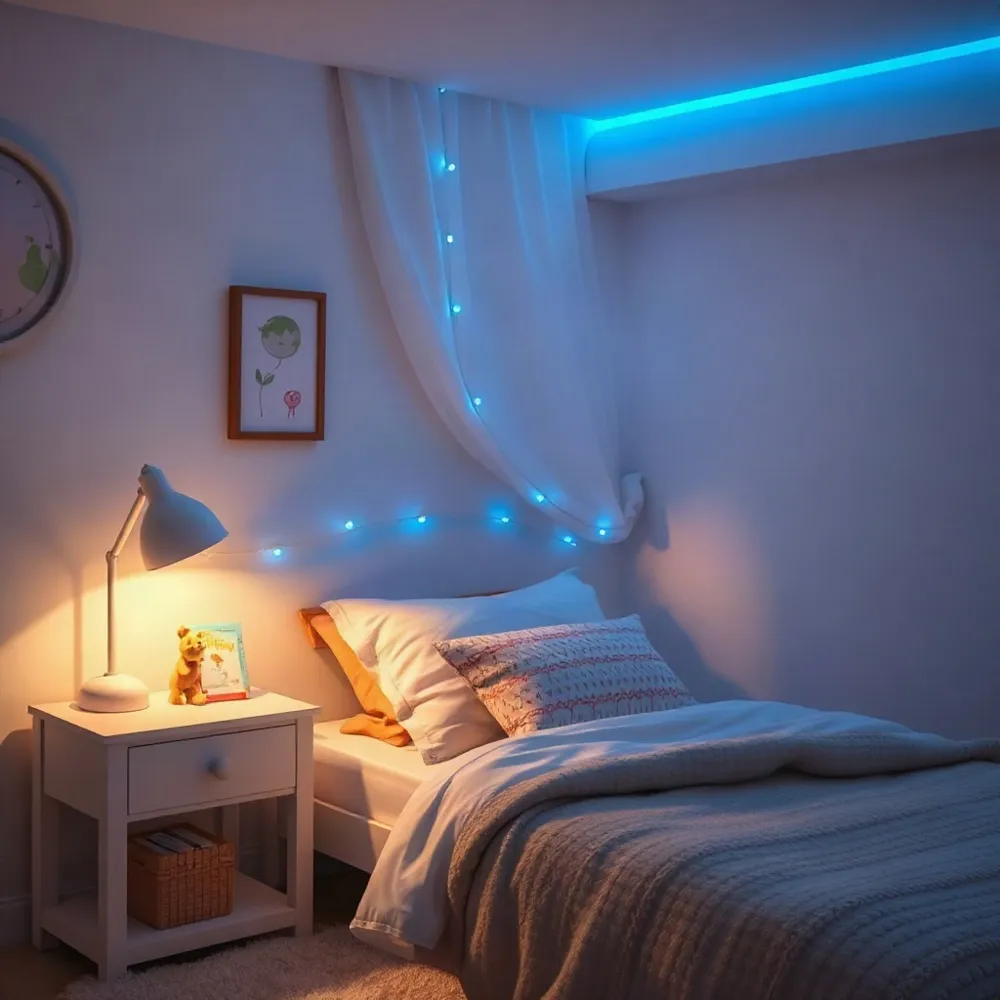 A calming wind-down period of 30 to 60 minutes is one of the most reliable tools for healthy sleep. During this time, the body begins to shift from alertness to rest, allowing melatonin—the sleep hormone—to rise naturally. The American Academy of Pediatrics recommends avoiding screens entirely during this window, as blue light and stimulating content can keep the brain wired and make falling asleep harder.
An effective wind-down routine can include a warm bath or shower, which raises body temperature slightly and then causes a natural drop that signals sleep. Reading a quiet book, listening to soft music, or practicing simple relaxation exercises like deep breathing also help. At Kids and Teens Primary Healthcare, pediatricians often advise families to keep these same calming activities from night to night so the child's body learns to expect rest.
Consistent bedtimes and wake times—even on weekends—are equally important. The body's internal clock, or circadian rhythm, relies on regularity to release melatonin at the right time. According to Seattle Children's Hospital, the change should be no more than two hours later on weekends. Sleeping in too much can disrupt the sleep cycle and make Monday morning feel like a jet-lagged start.
Sample Bedtime Routines by Age
| Age Group | Suggested Wind-Down Window | Example Routine |
|---|---|---|
| 3–5 years | 30 minutes | Warm bath, story, lullaby |
| 6–12 years | 30–60 minutes | Shower, reading, quiet music |
| 13–18 years | 60 minutes | No screens, light snack, journaling |
For younger children, a set sequence—bath, pajamas, one story, then lights out—builds predictability. For teens, the same principle applies: dim the house lights, put the phone in another room, and spend the last hour reading or listening to calm music rather than scrolling social media. The National Sleep Foundation notes that electronics in the bedroom make it harder to fall asleep and leave children feeling less rested the next day.
Natural sleep can be encouraged without relying on supplements. A small, protein-rich snack like yogurt or a banana, and a warm, caffeine-free drink such as chamomile tea, can help the body relax. Daytime physical activity—at least 30 minutes of moving—also promotes deeper sleep at night. If sleep problems persist after trying these changes for a few weeks, consulting a pediatrician can rule out underlying issues such as sleep apnea or anxiety.
Addressing Special Situations: Toddlers, ADHD, and Co-sleeping
While general screen-time rules apply to most children, certain situations call for additional strategies. Toddlers, children with ADHD, and families navigating co-sleeping each face unique challenges that require tailored approaches to sleep hygiene.
Screen-Free Rules for Babies and Toddlers
For infants and toddlers, the American Academy of Pediatrics recommends avoiding all screen time (except video calls) for children under 18 months. Their developing brains are especially sensitive to blue light and overstimulation. A toddler's bedroom should remain a screen-free zone, with caregivers setting the example by keeping their own devices out of sight during wind-down routines. Instead, use calming activities like board books, lullabies, or gentle rocking to signal bedtime.
Helping Children with ADHD Wind Down
Children with attention deficit hyperactivity disorder (ADHD) often find it harder than their peers to settle at night, and screen use can worsen this struggle. The stimulating content and blue light from devices can further delay the release of melatonin and keep an already active mind racing. Establishing a consistent, screen-free bedtime routine one to two hours before bed is critical. Incorporate relaxation techniques such as deep breathing or progressive muscle relaxation, and ensure the bedroom is quiet, dark, and cool. Also discuss medication timing with a pediatric provider, as stimulant medications taken late in the day can interfere with falling asleep.
Encouraging Independent Sleep in Older Children
By age seven, most children are developmentally ready to sleep in their own bed through the night. While co-sleeping is a personal family choice, pediatric experts note that it often leads to fragmented sleep for both parents and children, and may make it harder for a child to develop healthy self-soothing habits. A gradual approach can ease the transition: pair a consistent bedtime routine with a transitional object (like a favorite stuffed animal), and use positive reinforcement to encourage independent sleep. For older children, a bedtime of 7:30 to 8:30 PM is typically recommended to ensure they receive the 9–11 hours of sleep needed for healthy development.
Every family's situation is different. At Kids & Teens Primary Healthcare, our pediatric providers can help tailor a sleep plan that works for your child's specific needs, whether they involve ADHD, co-sleeping transitions, or setting age-appropriate screen limits.
Teen Sleep: Navigating Biology and Screens
During the teenage years, a natural shift in the body's internal clock pushes bedtime later. This delayed circadian rhythm, combined with early school start times, makes it hard for many teens to get the 8 to 10 hours of sleep they need each night. Screen use late in the evening adds another obstacle — blue light from phones and tablets suppresses melatonin, while social media and games keep the mind alert, making it harder to fall asleep. The result is a cycle of sleep loss that affects mood, focus, and school performance.
Teens who keep phones or other devices in the bedroom are more likely to experience insomnia and daytime sleepiness. Setting a personal screen curfew — turning off all screens at least one hour before bed — and charging devices outside the bedroom can make a real difference. Replacing late-night scrolling with calming activities such as reading or listening to music helps signal the body that it is time to wind down.
Parents can support these habits by keeping screens out of teens' bedrooms and talking about the consequences of sleep deprivation. One serious risk is sleep-deprived driving — teens are at the highest risk for falling asleep at the wheel, especially during afternoon commutes. Kids and Teens Primary Healthcare encourages families to make sleep a shared priority, using consistent routines and open conversations to help teens build healthier habits that benefit both their health and safety.
The Role of Parents in Modeling Healthy Habits
Children and teenagers learn sleep habits by watching the adults around them. When parents scroll through phones or watch television late into the evening, that behavior signals that screen time is acceptable close to bedtime. According to the National Sleep Foundation's 2022 Sleep in America Poll, 58% of adults look at screens within an hour of bed — the same habit that disrupts their children's sleep. Setting a family rule that devices power down at least an hour before sleep benefits everyone.
Engaging in screen-free activities together reinforces the message that relaxation does not require a device. Board games, evening walks, reading, or listening to music as a family help bridge the gap between a busy day and rest. The American Academy of Pediatrics recommends making evening screen time a family activity that ends at least one hour before bedtime, choosing relaxing or funny content rather than action-packed games or movies.
Talk About Why Sleep Matters
Open conversation helps children connect sleep habits to how they feel. Explain that blue light from screens tricks the brain into thinking it is still daytime, making it harder to fall asleep. The Michigan State University Extension notes that a 2023 review in Sleep Health linked higher screen use to delayed bedtimes, shorter sleep duration, and poorer sleep quality in children and adolescents. When children understand that their body needs sleep to grow, learn, and regulate emotions, they are more likely to accept limits.
Creating a family media plan together turns screen rules from mandates into shared goals. The AAP Family Media Plan helps families set screen-free times, daily limits, and tech-free zones such as the bedroom. Children and teens are more willing to follow rules they helped design. Kids and Teens Primary Healthcare recommends keeping smartphones and tablets outside the bedroom overnight to remove temptation, a strategy that works for parents and children alike.
If sleep difficulties continue despite these efforts, it may be time to seek medical attention. A pediatrician can evaluate for sleep disorders or other health issues that may be affecting your child's rest.
| Strategy | Why It Works | How to Start |
|---|---|---|
| Model screen-free bedtime | Children copy behavior; parents set the example | Charge devices outside bedroom; read a book instead |
| Family screen-free activities | Reduces overall screen exposure; strengthens bonds | Schedule game night or evening walk daily |
| Open conversation about sleep | Builds buy-in and understanding | Explain how blue light affects melatonin |
| Family media plan | Creates shared rules rather than imposed limits | Use AAP Family Media Plan tool together |
Small Changes Lead to Restful Nights
Introducing a screen curfew, building a calming bedtime routine, and modeling healthy habits at home can gradually improve a child's sleep. The National Sleep Foundation encourages parents to make small day-and-night adjustments that work for their family.
If sleep problems continue despite these changes, a pediatrician can help rule out conditions such as obstructive sleep apnea or provide guidance on sleep hygiene. The care team at kidsandteenspc.com offers personalized advice for families who need extra support.