Fever in Perspective
A child’s fever can worry any family, especially when the thermometer shows a number that seems high. Yet fever often accompanies the body’s response to infection and is not automatically a sign of serious illness. A reading of 100.4°F or higher is generally considered a fever, though the threshold depends on how the temperature is measured, according to Nemours KidsHealth.
The temperature is only one part of the picture. A child’s age, alertness, behavior, ability to drink and urinate, and other symptoms all help determine how urgently to seek care. Fever in a young infant calls for a different response than fever in an older child, while trouble breathing or difficulty waking needs prompt attention at any age. At Kids & Teens Primary Healthcare in Decatur, Georgia, pediatric care is available for children and young adults from birth through age 21.
This guide explains how to check a temperature, when to call a pediatric clinician or seek emergency care, and how to support a child safely at home. It offers general guidance, not a diagnosis; contact your child’s healthcare provider when you are concerned or unsure what to do.
Recognizing a Fever Accurately
 A warm forehead can raise concern, but touch alone cannot confirm a fever. A reading of 99.1°F by itself is usually not a fever. For a rectal measurement, a temperature of 100.4°F (38°C) or higher generally counts as a fever; the threshold differs by method, with lower cutoffs for oral and underarm readings. See Nemours KidsHealth’s guide to fever for method-specific thresholds.
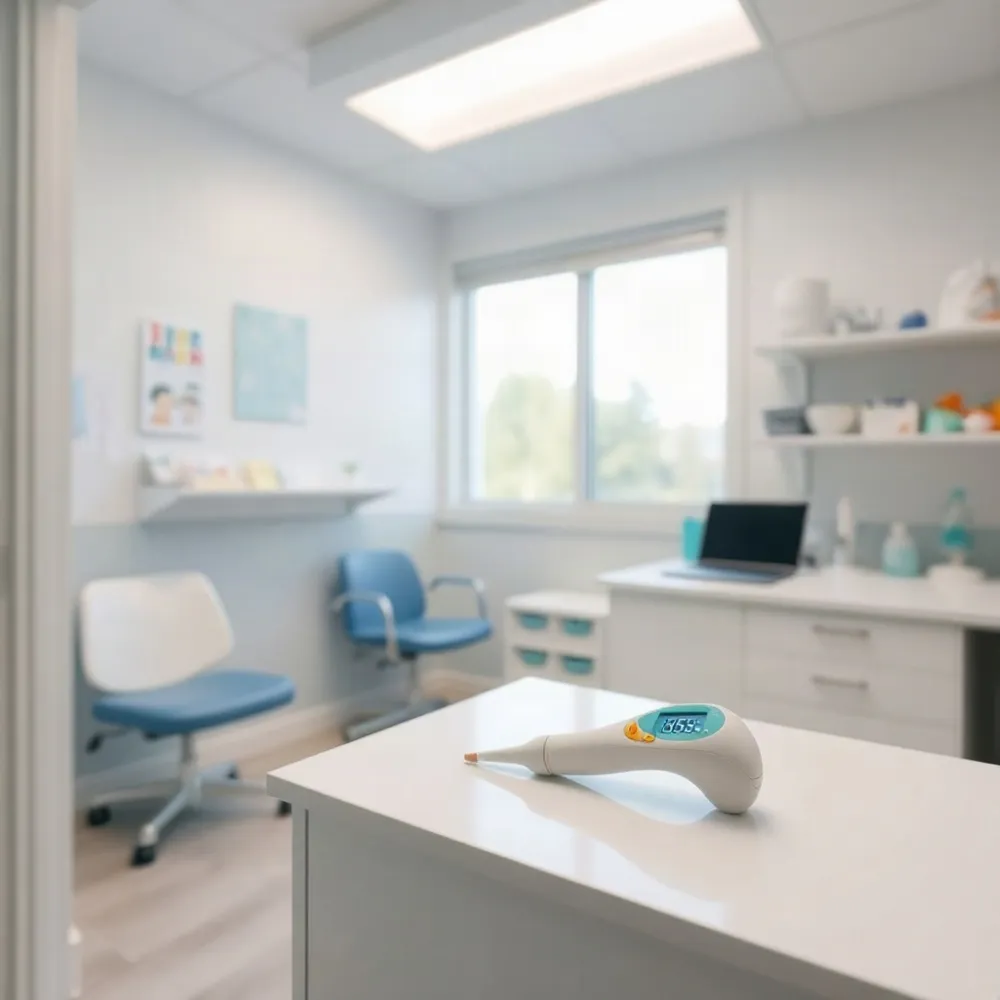
Use a digital thermometer and follow its instructions. The best method depends on your child’s age and ability to cooperate. Rectal readings are especially useful for young infants, while an older child who can hold the thermometer correctly may be able to take an oral reading. Underarm readings can be convenient, but may be less accurate. If you are unsure how to measure or interpret a temperature, ask your child’s healthcare provider.
Temperature can naturally shift over the course of a day, so consider how it was measured and how your child is acting. A fever may be the first or only noticeable sign of illness, with other symptoms appearing later. Keep an eye on breathing, drinking, urination, and behavior, and seek medical advice if your child seems worse or you are concerned.
For a baby younger than 3 months, a rectal temperature of 100.4°F (38°C) or higher needs prompt medical attention. [Kids & Teens Primary Healthcare’s fever guidance by age](https://www.kidsandteenspc.com/blog/fever-guidelines-by-age-when-to-call-the-doctor) offers further context; the practice provides newborn care and sick visits for children and teens.
Age Changes the Urgency
Age Changes the Urgency
A child’s age changes how quickly a fever needs attention. For a baby younger than 3 months, a temperature of 100.4°F (38°C) or higher needs prompt medical evaluation, even if the baby otherwise seems well. This age-specific threshold is reflected in the American Academy of Pediatrics’ infant fever guidance.
Contact the baby’s clinician right away. If you cannot reach them or arrange prompt assessment, go to an emergency department rather than relying on urgent care. A young infant can have a significant infection without obvious symptoms, so do not wait to see whether the temperature rises further.
For older children, the thermometer reading is only part of the picture. Notice whether your child is alert, interacting, drinking, and maintaining normal skin color. If the fever comes down, whether they seem more comfortable and responsive can also help you describe their condition to a clinician. These observations are useful, but they do not replace medical advice when you are concerned. The American Academy of Pediatrics’ guidance on when to call recommends prompt contact for children who appear very ill, unusually drowsy, or very fussy.
Children with immune-system problems, significant chronic conditions, or medicines that affect immunity may need individualized advice as soon as they develop a fever. Families receiving care at Kids and Teens Primary Healthcare can contact their pediatric team for guidance tailored to the child’s health history; the practice provides care for children and young adults from birth through age 21.
When to Call the Pediatrician
A fever’s duration matters, but it is not the only reason to seek advice. Call your child’s healthcare provider if the fever lasts more than a few days, your child is getting worse, or you are concerned. A fever lasting four to five days warrants prompt medical advice, but there is no single duration rule for every child. Age, behavior, other symptoms, and how the illness is progressing all matter.
Contact a doctor promptly if a baby younger than 3 months has a temperature of 100.4°F (38°C) or higher. Call the same day if your child reaches 105°F (40.6°C), or if an infant has a fever above 102°F (38.9°C) lasting more than two days without a clear cause. American Academy of Pediatrics guidance emphasizes prompt advice for young infants and children who look very ill.
Seek advice sooner if your child refuses or cannot drink, urinates much less than usual, has repeated vomiting or diarrhea, develops a rash, or reports a sore throat, earache, or pain when urinating. A chronic health condition, including one that affects the immune system, is another reason to contact the clinician promptly. Kids & Teens Primary Healthcare provides pediatric sick visits for children and young adults, so families can seek an assessment when symptoms raise concern.
Trouble breathing, a stiff neck, severe pain, confusion, extreme weakness, or signs of dehydration need urgent medical attention. For more age-based guidance, see fever guidelines by age. If you are unsure how quickly your child needs care, call the healthcare provider rather than relying on the temperature alone.
Emergency Signs Need Immediate Action
 A child’s symptoms can call for emergency care at any temperature. Do not wait for a higher reading if your child is struggling to breathe, has blue or gray lips or skin, is difficult to wake, seems confused or unresponsive, or has a seizure. A stiff neck, severe pain, or inability to move normally also needs immediate attention. These warning signs matter more than the number on the thermometer.
Seek urgent evaluation for a rash that does not fade when pressed, severe agitation, or signs of severe dehydration, such as very little urine, a very dry mouth, no tears, or extreme sleepiness. Pediatric emergency warning signs include breathing problems, unusual drowsiness, seizures, and other symptoms that should not be managed by watching the fever at home. A baby younger than 3 months with a temperature of 100.4°F (38°C) or higher needs prompt medical evaluation; see the AAP’s infant fever guidance.
Call 911 or go to an emergency department for life-threatening symptoms. If your child looks seriously ill, act now rather than waiting for the temperature to rise or for other symptoms to appear. For concerns that are not an emergency, Kids & Teens Primary Healthcare provides sick visits for children and young adults from birth through age 21. Its guidance on when a fever is dangerous also outlines signs that call for immediate care.
Comfort and Fluids at Home
Home care should focus on helping your child rest and stay hydrated, not on forcing the thermometer back to a normal reading. Offer frequent drinks such as water, soup, an oral electrolyte solution, or ice pops. Fever can increase fluid loss, so notice whether your child is urinating regularly.
A reduced appetite is common during illness. If your child is drinking and urinating normally, eating less for a while is generally less concerning than refusing fluids. Let them rest as needed, and dress them in lightweight, comfortable clothing. A light blanket can help if they feel chilly, but avoid bundling them or using heavy covers.
Fever medicine is usually meant to ease discomfort, rather than simply lower the temperature. If your child seems comfortable, medicine may not be needed. When medicine is appropriate, follow the product directions or your clinician’s instructions for your child’s age and weight. Nemours KidsHealth also advises against giving ibuprofen to babies younger than 6 months and says not to give aspirin to children unless a doctor specifically directs it. Do not alternate medicines unless your child’s clinician recommends that plan. Seek medical advice before giving fever medicine to a very young infant. Nemours KidsHealth fever guidance.
Avoid ice-water baths and rubbing alcohol, which can be harmful or make a child shiver. A comfortable room, light clothing, fluids, and rest are safer ways to support recovery. There is no need to wake a sleeping child solely to give fever medicine. For families in Decatur, Kids and Teens Primary Healthcare provides pediatric sick visits and care for children and young adults through age 21, so caregivers can discuss symptoms and an appropriate care plan with a pediatric provider.
Home care is not a substitute for medical guidance when a child is very young or appears seriously ill. Contact a pediatrician promptly for a fever in a baby under 3 months, or seek urgent advice if your child has trouble breathing, a seizure, signs of dehydration, unusual sleepiness, a temperature above 104°F, or a fever lasting more than 3 days. The American Academy of Pediatrics guidance on fever also advises prompt contact when a child looks very ill or is unusually drowsy.
Watch the Whole Child
 A thermometer gives only part of the picture. Notice whether your child is alert and interacting, breathing comfortably, drinking, and urinating as usual. Also watch for changes such as repeated vomiting, a new rash, or increasing discomfort.
For children past early infancy, playing, drinking, and becoming more comfortable as the fever falls can be reassuring signs, though they do not rule out illness. A child who seems unusually drowsy, looks very ill, drinks poorly, or gets worse after the fever eases should receive medical advice. The American Academy of Pediatrics guidance on when to call also advises prompt contact when a child appears very ill or unusually sleepy.
At Kids & Teens Primary Healthcare in Decatur, pediatric care spans newborns through young adults, so clinicians can consider a child’s age and health history when families have concerns. General fever guidance cannot identify the cause or replace advice tailored to your child. Contact your child’s pediatrician if you are unsure what changes mean or what care is appropriate.
Trust Concern and Seek Guidance
When deciding what to do about a fever, consider your child’s age, symptoms, and overall behavior together. If you are unsure whether a symptom needs attention, call your child’s healthcare provider and describe what you are seeing.
A fever in a baby younger than 3 months needs prompt medical evaluation. At any age, trouble breathing, a seizure, difficulty waking, or other severe symptoms call for immediate care. The American Academy of Pediatrics’ infant fever guidance explains why assessment of very young infants follows specific clinical guidance.
General online advice cannot account for your child’s health history or current condition. At Kids & Teens Primary Healthcare in Decatur, families can seek pediatric care for children and young adults from birth through age 21, including sick visits and treatment for common childhood conditions. Follow your clinician’s guidance for your child, and seek emergency help when warning signs are present.