Care That Starts With a Conversation
Pediatric telehealth gives children, teens, and caregivers a way to discuss health concerns with a provider remotely, often by video. It can make it easier to start a conversation about a mild illness or follow-up question without first traveling to a clinic.
A virtual visit is not right for every concern, and it does not replace an office examination when one is needed. The American Academy of Pediatrics’ telehealth guidance emphasizes deciding with the clinician whether remote care suits the child’s situation. Symptoms, the provider’s assessment, and the services a practice offers all matter.
At Kids & Teens Primary Healthcare in Decatur, Georgia, children and young adults from birth through age 21 receive care for a range of health needs, including sick visits and preventive care. Contact the practice to ask which appointment format is available and appropriate for your child.
What a Pediatric Telehealth Visit Offers
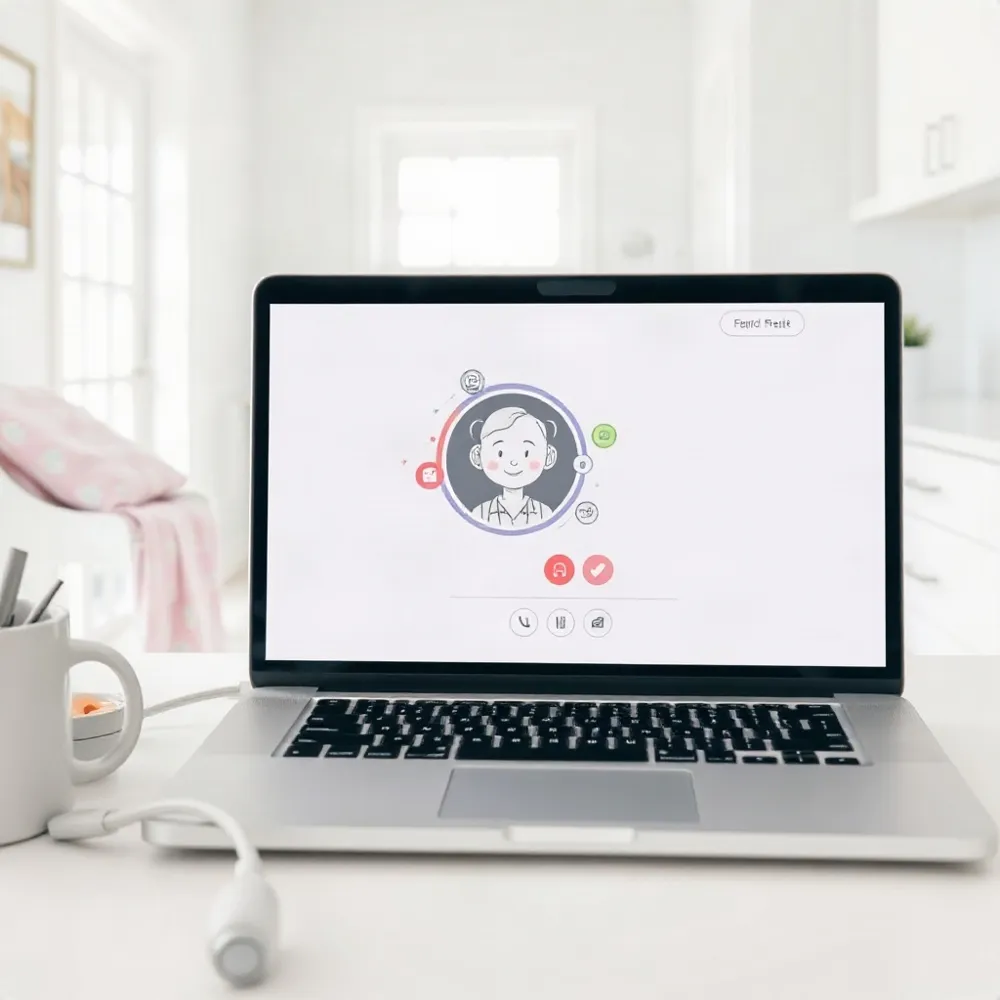
 A pediatric telehealth visit is an appointment held remotely, usually by video and sometimes by phone. A child or teen and caregiver can speak with a healthcare provider without traveling to the office. Whether this option is available and suitable depends on the practice and the child’s concern.
During a visit, the provider may ask when symptoms began, review relevant health history, and observe the child. Families can describe what they have noticed and raise questions. The provider may offer guidance or discuss possible next steps, but a remote conversation does not guarantee a diagnosis or treatment.
A clinician may recommend an in-person examination or follow-up if the child needs a physical assessment, testing, or care that cannot be provided remotely. The American Academy of Pediatrics’ telehealth guidance advises clinicians and families to decide together whether a remote visit is appropriate.
This is general information about pediatric telehealth, not confirmation of the availability, technology, scheduling, or policies of Kids & Teens Primary Healthcare in Decatur. Contact the practice directly to ask whether a remote visit is an option for your child and what type of appointment best fits the concern.
Concerns That May Suit Remote Care
Telehealth may be a convenient way to discuss mild concerns, such as cold symptoms, and ask what to watch for or do next. The clinician can listen to a caregiver’s observations, ask about when symptoms began, and consider the child’s health history. That conversation can help the family decide whether home care, an office appointment, or another service is the right next step.
A virtual appointment may also support follow-up conversations and some ongoing health needs, including chronic conditions that are not worsening and behavioral or mental health concerns. The American Academy of Pediatrics describes these as possible uses, while emphasizing that families and clinicians should decide together whether remote care fits the child’s needs in a particular situation (AAP telehealth guidance.
Kids & Teens Primary Healthcare provides pediatric care for children and young adults through age 21, including sick visits and care for conditions such as asthma. Families can discuss a concern with the practice and ask which type of appointment is appropriate; the suitability of telehealth depends on its available services and the clinician’s judgment.
A remote conversation cannot provide every examination, test, or treatment. A clinician may recommend an in-person visit if the child needs hands-on assessment or further evaluation. Research on pediatric visits also finds that telemedicine can be useful without replacing office care in every case, so families should seek urgent or emergency help for severe or rapidly worsening symptoms rather than wait for a virtual appointment (2024 pediatric telemedicine study.
Preparing Your Child and Your Space
 A little preparation can help your child feel more comfortable and give the clinician a clearer picture of what is going on. The American Academy of Pediatrics’ telehealth preparation guidance recommends working with families to decide whether a remote visit suits the child’s needs.
Does a child need to be present for a telehealth visit?
Usually, yes. A child or teen should be awake and available so the provider can speak with them and observe what is relevant. A caregiver should join too, especially for younger children. Some consultations can take place without the child, and the clinician may suggest sending photos or videos beforehand if the child may not cooperate on camera. Confirm attendance expectations with the practice when scheduling.
How can families prepare for a pediatric telehealth appointment?
Confirm the appointment and follow the practice’s joining instructions. Test the camera, microphone, speakers, internet connection, and any required link or app in advance. Contact the office if you need technical help.
Choose a quiet, private, well-lit space where your child can be comfortable. Keep medications, relevant health information, completed forms, and questions nearby. Tell the practice ahead of time if you need an interpreter or disability accommodation, and ask whether the concern is suitable for telehealth. Kids & Teens Primary Healthcare provides care for children and young adults from birth through age 21, so families can ask the practice about the visit format and preparation requirements that fit their child.
Knowing When an Office Visit Matters
 A video visit lets a clinician talk with your family, review your child’s history, and observe visible symptoms. It cannot provide a hands-on examination. At an office visit, the clinician can examine your child directly and arrange care that requires being there, such as testing, imaging, immunizations, or a procedure. The right setting depends on the concern and what the clinician needs to assess.
An in-person appointment may be advised when symptoms are severe, getting worse, or difficult to assess clearly on video. It may also be necessary when a physical examination, laboratory work, imaging, or other hands-on care is needed. If you are unsure which type of appointment to choose, contact your child’s healthcare provider for guidance. Kids & Teens Primary Healthcare provides pediatric care for children and young adults from birth through age 21, including sick visits and immunizations; families can ask the practice which appointment format fits their concern.
Research also shows why a remote visit should not be treated as a guarantee that no office assessment will be needed. A 2024 observational study of pediatric primary care appointments found that in-person follow-up within seven days was more common after video and telephone visits than after in-person visits. The study describes an association, not proof that telehealth caused the difference, and it does not establish which visit type is right for an individual child. The study in JAMA Health Forum supports the practical point that virtual care can be followed by an office visit when further assessment is needed.
For trouble breathing, bluish lips, unresponsiveness, or other severe or rapidly worsening symptoms, seek emergency care immediately rather than waiting for a telehealth appointment. Telehealth is not a substitute for emergency evaluation.
Telehealth Complements Preventive Care
Telehealth can support a child’s ongoing care, but it does not replace routine well-child visits or appointments that require an examination, vaccines, measurements, screenings, or other hands-on services. The American Academy of Pediatrics’ telehealth guidance notes that clinicians may recommend in-person care for immunizations, well-child visits, and situations requiring tests.
Regular well-child appointments give a clinician the chance to track growth and development, review health concerns, and provide preventive care suited to a child’s age. For families in Decatur, Kids & Teens Primary Healthcare provides well-child checkups alongside services such as immunizations and newborn care, supporting care across childhood and adolescence.
Ask your child’s provider which concerns may be discussed remotely and which appointments should happen in person. Research on pediatric telemedicine likewise describes it as a useful care option, not a universal substitute for office visits (study in JAMA Health Forum).
The right visit type depends on your child’s needs and what the clinician must assess. Contact the practice to confirm its current telehealth options and whether a particular appointment can be handled remotely.
Choose Care Around the Child
Telehealth can make it easier to discuss some minor concerns, but it is not the right fit for every child or situation. If symptoms are severe or an emergency may be occurring, seek emergency care. A clinician can help decide when an in-person assessment is needed.
Caregivers unsure which visit type to choose can contact the child’s practice to ask what is appropriate and what options are currently available. The American Academy of Pediatrics’ telehealth guidance also emphasizes making that decision with the clinician.