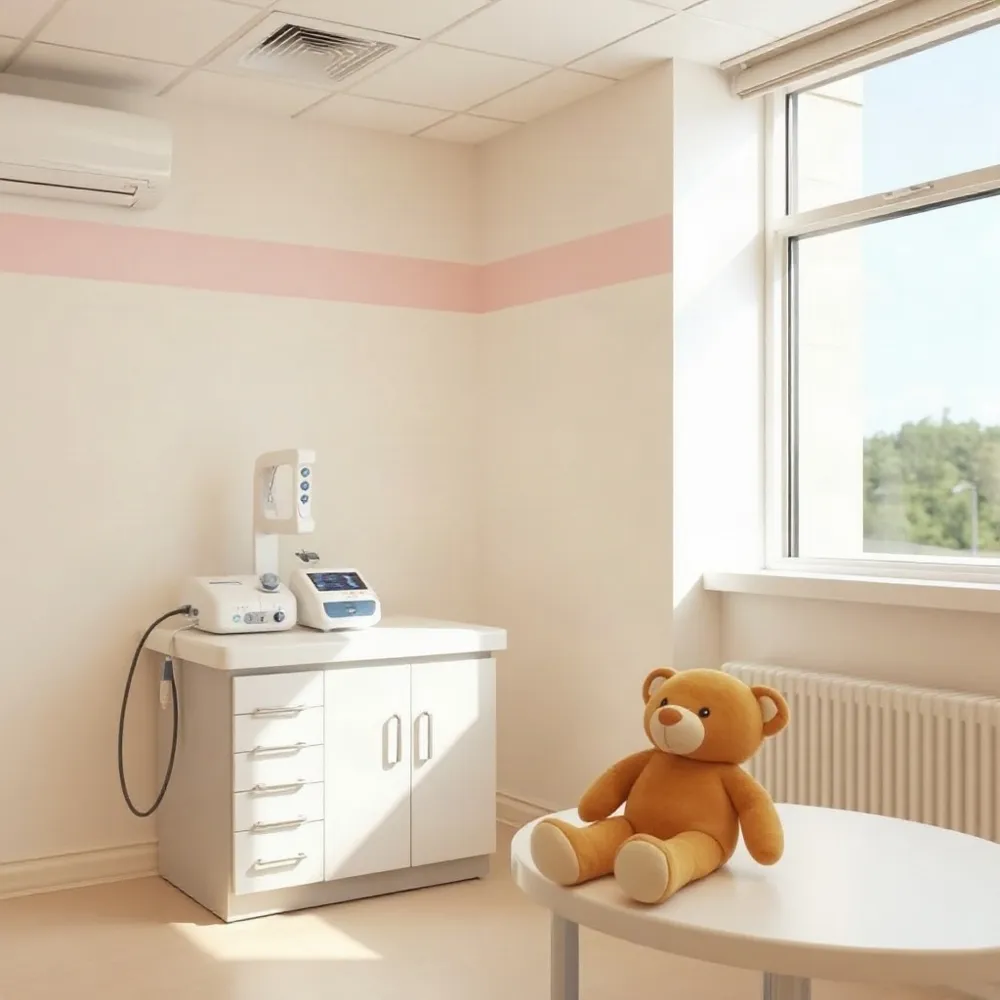
Partnering for Your Child's Health
A well-child visit is a routine checkup designed to monitor a child's growth, development, and overall well-being, even when they are not sick. These appointments form the foundation of preventive pediatric care, allowing healthcare providers to detect potential health issues early, administer recommended immunizations, and offer guidance on nutrition and safety.
Each visit typically includes a complete physical exam, age-appropriate screenings (such as hearing, vision, and developmental checks), immunizations, and a conversation about the child's eating habits, sleep patterns, and behavior. The American Academy of Pediatrics (AAP) has developed a detailed schedule of screenings and assessments, known as the periodicity schedule, which guides providers from infancy through adolescence.
Regular well-child visits also foster a team approach between the pediatrician, parent, and child. This consistent partnership creates a strong, trusting relationship that supports the child's optimal physical, mental, and social health. At Kids and Teens Primary Healthcare, the care team works with families to tailor these visits to each child's unique needs, ensuring that every appointment is both thorough and reassuring.
The following sections will walk through what families can expect at each stage, from the first visit in the newborn period through yearly checkups up to age 21.
The Well-Child Visit: A Foundation for Lifelong Health
 A well-child visit is a scheduled preventive checkup for a child from birth through age 21, designed to monitor growth, development, and overall well-being even when the child is not sick. These visits are just as important for healthy children as for those who are ill, providing a structured opportunity to catch potential health issues early and promote lifelong wellness.
During each visit, a pediatrician performs a complete physical exam, measuring height, weight, and head circumference to track growth against standardized charts. Hearing and vision screenings are also common. The American Academy of Pediatrics recommends a specific schedule of well-child visits that includes 12 visits in the first three years alone, followed by annual visits through age 21.
Developmental surveillance happens at every visit, with formal screenings at 9, 18, and 30 months and autism-specific screening at 18 and 24 months. This structured approach helps providers identify concerns early and connect families with resources when needed. Parents are encouraged to bring a list of their top three to five questions about sleep, eating, behavior, or milestones.
Well-child visits differ from sick visits in purpose and scope. A sick visit is an unscheduled appointment focused on diagnosing and treating acute symptoms like fever or ear pain. A well-child visit, by contrast, is longer (typically 20 to 45 minutes) and emphasizes prevention through immunizations, anticipatory guidance on nutrition and safety, and a thorough check of physical, emotional, and social health.
Under the Affordable Care Act, well-child visits are classified as preventive care. Health insurance plans, including those from the Marketplace and Medicaid, must cover one well-child visit per year at no cost when families use an in-network provider, with no copayment or deductible. This makes regular checkups accessible for every family.
At Kids & Teens Primary Healthcare, we follow the complete AAP periodicity schedule, offering these comprehensive checkups from the first week of life through age 21. Our team ensures each visit is a partnership focused on your child's long-term health and development.
From Newborn to Toddler: The Early Years Schedule
The first three years of life are a period of incredibly rapid development. To support this growth, the American Academy of Pediatrics (AAP) recommends a total of 12 well-child visits during this time, far more than in any other stage. This frequent schedule ensures that potential issues are caught early and that parents receive constant guidance on nutrition, safety, and developmental milestones.
The Infant Visit Schedule: Birth Through 12 Months
The journey begins soon after birth. According to the AAP's Bright Futures periodicity schedule, infants should be seen at the following ages: within the first week (3 to 5 days old), and then at 1, 2, 4, 6, 9, and 12 months. These visits are packed with essential preventive care. Infants receive a series of critical immunizations, including DTaP, Hib, PCV, Rotavirus, IPV (polio), and the first doses of Hepatitis B and MMR (after the first birthday).
Doctors also perform key screenings during this window. A blood lead level screening is recommended between 6 months and 6 years for children at high risk of lead exposure. The AAP also recommends screening mothers for postpartum depression at the 1, 2, 4, and 6-month visits, ensuring the whole family's well-being is supported.
Toddler and Preschool Visits: 15 Months to 3 Years
As children become more mobile and independent, the focus of well-child visits shifts to supporting their growing social skills and ensuring physical safety. The recommended schedule includes visits at 15, 18, 24 (2 years), 30 (2.5 years), and 36 months (3 years). At these appointments, the pediatrician continues to track growth and administer needed vaccines, such as the second dose of Hepatitis A (at 18 months) and a booster for DTaP, Hib, and PCV (at 15 months).
These visits are also a prime time to discuss anticipatory guidance. Pediatricians provide advice on SIDS prevention, proper car seat use (keeping children rear-facing until age 2), limiting screen time, and the benefits of continued breastfeeding. By age 3, the visit transitions to an annual check-up, where topics like potty training, picky eating, and kindergarten readiness become central to the conversation.
School-Age Checkups: Ages 4 Through 10
Once your child turns 4, the pace of well-child visits shifts from several times a year to a once-a-year schedule. These annual appointments remain essential for supporting your child's health as they enter structured learning environments and develop more independence.
What to Expect During the Visit
For school-age children, the checkup becomes increasingly comprehensive. The pediatrician will perform vision and hearing screenings, check blood pressure, and calculate body mass index (BMI) to track growth patterns. The American Academy of Pediatrics (AAP) recommends developmental surveillance at each visit, with formal screenings to check for conditions like amblyopia, a vision problem that usually appears before age 5.
This is also the period when important booster immunizations are administered. At the 4 to 6-year visit, children typically receive boosters for DTaP (diphtheria, tetanus, and pertussis), IPV (polio), Varicella (chickenpox), and MMR (measles, mumps, and rubella). Keeping these vaccines current is a straightforward way to prevent common childhood illnesses.
Guidance for Growing Families
Anticipatory guidance during these years covers a wide range of topics. At Kids & Teens Primary Healthcare, pediatricians discuss school readiness, the importance of physical activity (the AAP recommends at least 60 minutes of active free play daily), and safety measures like proper bike helmet and seatbelt use. Screen time limits, healthy eating habits, and injury prevention are also standard parts of the conversation.
As children grow, the child becomes more involved in the conversation. Your pediatrician will ask about school performance, social skills, and emotional well-being. This helps build trust and makes the child feel more comfortable discussing their own health.
For school-age children, a yearly physical is often required by law to attend school for the first time and is typically needed annually for sports participation. These visits are covered under the Affordable Care Act as preventive care, meaning your health insurance plan must cover one well-child visit per year with no copay.
| Age | Key Screenings & Vaccines | Guidance Topics |
|---|---|---|
| 4-5 years | BMI, vision, hearing; DTaP, IPV, Varicella, MMR boosters | School readiness, bike safety, screen time, 60 min play |
| 6-10 years | Annual growth check, blood pressure, BMI | Healthy eating, physical activity, social skills, injury prevention |
Teens and Preteens: Visits at 11 Through 18
 The preteen and teen years bring rapid physical, emotional, and social changes. Annual well-child visits from ages 11 through 18 help young people handle these transitions while staying on track with growth, immunizations, and mental health. These appointments also build a trusting relationship with a pediatrician that supports independence and informed decision-making.
Vaccinations at 11–12 and the 16-Year Booster
The 11- or 12-year well-child visit is a major immunization milestone. Providers give the TDaP booster (tetanus, diphtheria, pertussis), the MCV (meningococcal conjugate) vaccine, and the first dose of the HPV (human papillomavirus) series. At age 16, a second MCV booster is recommended to maintain protection against meningococcal disease during the late-teen years.
What the Visit Covers
Each annual visit includes a physical exam that tracks height, weight, and blood pressure. Vision and hearing screenings are updated, and the provider reviews growth patterns on standardized charts. Beyond the physical, these appointments are a dedicated space to address topics that matter most to adolescents: puberty, mental health (including depression, anxiety, and eating disorders), substance use, stress, sleep habits, and risky behaviors.
Confidentiality and Adolescent Rights
At age 12, adolescents may consent to their own medical care for substance use without needing parental permission. The 21st Century Cures Act further protects the confidentiality of adolescent health information. Many teens feel more comfortable asking personal questions when they know these rights apply, and providers can offer private time during the visit to discuss sensitive topics.
Building a Foundation for Young Adulthood
Regular annual checkups during these years create a habit of preventive care that carries into adulthood. At Kids and Teens Primary Healthcare, the same provider sees the teen year after year, fostering continuity and trust. This relationship makes it easier to catch health issues early, discuss life changes, and transition smoothly to adult care after age 18.
The Final Milestone: Care from 19 to 21 and Beyond
 The well-child visit schedule does not end when a child becomes a legal adult. According to the AAP Schedule of Well-Child Care Visits, annual checkups are recommended through age 21. At Kids & Teens Primary Healthcare, we follow this guideline, continuing to provide care for patients from birth through that final milestone.
These late-adolescent visits shift focus from basic growth tracking to transition planning. Topics include driving safety, college or vocational preparation, and building independence in healthcare decisions—such as understanding one's own medical history and managing prescriptions. The pediatrician also screens for mental health, discusses substance use, and reinforces healthy nutrition and exercise habits.
After age 21, the patient transitions to a primary care provider for adults. Making the most of these final well-child visits ensures a smooth handoff, supporting a young adult's physical, mental, and social health as they move into the next stage of life.
A Lifelong Commitment to Prevention
Well-child visits are the foundation of preventive pediatric care from birth through age 21. By following the AAP-recommended schedule, families build a consistent partnership with their pediatrician. At Kids and Teens Primary Healthcare, each visit is a chance to monitor growth, catch health issues early, and offer guidance tailored to each stage of life.
Bring a list of your top three to five questions about sleep, nutrition, behavior, or development. These regular checkups do more than prevent illness — they create healthy habits that last a lifetime. Schedule your child's next visit and make prevention a priority today.