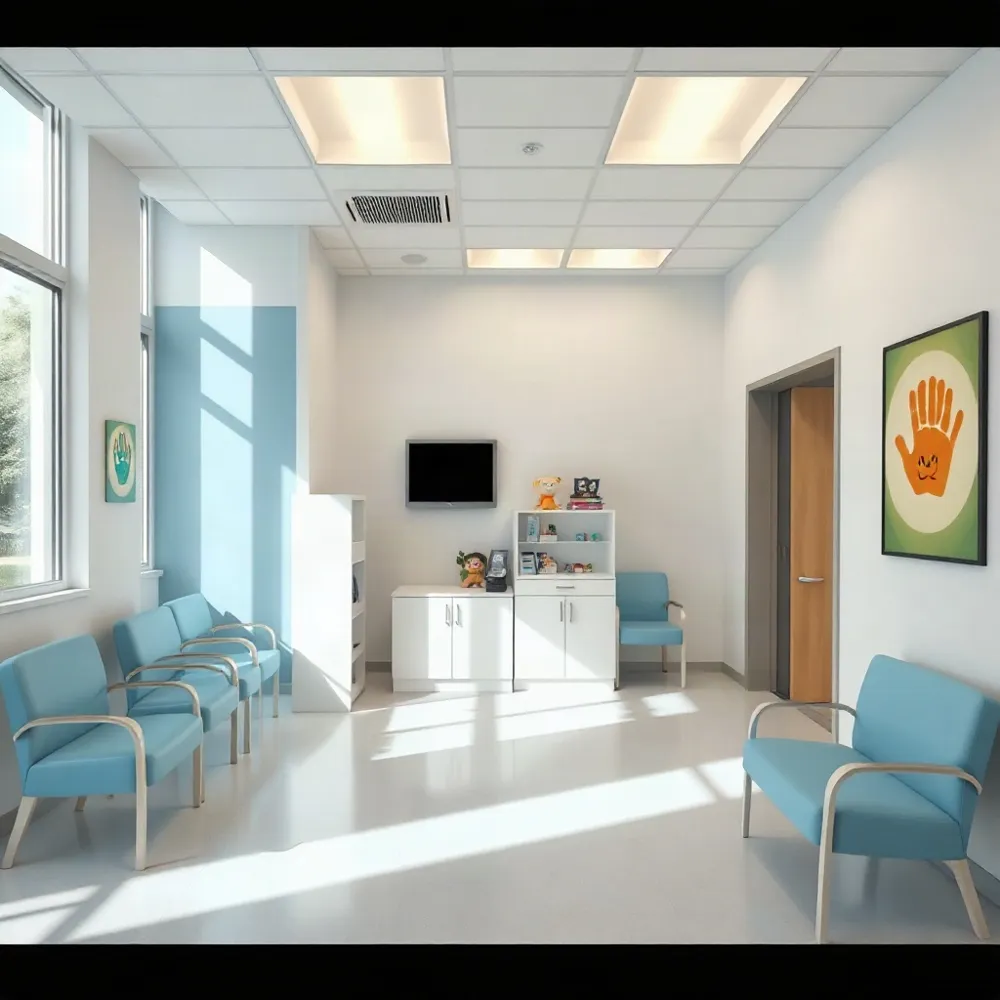
Understanding Responsive Pediatric Care for Your Family
Finding a reliable medical home is essential for navigating the health journey of children and young adults from birth through age 21. Unlike general practitioners, pediatricians at Kids & Teens Primary Healthcare possess specialized training dedicated entirely to the unique physical, emotional, and developmental needs of youth Pediatric Primary Care | Children's Healthcare of Atlanta.
When sudden illness strikes, access to timely care is vital. While some families might turn to local urgent care centers, Kids & Teens Primary Healthcare offers a superior alternative through dedicated same-day appointments. By choosing your established primary care team, you ensure your child is treated by professionals who already know their full medical history, allergies, and chronic conditions When to Go to a Pediatric Urgent Care Center or ER. This continuity prevents the fragmented care often found at walk-in clinics and fosters a trusting, long-term relationship.
Proactive communication is the foundation of this partnership. Whether you are managing a minor fever or have concerns about new symptoms, always have your child's basic information and current medication list ready A Parent's Guide to Calling The Doctor. Establishing this consistent connection early helps protect your child’s health during every stage of their growth.
Differentiating Well-Child Checkups from Acute Sick Visits
 A medical home provides a foundation for children and teens to grow healthily from birth through age 21. Understanding when to use different types of medical appointments ensures your child receives the most appropriate level of care.
What is the purpose of a sick visit versus a well-child checkup?
A well-child checkup is a proactive, scheduled appointment focused on tracking your child’s physical, emotional, and developmental growth over time. During these visits, providers monitor milestones, provide essential immunizations, and offer guidance on nutrition and safety. In contrast, a sick visit is designed to address specific, acute health concerns such as fever, injuries, or sudden illnesses that require prompt medical evaluation. While well visits help prevent future health issues, sick visits are for diagnosing and treating immediate symptoms to help your child recover quickly. Both types of appointments are essential components of comprehensive, family-centered care for your child or teen.
Your pediatric primary care team understands that illness does not follow a predictable schedule. We provide both routine wellness monitoring and urgent sick care, ensuring that even when unexpected symptoms arise, your child is seen by a provider familiar with their medical history. Unlike some general urgent care centers, your primary care office maintains records of past health concerns, immunizations, and chronic conditions to create more accurate and personalized treatment plans.
Consistent access to your primary care team helps avoid unnecessary visits to emergency departments for minor ailments. Whether you need to track developmental growth or require immediate guidance for a sudden fever, keeping your care within a dedicated pediatric practice supports better overall health outcomes and continuity for your family.
The Vital Role of Same-Day Pediatric Appointments
 When sudden illness strikes, families need prompt, reliable medical guidance. A same-day sick appointment is a medical visit designed to address new or unexpected non-life-threatening symptoms, such as fevers, earaches, rashes, or persistent coughs. These visits are vital because they allow your child to be evaluated by a provider who is already familiar with their medical history and developmental needs. Unlike a visit to a generic urgent care facility where your child is treated by a provider unfamiliar with their records, Kids & Teens Primary Healthcare offers personalized care that takes your child's full background into account.
Choosing a primary care office for acute needs helps avoid unnecessary stress and long wait times often found in emergency rooms. Pediatric primary care serves as a dedicated medical home that understands the nuances of children's health. While generic urgent care centers are an option for some, a dedicated pediatric office provides a familiar, compassionate setting. If you feel nervous about your child's condition, trusting your intuition is essential. Per A Parent's Guide to Calling The Doctor, if you have concerns about symptoms like labored breathing or dehydration, communicate these directly to your physician to determine if an in-office visit is required.
Securing a same-day visit ensures your child receives prompt treatment to prevent minor issues from escalating. By calling our office in Decatur early in the day, you can often secure a time slot that fits your family's needs. If you are uncertain about whether a child's condition requires immediate attention, most offices can provide guidance via an on-call service or advice line to help you decide between a visit, home care, or a trip to an emergency department. Always keep your child's basic information and symptoms ready to help us provide the most effective support.
Identifying Behavioral Signs and Symptom Management

What are common behavioral signs that a child may be sick?
Common behavioral changes that may indicate your child is feeling unwell include unusual lethargy, fatigue, or a noticeable lack of interest in play and typical daily activities. You might also observe increased irritability, frequent crying, or significant changes in appetite and sleep patterns. While some emotional shifts are a normal part of development, persistent disruptions in how your child thinks, feels, or behaves may warrant professional attention. Because young children often struggle to express exactly how they feel, it is important to trust your instincts if something seems off. If these changes interfere with your child's ability to function at home or school, please contact our team at Kids & Teens Primary Healthcare for a compassionate evaluation and the support your child needs.
When should I take my child to the doctor for common illnesses like colds, coughs, or fevers?
You should contact your pediatrician if your child's cold or cough symptoms show no improvement after seven to ten days or if they seem to be getting worse. Per A Parent's Guide to Calling The Doctor, infants 3 months of age or younger require immediate attention for a fever of 100.4°F or higher. For older children, seek care if you notice signs of respiratory distress, such as rapid breathing or wheezing, or if any fever persists for more than three days. Additionally, reach out if you observe signs of dehydration, such as decreased urination or a dry mouth. Always err on the side of caution and consult our office if you are worried about your child's comfort.
Should I let my sick child sleep all day or night?
When your child is sick, rest is essential because it allows their body to focus energy on fighting off illness and repairing itself. While sleeping more than usual is a normal part of the recovery process, monitor their condition closely by waking them periodically to offer fluids and light, nourishing snacks, which are vital for preventing dehydration. If your child seems unusually difficult to rouse, appears excessively lethargic, or shows signs of dehydration, contact your pediatrician for guidance. Trust your parental instincts, and if you are ever concerned about their level of sleepiness, reach out to our team at Kids & Teens Primary Healthcare for professional advice.
What are some practical tips for helping a sick child at home?
To help your child feel more comfortable, prioritize rest and hydration while keeping their room well-ventilated but not drafty. Pediatric primary care providers often recommend listening to your child regarding their comfort, whether they prefer resting in bed or on the sofa, and offering extra emotional support through quiet activities like reading. Keep in mind that a sick child's attention span will be shorter, so choose easy, familiar activities. For nutritional concerns, focus on fluids first and offer food only when they express an interest. Most importantly, trust your instincts and contact your healthcare provider if you are concerned about your child's symptoms or if they show signs of serious illness.
Knowing When to Seek Emergency or Urgent Care
Deciding where to take your child when they are sick requires knowing the difference between routine concerns and true emergencies. Pediatric primary care providers are the most appropriate first point of contact for common illnesses, checkups, and vaccinations during standard office hours, as they possess specialized training in the emotional and physical needs of children.
When is it appropriate to take a sick child to urgent care or the emergency room instead of the pediatrician?
Always prioritize your pediatrician for non-emergency illnesses, as they have the best understanding of your child's medical history. You should seek emergency room care immediately for life-threatening situations such as severe breathing difficulties, seizures, uncontrollable bleeding, head trauma, or sudden changes in mental status. Infants younger than 2 months with a fever of 100.4°F or higher require immediate evaluation at an emergency department.
Urgent care is an appropriate option for mild to moderate concerns that arise after hours, including minor cuts needing stitches, suspected sprains, or persistent fevers that occur outside the typical office day. However, be aware that specialized pediatric urgent care is often better equipped for children than general adult facilities. When in doubt, call our office first; we are here to provide guidance on the most appropriate level of care for your child's specific needs. Always trust your intuition and mention if you feel particularly nervous about your child's condition.
Building a Foundation for Pediatric Care Early
Establishing a pediatric primary care relationship starts well before your child's first illness. Many families find success by scheduling a prenatal visit during the third trimester, which offers a valuable opportunity to meet the medical team and ensure their philosophy aligns with your family goals.
How can I prepare for my baby's pediatrician care before they are born?
Preparing for your baby's arrival starts by scheduling a prenatal visit with a pediatric office during your third trimester. This appointment allows you to meet the providers, ask questions, and ensure their care philosophy aligns with your family's values. During this time, you can also handle important administrative tasks, such as verifying insurance coverage and completing new patient registration forms. Familiarizing yourself with the practice's policies, such as office hours, after-hours care, and vaccination guidelines, will give you peace of mind before the baby arrives. Establishing this relationship early ensures you have a trusted medical partner ready to support your newborn's health from day one.
At Kids & Teens Primary Healthcare, we help families manage these initial steps by providing clear guidance on practice registration and insurance verification. By choosing a medical home early, you avoid the stress of searching for a provider during an emergency, ensuring your child receives consistent, informed care from birth through age 21.
Commitment to Your Child's Ongoing Health and Recovery
Prioritizing your child's health means acting quickly when symptoms arise. Prompt medical evaluation ensures your child receives accurate, age-appropriate treatment that fosters faster recovery and minimizes disruption to daily routines. Unlike generic urgent care clinics, choosing a dedicated medical home provides continuity of care from providers who already know your child's complete health history.
At Kids & Teens Primary Healthcare, we are dedicated to supporting your family through every health milestone. Our practice in Decatur, Georgia, offers same-day appointments and urgent sick care to address sudden concerns when you need us most. You can easily schedule an appointment through Zocdoc or by calling our office directly. We are here to partner with you in maintaining your child's long-term wellness, ensuring they receive the specialized attention they deserve from birth through age 21.