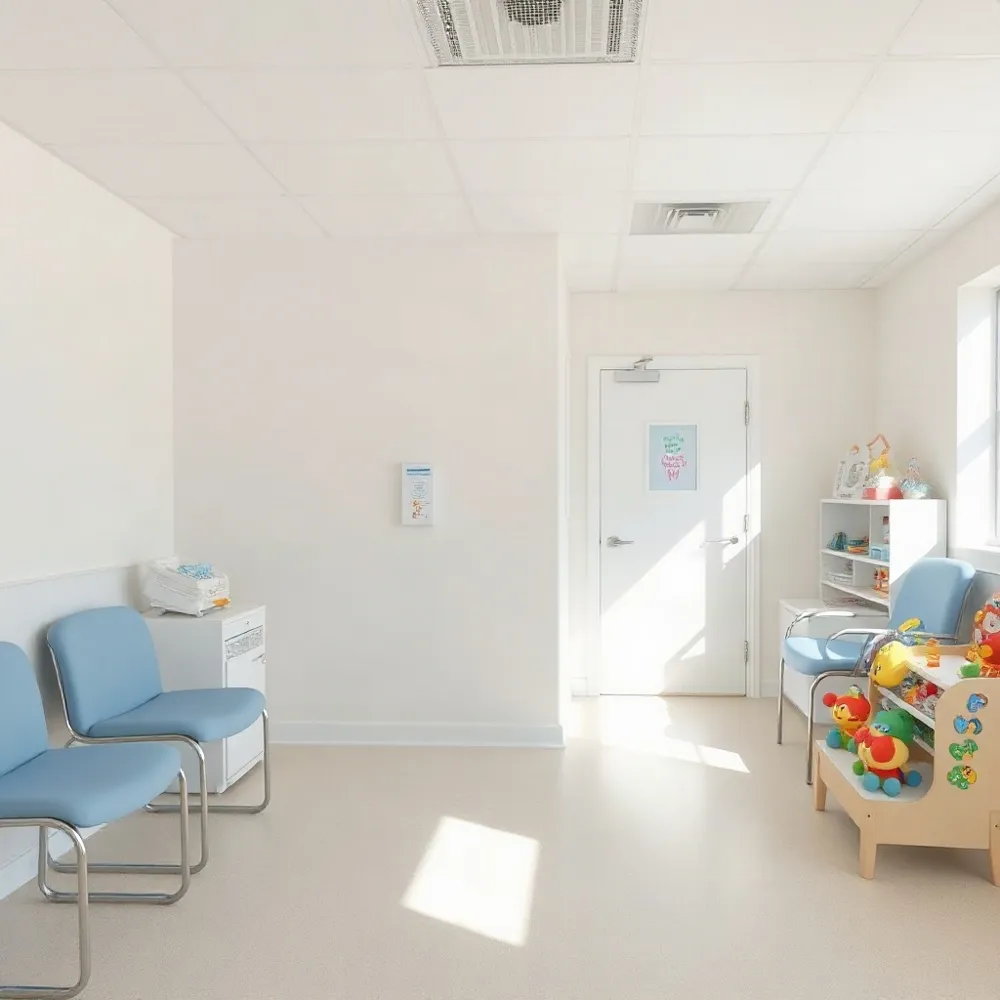
Prevention Starts Before A Child Gets Sick
Preventive care is regular health support, not just treatment when a child feels ill. Well-child visits give families and clinicians time to check growth and development, discuss concerns, and plan age-appropriate care. The AAP well-child visit schedule covers childhood through young adulthood.
At Kids & Teens Primary Healthcare in Decatur, Georgia, preventive care includes well-child checkups, immunizations, and guidance on children’s health. Regular visits and timely vaccines may help prevent some illnesses, while early attention to concerns can support appropriate follow-up.
These steps cannot prevent every emergency or replace emergency services. Federal guidance connects recommended well-child care with timely immunizations and recognition of developmental concerns, but it does not establish a specific reduction in emergency-room visits. Seek emergency care when a child has serious or rapidly worsening symptoms.
What Well-Child Visits Can Cover
 Preventive care supports a child’s health as they grow and can help identify concerns before they become more serious. A well-child visit is a chance to review progress over time, even when a child feels well.
The clinician may review the child’s health history and caregiver concerns, perform a physical exam, and measure height and weight. Other checks depend on age and health needs. The AAP well-child visit schedule describes recommended visits and assessments from infancy through young adulthood.
Developmental and behavioral surveillance can help identify possible concerns and guide follow-up. Vision and hearing screenings may also be recommended at appropriate ages. The clinician can review immunization records, discuss vaccines that may be due, and arrange further screening or evaluation when needed. Kids & Teens Primary Healthcare provides well-child checkups, immunizations, and care for children and young adults through age 21.
Families can raise questions about nutrition, physical activity, sleep, safety, oral health, behavior, and emotional well-being. Bringing concerns to the visit helps the clinician tailor advice to the child and family. The Medicaid well-child care guidance describes checkups as an opportunity for screenings, caregiver education, referrals, and ongoing health management.
What a visit covers varies with age, development, medical history, and family concerns. A preventive appointment is not a substitute for care when a child is sick or needs attention for an ongoing condition; mention those concerns when scheduling so they can be addressed appropriately.
Keeping Checkups On A Regular Schedule
Well-child visits are useful even when a child seems healthy. The American Academy of Pediatrics and Bright Futures schedule calls for more frequent appointments in infancy and early childhood, then generally annual visits from age three through age 21. Check the AAP well-child visit schedule with your child’s clinician to confirm what is due.
Regular appointments give a clinician a chance to follow growth and development over time, review preventive needs, and discuss questions as they arise. They also help children and families build an ongoing relationship with their care team. At Kids & Teens Primary Healthcare, well-child checkups are part of care for children and young adults from birth through age 21.
Some children need additional appointments for a new concern or an ongoing condition. Ask your provider which visits are due and whether your child’s health needs call for a different schedule. Keeping a simple record of upcoming appointments and questions can make it easier to stay on track.
Vaccines Help Prevent Serious Illness
Immunizations are an important part of preventive care, helping protect children from diseases that can cause serious illness. Many vaccine series begin in infancy, with additional doses and boosters scheduled as children grow.
Childhood schedules cover diseases such as hepatitis B, rotavirus, diphtheria, tetanus, pertussis, Hib, pneumococcal disease, polio, influenza, measles, mumps, rubella, chickenpox, hepatitis A, HPV, and meningococcal disease. The timing is not one-size-fits-all: recommendations may depend on a child’s age, health history, and risk factors, and schedules can change. Families can check the CDC child and adolescent immunization schedule and ask a clinician about recommendations for their child.
A 2023 review found that missed well-child visits have been associated with lower vaccination coverage. Under-vaccination can increase the risk of vaccine-preventable illnesses such as measles, polio, and pertussis, making it useful to review immunizations during routine care. The review of pediatric well-child care also describes how checkups give clinicians a chance to identify missed doses and discuss follow-up.
At Kids & Teens Primary Healthcare in Decatur, Georgia, immunizations are part of the practice’s pediatric services for children and young adults from birth through age 21. Bring your child’s immunization record to an appointment so the clinician can review doses already given, identify what may be due, and discuss catch-up vaccination when needed.
Choosing The Right Care When Symptoms Appear
 When a child becomes ill, a familiar pediatrician can help a family make sense of symptoms and decide what to do next. At Kids & Teens Primary Healthcare, care includes both well-child checkups and sick visits, giving families a pediatric practice to contact with health concerns.
The right setting depends on how serious the symptoms are and how quickly they are changing. For a concern that is not an emergency, call the pediatrician for guidance. Urgent care may suit a problem that needs prompt attention but is not life-threatening, especially when the pediatrician is unavailable. Emergency care is for severe or rapidly worsening symptoms. The American Medical Association’s guidance on when to seek emergency care also advises contacting a child’s primary care clinician when a less urgent situation is unclear.
For cough, fever, or congestion, contact the pediatrician if symptoms worsen, persist, or concern you. Seek emergency help for difficulty breathing, blue lips, confusion, unusual difficulty waking, or a child who appears seriously ill. A fever of 100.4°F (38°C) or higher in an infant younger than three months needs prompt medical advice. High or persistent fever, signs of dehydration, unusual sleepiness, or rapid or difficult breathing also warrant prompt guidance. Infants and children with underlying health conditions may need earlier assessment.
Well-child visits and an ongoing relationship with a pediatric practice can support early assessment and help families make informed care choices, but they cannot guarantee that an emergency visit will be avoided. Kids & Teens Primary Healthcare provides care for children and young adults through age 21, while urgent or emergency services may still be needed when symptoms call for them. Call 911 or seek emergency care for an apparent emergency.
Planning A Gradual Transition To Adult Care
 There is no single age when every young person should move from pediatric to adult care. The timing depends on health needs, readiness, personal preferences, and the age range served by the pediatric practice.
Some pediatric practices care for patients through age 18, while others continue into the early twenties. Policies vary, so families should ask their practice about its age limit. Kids & Teens Primary Healthcare serves children and young adults from birth through age 21, giving families room to plan the next step before care ends.
Transition planning can begin during adolescence and develop over time. A pediatrician can help a young person find an adult-care provider and practice taking a more active role in health discussions. This may include booking appointments, describing symptoms and concerns, and knowing how to access or share health records.
Starting the conversation well before the practice’s age limit gives the family and young person time to address questions and arrange continued care. Planning ahead can help avoid a gap in routine care as responsibilities shift to the young adult.
Make Preventive Care Part Of The Plan
Routine checkups give families and clinicians time to review growth, discuss concerns, and identify screenings or follow-up that may be needed. Keeping immunizations current can also help prevent some serious illnesses. These steps support children’s health, but they cannot prevent every illness or emergency. The Centers for Medicare & Medicaid Services’ overview of well-child care describes visits as an entry point for screenings, immunizations, referrals, and ongoing care.
At Kids & Teens Primary Healthcare in Decatur, Georgia, care for children and young adults through age 21 includes well-child checkups, immunizations, and sick visits. Ask your child’s healthcare provider when the next checkup is due, which screenings or vaccines may be recommended, and how to address any concerns. For severe or rapidly worsening symptoms, seek urgent medical care rather than waiting for a routine appointment.