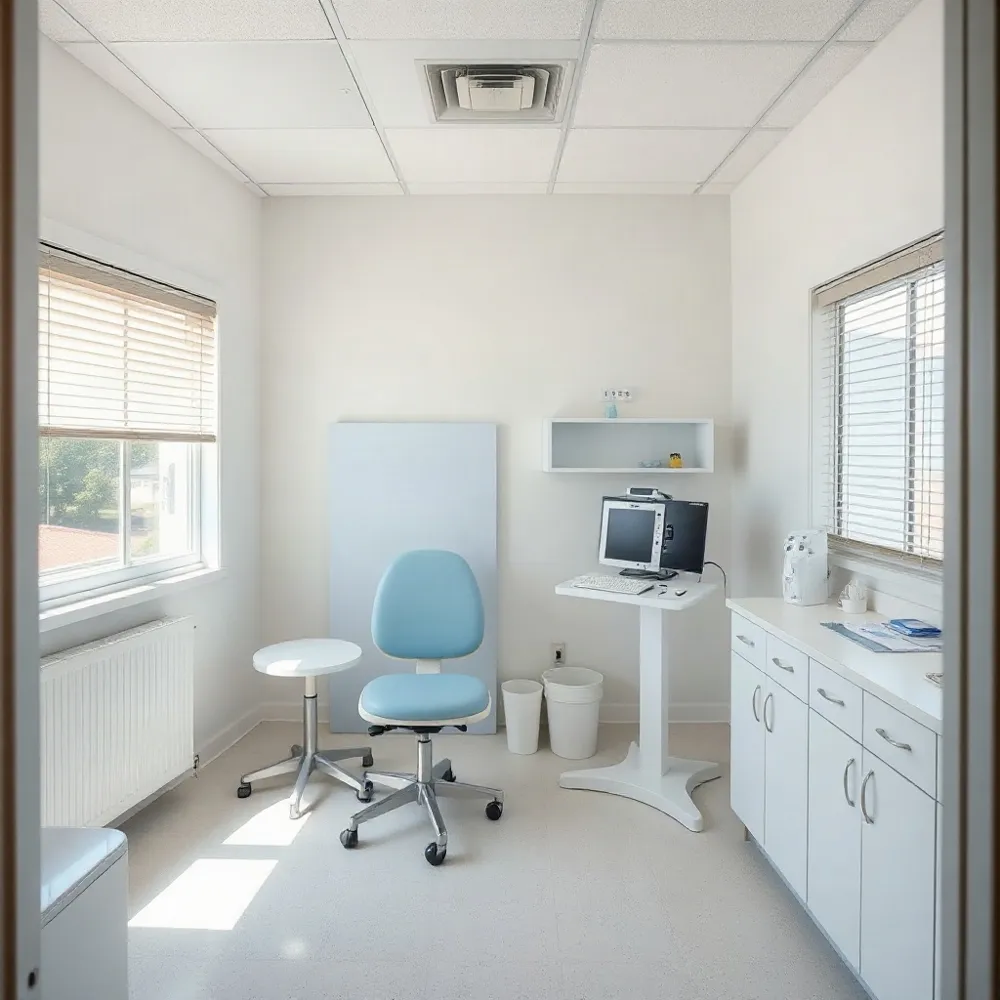
A Timely Check-In
When a child wakes with a fever, develops a new cough, or seems unusually uncomfortable, parents may wonder whether to wait, call the pediatrician, or seek care elsewhere. That uncertainty is understandable, especially when a child cannot clearly explain what feels wrong.
For a new concern that needs timely assessment but does not appear to be an emergency, call the child’s pediatric practice and ask whether a same-day sick visit is available. Some practices set aside appointments for acute illnesses, but availability varies. A child’s regular clinician can also help decide whether an office visit or another care setting is appropriate, as described in the American Academy of Pediatrics’ parent guide.
The right next step depends on more than one symptom. A child’s age, overall condition, medical history, and how quickly symptoms are changing all matter. For urgent or life-threatening signs, do not wait for an office appointment; seek emergency care.
Kids & Teens Primary Healthcare provides pediatric care for children and young adults from birth through age 21, including sick visits. This overview offers general guidance, not a diagnosis or individualized medical advice. When you are unsure, contact your child’s healthcare professional for direction.
When a Sick Visit May Help

What is a sick visit, and when should a parent request one?
A sick visit is an appointment to assess a new illness, symptom, or health concern. Unlike a well-child checkup, it focuses on what is happening now and whether your child needs evaluation or treatment. Parents may want to call about a fever, cough, sore throat, ear pain, rash, vomiting, diarrhea, or unexplained aches, especially if symptoms are worsening or not improving with home care.
Contact your child’s healthcare provider to ask whether an appointment is needed and how soon your child should be seen. A same-day visit may be an option, but availability varies by practice, so call rather than assume an appointment is open. The American Medical Association’s guidance on seeking emergency care recommends starting with a child’s primary care clinician for a new illness or minor injury unless symptoms suggest a serious emergency.
Getting Ready for the Appointment
 A little preparation can help the clinician understand what has changed and make the visit less stressful for your child. Before a sick visit, jot down when symptoms began, how they have changed, and what seems to make them better or worse. Note current medicines and supplements, allergies, relevant health conditions, and any recent illnesses or hospital stays. Clear observations help guide the discussion, though the examination and any tests or treatment will depend on your child’s needs.
For a first visit with a pediatrician, call the office ahead to ask whether forms or specific documents are needed. Bring available health and immunization records, insurance information, and a list of medications and allergies. Write down questions about health, development, sleep, or eating so you can raise them during the appointment.
For a newborn, note feeding patterns, diapers, sleep, and changes since leaving the hospital. Diapers, wipes, a change of clothes, and a familiar comfort item can make the outing easier. If the visit is unfamiliar, preparing your child for a doctor visit with an honest, age-appropriate explanation may reduce uncertainty.
Invite your child to share worries and questions, and explain what you know without promising that a procedure will be painless or that a particular test will happen. Older children and teens can take part in the conversation in ways that fit their age and preferences. At Kids & Teens Primary Healthcare, care spans birth through age 21, so families can raise concerns as children grow and take a more active role in their health.
Recognizing Signs That Need Prompt Attention
 Some symptoms call for prompt medical advice rather than waiting to see whether they pass. Contact a healthcare professional if your child is unusually difficult to wake, confused, has a stiff neck, shows signs of dehydration, or has severe or worsening pain. Rapidly worsening symptoms, persistent vomiting that prevents your child from keeping fluids down, inconsolable irritability, or a persistent cough with labored breathing also warrant urgent attention. The American Medical Association’s guidance on when to seek emergency care advises contacting a child’s clinician about new illnesses unless the situation is a life-threatening emergency.
Fever advice depends on a child’s age and overall health. A temperature of 100.4°F (38°C) or higher in a baby younger than 3 months requires emergency evaluation, not a routine same-day office visit. For other children, the number alone does not tell the whole story. Consider how your child is acting and whether other symptoms are present, and ask a healthcare professional for guidance.
Severe breathing difficulty, blue or gray lips or face, unresponsiveness, seizures, or a major injury require emergency help. Call 911 for a severe or life-threatening emergency rather than waiting for an appointment. For urgent concerns that do not appear life-threatening, Kids & Teens Primary Healthcare provides pediatric primary care for children and young adults through age 21; families can read more about when a child may need immediate urgent care.
Trust your concern if your child seems seriously unwell, even when you cannot identify a specific warning sign. A checklist cannot replace clinical judgment, and symptoms may change. If you are unsure how quickly your child needs care, contact a healthcare professional promptly. For immediate danger, call 911.
Choosing the Right Care Setting
When your child needs care, consider how urgent the symptoms are and whether the usual pediatric practice is available. For a non-emergency concern, the pediatrician is generally the first call, especially during office hours. The practice may know your child’s medical history and can help decide whether an appointment or another setting is appropriate, as the American Academy of Pediatrics parent guide explains.
If a problem needs timely assessment but does not seem like an emergency, call to ask whether a same-day sick visit is available. Some pediatric practices reserve appointments for acute illnesses, but availability varies. At Kids & Teens Primary Healthcare in Decatur, children and young adults from birth through age 21 can receive care for common illnesses through the practice’s sick-visit services.
Urgent care may be an option when a child appears stable but cannot wait for the pediatrician to be available. Ear pain, vomiting, or a minor injury may need prompt evaluation. Before going, confirm that the center treats children and has staff experienced in pediatric care. If your child receives care elsewhere, share the visit information with their pediatrician so the regular practice can maintain continuity.
Urgent care is not a substitute for emergency care. Severe trouble breathing, unresponsiveness, seizures, heavy bleeding, or a major injury can require the emergency department or a call to 911. Do not wait for an office appointment when symptoms may be life-threatening.
If the situation does not appear life-threatening and you are unsure where to go, call your child’s pediatrician’s office for guidance. Some practices offer after-hours advice. If symptoms are severe, seek emergency help without delay.
Well-Child Care Between Illnesses
Well-child visits are preventive appointments, not sick visits, and they matter even when a child feels fine. At Kids & Teens Primary Healthcare, preventive care is part of the practice’s services for children and young adults from birth through age 21.
What happens during a pediatric well-child visit? The provider reviews your child’s overall health, growth, development, and milestones. The visit may include height and weight measurements, head circumference for younger children, a physical exam, and age-appropriate screenings or recommended immunizations. The exact checks depend on your child’s age and needs.
Families can bring questions about nutrition, sleep, safety, school, behavior, or development, and mention changes they have noticed. Sharing concerns early gives the provider a chance to discuss them before they become harder to address. The American Academy of Pediatrics describes well-child visits as a place to track growth and development, discuss health, and support preventive care through childhood and adolescence (AAP well-child visit guidance).
Regular visits also help build an ongoing relationship between your child, family, and pediatrician. That familiarity can support conversations about health over time, while giving families a consistent place to raise questions between illnesses.
Keeping Up With Routine Checkups
Well-child visits follow a preventive schedule, separate from appointments for a new illness or symptom. The American Academy of Pediatrics schedule recommends a visit at 3–5 days old, then at 1, 2, 4, 6, 9, 12, 15, 18, and 24 months.
After age 2, the schedule includes a visit at 30 months, followed by annual checkups from ages 3 through 21. These appointments give the pediatrician a chance to track growth and development, complete recommended screenings and immunizations, and hear family questions about health, behavior, sleep, or learning.
A child with an ongoing health condition or other specific needs may require additional visits between routine checkups. At Kids & Teens Primary Healthcare, preventive care includes well-child checkups for children and young adults through age 21. Ask your pediatrician to confirm a schedule suited to your child’s health and circumstances.
Call When You Are Unsure
When you are uncertain about a new symptom, call your child’s pediatric practice and describe what you are seeing. The care team can help you decide whether to ask about a same-day sick visit, seek care elsewhere, or continue monitoring with guidance. At Kids & Teens Primary Healthcare, sick visits are part of the care provided to children and young adults through age 21.
Symptoms can change, and your observations matter, especially when a child is too young to explain how they feel. Seek prompt medical advice if your child worsens or something seems seriously wrong. A call can help clarify the next step, but it should not delay emergency care.
For a non-emergency concern, call to ask whether a same-day assessment is appropriate. If you suspect an emergency, call 911 or go to an emergency department now.