Navigating the Winter Virus Season
As the temperatures drop and families move indoors, the winter virus season arrives, bringing a familiar set of challenges for parents. This period often feels like a minefield of runny noses, persistent coughs, and sudden fevers, making it a stressful time for any household. Understanding what you are up against is the first step to keeping your family healthy.
Children are uniquely vulnerable during this time
Children are especially vulnerable during this time for a couple of key reasons. Their immune systems are still developing and are often encountering common viruses for the first time. This natural vulnerability is compounded by increased indoor time, where close contact with peers in schools and daycares makes the spread of germs nearly unavoidable.
Three main viruses dominate the winter landscape
Three main viruses dominate the winter landscape and are the focus of any comprehensive family health plan:
| Virus | Key Risk for Children | Typical Symptoms |
|---|---|---|
| Influenza (Flu) | Can cause severe illness, especially in young children. | Sudden fever, body aches, fatigue, cough, sore throat. |
| RSV | Most common cause of bronchiolitis in infants; can be serious for children under 2. | Runny nose, cough, sneezing, decreased appetite, wheezing. |
| COVID-19 | Symptoms can range from mild to severe; can lead to long-term health issues. | Fever, cough, sore throat, congestion, loss of taste or smell. |
Goal: provide an evidence-based survival guide
The goal of this guide is to provide a clear, evidence-based survival plan. We will cut through the information overload to offer practical steps for prevention, early recognition of symptoms, and knowing exactly when to seek medical attention for your child.
Prevention is Power: Vaccines and Everyday Habits

What can I give my kids to prevent them from getting the flu?
The single most effective step you can take is ensuring everyone in the family aged 6 months and older gets their annual flu shot. This vaccine is a powerful tool that prepares the immune system to fight the virus, reducing the risk of severe illness, hospitalization, and complications like pneumonia. It is safe to receive the flu and COVID-19 vaccines at the same visit, providing broader protection.
How can I prevent my kids from getting sick in winter?
Prevention combines vaccines with daily habits. Your pediatrician is a trusted source, and a strong recommendation matters. A simple phrase like, "Your child is due for their flu and COVID-19 vaccines. I've gotten these myself, and I recommend them for your family," can make a difference. In addition to flu shots, RSV immunizations are now recommended for all infants under 8 months and for pregnant women during their third trimester, offering crucial protection against this serious winter virus.
What are the three main winter viruses?
The three most concerning winter threats are influenza (the flu), Respiratory Syncytial Virus (RSV), and COVID-19. All can cause serious illness in children. Everyday actions are your second line of defense: frequent handwashing with soap and water for 20 seconds (the time it takes to sing "Happy Birthday" twice), teaching kids to cough or sneeze into their elbow, and keeping children home when they are sick. Supporting their immune system with 9–12 hours of sleep, a diet rich in fruits and vegetables, and daily physical activity provides a foundation for staying healthy all season long. | Virus | Prevention Tool | Key Age Group | |-------|----------------|---------------| | Influenza | Annual flu shot | 6 months+ | | RSV | Nirsevimab (monoclonal antibody) or maternal vaccine | Infants under 8 months, pregnant women | | COVID-19 | Updated COVID-19 vaccine | 6 months+ |
Managing Minor Illnesses at Home
What is the common cold virus for kids and how long does it last?
The common cold is usually caused by a rhinovirus, leading to a runny nose, sneezing, and a low-grade fever. Most children feel better within 7 to 10 days. A sore throat may also accompany these viruses.
How can I boost my kids' immune system in winter?
Strengthening their immune system starts at home. Prioritize 9–12 hours of sleep nightly and serve a balanced diet rich in fruits and vegetables. Vitamin C from citrus and zinc from beans or nuts are helpful. Daily physical activity and proper hydration also keep their defenses strong.
What is a common viral infection in winter besides the flu?
Respiratory Syncytial Virus (RSV) is very common, especially in infants and toddlers. It often causes cold-like symptoms, but can lead to wheezing or difficulty breathing in younger children.
Treating common symptoms
For fever and aches, use weight-based doses of acetaminophen (Tylenol) or ibuprofen (Motrin). Avoid aspirin. For coughs, give a half teaspoon of honey only for children over 1 year old; suppressants are not recommended. Ease congestion with saline drops and a cool-mist humidifier. Soothe a sore throat with warm liquids, salt water gargles for older kids, or a Benadryl/Maalox mix to coat the throat.
Managing stomach bugs
When vomiting or diarrhea strikes, the goal is hydration. Offer very small, frequent sips of an electrolyte solution like Pedialyte. Once vomiting stops, introduce bland foods following the BRAT diet (bananas, rice, applesauce, toast). Watch for dehydration signs such as dry mouth, no tears, or urinating less than every 8 hours.
When to give emergency care
Seek immediate medical help if your child has trouble breathing, a fever lasting over 4 days, or clear signs of dehydration like no urination for 8 hours. If they seem to be improving then worsen suddenly, see a doctor.
Dispelling myths
Green or yellow mucus does not mean a bacterial infection needs antibiotics; viruses do not respond to them. Antibiotics are only for bacterial illnesses like strep throat. Rely on supportive care and rest for most winter viruses.
Summary of Home Care for Winter Illnesses
| Symptom | Recommended Action | Avoid |
|---|---|---|
| Fever | Acetaminophen or ibuprofen (by weight) | Aspirin |
| Cough | Honey (>1 year old) | Cough suppressants |
| Congestion | Saline drops, cool-mist humidifier | None |
| Sore throat | Warm liquids, salt water gargle, Benadryl/Maalox | Honey (<1 year) |
| Vomiting/Diarrhea | Small sips of Pedialyte, BRAT diet | Dairy, juices, fatty foods |
Winter Safety Beyond Viruses
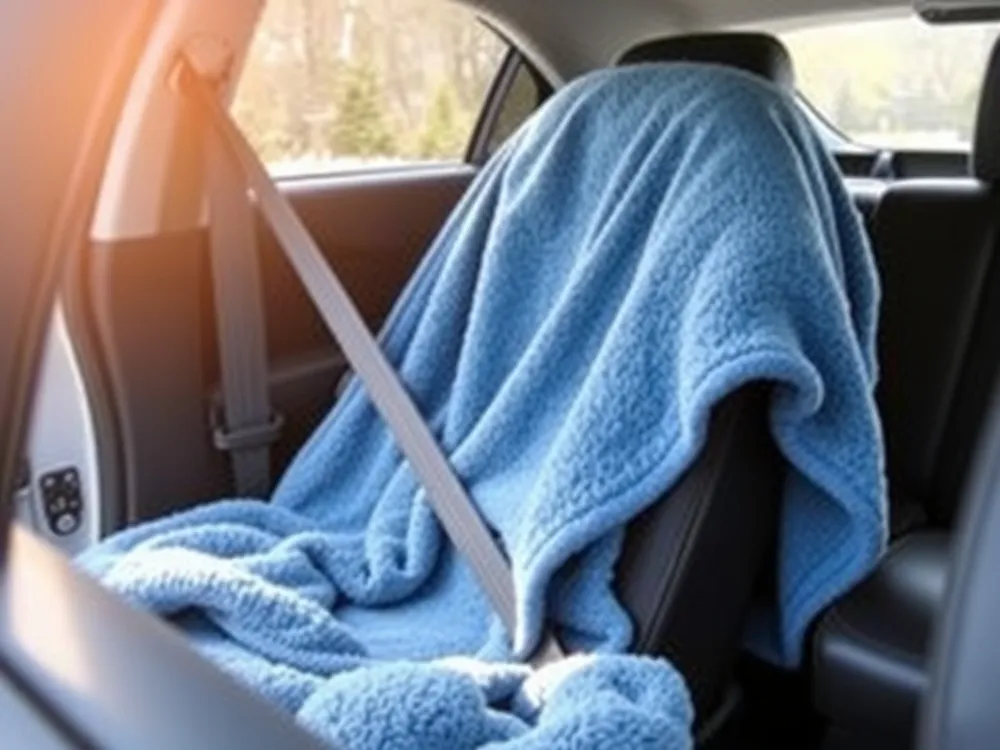 While protecting your child from winter viruses is crucial, the colder months bring other important safety considerations. From car seat safety to outdoor play and home hazards, being prepared can prevent accidents and injuries. This section answers common questions to help your family stay safe all winter long.
Is it safe for a child to wear a coat in a car seat?
No, bulky winter coats can prevent a car seat harness from fitting snugly, which is dangerous in a crash. A puffy coat compresses in an accident, creating too much slack in the straps. Instead, dress your child in thin, warm layers (like a fleece) and place a blanket over the harness after buckling them in tightly.
What temperature is too cold for a child to be outside safely?
Wind chill is the key factor. A windchill above 32°F (0°C) is generally safe for most children. When the wind chill is between 13°F and 31°F, children should take breaks indoors every 20 minutes. A windchill below 13°F (-11°C) is considered too cold for outdoor play, as exposed skin can freeze quickly, increasing the risk of frostbite. In temperatures below -15°F, keep children indoors entirely.
How should I prepare for a winter storm with a baby?
Preparation is essential. Assemble an emergency kit with extra blankets, warm clothing, flashlights, batteries, water, and non-perishable food. Install carbon monoxide detectors near sleeping areas, as heating sources can produce this odorless gas. Never use cooking stoves, charcoal grills, or generators to heat your home, as they produce deadly carbon monoxide. Ensure you have a plan in case of a power outage, including a backup way to keep your baby warm.
Safe Outdoor Play: Layering and Warning Signs
Dress children in three layers for cold-weather play: a moisture-wicking base layer (avoid cotton), an insulating middle layer (like fleece), and a waterproof outer layer. Wear a warm hat, mittens (warmer than gloves), and insulated boots. Watch for signs of frostbite (white, pale, or numb skin on cheeks, ears, fingers, or toes) and signs of hypothermia (shivering, sluggishness, or slurred speech). Bring children inside for warm-up breaks at least once an hour. Apply sunscreen and lip balm, as UV rays can still cause sunburn on snowy or overcast days.
Winter Sports Safety: Helmets and Supervision
Helmets are non-negotiable for sledding, skiing and snowboarding. For sledding, use a ski or bicycle helmet. Choose a hill free of obstacles (trees, rocks, fences) with a gentle slope and a flat runoff. Children should sled feet-first or sitting up to prevent head injuries. For skiing and snowboarding, ensure equipment is properly fitted and children take lessons from a qualified instructor. Children under 16 should not operate a snowmobile, and children under 6 should never ride on one. Always supervise ice skating on approved surfaces; never skate alone.
Cold Weather Health: Asthma and Hydration
Cold, dry air can trigger asthma symptoms and worsen coughs. Children with asthma should always carry a rescue inhaler and take frequent breaks when playing outdoors. Staying hydrated is essential, as the body loses moisture through breath and sweat even in winter. Encourage your child to drink water regularly, especially before and after outdoor activity.
Home Safety: Space Heaters and Carbon Monoxide
Keep space heaters at least three feet away from furniture, curtains, bedding, and children. Never leave them unattended. Ensure your home has working smoke and carbon monoxide alarms on every level and near sleeping areas. Test them monthly and change batteries annually. Never use an oven, range, or grill to heat your home. Have your fireplace and chimney professionally inspected and cleaned each year.
When to Seek Medical Help and How to Find Care
When to Seek Medical Help and How to Find Care
Can I give my child Emergen-C or Oscillococcinum?
Always consult your pediatrician before giving a child any over-the-counter supplement, including Emergen-C or Oscillococcinum. Their safety and effectiveness for children are not well-studied, and a doctor can recommend the safest and most beneficial immune support for your child's specific needs.
What are the signs my child needs to see a doctor?
Call your pediatrician immediately if your child has trouble breathing, a fever over 104°F (or any fever in an infant under 3 months), shows signs of dehydration (dry mouth, no urination for 8 hours), or if symptoms last longer than two weeks or get worse after seeming to improve.
Finding care for your child
For non-emergency concerns, on-demand virtual visits and urgent care walk-in clinics are excellent options for prompt evaluation. These services can help manage symptoms and determine if an in-person visit is needed. At Kids & Teens Primary Healthcare, we offer sick visits and immunizations to keep your family healthy. We also emphasize the importance of well-child checkups and staying up to date with health coverage like Medicaid or PeachCare for Kids® in Georgia to ensure continuous, accessible care.
| Symptom or Concern | When to Call the Pediatrician | Care Options at Kids & Teens Primary Healthcare |
|---|---|---|
| Trouble breathing | Immediately | Urgent care or ER referral if severe |
| Fever over 104°F (or any fever in infant under 3 months) | Immediately | Same-day sick visit or after-hours guidance |
| Dehydration (dry mouth, no urine for 8+ hours) | Within 8 hours | Sick visit for evaluation and rehydration advice |
| Symptoms lasting >2 weeks or worsening after improvement | Promptly | Sick visit to rule out secondary infection |
| Mild cold/flu symptoms | Manage at home; call if concerned | Telehealth or scheduled well-child visit |
| Preventive care, immunizations, annual checkups | During regular hours | Well-child checkups, all recommended vaccines |
| Updating health insurance (Medicaid/PeachCare) | Before gaps in coverage | Staff assistance with plan options and forms |
For any concerns about your child's health, do not hesitate to contact us. We are your trusted partners in pediatric care. Call Kids & Teens Primary Healthcare at (678) 990-2501 or request an appointment online.
Building Resilience: A Family Approach

How can I boost my kids' immune system in winter?
Building a strong immune system is a year-round job that relies on simple, consistent daily habits. For school-aged children, sleep is foundational; aim for 9 to 11 hours per night. When rest is prioritized, the body is better equipped to fight off winter viruses.
Nutrition also plays a critical role. Try following the 80:20 rule: focus on healthy, whole foods like fruits, vegetables, and lean proteins 80% of the time, allowing flexibility for treats the other 20%. This balanced approach supports immune function without creating stress around food.
Physical activity is equally vital. Children need about one hour of exercise each day, even in winter. This can include active indoor play, family dance parties, or bundled-up outdoor adventures. Regular movement boosts circulation and helps immune cells travel throughout the body.
What about stress and family habits?
A child's emotional health directly affects their physical resilience. Simple acts like a morning hug can lower stress and boost immunity. Maintaining a predictable routine and open communication helps children feel secure, which keeps their immune system strong.
Parents, your actions matter most. The best way to teach healthy habits is to model them yourself. When children see you washing your hands, prioritizing sleep, and staying active, they are more likely to adopt these behaviors naturally.
A final, comprehensive takeaway
Remember, a resilient child is protected on multiple fronts. Vaccinations, good hygiene, winter safety practices, and nurturing overall wellness all work together. By focusing on these long-term habits, you help your child build a strong foundation for health that lasts far beyond cold and flu season.
| Healthy Habit | Why It Helps | Simple Action for Families |
|---|---|---|
| Sleep (9-11 hours) | Repairs body, strengthens immune cells | Set a consistent bedtime routine |
| Balanced Nutrition | Provides vitamins for immune defense | Use the 80:20 rule with whole foods |
| Daily Exercise | Boosts circulation and immune activity | Schedule 1 hour of active play daily |
| Stress Management | Lowers cortisol, supports immunity | Start each day with a hug |
| Parent Modeling | Reinforces healthy behaviors | Let kids see you washing hands and being active |
Quick Reference: Common Winter Illnesses Symptom Checker
It can be tricky to tell winter viruses apart at first, but knowing their distinct patterns helps you respond quickly. Use the table below to compare the most common culprits: the common cold, flu, RSV, and COVID-19.
What are the main differences between flu, RSV, COVID-19, and the common cold in children?
| Virus | Typical Symptoms | Distinctive Clues | Typical Duration |
|---|---|---|---|
| Common Cold | Runny or stuffy nose, sneezing, mild cough, sore throat, low-grade fever (rare). | Gradual onset; symptoms are usually mild and focused on the head. | 7–10 days |
| Flu (Influenza) | Sudden onset of high fever (often over 101°F), chills, body aches, headache, fatigue, dry cough, sore throat. | Illness hits abruptly; fever and body aches are often severe. Vomiting/diarrhea may occur, especially in young children. | 3–7 days (fever/aches), but cough and fatigue can last 2+ weeks |
| RSV | Runny nose, cough, sneezing, low fever, wheezing or rapid breathing (especially in infants). | Wheezing is a key sign; can cause serious breathing trouble in babies and toddlers under 2 years old. | 1–2 weeks (mild cases); infants may be contagious longer |
| COVID-19 | Varies widely: sore throat, congestion, cough, fever, headache, muscle aches, loss of taste/smell (less common in kids), upset stomach. | Loss of taste or smell is a notable clue, though not always present in children. May cause a rash. | 1–2 weeks (acute); some symptoms can linger |
What red flag symptoms require immediate medical attention for my child?
Seek emergency care right away if your child experiences any of the following:
- Trouble breathing – rapid breathing, wheezing, or their chest pulls in with each breath.
- Signs of dehydration – dry mouth, no urine for 8 hours, sunken eyes, or no tears when crying.
- High fever – over 104°F (or any fever in an infant under 3 months old).
- Extreme lethargy – very hard to wake up, too weak to stand, or is confused.
- Blue lips or face – this occurs during coughing spells or directly signals a lack of oxygen.
- Sudden worsening – your child seemed to be improving but then gets much sicker.
The Bottom Line
Winter doesn't have to mean endless illness for your family. By focusing on five key pillars—vaccination, hygiene, home care, safety, and knowing when to seek help—you can reduce the severity of common viruses and keep your household healthier.
Vaccination remains the most powerful tool. Annual flu shots and updated COVID-19 vaccines are safe and effective, especially for children with conditions like asthma. Good hygiene, including frequent handwashing and covering coughs, stops germs from spreading.
At home, prioritize rest, hydration, and nutritious meals. A cool-mist humidifier or saline spray can ease congestion. Most colds and flus resolve within 7–10 days with supportive care. Always keep children home until they are fever-free for 24 hours without medication.
When to seek help
Call your pediatrician if your child has trouble breathing, shows signs of dehydration (dry mouth, no tears, infrequent urination), or if a fever persists beyond four days. Infants under 3 months with any fever need immediate evaluation.
You don't have to navigate sick season alone. Kids & Teens Primary Healthcare is here for personalized guidance, well-child visits, and immunizations. Reach out to schedule an appointment and build your family's winter wellness plan.
| Pillar | Action | When to Act |
|---|---|---|
| Vaccination | Flu shot, COVID-19, RSV immunization | Annually before peak season |
| Hygiene | Handwashing, cough/sneeze etiquette | Daily, especially after school or play |
| Home care | Rest, fluids, humidifier, fever reducers | At first sign of illness |
| Safety | Dress in layers, supervise outdoor play, use helmets | Before winter activities |
| Seek help | Difficulty breathing, dehydration, persistent fever | When home care isn't enough |
With the right tools and knowledge, most winter illnesses are manageable at home. Stay proactive, stay connected with your pediatric team, and know that you have support every step of the way.