Setting the Stage
Pediatric primary care serves as a child’s medical home—a continuous, family‑centered hub where growth, development, and health are monitored from birth through adolescence. Regular well‑child visits give clinicians the chance to spot early signs of illness, developmental delays, or emerging chronic conditions such as asthma, obesity, or mental‑health disorders. Detecting these issues promptly allows timely referrals, targeted counseling, and preventive interventions that dramatically reduce the risk of long‑term complications. By building a trusted relationship, pediatric providers empower families to act early, turning routine check‑ups into powerful safeguards for a child’s present well‑being and future health trajectory.
Chronic Illness Landscape
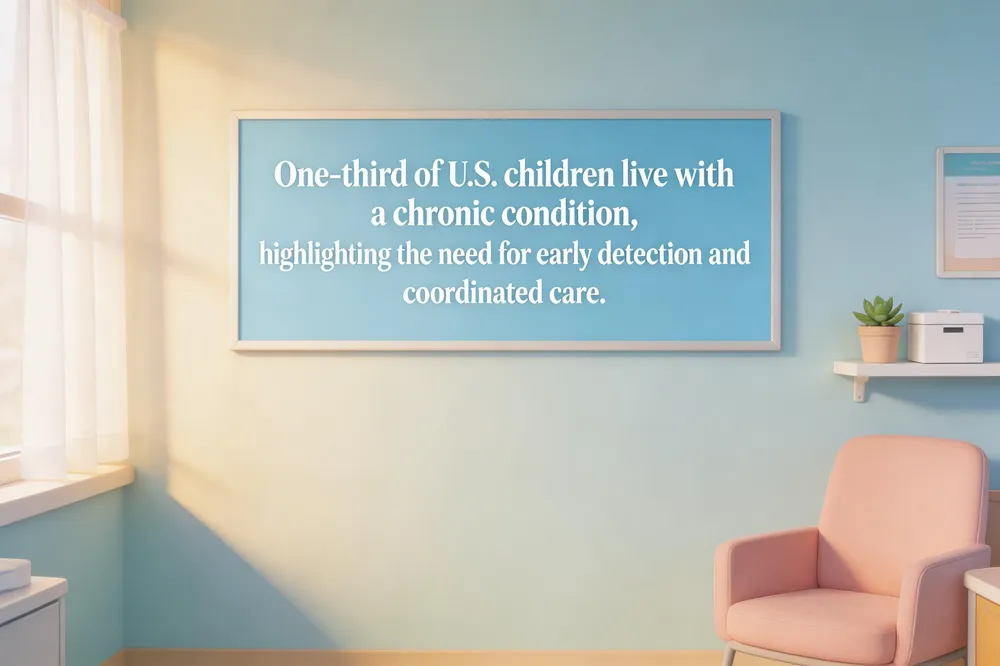 Understanding the chronic illness landscape is essential for families and clinicians alike. Childhood chronic illness Statistics 2022 – In 2022, roughly one‑third of U.S. children and adolescents lived with a chronic health condition, with prevalence around 30‑31 % for ages 5‑17. Percentage of children with chronic illness – Recent data show about 30 %–31 % of U.S. youth have a chronic condition, up from 23 % in 1999‑2000, reflecting a steady annual increase. What are the top 10 chronic childhood diseases – The ten most common include asthma, obesity, type 1 diabetes, ADHD, autism spectrum disorder, congenital heart disease, sickle cell disease, cystic fibrosis, inflammatory bowel disease, and epilepsy. Most common childhood chronic diseases – Asthma, obesity, ADHD, autism, and type 1 diabetes each affect millions of U.S. children, making them the leading chronic concerns. What are the most common chronic conditions in primary care? – Primary‑care clinicians most frequently manage asthma, obesity, hypertension, type 2 diabetes, and mental‑health conditions such as depression and anxiety. Early detection through well‑child visits, coordinated care, and parental education can curb disease progression, lower emergency visits, and improve long‑term health outcomes for children and teens.
Long‑Term Risks & Health Challenges
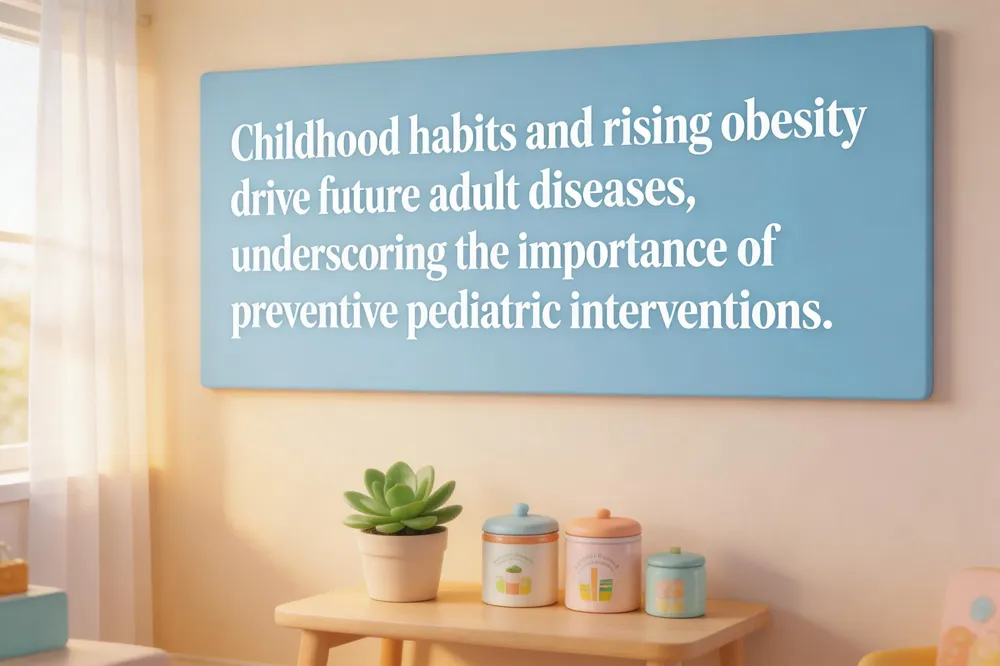 Childhood habits shape adult health. Unhealthy diets, sedentary lifestyles and untreated mental‑health issues raise the odds of smoking‑related lung disease, heart disease, stroke, cancers, type 2 diabetes, hypertension and psychiatric disorders later in life.
Obesity is climbing: U.S. child obesity rose from 17 % in 2007‑08 to about 21 % in 2021‑23, and chronic‑condition prevalence has jumped 15‑20 %. Together with bullying and substance abuse, obesity tops the list of three greatest health problems that threaten both physical and mental well‑being.
Infection patterns shift with age. Preschoolers experience frequent colds and viral illnesses, but as children mature immunity builds and illness rates decline, reducing the overall disease burden in adolescence.
Pediatric care faces mounting challenges: vaccine hesitancy, rising obesity and asthma rates, growing mental‑health needs, health inequities, and the task of integrating telemedicine and coordinated care into the medical‑home model. Addressing these issues early through well‑child visits, immunizations, developmental screenings, nutrition counseling and safety education can curb long‑term health risks and improve life‑course outcomes.
Why Pediatric Care Matters
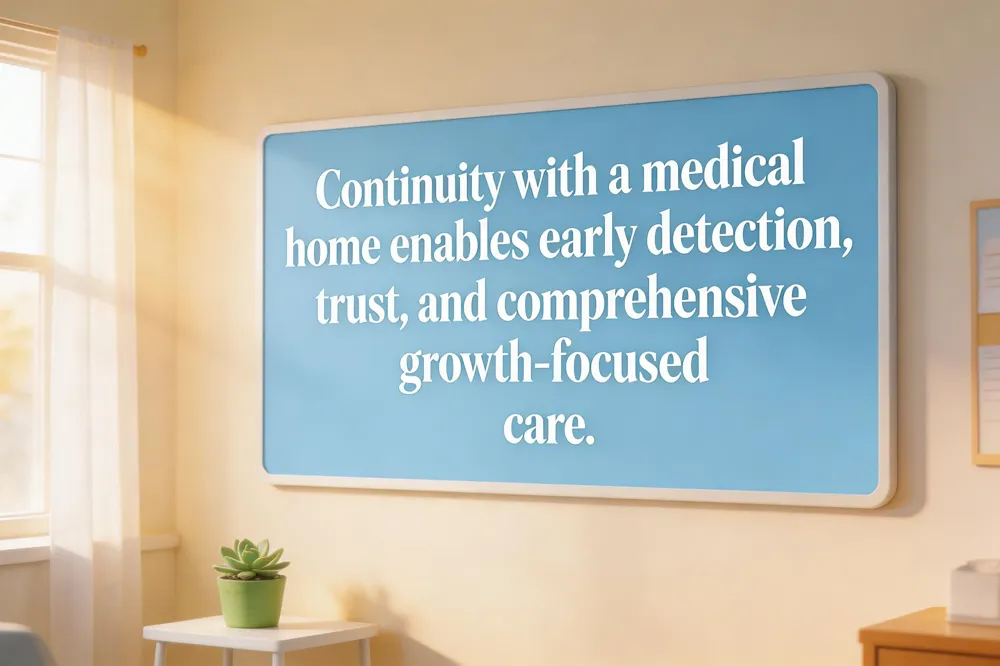 Pediatric care is the cornerstone of a child's long‑term health. By seeing the same clinician over years, families build trust and clinicians can track growth, development, and health trends, catching problems—whether a subtle developmental delay, early asthma signs, or rising BMI—before they become chronic. Primary‑care visits offer a suite of preventive services: immunizations that cut vaccine‑preventable disease rates, routine vision, hearing and mental‑health screenings, nutrition and physical‑activity counseling, and safety education that together lower obesity, injury, and mental‑health risks. The convenience of a single medical home reduces emergency‑department use and ensures coordinated referrals when specialty care is needed. However, Barriers such as limited appointment availability, referral delays, and higher copays for non‑preventive visits can hinder access. Pediatricians—physicians trained from birth through age 21—bring expertise in growth charts, developmental milestones, and chronic‑condition management, making them uniquely qualified to deliver these comprehensive, family‑centered services.
Preventive Services & Guidelines
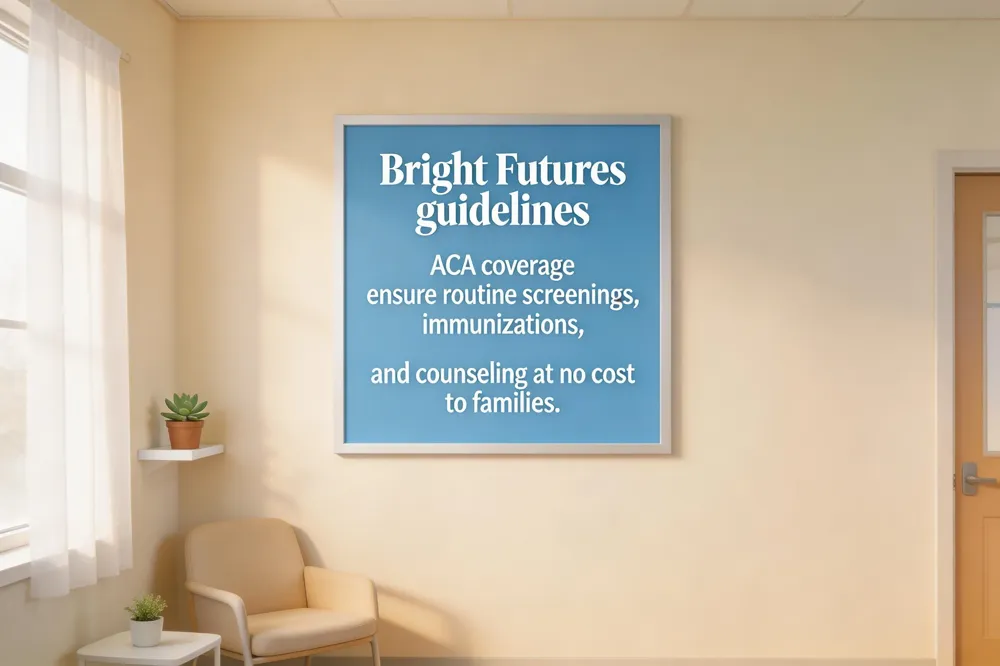 Pediatric preventive care is the cornerstone of keeping children and teens healthy. It blends routine screenings, immunizations, nutrition and physical‑activity counseling, and safety education into every well‑child visit. The American Academy of Pediatrics (AAP) this work through its Bright Futures guidelines, which prescribe age‑specific exams, vaccine schedules, developmental, vision, hearing, and behavioral assessments. The well‑child visits schedule begins with a newborn check at 3‑5 days, then at 1 mo, 2 mo, 4 mo, 6 mo, 9 mo, 12 mo, 15 mo, 18 mo, 2 yr, and continues annually through adolescence. From ages 6 to 10, visits remain yearly, and teens receive annual exams that focus on puberty, mental‑health screening, and risk‑behavior counseling. The AAP’s evidence‑based policies shape practice nationwide, ensuring consistent, high‑quality preventive services. Under the Affordable Care Act, HealthCare.gov mandates that marketplace plans cover all pediatric preventive services—well‑child visits, immunizations, developmental and mental‑health screenings—at no cost to families. By adhering to these guidelines and leveraging coverage, families can catch health issues early, reduce long‑term disease risk, and set the stage for a healthier adulthood.
Insurance, Access & Outcomes
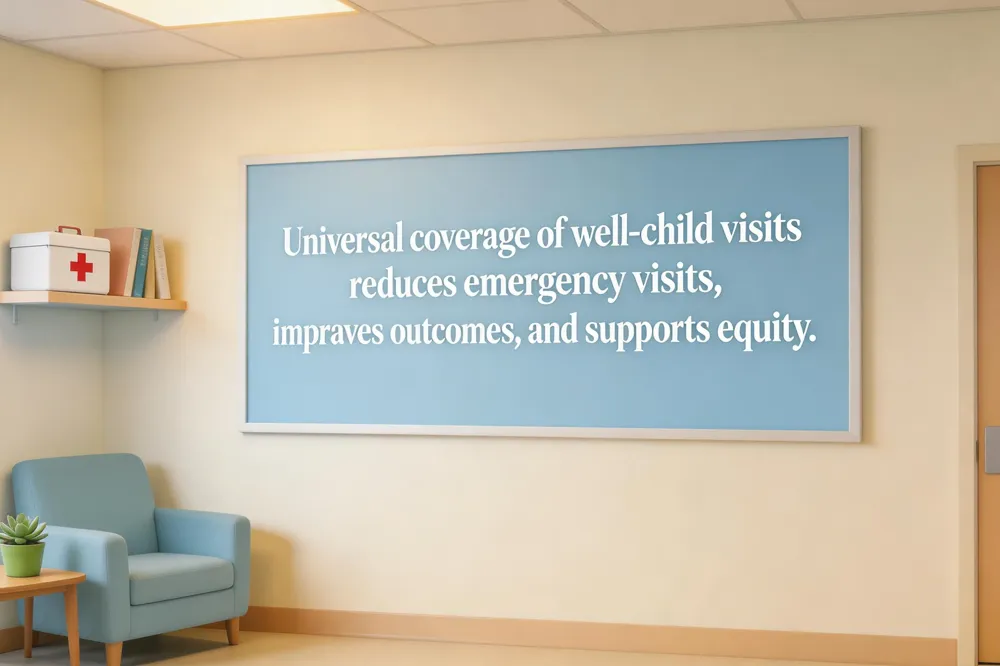 Insurance coverage for well‑child visits makes preventive care accessible for every child. Under the ACA, most plans cover a well‑child visit each year at no cost when the provider is in‑network, and the same rule applies to Medicaid and CHIP, which pay for the visit entirely for families who qualify. Families without insurance must pay out‑of‑pocket unless they qualify for state‑run safety‑net programs that offer sliding‑scale fees. Teens ages 12‑19 can remain on a parent’s policy until age 26, enroll in Medicaid/CHIP, or purchase a Marketplace plan when they age out, ensuring continuity of care through adolescence.
Primary‑care outcomes are profound: regular visits enable early detection of growth problems, developmental delays, obesity, asthma, mental‑health concerns and chronic‑condition management, which together lower emergency‑department use, reduce hospitalizations, and improve long‑term health and academic achievement. Children in foster care often experience fragmented health services, but when placed in a stable medical‑home and receive consistent well‑child visits, their health, education, and legal outcomes improve markedly. Thus, insurance coverage and continuous primary‑care access are essential pillars for safeguarding children’s present and future health. Ensuring every child—regardless of income, race, or situation—has affordable access to visits builds a healthier future.
Professional Roles & Resources
 Pediatric primary‑care teams are built around a medical‑home model that blends continuity, comprehensiveness, and coordination of care from birth through adolescence.
Pediatric job description – A pediatrician provides comprehensive care for patients birth‑through‑21, focusing on growth, development, preventive services, and treatment of acute and chronic illnesses. This includes immunizations, developmental screening, nutrition counseling, safety education, and management of chronic conditions such as asthma, obesity, and mental‑health disorders.
Working in pediatrics – Working in pediatrics involves extensive training, a mix of preventive and acute care, collaboration with families, and opportunities to influence child‑health policy. Pediatricians must stay current on evolving vaccination schedules, concussion protocols, and emerging public‑health threats, while also navigating social‑determinant screening and care‑coordination demands.
Role of pediatric nurse – Pediatric nurses deliver vaccinations, assess vitals, educate families, and coordinate care, playing a key role in the medical‑home team. They conduct well‑child examinations, monitor growth parameters, and provide anticipatory guidance on nutrition, physical activity, and injury prevention.
Pediatric primary‑care book – Burns’ Pediatric Primary Care, 8th Edition is a widely‑used, evidence‑based textbook covering newborn to adolescent health. It offers practical guidance on well‑child visits, immunization schedules, developmental milestones, and chronic‑disease management.
Do pediatricians check muscle tone? – Yes—pediatricians assess muscle tone, reflexes, and balance during well‑child exams to detect early neurological or developmental issues. These assessments are part of routine developmental screening that can trigger referrals for early intervention services.
Pediatric public‑health jobs – Pediatric public‑health jobs include epidemiologists, policy analysts, community‑outreach coordinators, and program managers who design vaccination and nutrition programs, screen for social‑determinant factors, and evaluate population‑level outcomes.
Current issues in pediatric nursing – Current challenges include workforce shortages, reduced pediatric curricula in nursing schools, burnout, and the need for advanced training in complex child care (e.g., multimorbidity, mental‑health integration).
Current issues in pediatrics – Emerging concerns involve updated vaccination schedules, concussion management, minimally invasive fracture care, and rising rates of obesity, asthma, and mental‑health disorders. Multi‑component preventive interventions—immunizations, developmental screening, nutrition counseling, physical‑activity guidance, safety education, and oral‑health programs—are shown to improve long‑term outcomes and reduce chronic‑disease risk.
Together, these professional roles and resources create a coordinated, family‑centered system that promotes early detection, preventive care, and sustained health for children and teens.
Looking Ahead
Looking ahead, the evidence is clear: regular pediatric primary‑care visits save lives and build healthier futures. Immunizations, developmental screenings, nutrition and activity counseling, safety education, mental‑health checks, and oral‑health programs together lower the risk of disease, injury, and chronic conditions that can follow children into adulthood. Families who establish a medical home and attend well‑child appointments early can catch problems before they become serious, reduce emergency‑room trips, and empower caregivers with the knowledge to keep children thriving. Take the next step—schedule your child’s next well‑child visit, stay current on vaccines, and partner with your pediatric team to protect your child’s health.