Understanding Fever in Children: What Parents Need to Know
Definition of Fever in Children
A fever in children is typically defined as a body temperature at or above 100.4°F (38°C). This can be measured rectally, orally, or via the ear or forehead, with rectal measurements considered most accurate, especially for infants.
Common Causes of Fever
Fevers often result from viral infections like the common cold, flu, or roseola, and can also be caused by bacterial infections such as urinary tract infections or strep throat. Other causes include reactions to vaccinations, overheating, or more serious infections, especially in younger infants.
Normal Body Temperature Ranges by Age
Normal body temperature varies by age and measurement site. For infants, rectal temperatures range from about 96.8°F to 100.3°F, while oral temperatures in older children generally range from approximately 95.8°F to 99.9°F. Body temperature naturally fluctuates during the day, usually being lower in the morning.
Why Fever Occurs and Its Role in Fighting Infections
Fever is a natural immune response that helps the body fight infection by making the environment less hospitable to viruses and bacteria, enhancing immune cell activity. It is a sign that the body's defenses are active and working effectively, usually aiding in the recovery process.
Understanding these basics can help parents feel reassured that fever is often a normal, beneficial part of fighting illness in children.
Recognizing and Responding to Fever: When to Worry
What is the fever rule for children?
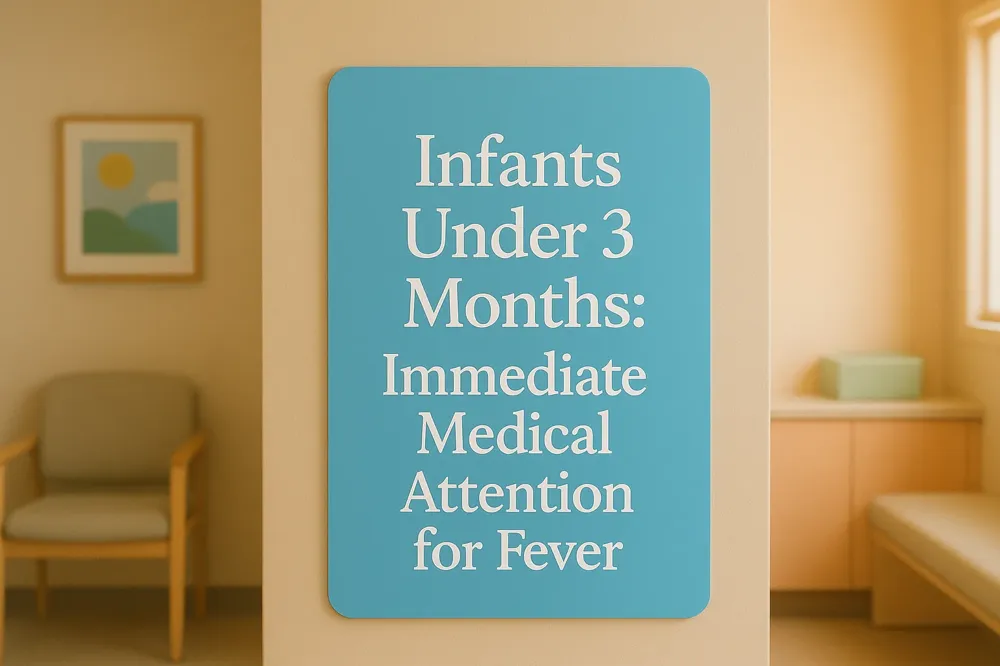
A fever in children is typically defined as a body temperature of 100.4°F (38°C) or higher. This measurement is most accurately taken rectally, but tympanic (ear) and temporal artery (forehead) methods are also reliable for different age groups. For infants under 3 months, any fever at or above 100.4°F demands immediate medical attention due to the risk of serious infections.
Temperature thresholds and critical values for urgent care
Fevers reaching 102.2°F (39°C) or higher in children older than 3 months should prompt consultation with a healthcare provider, especially if the fever lasts beyond 2 to 3 days. Temperatures above 104°F (40°C) are considered high and may require treatment to reduce discomfort. A fever of 105°F or higher in children is an emergency and requires urgent medical care.
Signs and symptoms requiring immediate medical attention
Parents should watch for signs including difficulty breathing, persistent vomiting or diarrhea, seizures, stiff neck, unresponsiveness, a rash that does not fade, inconsolable crying, or lethargy. These symptoms alongside fever can indicate serious underlying conditions such as meningitis or sepsis and necessitate emergency evaluation. See Signs requiring immediate medical attention for more.
Special considerations for infants under 3 months
Infants younger than 3 months with a fever at 100.4°F or above must be seen by a healthcare professional without delay. Because their immune systems are immature, even mild fevers can signify serious bacterial infections or sepsis. Hospitalization and thorough diagnostic workups are often required. See Management of Febrile Infants for guidelines.
Serious conditions associated with fever in children
While most fevers result from viral infections that resolve within a few days, some can signal serious illnesses like urinary tract infections, pneumonia, meningitis, or inflammatory syndromes post-COVID-19. Pediatricians carefully assess the duration, severity, and accompanying symptoms of fevers to rule out these conditions. More information at Serious illnesses with fever.
Importance of monitoring a child's behavior and symptoms
Beyond temperature readings, observing how a child behaves is vital. A child who remains alert, hydrated, and somewhat active despite a fever is less concerning than one who is lethargic, irritable, or dehydrated. Careful monitoring helps decide when to seek medical advice and when home care suffices. Refer to Monitoring child behavior during a fever.
Proper assessment and timely response to fever in children are crucial for preventing complications. Maintaining hydration, providing comfort, and recognizing warning signs empower parents to manage fevers safely at home or seek care when necessary. See Child's fever information and Managing your child's fever at home.
Managing Fever at Home: Practical Tips and Medication Guidance
Hydration and Importance of Fluids
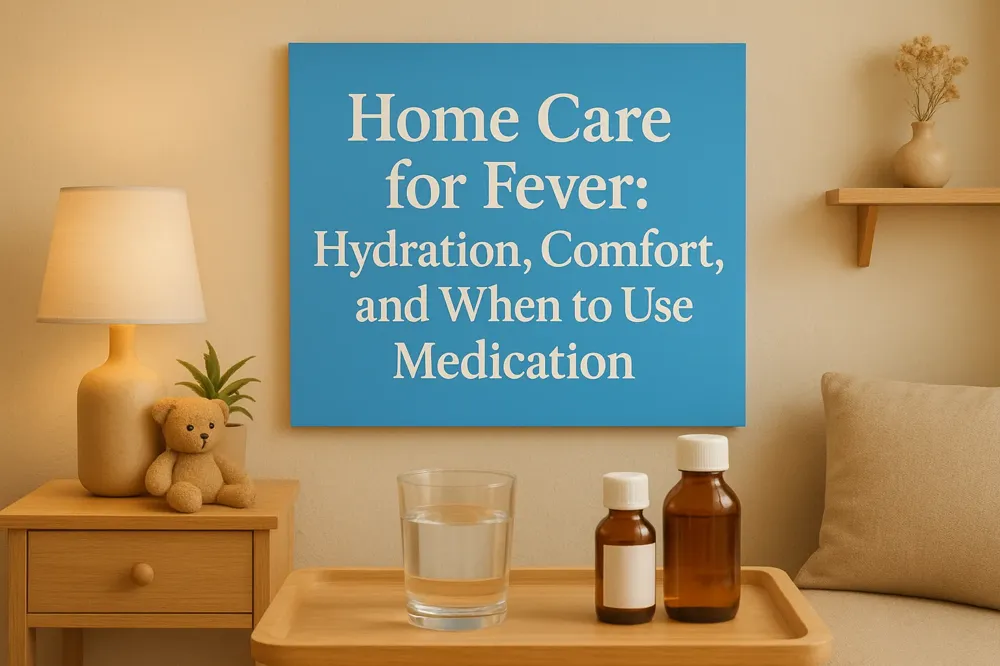
Keeping a child well-hydrated during a fever is essential. Fever increases fluid loss through sweating, and dehydration can worsen the child's condition. Offer plenty of fluids such as water, clear broth, electrolyte solutions, juice, or breast milk for babies. Avoid forcing the child to eat if they have little appetite; small, frequent meals are better. See more on Importance of hydration during fever and Encouraging fluid intake for children with fever.
Appropriate Clothing and Environment Control
Dress your child in light, comfortable clothing to help the body regulate temperature without trapping heat. Avoid heavy blankets or overdressing as this can increase fever. Keep the room cool but not cold to maintain comfort. Additional information is available under recommended clothing for child with fever and Dressing children during a fever.
Use of Acetaminophen and Ibuprofen for Comfort
Acetaminophen (Tylenol) and ibuprofen (Advil, Motrin) are recommended to reduce discomfort associated with fever. Dosages must be correctly followed according to the child's age and weight. These medications help improve how the child feels but do not speed recovery or prevent illness progression. Guidance on this topic can be found at Using acetaminophen or ibuprofen for fever and Medications for reducing child fever.
Avoidance of Aspirin and Harmful Cooling Practices
Never give aspirin to children or teens with a fever due to the risk of Reye's syndrome, a rare but serious condition. Also, avoid cooling practices like cold water baths or alcohol rubs, as these can cause shivering and increase discomfort. See Avoiding aspirin for children with fever and why not to use rubbing alcohol or cold baths for safety information.
When and How to Use Fever-Reducing Medication
Medication should be given if the child appears uncomfortable, has a fever over 102°F (38.9°C), or is unable to rest. Always use the correct dose, and avoid alternating or combining medications without medical advice. Medication is not always necessary if the child behaves normally and stays hydrated. For details, visit When to treat a fever in children and Fever treatment guidelines.
Home Care Strategies to Promote Comfort and Safety
Encourage rest and monitor for signs that require medical attention, such as persistent high fever, difficulty breathing, dehydration symptoms, or changes in behavior. Keep the child home from school or daycare until they have been fever-free for at least 24 hours without medication. Refer to Keeping children home during fever and Signs requiring urgent medical care for fever for more guidance.
CDC Guidelines Summary
According to the CDC, the best fever management is supportive care—offering fluids, ensuring comfort, and monitoring symptoms closely. Seek medical advice for infants under 3 months with fever, if the fever lasts more than a few days, or if serious symptoms arise. Following these recommendations helps keep children safe and comfortable while their body fights infection. For comprehensive recommendations, see Child's fever information and Management of Fever in Infants and Young Children.
When to Keep Your Child Home: Fever and Daycare Considerations
How long should a child be kept home from daycare after having a fever?
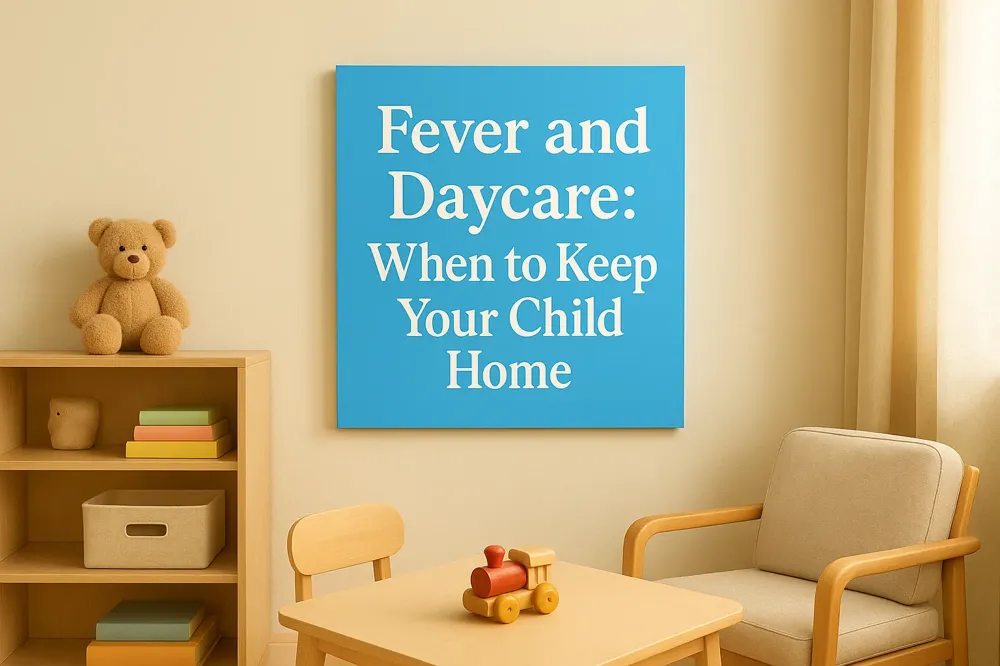
Children should stay home from daycare until they have been fever-free for at least 24 hours without the use of fever-reducing medications. This ensures the child is truly recovering and reduces the chance of spreading illness.
Fever is a natural immune response indicating the body is fighting an infection, but it can be contagious during this time, especially with viral illnesses like colds or the flu. Many of these illnesses are contagious for up to two weeks, so keeping children home during the height of symptoms is critical to protect other children and staff.
Infants under 3 months with a fever of 100.4°F (38°C) or higher should be medically evaluated immediately, as fever at this age could indicate a serious infection. Children with chronic health conditions also require extra caution and should follow their healthcare provider's guidance.
Parents should carefully observe their child’s symptoms and behavior before deciding to return to daycare. Ensuring the child feels well, is eating and drinking normally, and remains fever-free without medication for 24 hours is essential. This not only supports the child's recovery but also helps prevent further illness spread in daycare settings.
Typical Stages of Fever in Children: What to Expect and How to Help
What are the typical stages of a fever in children?
Fever in children usually progresses through distinct stages that signal the body's fight against infection.
Prodrome or onset phase
This is the initial stage where a child's body temperature begins to rise. The child may experience chills, feel uncomfortable or tired, and show signs of irritability. This phase tells caregivers the fever is starting.
Plateau or peak phase
During this phase, the fever reaches its highest point. Children might have flushed skin, sweating, or appear restless or irritable. The fever at this stage helps the immune system fight the infection effectively.
Defervescence or cooling phase
Here, the fever starts to decrease gradually. The child may sweat more as the body cools down, and improve in comfort and energy. This phase indicates that the illness is beginning to resolve.
Resolution phase
Once the fever has returned to normal, the child enters this recovery phase. Appetite and activity levels typically return to normal as the body fully recovers.
How understanding stages aids in care and monitoring
Knowing these stages helps parents and caregivers provide targeted care such as ensuring Importance of hydration during fever, offering light clothing, or administering fever-reducing medications to ease discomfort. It also helps in recognizing when the fever changes or persists, warranting further attention.
When to seek additional medical advice during the stages
Seek prompt medical care if a child under 3 months has a fever at any stage, or if older children exhibit signs like prolonged high fever, difficulty breathing, persistent vomiting, lethargy, or dehydration. Being aware of these stages allows for timely intervention and care to keep your child safe and comfortable. For detailed guidelines on When to seek emergency care for fever, consult reliable medical sources.
NICE Guidelines and Specific Recommendations for Pediatric Fever Management
What are the NICE guidelines for managing pediatric fever?
According to fever in children, managing a child's fever involves several careful steps to ensure comfort and safety. First, avoid overdressing or overwrapping the child to prevent overheating, which can worsen discomfort and potentially make the fever higher.
Medications like paracetamol and ibuprofen are recommended to reduce fever and ease discomfort, especially if the child seems distressed or unwell. These antipyretics should be used according to the correct dosages and only when necessary—not simply to normalize body temperature, but to improve how the child feels, as described in fever treatment guidelines.
It's important to closely monitor the duration of the fever and watch for any signs that might indicate a need for medical attention. If the fever lasts more than a few days, or if there are troubling symptoms such as persistent vomiting, extreme lethargy, breathing difficulties, or dehydration, parents should consult a healthcare provider promptly, following recommendations from when to seek medical attention for fever.
For specific illnesses like chickenpox, children may experience prolonged fever alongside other symptoms such as vomiting, with the rash often appearing about a week before the child becomes unwell. Because symptoms can vary, healthcare professionals assess each child's individual condition carefully, paying attention to their respiratory status, alertness, and any underlying health issues, as outlined in Causes of fever in children.
Ultimately, the NICE approach balances promoting the child's comfort at home with the necessity of seeking medical advice or treatment when the situation calls for it, emphasizing individualized assessment and appropriate management to prevent complications, in line with guidance on Child fever guidelines.
Key Takeaways: Caring for Your Child Through a Fever
Importance of Monitoring Temperature and Symptoms
Keep track of your child's fever using a reliable thermometer, noting temperatures and any behavioral changes like fussiness or lethargy.
Encouraging Hydration and Comfort Measures
Offer plenty of fluids to prevent dehydration and dress your child in light, breathable clothing to keep them comfortable.
Knowing When to Seek Medical Care
Seek immediate healthcare for babies under 3 months with a fever of 100.4°F or higher and for children showing severe symptoms such as difficulty breathing or persistent vomiting.
Role of Medications in Symptom Relief, Not Cure
Use acetaminophen or ibuprofen to ease discomfort but remember they do not cure the infection causing fever; avoid aspirin due to the risk of Reye's syndrome.
Trusting Parental Judgment and Pediatric Consultation
Parents should trust their instincts and contact a pediatrician if concerned about their child’s condition or if symptoms worsen or persist.