Introduction to Child Wellness Checkups
Purpose of Well-Child Visits
Well-child visits are routine medical checkups designed to monitor a child's overall health, growth, and development from infancy through adolescence. These checkups help pediatricians track key milestones, provide immunizations to prevent illnesses, and identify any potential health or developmental concerns early.
Recommended Visit Schedule
The American Academy of Pediatrics recommends an established schedule for well-child visits, starting shortly after birth (3 to 5 days old), then at 1, 2, 4, 6, 9, 12, 15, 18, 24, and 30 months. After 3 years of age, annual visits are recommended until age 21 to maintain ongoing monitoring.
Benefits of Routine Checkups for Children
Regular well-child visits foster a trusted relationship between pediatricians, parents, and children. These visits track growth, development, behavior, sleep, nutrition, and safety. They also ensure children receive timely immunizations and allow parents to discuss concerns while supporting the child's physical, mental, and social health.
The Schedule and Frequency of Well-Child Visits
AAP Recommended Periodicity Schedule
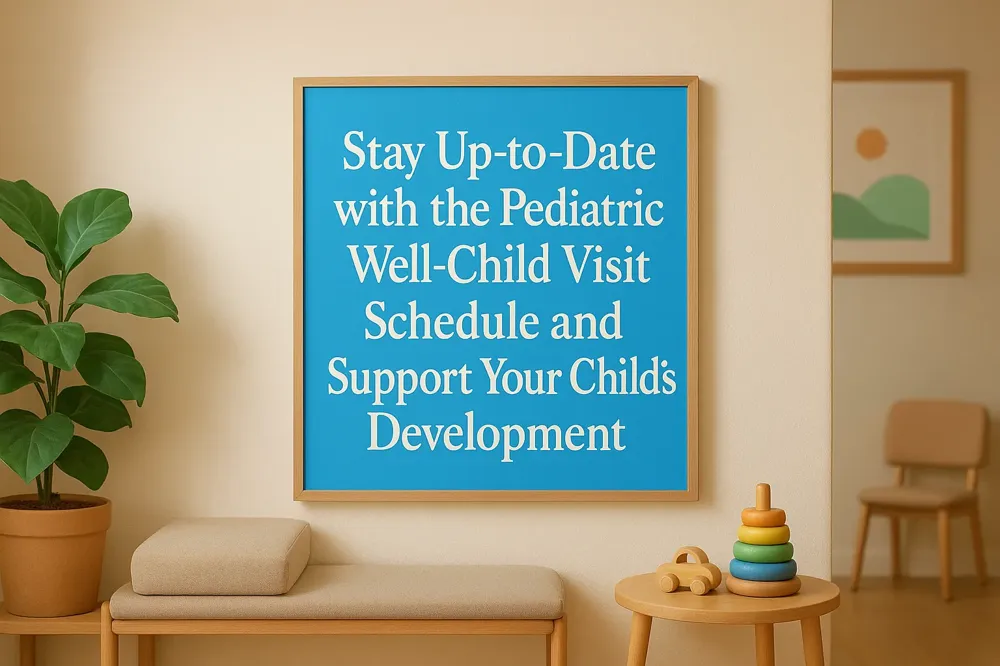
The American Academy of Pediatrics periodicity schedule has established a well-defined periodicity schedule for well-child visits. This schedule recommends eleven key visits within the first 30 months of a child's life, including visits at 3-5 days old, 1 month, 2, 4, 6, 9, 12, 15, 18, 24, and 30 months. After this period, annual wellness visits are advised from age 3 through 21 years to monitor ongoing growth, development, and health.
Early Childhood Frequencies
During infancy and toddlerhood, frequent visits allow pediatricians to closely assess developmental milestones, provide necessary immunizations during well-child visits, and address parental concerns about behavior, feeding, or sleep early on. These visits are critical in the prevention of illness and in detecting any health or developmental issues promptly.
Annual Visits After Age 3
Once children turn three, well-child visits typically shift to an annual schedule. These yearly checkups remain vital for tracking health, updating vaccinations, screening for vision, hearing, and behavioral concerns, and discussing topics like nutrition, safety, and social development. Regular annual visits also provide a forum for parents to raise questions and foster a trusting relationship with the pediatrician.
Medicaid and CHIP Support for Wellness Visits
Medicaid and the Children's Health Insurance Program (CHIP) prioritize children's preventive care by covering well-child visits at no cost, ensuring access to essential screenings, immunizations, and developmental assessments. Despite strong support, disparities in attendance exist due to transportation, work schedules, and social factors. Programs nationwide are actively working on initiatives to increase visit rates and address these barriers.
Parental Role in Attending Scheduled Visits
Parents are encouraged to actively participate by preparing questions, sharing observations about their child's development, and bringing previous medical records to each appointment. Attending the recommended schedule of well-child visits allows parents and pediatricians to work as a team, promoting the child's physical, social, and mental well-being.
Frequently Asked Questions
| Question | Answer Summary | Importance |
|---|---|---|
| Are kids supposed to get yearly well-child check-ups? | Yes, especially after age 3, yearly visits are important for ongoing health monitoring, immunizations, and addressing developmental and behavioral concerns. | Ensures regular health tracking and timely intervention. |
| How often should children have wellness visits? | Eleven visits in the first 30 months, then annually after age 3, as per AAP well-child care schedule and Bright Futures recommendations. Medicaid/CHIP coverages support these visits. | Helps catch health issues early and promote preventive care |
Adhering to the recommended schedule of well-child visits is a vital step in safeguarding a child's health throughout infancy, childhood, and adolescence.
What Happens During a Routine Well-Child Visit?
Physical examinations and measurements
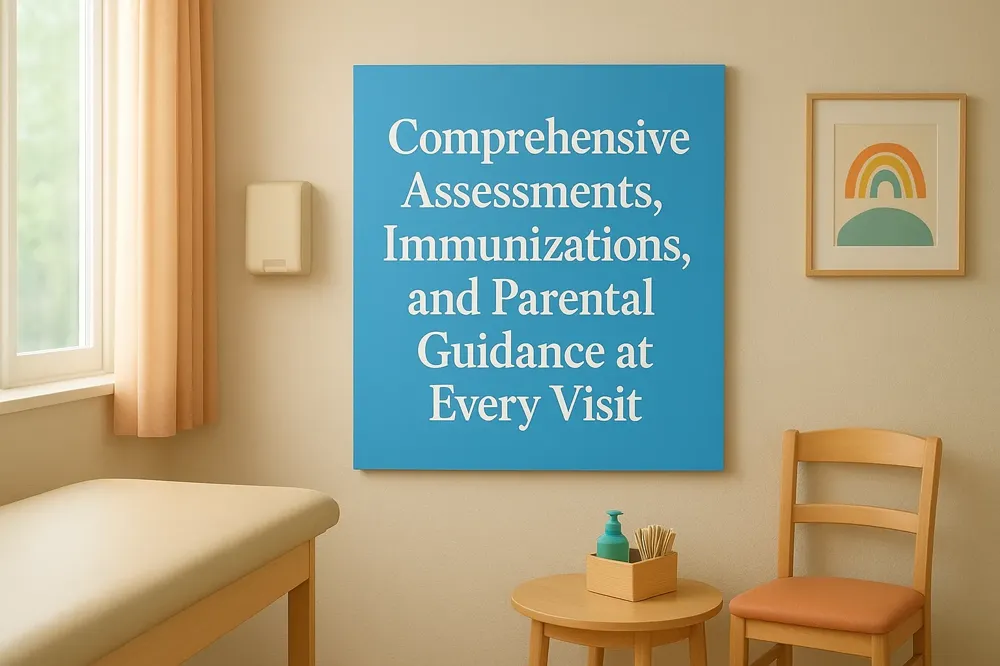
During a routine well-child visit, the pediatrician performs a comprehensive physical exam. This includes measuring vital growth indicators such as height, weight, and head circumference (for younger children). Blood pressure is typically screened starting from age 3. These measurements help monitor the child's physical development and detect any early health concerns.
Developmental and behavioral screenings
Pediatricians assess developmental milestones and conduct behavioral screenings to track social, emotional, and cognitive progress. Formal developmental screenings are commonly performed at specific ages like 9, 18, and 30 months, with autism screenings at 18 and 24 months. Regular behavioral assessments help detect issues such as ADHD or mood disorders early on.
Immunizations administration
A vital part of the visit is administering age-appropriate vaccines. Immunizations protect children from preventable diseases like measles, whooping cough, and HPV. Vaccination schedules follow CDC and American Academy of Pediatrics guidelines, and most health plans cover them at no cost when provided by in-network providers.
Screenings for vision, hearing, blood pressure, and oral health
Vision and hearing tests are conducted at specified ages to identify sensory challenges early. For example, hearing screenings at birth and periodically in childhood, and vision checks between ages 3 and 6. Oral health assessments start with the appearance of the first tooth, including referrals to dentists and fluoride treatments if needed.
Parent-pediatrician discussions about health, nutrition, and safety
Well-child visits provide a valuable opportunity for parents to discuss any concerns about their child's development, behavior, sleep, nutrition, and safety. Pediatricians offer guidance on healthy habits, accident prevention, and social development, fostering a team approach to care.
Preventive care importance and insurance coverage
These visits play an essential role in preventing illness, detecting health issues early, and supporting overall child wellbeing. They are typically covered under insurance plans, including Medicaid and the Affordable Care Act, with no copayments for preventive services. This ensures access to vital care from infancy through young adulthood.
Differentiating Well-Child Check-Ups from Physical Exams
What is a Well-Child Checkup?
A well-child checkup is a thorough health visit designed to monitor a child's overall growth, development, and well-being from infancy through adolescence. These visits are scheduled regularly to track physical milestones, brain development, mental health, and social-emotional progress.
Is a Well-Child Checkup the Same as a Physical Exam?
No. A physical exam is just one component of a well-child visit schedule. While the physical exam focuses on measurements like height, weight, blood pressure, vision, and hearing tests, the well-child visit goes further. It includes assessments of behavioral health, developmental milestones, mental and emotional wellness, and preventive measures such as immunizations and nutritional guidance.
Why Do Well-Child Visits Focus on More Than Physical Health?
Well-child visits take a multidimensional approach by evaluating mental, emotional, and social health alongside physical growth. This helps to identify issues such as developmental delays, behavioral concerns, or emotional difficulties early on, ensuring timely intervention and support.
Role in Early Detection and Preventive Care
The comprehensive nature of well-child checkups promotes early detection of health challenges, including anemia, autism spectrum disorders, and lead poisoning. Preventive care topics like safety, nutrition, sleep habits, and immunizations are also discussed to maintain a child’s health.
Importance of Comprehensive Assessments
By combining physical exams with behavioral screenings and parental discussions, well-child visits foster a team approach between healthcare providers and families. This comprehensive assessment supports the child’s physical, mental, and social development, laying a foundation for lifelong health.
Common Pediatric Procedures and Screenings During Wellness Visits
What Are Some Common Pediatric Procedures?
Common pediatric procedures encompass a variety of interventions tailored to children's unique medical needs. These range from routine immunizations that prevent infectious diseases to urgent procedures like incision and drainage of abscesses. Additionally, procedures such as bladder catheterization address urinary concerns, while lumbar punctures help diagnose central nervous system infections. In critical care settings like the NICU or PICU, airway management techniques including endotracheal intubation and bag-mask ventilation are used.
Routine Immunizations Per CDC Schedule
Age-appropriate vaccinations are a cornerstone of well-child visits. Vaccines protect against illnesses like measles, mumps, rubella, chickenpox, hepatitis, pneumococcal diseases, and HPV. The pediatrician follows the CDC’s immunization schedule, ensuring timely protection.
Developmental and Autism Screenings
At key ages—9, 18, and 30 months—children undergo developmental screenings to assess motor, language, cognitive, and social milestones. Autism-specific screening using tools like the M-CHAT occurs at 18 and 24 months to identify early signs.
Blood Tests Including Anemia, Lead Poisoning, Cholesterol
Blood tests may be conducted to check anemia (especially around 12 months), lead exposure (recommended between 1 and 2 years), and cholesterol levels (between ages 9-11 and later in adolescence). These tests enable early detection and management of health concerns, as outlined in child wellness checkup guidelines.
Vision and Hearing Tests
Vision screening is regularly performed between ages 3 and 6, while hearing tests occur at birth and periodically throughout childhood. These screenings help identify impairments that can affect development and learning, per well-child visit recommendations.
Oral Health Assessments
Dental health assessments start with the eruption of the first tooth, typically between 6 and 12 months. Fluoride treatments and dentist referrals are part of comprehensive care to prevent cavities and promote oral hygiene, as discussed in child wellness checkups overview.
Screening for Behavioral and Mental Health Conditions
Pediatricians evaluate emotional well-being and behavioral development at every wellness visit. This includes assessing for anxiety, depression, ADHD, and social interactions, with referrals made as necessary.
Specialized Procedures in Acute or Complex Cases
For children with acute or complex medical issues, specialized procedures such as lumbar punctures, endotracheal intubation, or bag-mask ventilation might be employed during hospitalizations or intensive care situations to diagnose or stabilize conditions.
| Procedure Type | Typical Age or Setting | Purpose |
|---|---|---|
| Immunizations | All ages per CDC schedule | Prevent infectious diseases |
| Developmental & Autism Screening | Mainly 9, 18, 24, 30 months | Monitor developmental milestones |
| Blood Tests | 12 months and up | Detect anemia, lead poisoning, lipids |
| Vision & Hearing Screening | Vision 3-6 years, hearing newborn onward | Identify sensory impairments |
| Oral Health Assessments | Starting 6-12 months | Promote dental health |
| Behavioral & Mental Health Screening | Every wellness visit | Detect emotional/behavioral issues |
| Specialized Procedures | ICU or hospital as needed | Diagnostic or life-support procedures |
Regular pediatric health screenings and procedures during well-child visits are vital to securing your child's healthy growth and early identification of any health issues. These visits foster timely intervention and support a strong foundation for lifelong wellness.
Preparing for Well-Child Visits and Legal Considerations
How should parents prepare for well-child visits?
Parents play a crucial role by preparing for well-child visits. They should bring all relevant medical records, including immunization history and records of previous illnesses or hospital visits. Also, it's helpful to make a list of any questions or concerns about the child's health, behavior, sleep, or nutrition to discuss with the pediatrician. Arriving 10 to 15 minutes early can help ease check-in and provide time to update any paperwork.
How long does a pediatric well-child check-up typically last?
Well-child visits usually last between 15 to 30 minutes. For younger children and infants, the visit may focus more on growth measurements, developmental milestone checks, and administering vaccinations. For older children and teens, the doctor includes screenings for vision, hearing, behavior, and mental health, while also discussing social development and lifestyle habits. This time frame allows thorough evaluation without causing fatigue for the child.
Are well-child visits required by law?
Annual well-child visits themselves are not mandated by law; however, immunizations during these visits are often legally required for school enrollment and public health compliance. Parents should ensure their children receive all recommended vaccines on schedule to meet these legal and health guidelines which protect not only the individual child but the community by preventing disease.
What legal rights do adolescents have regarding confidentiality and consent?
From age 12 onwards, many states protect adolescents' rights to confidential healthcare services. Teens may consent to certain types of care, such as treatment related to substance use or sexual health, without parental permission. Pediatricians respect confidentiality to foster open communication, which is essential for effective care during adolescence.
Why is trust and continuity with the pediatrician important?
Establishing a trusting, ongoing relationship among the pediatrician, child, and family is vital. It creates a supportive environment where concerns can be raised freely and development can be closely monitored over time. Consistent care allows early detection of health or developmental issues and ensures personalized guidance tailored to the child's evolving needs. For more information on the pediatrician-parent-child relationship and physical, mental, and social child health support, please refer to the linked resources.
The Vital Role of Wellness Checkups in Child Health
Why Wellness Checkups Matter
Wellness checkups are essential health visits that help monitor a child's growth, development, and overall well-being from infancy through adolescence. These regular visits allow pediatricians to track physical milestones, assess behavioral and social progress, and provide timely immunizations to protect against preventable diseases.
Encouraging Regular Attendance
By following a recommended schedule of visits starting from just a few days after birth and continuing annually through young adulthood, parents foster a strong partnership with their child's healthcare provider. This consistent care encourages early identification of health or developmental concerns, enabling quick intervention when needed.
Benefits for Long-Term Health
Regular well-child visits promote lifelong healthy habits, prevent illness, and support mental and social development. Establishing these preventive visits lays the foundation for a healthier child and teen, ultimately helping them thrive physically, emotionally, and socially throughout their journey to adulthood.