Why Healthy Eating Matters for Kids
Importance of Nutritious Food for Brain Development, Growth, and Immune Health
Good nutrition is essential during childhood because it supports rapid physical and mental growth. Nutrient-rich foods—such as fruits, vegetables, whole grains, lean proteins, and dairy—provide vital vitamins, minerals, and healthy fats that fuel brain development, build strong bones and muscles, and strengthen the immune system.
Prevention of Chronic Diseases Through Good Nutrition
Healthy eating habits early in life can lower the risk of developing chronic conditions such as obesity, diabetes, heart disease, and certain cancers later on. Limiting foods high in added sugars, saturated fats, and excess sodium helps protect children from these long-term health risks.
Foundation of Lifelong Healthy Eating Habits
Establishing balanced and enjoyable eating routines during childhood encourages a positive relationship with food. Involving children in meal preparation and offering repeated exposure to healthy foods helps them develop tastes for nutritious options that last a lifetime. This foundation supports healthy growth and well-being as they grow into adults.
Building Balanced Meals for Children Aged 5 to 12
What does a balanced diet look like for children aged 5 to 12 years?
A balanced diet for children in this age group involves eating a wide range of nutrient-rich foods from all major food groups. Key components include variety of fruits and vegetables that provide essential vitamins and minerals, whole grains benefits for children like brown rice and whole wheat bread that offer sustained energy and fiber, lean proteins for children such as poultry, fish, beans, and eggs to support growth and muscle development, and Dairy and fortified soy alternatives rich in calcium and vitamin D for strong bones.
Age-appropriate portion sizes and meal frequency
Children aged 5 to 12 typically benefit from eating about 4 to 5 times per day, including three main meals and 1 to 2 healthy snacks. Portion sizes vary, but generally include 2-4 servings of vegetables, 2-3 servings of fruit, 2-3 servings of grains (favoring whole grains), 2-3 servings of protein foods, and about 3 servings of dairy daily. Offering portion sizes for toddlers preschoolers and elementary kids helps children listening to fullness cues in children, encouraging self-regulation.
Limiting added sugars, saturated fats, and sodium
It's crucial to minimize foods and drinks high in added sugars, saturated fats, and sodium. These are often found in processed snacks, sugary beverages, fast food, and many convenience foods. Choosing fresh, whole foods and reading nutrition labels helps reduce consumption of these unhealthy ingredients, protecting children’s long-term health and reducing the risk of obesity, heart disease, and other chronic conditions. For more details on Limiting added sugars and saturated fats in children’s diets, see the resource.
Hydration recommendations
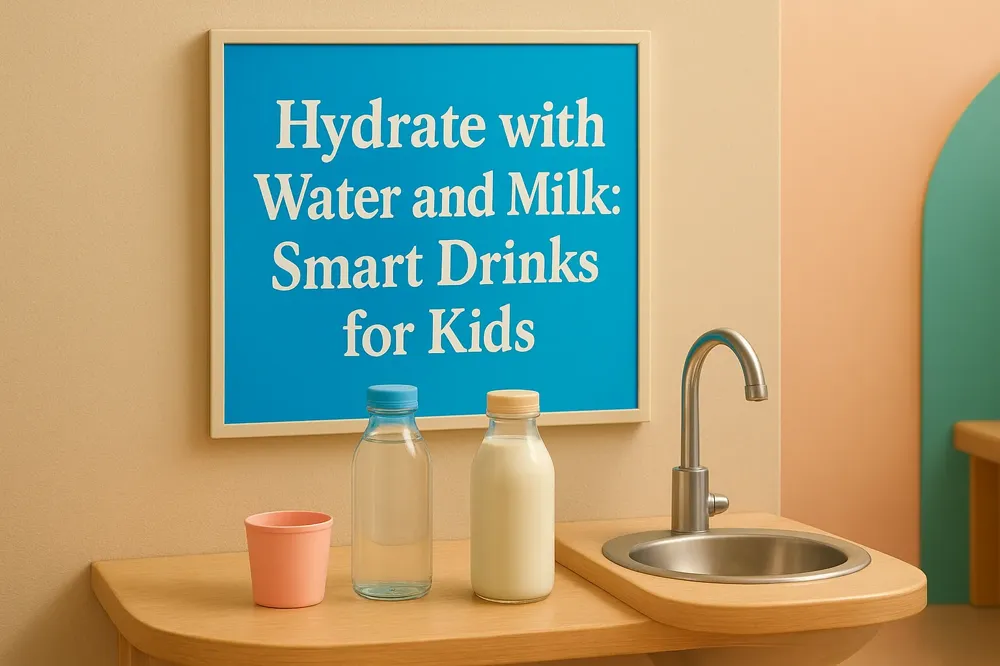
Water is the best beverage choice to keep children hydrated throughout the day. Low-fat or fat-free milk is also recommended for calcium and vitamin D intake. Sugary drinks like sodas and fruit juices should be limited, as they add unnecessary calories and sugars. Encouraging water as the primary drink helps maintain proper hydration and supports healthy digestion. Additional Best Hydration Choices for Children can guide parents and caregivers.
Physical activity complementing healthy eating
Alongside balanced nutrition, children aged 5 to 12 should engage in at least 60 minutes of physical activity daily. Activities like playing outdoors, biking, or sports not only strengthen muscles and bones but also improve cardiovascular health and mental well-being. Physical activity supports healthy weight management and complements nutritious eating habits for overall growth and wellness. For more on Daily physical activity recommendations for children and teens and Healthy lifestyle behaviors for children and teens.
Encouraging Healthy Eating Habits in Children
What are some good eating habits for children?
Good eating habits for children involve offering a balanced variety of foods from all food groups: fruits, vegetables, grains, protein, and dairy. Portion sizes should match their age and developmental needs to ensure proper nutrition (portion sizes for toddlers preschoolers and elementary kids).
Role of repeated exposure to new foods
Children may need 10 to 15 exposures to a new food before they accept it. Repeatedly offering healthy foods encourages children to develop a taste for them without pressure. Pairing new foods with familiar favorites can make trying new tastes less intimidating.
Involving children in meal planning and preparation
Engaging kids in choosing ingredients and helping prepare meals makes them more interested in eating healthfully (involving kids in meal preparation. This involvement supports independence and a positive attitude toward trying different foods (children choosing and preparing foods.
Creating distraction-free family mealtimes
Eating together as a family without screens or other distractions promotes mindful eating (family meals and healthy eating). This setting helps children focus on their food and recognize their hunger and fullness cues (listening to fullness cues in children.
Respecting hunger and fullness cues
Allowing children to decide how much to eat based on their internal signals encourages healthy self-regulation (children deciding how much to eat). Avoid forcing children to finish plates, which can undermine their ability to recognize fullness (avoiding forcing or bribing children to eat).
Modeling healthy eating behaviors
Parents and caregivers who eat a variety of nutritious foods and drink water regularly set an example that children tend to follow (parents modeling healthy eating. Role modeling impacts children's long-term eating patterns (encouraging healthy routines through family modeling).
Limiting unhealthy foods and sugary drinks
Foods and drinks high in added sugars, saturated fats, and sodium should be limited to protect children's health and help prevent obesity (limiting saturated fats sodium and sugars. Encouraging water and low-fat dairy as primary drinks supports hydration and nutrient needs (healthy hydration choices).
By fostering these habits, parents can support their children in developing a healthy relationship with food that lasts a lifetime.
Making Healthy Eating Attractive and Fun to Your Child
Using Visual Food Presentation and Creative Meal Ideas
Presenting foods in colorful and fun ways makes children more interested in eating healthy. Try using bright plates, cutting fruits and vegetables into fun shapes, or creating themed meals that tell a story. These playful approaches encourage kids to enjoy their food and become curious about encouraging children to try new healthy foods.
Involving Children in Grocery Shopping and Cooking
Let your children participate in selecting fruits, vegetables, and other healthy foods during grocery trips. Involving kids in meal preparation, from washing vegetables to stirring ingredients, makes them more invested and open to tasting what they helped create. This hands-on experience fosters independence and a positive attitude toward nutritious eating.
Using Familiar Foods Alongside New Foods for Acceptance
Introduce new foods by pairing them with favorites your child already enjoys. Offering small portions to children of new items next to well-liked ones helps reduce resistance and promotes acceptance over time. Remember, children may need repeated exposure to new foods for kids 10-15 times before they accept them, so patience is key.
Offering Healthy Snacks Like Fruits and Low-Fat Dairy
Provide healthy snacks such as fresh fruit slices, carrot sticks, yogurt, or low-fat cheese. Having these options readily available and within reach encourages children to choose nourishing snacks over sugary or processed foods. Designating a special shelf or container for healthy snacks for children can make selection easier and more fun.
Avoiding Food as a Reward or Emotional Comfort
Instead of using food to reward good behavior or provide comfort, focus on non-food ways like praise, hugs, or activities. This helps children develop a healthy relationship with food, preventing emotional eating and encouraging mindful eating based on listening to fullness cues in children.
By blending creativity, participation, and positive reinforcement, you can make healthy eating an enjoyable and attractive part of your child's life, setting the foundation for lifelong good nutrition.
Supporting Your Child's Independence and Positive Food Choices
How can I get my child to eat healthier?
Encouraging healthy eating habits for children starts with offering a variety of nutritious foods at home. Stock your kitchen with colorful fruits and vegetables for kids, whole grains, lean proteins, and low-fat dairy products. Children who see these foods regularly and have easy access are more likely to choose them.
Allowing children to choose from healthy options
Allow your child to pick from the healthy foods available. Giving choices empowers them and fosters independence. For instance, let them decide between apple slices or carrot sticks as a snack, or which vegetable to include with dinner. This involvement promotes a sense of control and encourages a positive attitude toward food.
Respecting their hunger and fullness cues
It's important to trust your child's internal signals. Encourage them to eat when hungry and stop when full. Avoid pressuring your child to finish their plate since this can undermine their ability to self-regulate food intake and may lead to overeating or aversion to certain foods.
Offering choices to foster autonomy
Including your child in meal planning and preparation not only makes mealtime fun but also supports autonomy. Simple tasks like washing vegetables or setting the table can increase their interest in trying new foods and accepting a greater variety.
Avoiding pressure or force during meals
Pressuring children to eat specific foods or using food as a reward or punishment can create negative associations. Instead, gently encourage exploration and tasting, remembering that it may take 10 to 15 exposures for a child to accept a new food, supported by repeated exposure to new foods.
Positive reinforcement and gradual introduction of new foods
Celebrate when your child tries something new and offer familiar favorites alongside new options. This approach makes mealtimes less stressful and helps develop healthy eating habits gradually.
By combining these strategies, you help your child develop a healthy relationship with food, supporting their growth, development, and lifelong wellness.
Creating a Structured and Supportive Food Environment
Establishing regular meal and snack routines
Creating consistent schedules for meals and snacks helps children regulate their hunger and promote healthy eating habits for children 2 to 8. Serving balanced meals at predictable times reduces grazing and overeating and supports better appetite awareness.
Making healthy foods visible and accessible at home
Keep nutrient-rich options like fruits, vegetables, whole grains, and low-fat dairy in easy-to-reach places. For example, designate a specific shelf in the refrigerator for kid-friendly healthy snacks such as cut-up veggies, fruits, and yogurt. This visibility encourages children to choose nutritious foods on their own and supports healthy eating for children aged 2 to 8.
Limiting sugary drinks and high-sodium processed foods
Offering water and low-fat or fat-free milk as primary beverages supports hydration and nutrient intake. Limit sodas, fruit drinks, and high-sodium processed foods that can contribute to health issues like obesity and hypertension. Choosing fresh or low-sodium canned vegetables over processed options is beneficial and aligns with limiting saturated fats sodium and sugars and Nutrition for kids.
Family meals with screens off
Eating together as a family without TV or other screens encourages mindful eating and positive social interactions. Family meals help children make healthier food choices, increase intake of fruits and vegetables, and develop a favorable attitude toward mealtime, as supported by the benefits of family meals and healthy eating.
Role of parents as role models in food choices
Children learn by watching adults. Parents who demonstrate balanced eating habits, enjoy healthy foods, and involve their children in grocery shopping and meal preparation foster a supportive food environment. This modeling encourages kids to try new foods and listen to their fullness cues, which aligns with parents modeling healthy eating and role modeling healthy eating.
What are 5 healthy eating habits for kids?
- Offer a variety of fruits, vegetables, grains, protein, and dairy tailored to the child's age following feeding recommendations for ages 2-8.
- Keep healthy foods visible and accessible throughout the home, as advised in making healthy foods visible to children.
- Start meals and snacks with water and wholesome foods, limiting sweets and unhealthy snacks, consistent with limiting added sugars and saturated fats children.
- Involve children in meal planning and cooking to promote independence, as supported by tips on involving kids in meal preparation.
- Establish consistent meal and snack routines, using repeated, gentle exposure to new foods, which is fundamental to introducing new foods to children.
Implementing these habits within a structured and caring environment helps children develop lifelong healthy eating behaviors and supports their growth and well-being.
Addressing Challenges: Picky Eating and Food Refusal
How can parents help children who refuse to eat?
It's important for parents to recognize that normal fluctuations in a child's appetite often occur, especially during ages 1 to 5. This decreased appetite is a typical part of Healthy lifestyle behaviors for children and teens and does not always indicate a problem.
Pressuring or forcing children to eat can create stress and may make them more resistant to trying foods. Instead, parents should avoid power struggles around food and respect Teaching kids about healthy eating.
Repeated exposure to new and varied healthy foods—sometimes 10 to 15 times—is often needed for children to accept them. Pairing new foods with familiar favorites can make this easier.
Focusing on positive mealtime experiences without distractions or criticism helps children feel comfortable and more willing to try new foods. Regular family meals and healthy eating habits can also increase their interest in eating.
Parents should consult healthcare providers if their child shows persistent food refusal along with symptoms such as fatigue, poor growth, or digestive issues. Otherwise, if the child remains active and is growing well, their Healthy lifestyle behaviors for children and teens are likely sufficient despite picky phases.
Building Lifelong Healthy Eating Habits
Importance of Early Nutrition for Growth and Long-Term Health
Early childhood is a crucial time for physical and mental development. Nutrient-rich foods support brain growth, strong bones, and a healthy immune system. Establishing healthy eating now lays the foundation for well-being that lasts into adulthood.
Role of Parents and Caregivers
Parents and caregivers play a vital role by modeling healthy eating and controlling food availability. Offering a variety of fruits, vegetables, whole grains, lean proteins, and dairy encourages balanced nutrition. Involving children in food choices and meal preparation fosters independence and willingness to try new foods.
Encouraging Positive Eating Environments
Creating routines like family meals with minimal distractions helps children focus on hunger and fullness cues, promoting self-regulation. Making mealtimes fun and engaging, along with repeated exposure to new foods, supports acceptance and positive attitudes. A calm, supportive atmosphere builds lasting healthy habits for kids and teens.