Understanding Common Childhood Illnesses and the Importance of Home Care
Overview of frequent illnesses in children
Children commonly experience illnesses such as colds, flu, ear infections, sore throats, and stomach bugs. These conditions are often caused by viruses and bacteria to which young immune systems are still adapting. It is typical for kids to get 6 to 8 colds annually as they build immunity.
Role of the immune system in childhood illness
Since children’s immune systems are still developing, they are more vulnerable to infections. Each illness provides an opportunity for the immune system to learn and strengthen its defenses. This explains why frequent mild illnesses in childhood are a normal part of growth.
Importance of recognizing symptoms and timely care
Recognizing symptoms such as fever, persistent cough, ear pain, or difficulty breathing is crucial. Most common childhood illnesses can be managed at home with rest, fluids, and over-the-counter medications. However, timely consultation with a pediatrician ensures proper diagnosis and appropriate treatment, especially when symptoms worsen or last longer than expected. Early medical attention helps prevent complications and promotes faster recovery, safeguarding the child's health and comfort at home.
Identifying and Managing Common Childhood Illnesses at Home
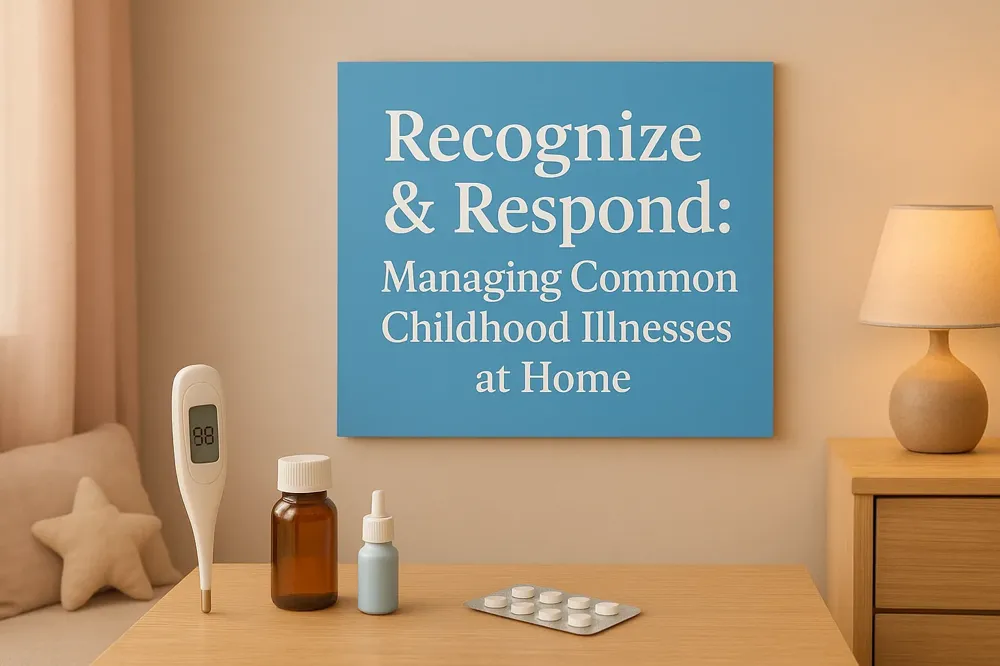
What are the most common childhood illnesses in the USA?
Children frequently experience illnesses such as Common Colds in Children, influenza (flu), Ear Infections in Children, strep throat, respiratory syncytial virus (RSV), pneumonia, and meningitis. These conditions are often contagious and spread easily through close contact, respiratory droplets, and shared surfaces. Many of these illnesses are caused by viruses, while others, like strep throat and some ear infections, are due to bacteria. For more Common childhood illnesses and details, see resources from CDC (Childhood Illnesses Information) and Preventing childhood illnesses.
Typical symptoms and progression
Symptoms vary by illness but often include fever, cough, sore throat, congestion, ear pain, runny nose, and fatigue. Viral colds and flu develop symptoms gradually or suddenly, respectively. Ear infections usually follow a cold and can cause ear pain and irritability. Serious illnesses like pneumonia or meningitis may present with high fever, breathing difficulties, and general unwellness and require urgent care. For symptom details and treatment options, review Common pediatric illnesses and Common Childhood Illnesses.
When to use home remedies versus seeking medical care
Most mild viral illnesses can be managed safely at home. Rest, hydration, and over-the-counter medications like acetaminophen or ibuprofen help ease symptoms such as fever, aches, and congestion. Home remedies such as humidifiers, saline nasal sprays, and warm compresses can also provide relief. Parents can refer to Managing common childhood illnesses at home and Comforting sick kids at home for detailed home care tips. However, parents should seek medical attention if symptoms worsen or last beyond five days, if there is persistent high fever (above 104°F), difficulty breathing, dehydration signs, or if the child is very young (under 1 year). Guidance for When to Seek Medical Attention and keeping a sick child at home guidelines are useful for decision-making.
Role of antibiotics and symptom management
Antibiotics are necessary only for bacterial infections like strep throat, some ear infections, and bacterial sinusitis. These require a pediatrician’s diagnosis and prescription. Viral illnesses do not benefit from antibiotics and are managed with supportive care. Correct antibiotic use helps clear infections and reduces contagion risks. Symptom management remains vital for comfort and recovery during any childhood illness. More on Ear infections in children and antibiotic treatment and When to seek medical help for childhood illnesses can provide additional insights.
Practical Prevention Strategies for Caregivers
What can caregivers do to prevent childhood illnesses?
Caregivers play a vital role in reducing the risk of preventing childhood illnesses by following practical prevention strategies. One of the most effective ways to protect children is by keeping up-to-date with all recommended Vaccinations for children.
Good hygiene practices are equally important. Frequent handwashing for kids with soap and water, especially before meals, after bathroom use, and after outdoor activities, helps eliminate germs. Caregivers should also regularly clean and disinfect toys, electronic devices, and commonly touched surfaces to reduce infections spreading among children.
Teaching healthy habits to children is critical. Encouraging them to cover their coughs and sneezes effectively with a tissue or their elbows prevents airborne transmission. Children should learn not to share personal items such as hats, combs, or utensils, which can harbor germs.
Minimizing exposure to illness is key, too. Keeping children away from sick individuals, avoiding second-hand smoke, and ensuring a clean, well-ventilated environment can help protect fragile immune systems. These simple but effective measures help keep kids healthier, especially when they are in group settings like daycare or school, where germs spread easily.
Home Care Techniques to Comfort and Support Sick Children
How can parents care for a sick child at home?
Parents can support their sick children by using fever-reducing medications like acetaminophen or ibuprofen when the child feels uncomfortable, always following dosage instructions based on age and weight. Hydration is critical during illness — encourage fluids such as water, diluted fruit juices, herbal teas, or oral rehydration solutions to prevent dehydration, which is a common concern.
To relieve symptoms without medication, parents can use saline nasal sprays or drops to clear stuffy noses, especially in infants who cannot blow their noses. Cool-mist humidifiers add moisture to the air to ease breathing and help soothe irritated airways.
For coughs, especially in children over one year old, honey can be an effective, natural remedy for soothing the throat and suppressing coughs; however, honey should never be given to infants under 1 year due to botulism risk. Applying mentholated vapor rub on the chest or back at nighttime can also help relieve cough and congestion.
Throughout the illness, make sure the child's environment is comfortable — keep rooms airy but avoid direct drafts, provide cozy bedding and pillows, and encourage rest to promote recovery. Avoid unsafe practices like letting a baby fall asleep on the sofa, which can increase risk of injury or suffocation.
Finally, it is important to monitor symptoms carefully. Seek pediatric care if fever exceeds 104°F (40°C), symptoms last more than five days, the child shows difficulty breathing, dehydration signs, or severe pain. Early medical consultation ensures proper diagnosis and treatment, especially for young children or those with underlying conditions.
Special Considerations for Chronically Ill Children and Pediatric Home Health Care
What are pediatric home health nursing services and what roles do pediatric home care nurses play?
Pediatric home health care provides specialized medical care tailored for children in their own homes, particularly those recovering from illnesses or living with chronic conditions like cardiac diseases, respiratory issues, or developmental disorders. These skilled nurses evaluate the child’s health status and administer treatments and medications, including complex therapies such as infusion therapy.
Personalized care plans are created in partnership with pediatricians to ensure every child's needs are met. Nurses educate families on treatment procedures, safe use of medical equipment, and managing symptoms. They also coordinate services like physical and occupational therapy, crucial for supporting the child's development and wellbeing.
This approach helps reduce hospital readmissions and improves recovery by offering care in a comfortable, familiar environment, which can be less stressful for both children and families. Ultimately, pediatric home health nursing emphasizes compassionate, family-centered care that promotes healing and safety.
What approaches help parents cope with having a chronically ill child?
Caring for a chronically ill child is challenging, but focusing on the child as a whole person—not just their illness—helps parents maintain hope and positivity. This holistic outlook supports emotional resilience for the entire family.
Parents benefit greatly from talking with reliable and supportive individuals who can provide both emotional comfort and practical assistance. Such support networks can make a meaningful difference now and as the child grows.
Care plans and specialized services at home
Home health care involves a range of services including pediatric nursing, occupational and physical therapies, oncology care, and palliative support. Care is personalized and regularly adjusted based on the child's progress and changing medical needs.
Medical equipment such as oxygen, feeding tubes, and monitors are safely set up in the home with education provided to caregivers, ensuring thorough understanding and competence.
Supporting families managing chronic or complex conditions
Providing families with education, training, and emotional support is fundamental. Customized care plans empower families to confidently manage their child’s condition, easing anxieties related to medical complexities.
Advantages of home care in improving recovery and comfort
Children in home health care experience faster recovery and greater comfort in a familiar environment, helping maintain routines like going to school and social interaction.
This also reduces stress on families by minimizing hospital visits, allowing care to fit better with family schedules and lifestyles.
In summary, pediatric home health nursing is an invaluable resource that supports chronically ill children through expert medical care, family empowerment, and a nurturing home setting.
Enhancing Communication and Engagement with Pediatric Patients
Building trusting relationships with children in healthcare settings
Trust is essential when interacting with pediatric patients. Healthcare providers should encourage children to share their stories and symptoms using their own words, which helps young patients feel listened to and valued. Recognizing familiar slang, TV shows, or games enhances communication and shows genuine interest, fostering rapport. For further insights, see Tips for pediatric patients at home.
Using play and familiar interests to ease anxiety
Incorporating play or discussing the child's favorite activities helps reduce anxiety during medical visits. Play can serve as a natural icebreaker, making the environment less intimidating. Engaging children with their interests not only distracts them but also builds a sense of safety and cooperation. More guidance on Parenting Through Childhood Illnesses includes approaches like these.
Providing space and patience during consultations
Patience is critical when working with children. Allowing extra time for them to process questions and respond provides a comfortable atmosphere. Offering space for brief moments of silence reassures children that they can share honestly at their own pace. This principle supports Managing childhood illnesses effectively.
Importance of respecting children's feelings and behaviors
Respecting a child's emotions and behavior during a visit demonstrates empathy and acceptance. Accepting affectionate gestures, like hugs, if offered by the child promotes positive connections and reassures them that they are valued. Such respect strengthens trust and encourages ongoing openness in care. For more on Child communication cues, see this resource.
By focusing on these approaches, healthcare providers can create a supportive experience that encourages children to participate actively and comfortably in their health care.
Empowering Families to Manage Childhood Illnesses Confidently
Prevention and Care Tips
Children commonly experience 6-8 colds annually as their immune systems develop. Prevention includes keeping vaccinations up to date, teaching good hand hygiene, covering coughs and sneezes, and disinfecting common surfaces. When illness strikes, rest, hydration, and age-appropriate over-the-counter medications can ease symptoms.
Recognizing When to Seek Help
While many illnesses can be managed at home, it is crucial to consult a pediatrician for persistent symptoms such as fever above 104°F, difficulty breathing, or dehydration. Timely medical advice ensures accurate diagnosis and appropriate treatment, especially for conditions like ear infections, strep throat, or urinary tract infections.
Supporting Recovery and Wellness
Providing a calm and comfortable environment promotes healing. Using remedies like humidifiers, saline nasal sprays, and warm compresses can relieve symptoms. Staying connected with healthcare providers helps families feel supported.
Informed home care empowers families, helping children recover quicker and reducing complications, ultimately leading to better health outcomes.