Understanding Pediatric Preventive Care: A Foundation for Wellbeing
What is Pediatric Preventive Care?
Pediatric preventive care, commonly delivered through regular well-child visits, focuses on safeguarding children's health from birth through adolescence. These visits include thorough physical exams, developmental screenings, and essential immunizations.
The Importance of Immunizations
Vaccinations are a critical part of preventive care, protecting children from serious diseases such as measles, polio, and HPV. Immunizations not only shield individual children but also help build community immunity, preventing outbreaks.
Monitoring Growth and Development
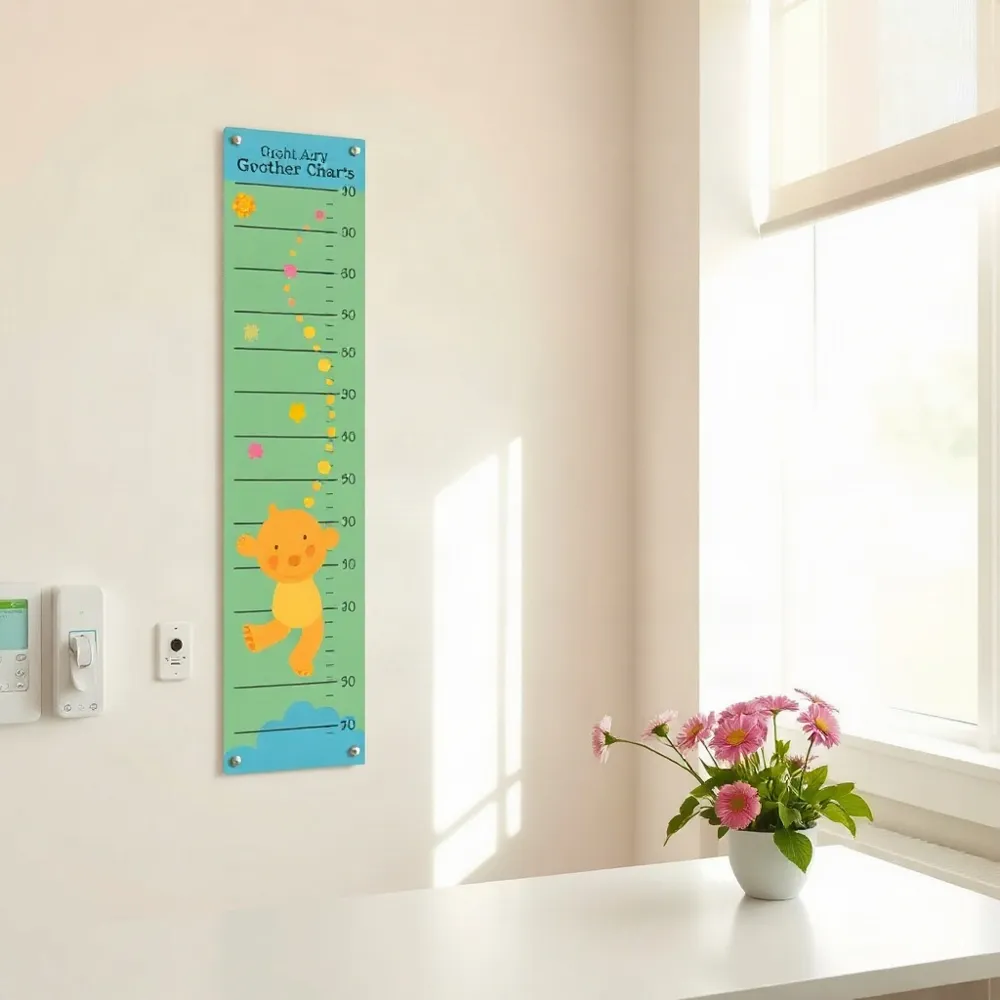
Regular pediatric visits track growth indicators—like height, weight, and milestones—and assess hearing, vision, and behavioral health. This monitoring ensures children are developing on a healthy trajectory.
The Role of Parental Guidance
Parents play a vital role by discussing concerns about behavior, sleep, and nutrition with pediatricians. Open communication fosters a trusting partnership that supports children's physical and emotional wellbeing.
Early Detection and Healthy Habits
Preventive visits enable early identification of developmental delays or health issues, allowing timely interventions. Providers also counsel families on nutrition, safety, and lifestyle habits, encouraging lifelong wellness starting in childhood.
Pediatric preventive care lays the groundwork for a child's overall health, promoting early detection, prevention, and strong family-provider partnerships essential for lifelong wellbeing.
What to Expect During Routine Well-Child Visits
What is a routine well-child visit?
A routine well-child visit is a scheduled appointment focused on preventive health measures for children that helps monitor and support your child's overall health and development. These visits allow healthcare providers to perform comprehensive physical exam, track growth by measuring height and weight, and assess developmental milestones assessment to ensure your child is progressing normally.
Physical exams and developmental screenings
During these visits, the pediatrician child health assessment includes thorough physical exams, checking vital signs, heart and lung function, and musculoskeletal health. Preventive screenings for children are also performed to evaluate speech, motor skills, behavior, and social development. Early identification of potential delays or conditions allows timely intervention and better long-term outcomes.
Immunizations schedule and updates
Vaccinations are a critical component of Well-child visit screening guidelines. Providers follow recommended childhood immunizations schedules to protect children against serious diseases like measles, polio, and whooping cough. Immunization status is reviewed, and updates or booster shots are administered as needed to maintain immunity.
Vision and hearing screenings
Vision and hearing screening in children are typically conducted from around age three onwards. Detecting issues early in these senses is crucial, as problems can affect learning and social development. These screenings help ensure timely referrals and treatments if any concerns arise.
Parental involvement and questions
These visits encourage active parental support and education. Parents are welcome to bring questions or concerns related to their child’s eating habits, sleep, behavior, and social interactions. Open dialogue strengthens the pediatrician-parent-child relationship, fostering confidence and tailored health advice.
Insurance coverage
Most health insurance plans in the United States, under laws like the Affordable Care Act, cover insurance coverage for well-child visits at no out-of-pocket cost when using an in-network provider. This ensures families can access essential healthcare without financial barriers.
The Recommended Schedule and Legal Considerations for Well-Child Visits
What is the recommended well-child visit schedule?
The American Academy of Pediatrics (AAP) recommends a comprehensive AAP Well-Child Care Schedule that starts shortly after birth and extends through adolescence into young adulthood. It advises 13 visits before age 6 and annual visits up to 21 years old. These visits typically occur at 3-5 days after birth; at 1, 2, 4, 6, 9, 12, 15, 18, 24, and 30 months; then annually from age 3 through 21. This schedule aligns closely with CDC vaccination and screening guidelines, supporting timely Scheduled immunizations and Growth and development tracking.
Are well-child visits required by law?
While well-child visits importance are not explicitly mandated by law in the United States, they are highly recommended as preventive care essential for children's health. Most health insurance plans, including Marketplace policies, cover these visits and associated immunizations and screenings at no out-of-pocket cost when performed by in-network providers. This insurance coverage ensures broad access to recommended services. Legal requirements for health checks may vary by state, but frequent well-child visits remain critical for catching developmental or health issues early and maintaining overall well-being.
Why adherence to the schedule matters
Following the AAP periodicity schedule ensures children receive essential vaccines on time and developmental screenings at critical ages. Regular visits facilitate early detection of behavioral or physical health concerns, improving long-term outcomes. They also promote partnerships between pediatricians, parents, and children, fostering trust and comprehensive care throughout growth and adolescence. Adherence reduces preventable illnesses and supports healthy development into adulthood.
Benefits of Regular Pediatric Care for Children and Families
Why are well-child visits important?
Well-child visits importance are fundamental to ensuring your child's health at every development stage. These appointments enable pediatricians to closely monitor your child's physical growth and developmental milestones while also assessing mental health and social behaviors. Early detection of health issues such as asthma, diabetes, or learning and behavioral challenges is a critical advantage of these visits.
During Well-child visits importance, children receive timely immunizations that protect them from serious, vaccine-preventable diseases. This not only safeguards individual children but also strengthens community health through herd immunity. Furthermore, these visits offer valuable opportunities to discuss nutrition, sleep habits, safety, and social skills with healthcare providers, all vital for healthy childhood and adolescent development.
What benefits does regular pediatric care provide for children and families?
Regular pediatric care supports children and families by providing continuous and comprehensive monitoring across physical, mental, and social health domains. By attending Scheduled immunizations, parents ensure a consistent evaluation of growth and developmental progress, making it easier to identify early signs of health problems such as allergies or behavioral concerns.
Immunizations administered during these visits play a crucial role in protecting children from infectious diseases, preventing outbreaks in schools and communities. Pediatricians also tailor guidance on nutrition, physical activity, mental health, and safety to meet each child's unique needs, helping foster lifelong healthy habits.
Moreover, these visits build a strong, trusting relationship between families and healthcare providers. This partnership encourages open communication, making it easier for parents to bring up concerns and receive personalized advice. Ultimately, regular well-child visits promote early intervention, comprehensive care, and long-term wellness for children and their families.
Types of Preventive Pediatrics and Daily Health Checks
What are the types of preventive pediatrics?
Preventive pediatrics involves a range of approaches designed to promote health and prevent illness in children and adolescents. These include routinely scheduled well-child visits where health professionals monitor growth, development, and ensure AAP Well-Child Care Schedule are up to date.
Immunizations are foundational in this care, protecting children from serious vaccine-preventable diseases like measles, polio, and whooping cough. Preventive screenings for children are another critical element; they assess for developmental delays, vision and hearing problems, anemia, and other health concerns early on.
Counseling is also a critical component, covering topics such as nutrition, injury prevention, sexual health, and lifestyle choices—helping families support their child's overall well-being and healthy development.
What are the benefits of daily health checks for children?
Daily health checks by caregivers offer practical benefits by helping spot early signs of illness or behavioral changes before issues worsen. With close observation of a child's skin color, activity, appetite, and mood, caregivers can quickly identify when a child may require medical attention.
These daily observations reinforce healthy habits and ensure that children remain on track with their vaccines and routine screenings. They also provide opportunities for children and caregivers to talk openly about wellness, fostering communication that supports mental and emotional health.
By integrating daily health checks into everyday routines alongside scheduled medical visits, families contribute significantly to lifelong health and timely interventions when needed.
Supporting Adolescents: Well-Child Visits at Age 12 and Beyond
What can parents expect at a typical well-child visit for a 12-year-old?
At the well-child visit for a 12-year-old, the healthcare provider conducts comprehensive assessments starting with growth measurements including height, weight, and Body Mass Index (BMI). Vital signs such as blood pressure are checked to monitor overall health. The physical exam covers essential areas such as the skin, heart, lungs, spine, and signs of puberty development. Vision and hearing screenings are also included to detect any early issues.
During the visit, discussions focus on healthy habits like eating nutritious foods, getting 9 to 12 hours of sleep, and maintaining physical activity. Mental health screening is a vital part of the assessment, looking for signs of depression or anxiety. Parents and the child are encouraged to talk openly about puberty changes, emotional well-being, and safety concerns, including helmet use, internet safety, and staying up to date with immunizations.
Providers may also discuss school performance, social interactions, and risks related to alcohol, drug use, or smoking, helping guide adolescents toward healthy choices.
Why is children's wellbeing important for their development?
Children’s wellbeing plays a critical role in their overall development and future success. Supporting mental health through open communication and safe environments fosters emotional strength and social skills. When children are encouraged to express their feelings and engage in physical activity, they develop healthy coping strategies and self-esteem.
Early intervention and continuous guidance from caregivers and healthcare providers help children manage challenges effectively. A strong foundation of wellbeing promotes resilience, enabling children to adapt and thrive. Prioritizing wellbeing helps build confident, emotionally secure individuals who are prepared for lifelong success.
Emphasizing wellbeing during well-child visits supports holistic health, ensuring that adolescents not only grow physically but also flourish emotionally and socially.
Prioritizing Regular Well Visits for Lifelong Health
The Role of Regular Well Visits
Regular well visits are essential for monitoring a child's health, growth, and development from infancy through adolescence. These appointments allow pediatricians to track physical milestones, assess developmental progress, and administer vital immunizations.
Early Detection and Preventive Care
Well visits enable early identification of potential health issues such as developmental delays, behavioral concerns, and hidden illnesses. Through preventive care—including vaccines and routine screenings—children are protected from serious diseases and supported in achieving healthy growth.
Building Strong Pediatrician-Family Partnerships
Consistent visits foster trust and open communication between families and healthcare providers. This collaborative relationship ensures that parents can discuss concerns, receive tailored advice, and feel confident in managing their child’s well-being.
Adhering to Recommended Schedules
Following the American Academy of Pediatrics' schedule, which includes frequent visits in infancy and annual checkups thereafter, is key. Timely attendance enhances the effectiveness of preventive care and ensures up-to-date vaccinations.
Long-Term Health Benefits
Regular well visits contribute to healthier childhoods by preventing illness, supporting mental and emotional health, and establishing healthy habits early. These benefits lay the foundation for a lifetime of wellness and improved quality of life.