Introduction
Continuity of care in pediatrics means that a child sees the same primary‑care clinician—or a small, consistent team—over months and years. This ongoing relationship lets the provider track growth, development, immunizations and and subtle health changes, building trust with both child and family. The American Academy of Pediatrics champions the medical‑home model, a coordinated, family‑centered hub that guarantees a designated pediatrician serves as the point person for all health needs from birth through young adulthood. When families have a stable medical home, children receive higher rates of preventive services, fewer emergency‑department visits, and better management of chronic conditions such as asthma or obesity. Parents report greater confidence and satisfaction, while the health system saves money by avoiding duplicated tests and specialist referrals. In short, continuous pediatric care lays a solid foundation for healthier, happier children and more resilient families.
Why Consistent Care Is Essential for Children
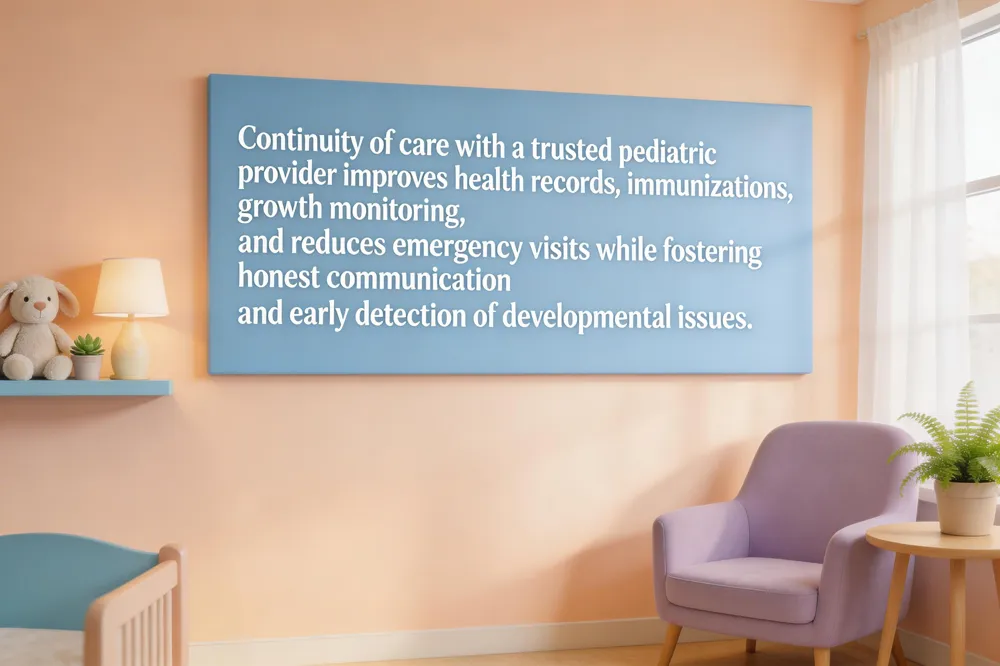 Importance of continuity of care
Continuity of care—seeing the same pediatric provider over time—ensures accurate health records, timely immunizations and growth monitoring. Studies show it lowers emergency department visits and hospitalizations while improved chronic disease management such as asthma and obesity.
Why is continuity of care important for children?
A stable provider builds trust, making visits feel safer and encouraging honest communication. Consistent monitoring detects developmental delays early and delivers personalized advice, especially during rapid infancy changes. In adolescence, the relationship supports open discussions about mental health, substance use, and identity, boosting adherence to treatment.
Why is pediatric primary care important?
Pediatricians are uniquely trained to address physical, behavioral, and mental health needs from birth through adolescence, serving as the cornerstone of the medical home model.
Do kids need a primary care doctor?
Yes. A primary‑care pediatrician provides preventive services, illness management, and continuity that tracks growth, vaccinations, and chronic conditions, supporting healthy development through childhood.
Key Benefits of Pediatric Care and Continuity
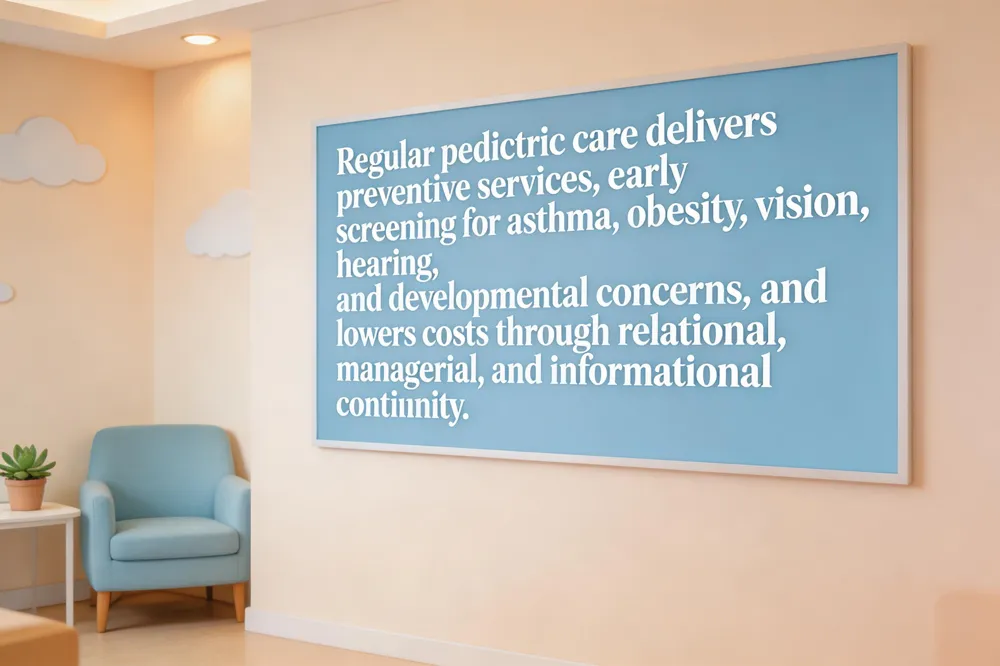 Regular pediatric care delivers essential preventive services and immunizations, ensuring children stay up‑to‑date on vaccines and receive timely screenings that catch asthma, obesity, vision, hearing, or developmental issues early. Consistent management of chronic conditions such as asthma and obesity reduces emergency department visits, hospitalizations, and improves medication adherence, leading to better disease control. Continuity of care comes in three forms: relational continuity (a trusted therapeutic bond with a specific provider or team), managerial continuity (coordinated delivery of care across visits and settings), and informational continuity (accurate, shared health records that travel with the child). These elements together lower overall healthcare costs by preventing duplicate tests and avoidable admissions while boosting patient and family satisfaction. Families report greater confidence and trust when the same pediatrician knows their child’s history, preferences, and social context, resulting in higher engagement, better preventive care uptake, and long‑term health benefits.
Continuity in Early Childhood and Head Start Programs
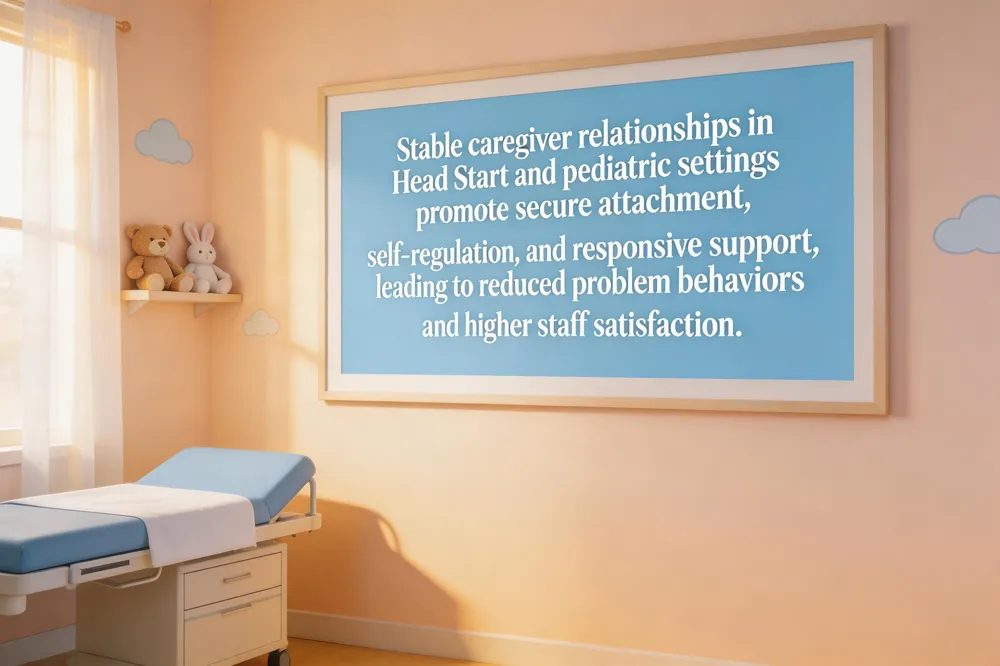 Head start continuity of care – The model emphasizes stable caregiver assignments, fostering trusting relationships that support emotional, social, and cognitive growth. In pediatric primary‑care settings, such as Kids & Teens Primary Healthcare, applying these principles—consistent providers, coordinated follow‑up, and clear communication—ensures comprehensive, personalized care from birth through young adulthood.
Benefits of continuity in childcare – Stable, trusting adult relationships promote secure attachment, self‑regulation, and fewer problem behaviors. Caregivers develop deep knowledge of each child’s developmental milestones, leading to responsive, sensitive support. Families experience less anxiety, and staff enjoy higher job satisfaction and retention, creating a healthier environment for all children.
Finding Quality Pediatric Primary Care Near You
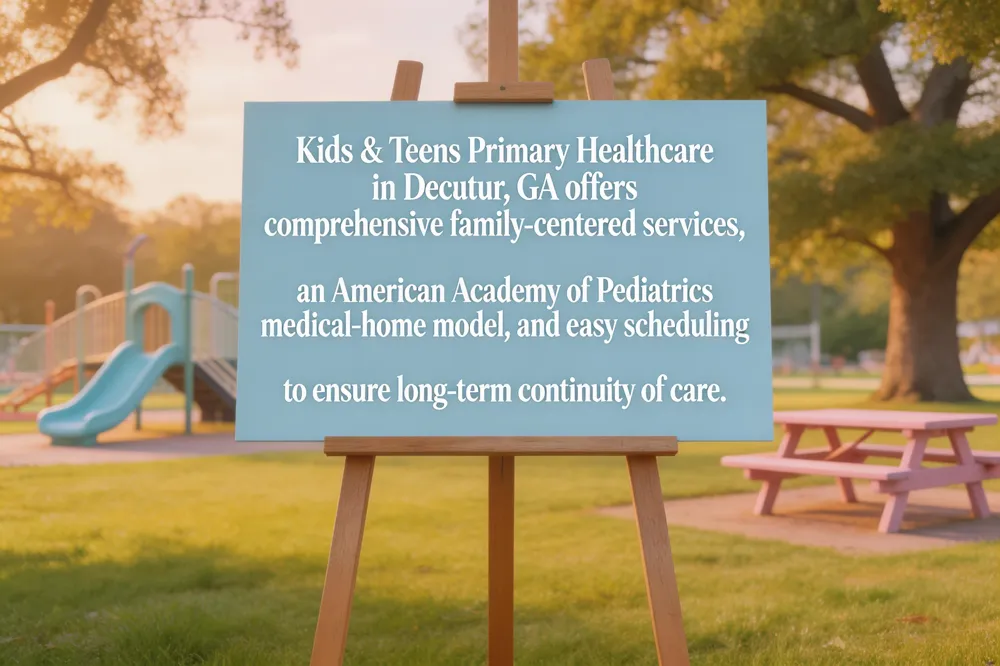 If you’re searching for pediatric primary care near you, Kids & Teens Primary Healthcare in Decatur, Georgia, is a top choice. The practice offers a full suite of family‑centered services—from well‑child check‑ups, immunizations, and newborn care to teen health visits, nutrition counseling, and management of common conditions such as asthma and obesity. Their office accepts most major insurance plans and provides easy, online or phone scheduling, with after‑hours and weekend slots to fit busy family calendars.
Kids & Teens follows the American Academy of Pediatrics’ medical‑home model, ensuring continuity of care from birth through age 21. By seeing the same pediatrician over time, children benefit from personalized growth and developmental tracking, stronger therapeutic relationships, and smoother coordination with specialists when needed.
To maintain continuity after you choose a provider, schedule future well‑child visits at the time of each appointment, keep a up‑to‑date vaccination record in the practice’s shared electronic health system, and communicate any changes in insurance or address early. For a trusted, local pediatric medical home, call (404) 555‑1234 or visit kidsandteenspc.com to book your first visit.
Implementing a Medical Home for Seamless Care
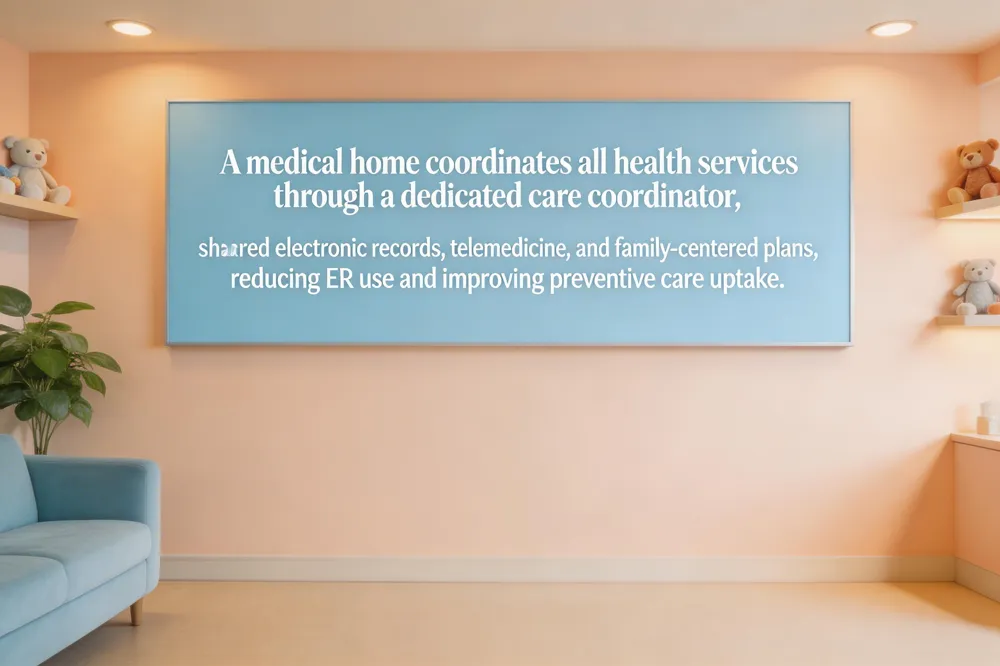 A medical home creates a single, trusted pediatric practice that coordinates all health services from birth through young adulthood. Central to this model is a dedicated care coordinator—often a nurse, child‑life specialist, or care manager—who knows each child’s history, family context, and care plan, and who navigates referrals, school‑health links, and community resources. Coordinated communication is achieved through shared electronic health records and health‑passport tools, ensuring that immunizations, growth data, and developmental screenings travel with the child across settings. Family‑centered care plans are co‑created with parents, allowing shared decision‑making and tailoring of nutrition, physical‑activity, and mental‑health guidance. Technology amplifies continuity: telemedicine visits reduce travel barriers, digital monitoring platforms alert providers to early signs of asthma or diabetes exacerbations, and secure messaging keeps families informed between appointments. Together, these elements lower emergency‑department use, improve preventive service uptake, and build the trust essential for lasting health outcomes.
Conclusion
Continuity of care is the backbone of healthy growth, linking regular check‑ups, timely immunizations, and early detection of developmental or chronic problems. When families stay with one pediatric provider, trust deepens, appointments become smoother, and health outcomes improve—fewer emergency visits, better asthma control, and higher vaccination rates. Parents are encouraged to select a consistent pediatrician and schedule all well‑child visits at the same practice. Kids & Teens Primary Healthcare embodies the medical‑home model: a single, family‑centered team coordinates care from birth through adolescence, ensuring every child receives personalized, seamless support for a lifetime of wellness and brighter futures for all.