Understanding the Crucial Role of Nutrition in Childhood and Adolescence
Importance of Nutrition for Physical Growth, Brain Development, and Immunity
Proper nutrition is essential during childhood and adolescence as it fuels rapid physical growth, supports brain development, and strengthens the immune system. Nutrients like protein, vitamins A and C, calcium, iron, and healthy fats are vital. They help in building strong bones and teeth, enhancing cognitive abilities, and boosting the body's defense against illnesses.
Impact of Nutrition on Academic Performance and Emotional Well-Being
A balanced diet improves children’s mental clarity, alertness, and focus, which directly contributes to better academic results. Good nutrition also enhances mood stability and emotional health, reducing risks of irritability and behavioral challenges. Breakfast consumption and hydration with water support concentration and energy levels throughout the school day.
Link Between Food Security and Children's Health Outcomes
Consistent access to nutritious food is fundamental for children’s overall health and development. Food insecurity can cause developmental delays, weaker immunity, and emotional difficulties like anxiety and poor concentration. Programs that ensure food access help reduce absenteeism and improve academic success, ultimately supporting lifelong health and well-being.
Essential Nutrients for Growing Kids and Teens: Meeting Unique Needs

What are the essential nutritional needs for children and adolescents?
Children and teens require a balanced diet rich in a variety of nutrient-dense foods from all five food groups: fruits, vegetables, whole grains, protein, and dairy. Key nutrients vital for their development include calcium and vitamin D for strong bones and teeth, iron to support healthy blood and energy, as well as healthy fats and proteins to promote brain development and muscle growth. Nutrient-dense foods like leafy greens, lean meats, beans, nuts, and low-fat dairy help provide these essentials, ensuring children grow well and maintain good health. For more detailed information on nutrition information for kids and teen nutrition basics, see these resources.
Why do 12- to 13-year-olds have different nutritional needs compared to adults?
Ages 12 to 13 mark a time of rapid growth and puberty, increasing children's nutritional requirements significantly. Teens need more calories, calcium, iron, and vitamin D to support bone and muscle development. Girls especially require increased iron due to menstruation. This period also demands a focus on balanced intake to build strong bodies and prevent future health issues such as obesity. Proper nutrition tailored to these changes helps support physical maturation and healthy lifelong eating habits. Learn more about teenage nutritional needs and energy needs for teenagers.
How do nutrient-dense foods support growth across food groups?
Each food group plays a unique role:
- Fruits and Vegetables: Provide essential vitamins like A and C, fiber, and minerals.
- Whole Grains: Supply complex carbohydrates for sustained energy and B vitamins.
- Proteins: Offer amino acids for muscle building and repair.
- Dairy: Supplies calcium and vitamin D critical for bone health.
- Healthy Fats: Support brain growth and hormone production.
Encouraging a colorful and varied plate helps children meet their daily nutrient needs while fostering healthy eating habits. For more on eating the rainbow with colorful fruits and vegetables and balanced diet guidelines, explore these references.
Why is managing intake of sugars, fats, and sodium important?
Excess consumption of added sugars, saturated fats, and sodium can contribute to obesity, heart disease, and other chronic conditions even in childhood. Limiting sugary drinks and processed foods is essential. Choosing whole, fresh foods instead of processed meals supports better nutrition. Reducing sodium intake helps maintain healthy blood pressure. Overall, managing these components encourages balanced eating that supports growth without risking long-term health problems. Learn how to limit added sugars and saturated fats and about healthy eating benefits for children.
Together, these nutrition strategies help children and teens meet their unique needs during critical growth periods, setting the foundation for a healthy future.
Guidelines for Balanced Diets and Healthy Weight Maintenance

What are general dietary guidelines for children of various age groups?
Children should eat a well-balanced diet tailored to their age and growth needs. From infancy, breast milk or formula provides essential nutrition for the first six months. As toddlers transition to solid foods, they should enjoy smaller portions from all five food groups: fruits, vegetables, grains, proteins, and dairy.
Older children and teens require larger servings to support rapid growth. For example, toddlers might have 1 cup of fruit and 2.5 cups of vegetables daily, while teens need about 2 cups of fruits and 5 cups of vegetables. Whole grains such as brown rice and whole wheat bread should make up at least half of grain intake. Lean proteins like fish, beans, eggs, and poultry support muscle development. Dairy or fortified alternatives provide vital calcium for strong bones.
Encouraging colorful fruits and vegetables and involving kids in meal planning and preparation can nurture lifelong healthy habits. Family meals without distractions foster positive eating environments.
What is the current dietary guidance for children to maintain a healthy weight?
Maintaining a healthy weight hinges on balanced nutrition and active lifestyles. Children should consume five or more daily servings of fruits and vegetables alongside whole grains and lean protein. Limiting added sugars, saturated fats, and sodium is essential to avoid excess calorie intake and prevent obesity.
Sugary drinks and processed snacks should be replaced with water, low-fat or fat-free milk, or healthy snack options. Kids aged 5 to 18 years should aim for at least 60 minutes of moderate to vigorous physical activity each day. Limiting screen time to under two hours and ensuring adequate sleep support overall wellbeing.
Parental involvement is crucial in modeling healthy choices, setting mealtime routines, and encouraging physical activities. These combined strategies help children achieve and maintain a healthy weight while reducing their risk for chronic diseases such as diabetes and heart conditions. For more detailed guidance, see Healthy lifestyle behaviors for children and teens.
Recommended Foods and Lifestyle Habits for Kids
| Food Group | Serving Guidance | Importance |
|---|---|---|
| Fruits & Vegetables | 5+ servings daily, colorful variety | Provide vitamins, fiber, minerals, antioxidants (Eating the rainbow) |
| Whole Grains | At least half of grain intake | Support sustained energy and digestion (Whole Grains Choices) |
| Lean Proteins | Daily inclusion (fish, beans, eggs) | Essential for growth and muscle repair (Protein Sources for Children) |
| Dairy/Fortified Alternatives | Adequate calcium intake | Builds strong bones and teeth (Calcium for Strong Teeth and Bones |
| Water & Beverages | Water preferred over sugary drinks | Maintains hydration and healthy metabolism (Hydration and Water Importance) |
Limiting Unhealthy Components
| Nutrient | Recommendation | Reason |
|---|---|---|
| Added Sugars | Minimize, avoid sweetened beverages | Prevents obesity and tooth decay (Reducing Added Sugars and Sodium |
| Saturated Fats | Limit to <10% of daily cal. | Reduces heart disease risk (Limiting Saturated Fat) |
| Sodium | Limit intake | Maintains healthy blood pressure (Potassium and Blood Pressure in Children |
Practical Strategies to Encourage Lifelong Healthy Eating Habits
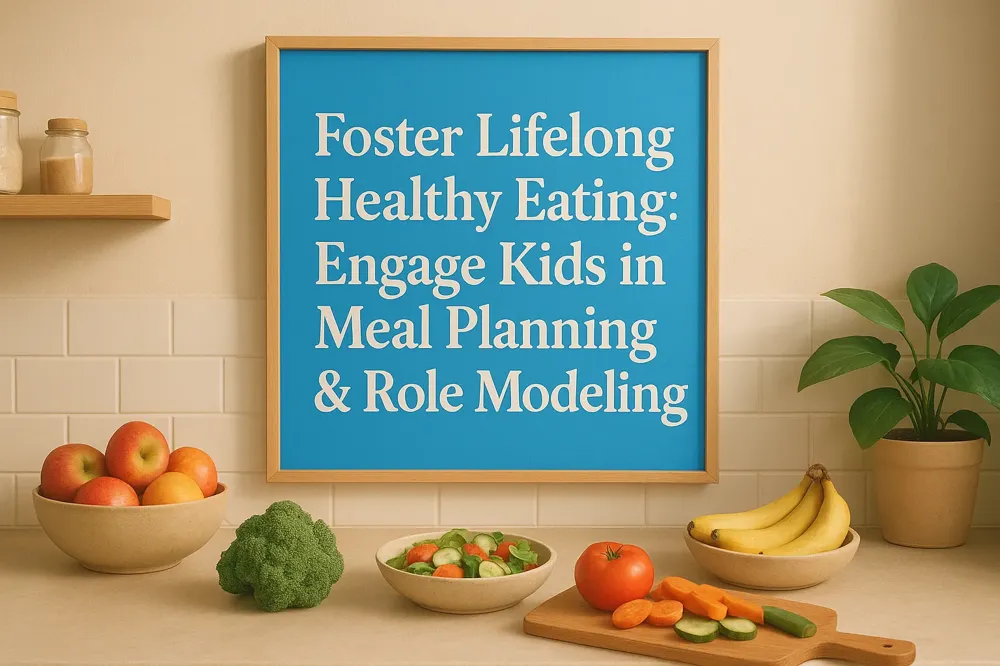
What are some practical strategies to encourage healthy eating habits in children?
Encouraging healthy eating in children starts with involving them directly in the process. Parents and caregivers can invite children to participate in meal planning and healthy habits, grocery shopping, and cooking. This involvement boosts children's interest in trying nutritious foods and helps them understand the value of different food groups.
Creative food presentation is another effective tactic. Using fun shapes, colorful plates, and giving vegetables playful names can motivate kids to eat more fruits and vegetables. Educational resources for healthy eating, such as nutrition charts or interactive games, help children learn about the benefits of various nutrients in an engaging way.
Consistency at mealtimes fosters good habits. Establishing regular meal and snack times, and turning off distractions like TVs or electronic devices during meals, allows children to focus on eating mindfully and enjoying family interactions.
Parents acting as role models greatly influence children's food choices. Keeping healthy snacks like cut fruits, vegetables, yogurt, and whole grains easily accessible encourages kids to make nutritious decisions independently. This aligns with healthy eating tips for parents.
Healthcare providers and community programs play a supportive role by offering expert guidance and resources. Nutritionists can tailor advice for individual dietary needs, while programs like WIC and school initiatives help families access wholesome foods and education. These support systems highlight the importance of children's nutrition guidance.
Together, these strategies create a positive environment promoting lifelong healthy eating habits for children essential for children’s growth, development, and overall well-being.
Nutrition’s Impact Beyond Physical Health: Cognitive and Emotional Benefits

How Does Good Nutrition Support Brain Development and Cognitive Function?
Good nutrition provides essential building blocks like iron, omega-3 fatty acids, and protein, which are crucial for brain growth and neural development in children and teenagers. These nutrients support memory, concentration, and learning abilities that are vital at every stage of development (Importance of Good Nutrition for Kids, Nutrition Information for Teens, Nutrition for Teens, Good Nutrition in Early Child Development).
What Are the Benefits of Healthy Eating for Academic Performance and Behavior?
Eating a balanced diet rich in fruits, vegetables, whole grains, and lean proteins boosts energy levels, improves focus, and reduces absenteeism. Children with consistent access to nutritious meals tend to have better mood regulation and behavioral outcomes in school, fostering a positive learning environment (Benefits of Healthy Eating for Children, Access to nutritious food for children, Importance of Good Nutrition for Kids.
How Does Food Insecurity Affect Emotional Well-Being and Learning Ability?
Food insecurity can cause anxiety, irritability, and difficulty concentrating. Children who face inconsistent meal availability are more likely to struggle with emotional regulation and academic engagement. Reliable access to healthy food through programs like SNAP and school meals is critical to supporting emotional health and cognitive function (Access to nutritious food for children, Childhood Nutrition Facts, Nutrition Information for Kids.
Why Is Balanced Nutrition Important for Immune Health and Disease Prevention?
Balanced nutrition strengthens the immune system, reducing susceptibility to infections and chronic diseases. Proper intake of vitamins and minerals supports healthy skin, bones, eyes, and muscles, contributing to overall physical resilience (Benefits of Healthy Eating for Children, Dietary recommendations for healthy children, Nutrition Standards for CACFP Meals and Snacks).
Proper nutrition matters beyond just physical growth. It nurtures children’s brains, behaviors, and well-being—laying the foundation for lifelong health, success in school, and emotional stability (Importance of Good Nutrition for Kids, Healthy eating habits in childhood).
Building Healthy Foundations in Early Childhood: Nutrition and Lifestyle
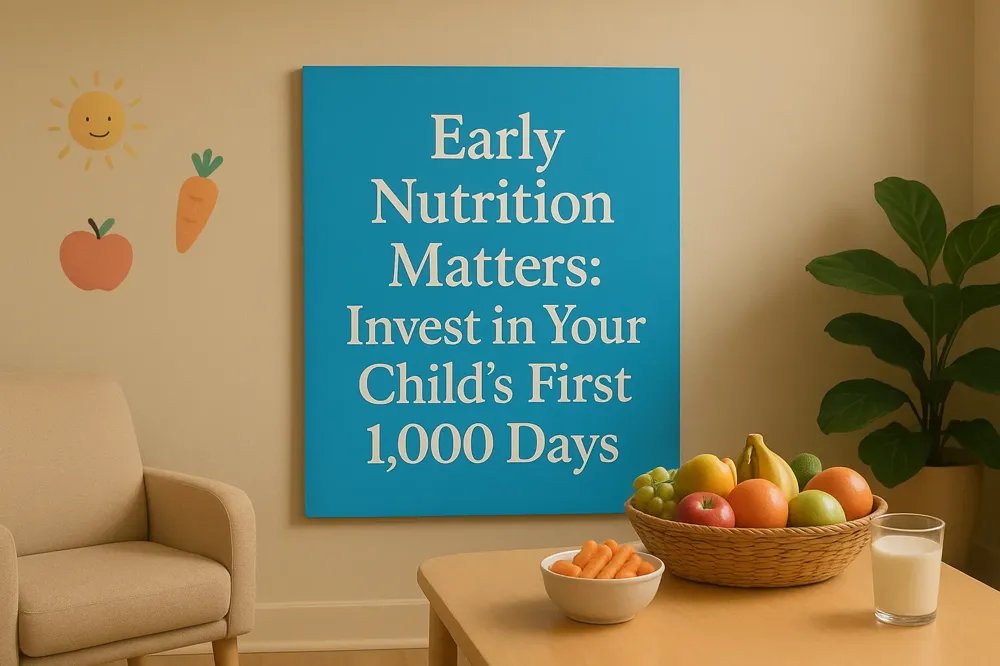
Why is nutrition in the first 1,000 days critical?
Proper nutrition during the first 1,000 days—from pregnancy to a child's second birthday—lays the foundation for lifelong health. Breastfeeding for about the first six months, ideally continuing to one year, delivers vital immune-boosting components and nutrients that support growth and brain development. Complementary feeding with nutrient-dense foods starts around six months to meet increasing nutritional needs and helps develop feeding skills.
How does early nutrition prevent obesity and chronic diseases?
Establishing healthy dietary habits early helps prevent obesity and chronic conditions like type 2 diabetes and heart disease. Introducing a variety of fruits, vegetables, whole grains, and lean proteins while limiting added sugars, saturated fats, and processed foods encourages a balanced diet. Early exposure to diverse, nutritious foods also shapes taste preferences, increasing acceptance of healthy choices and reducing future health risks. See more about preventing chronic diseases with a healthy diet and healthy eating in childhood.
What roles do physical activity, sleep, and screen time management play in health?
Children need at least 60 minutes of physical activity daily, including aerobic and muscle- and bone-strengthening exercises, to build strong muscles and bones and reduce obesity risk. Adequate sleep—ranging from 8 to 10 hours depending on age—is essential for physical growth, mental health, and weight regulation. Managing screen time by limiting it to under two hours daily helps improve sleep quality, academic performance, and reduces sedentary behavior. Learn more about healthy lifestyle behaviors for children and teens.
How do family meals and positive mealtime environments benefit children?
Eating together as a family without distractions promotes social interaction and focused attention on healthy foods. Positive mealtime routines increase children’s fruit and vegetable intake and reduce unhealthy snacking. Involving children in meal planning, grocery shopping, and food preparation empowers them with knowledge and fosters a positive relationship with food that lasts. For strategies, see healthy eating habits in children and healthy eating for kids.
What is the '3-3-3 rule' for healthy lifestyle management?
The '3-3-3 rule' encourages children and teens to eat three balanced meals a day, drink three bottles of water by mid-afternoon (about 1.5 to 2 liters), and engage in three hours of physical activity weekly. This simple guideline helps maintain energy, hydration, and fitness, supporting healthy development and well-being. More about teen nutrition basics and healthy lifestyle habits.
Together, these early nutrition and lifestyle habits build strong foundations for children’s health, growth, and lifelong wellness.
Empowering Families to Foster Lifelong Healthy Eating and Wellness
Nutrition's Vital Role in Child and Teen Development
Good nutrition fuels children’s growth, brain development, strong bones, and immunity. A balanced diet rich in fruits, vegetables, whole grains, lean proteins, and dairy supports energy, mental clarity, and healthy weight.
The Value of Community and Healthcare Support
Community programs and healthcare professionals provide essential guidance and resources, ensuring children access nutritious foods. Pediatric dietitians help tailor dietary needs, especially when managing allergies or special diets, fostering lifelong healthy habits.
Engaging Families in Nutrition and Active Living
Parents can promote healthy eating by involving children in meal planning, grocery shopping, and cooking. Encouraging at least 60 minutes of daily physical activity helps build strong muscles and bones while improving mood and focus.
Together, these steps empower families to nurture lifelong wellness and resilience in their children.