Understanding the Critical Role of Well-Child Care Exams
Introduction to Well-Child Exams
Well-child exams are routine checkups that begin shortly after birth and continue annually through adolescence. These visits, recommended by the American Academy of Pediatrics, serve as foundational preventive care appointments for children and teens.
Overview of Purpose and Scope
During well-child visits, healthcare providers evaluate a child's physical health, emotional wellbeing, and developmental milestones. Exams include measuring height, weight, and vital signs, administering immunizations, screening vision and hearing, and assessing behavioral and mental health. These comprehensive evaluations help detect issues like asthma, allergies, or developmental delays early.
Importance of Early and Periodic Care
Regularly scheduled well-child visits play a vital role in maintaining a child’s health. Early and periodic screenings help prevent serious diseases by ensuring timely vaccinations and facilitate early intervention for health or developmental concerns. They also foster strong relationships between families and trusted healthcare providers, supporting lifelong wellness and informed care decisions.
Comprehensive Health Monitoring from Infancy Through Adolescence
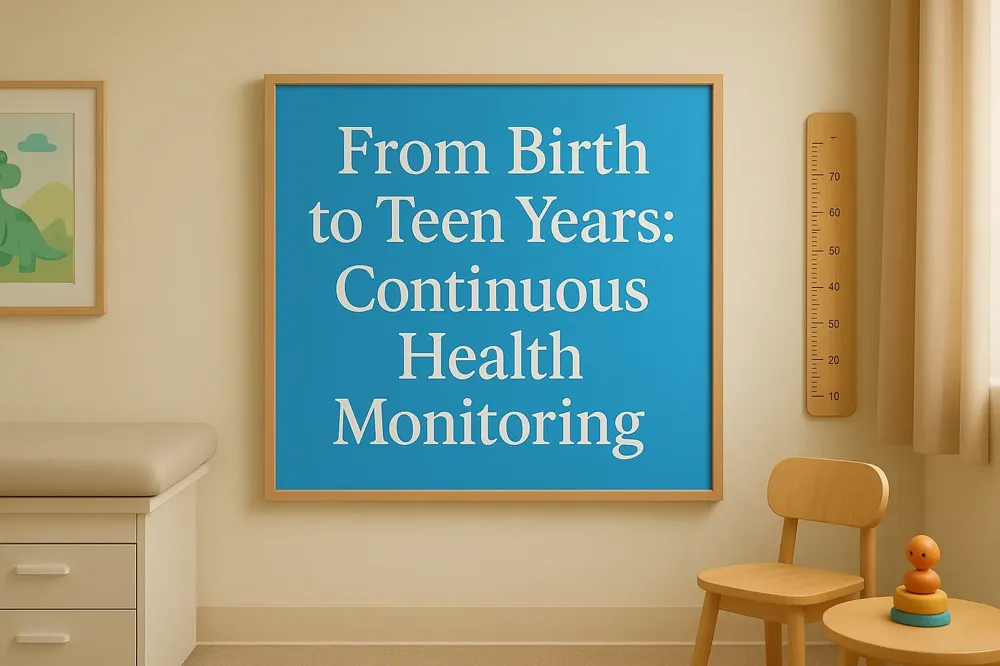
What is the recommended schedule for well-child visits?
The AAP Schedule of Well-Child Care Visits recommends 13 well-child visits before a child turns 6 years old. These visits are strategically scheduled to focus on immunizations, developmental screenings, and health evaluations tailored to each age group. After age 6, annual visits are advised through adolescence to continue monitoring growth, behavior, and overall health.
Why are well-child visits important?
Well-child visits are essential for tracking a child's physical, emotional, and developmental progress. They ensure children receive timely vaccinations that protect against serious contagious diseases such as measles, polio, and whooping cough. These visits also include screenings for vision, hearing, and mental health conditions like autism, ADHD, anxiety, and depression.
By regularly assessing developmental milestones, healthcare providers can identify delays early and offer interventions that support optimal growth. These appointments provide families with opportunities to discuss concerns about nutrition, sleep, behavior, and social skills, fostering a trusted relationship between parents and pediatricians.
Moreover, well-child visits contribute to preventive care by catching health issues like asthma, allergies, and diabetes promptly, reducing emergency visits and promoting long-term well-being. They play a critical role in Medicaid and CHIP programs, which emphasize access and quality to reduce health disparities among vulnerable children.
What happens during these visits?
- Growth Assessments: Measurement of height, weight, and head circumference to monitor growth patterns.
- Developmental Milestones: Evaluations of motor skills, social-emotional development, language, and cognitive benchmarks.
- Vision and Hearing Screenings: Early detection of sensory impairments that could affect learning and development.
- Mental Health Screening: Identification of behavioral or emotional concerns to provide timely support.
- Vaccinations: Administration of vaccines following CDC and AAP schedules to protect against preventable illnesses.
- Preventive Counseling: Guidance on nutrition, physical activity, safety, and healthy habits.
Regular well-child visits ensure continuous, comprehensive care that supports your child's growth and developmental needs throughout infancy, childhood, and adolescence.
The Benefits of Early Detection and Preventive Care Through Well-Child Exams
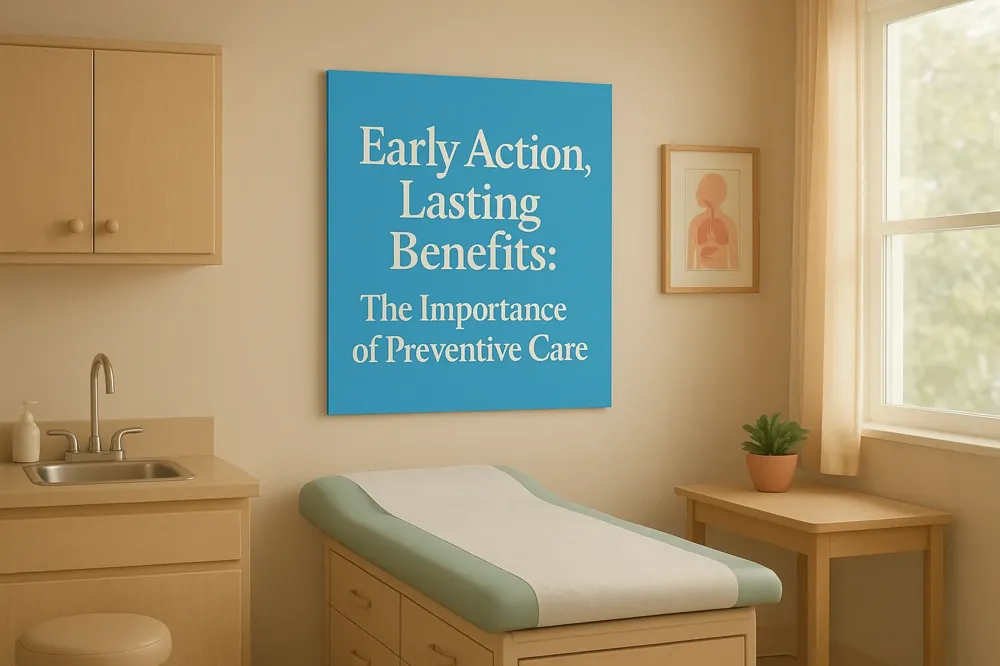
Why Are Well-child exams Critical for Early Health Detection?
Well-child exams play a vital role in the early identification of chronic conditions such as Asthma, allergies, and diabetes screenings. These Routine checkups for children allow pediatricians to spot signs of illness or developmental concerns before symptoms become severe, enabling timely treatment that can improve long-term health outcomes.
How Do Behavioral and Mental Health Screenings Help?
During well-child visits, children are screened for behavioral and mental health issues including ADHD and autism evaluations, Assessments for anxiety and depression, and general Behavioral health evaluations. Early detection of these conditions supports prompt intervention and access to resources, helping children thrive emotionally and socially.
Why Are Vaccinations So Important?
Vaccinations for children administered during well-child visits protect children against serious diseases like measles, polio, and whooping cough. These immunizations not only safeguard individual health but also contribute to immunity and herd health, reducing outbreaks within communities and schools.
What Role Do Vision and Hearing Tests Play?
Vision and hearing screenings are essential components of Well-child exams and development. Early detection of issues in these areas supports academic success by addressing potential barriers to learning, allowing for timely interventions that promote better social and educational development.
Can Skipping Well-Child Visits Harm a Child's Health?
Absolutely. Missing these regular checkups can lead to delayed vaccinations, overlooked developmental delays, and missed screenings for physical and mental health conditions. This neglect increases the risk of undiagnosed health problems and reduces the opportunity for early therapeutic support, ultimately impacting a child's well-being and development.
| Aspect | Benefit | Impact |
|---|---|---|
| Early identification of illnesses | Timely treatment & management | Prevents complications and promotes healthy growth |
| Behavioral health screenings | Early intervention and support | Improves emotional and social development |
| Vaccinations | Protection from infectious diseases | Reduces disease spread and enhances community health |
| Vision and hearing tests | Academic and social success | Enables effective learning and communication |
Attending well-child exams consistently ensures children receive comprehensive care that supports their overall development and health throughout childhood and adolescence.
Promoting Holistic Development and Well-Being in Children and Teens
How do health assessments benefit children's development?
Health assessments in well-child visits are essential to tracking and supporting children’s physical, emotional, and social growth from infancy through adolescence. Providers measure growth markers like height and weight, while also screening for developmental milestones such as motor skills, speech, and social behaviors. These evaluations help identify delays or issues early so children can receive timely interventions. Vision and hearing screenings detect sensory concerns critical for learning and social interaction.
Well-child visits also include behavioral and mental health screenings to uncover conditions like autism spectrum disorder, ADHD, depression, and anxiety, empowering families and doctors to seek appropriate care early. Vaccinations for children protect children from serious infectious diseases that could affect development.
Through discussions, pediatricians provide guidance on nutrition and the importance of at least 60 minutes of daily physical activity to promote healthy habits and prevent chronic conditions. This holistic approach ensures children not only grow physically but thrive emotionally and socially, laying the foundation for lifelong health.
Why is promoting children's well-being important?
Promoting well-being in children is vital because it safeguards their safety and nurtures healthy growth, contributing to positive lifelong outcomes. Emotional well-being is as important as physical health, influenced by family, school, and social environments.
Well-child visits schedule create a safe space to discuss feelings, behaviors, and mental health concerns, helping children build resilience and cope with challenges. Healthy relationships and preventive counseling about physical activity, nutrition, and online safety further support positive mental health.
By fostering open communication and addressing emotional needs early, pediatric care helps children develop confidence and a support system, reducing risks of future mental health problems. Encouraging this balanced, comprehensive approach empowers children to flourish across all aspects of life.
Fostering Strong Partnerships Between Families and Healthcare Providers
What is the purpose of a wellness visit?
The purpose of a well-child visits is to create or update a personalized prevention plan tailored to a child's or young adult's current health status and risk factors. It emphasizes preventive care, assessing health risks, offering health advice, and reviewing medical history and medications. These visits include routine measurements such as height, weight, and blood pressure to maintain long-term health and well-being.
How can parents prepare and get involved in well-child visits?
Parental involvement in pediatric visits is crucial for effective well-child visits. Parents are encouraged to prepare by bringing medical records, observing developmental milestones, and making a list of questions or concerns. Involving children in the conversation promotes independence and helps providers understand the child's health and behavior better.
How are parental concerns addressed during visits?
Well-child exams offer a dedicated opportunity for parents to discuss concerns about their child's behavior, development, nutrition, sleep, or emotional health. Providers listen carefully, offer guidance, and create a team approach that supports both the child and the family.
How do healthcare providers build trust and support families?
Pediatricians foster trust through open communication, ensuring families feel comfortable sharing sensitive information. They provide clear explanations, advice on safety and development, and continuous support to help families navigate their child’s health journey.
What roles do healthcare providers play in guiding families?
Providers guide families on health, safety, nutrition, immunizations, and developmental milestones. They screen for behavioral and mental health issues, offer referrals when needed, and encourage healthy habits. This partnership ensures children flourish physically, emotionally, and socially.
Addressing Barriers and Enhancing Access to Well-Child Care for All Children
Why Do Disparities Exist in Well-Child Visit Attendance?
Children covered by Medicaid health coverage for children and CHIP often have lower attendance rates for Medicaid and CHIP well-child visit attendance rates compared to those with private insurance. Factors contributing to this disparity include socioeconomic challenges and structural barriers related to insurance type and income.
What Barriers Prevent Families From Attending Well-Child Visits?
Common obstacles include lack of transportation, difficulties obtaining time off work, childcare responsibilities for other children, and various social needs. These factors disproportionately affect low-income and minority families, creating gaps in Barriers to well-child visits and Transportation and well-child care access.
How Are Programs Working to Improve Access and Attendance?
Federal and state initiatives, supported by the Centers for Medicare & Medicaid Services (CMS), promote increased attendance through CMS initiatives for early childhood preventive care, including quality improvement projects, educational webinars, and Patient-centered care models such as home visiting programs and medical homes. These strategies target barriers by offering resources for transportation, flexible scheduling, and family-friendly services.
What Role Do Culturally Sensitive Services and Telehealth Play?
Culturally sensitive care, including language services and understanding diverse family backgrounds, helps reduce communication barriers and improve trust. Telehealth pediatric services options expand access by allowing families to connect with providers remotely, easing transportation and scheduling challenges.
How Do Well-Child Visits Contribute to Public Health?
By facilitating timely immunizations during well-child visits and screenings, well-child visits prevent infectious diseases and enable early detection of health issues, supporting healthy development and reducing emergency care visits. They promote health equity by addressing barriers through programs like Medicaid and CHIP Child Health Services, contribute to early intervention for developmental and behavioral concerns, and improve population Health outcomes overall.
The Lasting Impact of Regular Well-Child Care Exams on Child Health
What are the benefits of pediatric care?
Pediatric care offers vital benefits starting from infancy through adolescence. Regular well-child exams provide continuous monitoring of a child's physical growth and developmental milestones, allowing early identification and intervention for any delays or concerns.
Long-term benefits of establishing continuity of care
Establishing a trusting, ongoing relationship between families and healthcare providers through regular visits ensures personalized care tailored to each child’s needs. This continuity supports proactive health management and strengthens communication on important health topics.
Role in managing chronic conditions and ensuring school and sports readiness
Routine well-child visits enable early detection and effective management of chronic conditions such as asthma, allergies, and diabetes. These visits also assess physical health, ensuring children meet requirements for school attendance and sports participation, keeping them safe and healthy in active environments.
Supporting safe physical activity and nutrition habits
Pediatricians provide expert guidance on balanced nutrition and recommend at least 60 minutes of daily physical activity for children aged 6-17. This helps establish healthy lifestyle habits early, preventing chronic problems like obesity and supporting cardiovascular and muscular development.
Building a foundation for lifelong healthy habits and attitudes
Well-child exams promote positive attitudes toward healthcare by fostering open communication and education about health, behavior, and mental well-being. Early intervention for mental health issues such as anxiety or ADHD supports healthy emotional development. Through vaccination and preventive care, these visits minimize illness and contribute to community health.
Regular pediatric care is fundamental to nourishing children's health, development, and well-being, laying the groundwork for a healthy life journey.
Making Well-Child Care Exams a Priority for Every Family
Well-child care exams are vital for tracking your child’s growth, development, and overall health from infancy through adolescence. These visits monitor physical health, developmental milestones, behavioral and mental well-being, and ensure timely vaccinations.
Regular checkups help identify concerns early, such as asthma, allergies, developmental delays, or mental health issues, allowing prompt intervention.
Adhering to the recommended visit schedules protected by organizations like the American Academy of Pediatrics keeps children on track with immunizations and developmental screenings.
Choosing a trusted pediatric provider builds a supportive partnership that addresses health concerns, offers guidance, and fosters your child’s lifelong wellness.
Prioritizing well-child visits empowers families to safeguard their children’s health and development effectively.