Welcome to Summer Safety
Importance of Protecting Children in Summer
Summer offers endless outdoor fun, but it also comes with health and safety risks, especially for children and teens. Protecting kids from hazards like sunburn, heat illness, drowning, and injuries is essential to keep their summer enjoyable and safe.
Overview of Common Summer Risks for Children
Children face unique vulnerabilities in the sun and heat due to their developing bodies. They can quickly become dehydrated or suffer heat-related illnesses. Water safety is critical since drowning is a leading cause of injury death among young children. Other risks include playground injuries, insect bites, burns from grills or fireworks, and accidents on bikes or scooters.
General Tips for Families to Prepare for Summer Activities
Families should plan ahead to reduce risks: use broad-spectrum sunscreen with SPF 30 or higher and dress kids in protective clothing and hats. Always supervise children around water and ensure they wear Coast Guard-approved life jackets when boating or swimming. Keep kids hydrated with plenty of water and schedule outdoor play during cooler parts of the day. Helmets and protective gear are a must for wheeled activities. Lastly, watch for signs of heat exhaustion and review safety rules regularly to empower children with good habits.
Water Safety: Keeping Kids Safe Around Water
What are the basic water safety tips for children?
Supervision is the cornerstone of water safety for kids, whether they are near a pool, bathtub, pond, or even small water containers like buckets. Adults must always maintain active, undistracted watch over children at all times around water.
Installing a 4-foot-high childproof fence with self-closing and self-latching gates around home pools is essential to prevent unsupervised access and reduce drowning risk. See Preventing drowning with pool fencing for detailed measures.
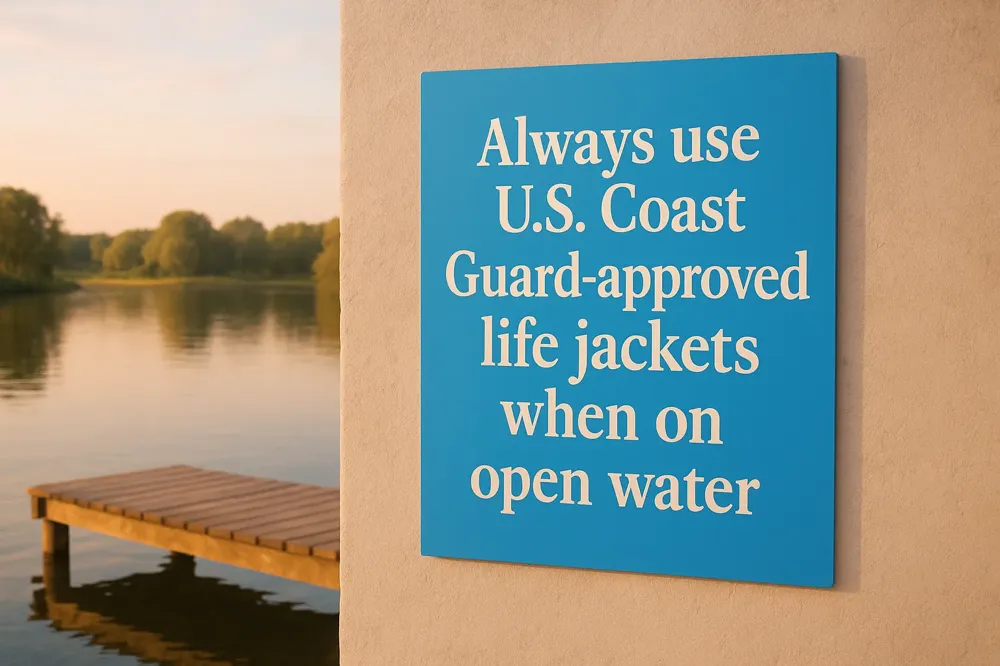
When boating or near open water, children must wear properly fitted U.S. Coast Guard–approved life jackets. Flotation devices are vital but should never be the sole safety measure.
Children should be taught water competency skills early, including swimming lessons tailored to their age and abilities. This learning should include safe water entry techniques like entering water feet first and avoiding diving into shallow or unknown depths to prevent injuries. More about Water safety education for children and Swimming lessons benefits.
Emergency preparedness is critical: keep rescue aids, a phone, and emergency numbers nearby. Adults in charge should know CPR and water rescue basics to respond effectively during emergencies as advised by American Red Cross Summer Safety.
What are 10 important water safety tips for kids?
- Learn to swim and always swim in supervised areas with a lifeguard. See Swimming safety guidelines.
- Swim with a buddy to ensure mutual safety and assistance.
- Wear a properly fitted life jacket, especially in open or deep water.
- Obey all water hazard signs and instructions.
- Avoid diving headfirst into unknown or shallow water.
- Watch out for natural hazards like drop-offs, debris, or slippery rocks.
- Know personal swimming limits and never overexert.
- Avoid alcohol or other substances before or during water activities.
- Always enter water feet first to check depth and avoid injury.
- Follow safety rules and always listen to supervisors or lifeguards.
Adhering to these guidelines helps children enjoy water activities safely while reducing preventable accidents. Water safety education combined with vigilant adult supervision and protective measures is key to keeping kids safe during summer and year-round. See 12 water safety rules for children for more details on safe water practices.
Sun Protection and Skin Safety for Children
Use of Broad-Spectrum Sunscreen SPF 30 or Higher
Applying sunscreen with an SPF of 30 or higher is crucial for Using Sunscreen SPF 30+. Sunscreen should be broad-spectrum to ensure it guards against both types of radiation that can cause sunburn and long-term skin damage.
Proper Application Timing and Reapplication
Sunscreen should be applied about 30 minutes before children go outside to allow it to absorb fully. Reapplying sunscreen every 2 hours is necessary, especially after swimming, sweating, or towel drying, to maintain effective protection.
Sun-Protective Clothing and Hats
In addition to sunscreen, children should wear lightweight, loose-fitting clothing with ultraviolet protection factor (UPF). A wide-brimmed hat protects the face, neck, and ears from direct sun exposure and is a vital accessory for Sun Protection for Infants.
Importance of Shade Especially During Peak UV Hours
The sun’s rays are strongest and most harmful between 10 a.m. and 4 p.m. Encouraging children to play in Protecting Children from UV Rays can significantly reduce UV exposure. Planning outdoor activities outside of these peak times is also advisable.
Wearing UV-Blocking Sunglasses
Children should wear sunglasses that provide 100% UV protection to shield their eyes from harmful rays. These protect against eye damage including cataracts and other UV-related eye conditions. UV-blocking sunglasses are part of Sun Protection for Infants recommendations.
What Are the 5 S's of Sun Safety for Kids?
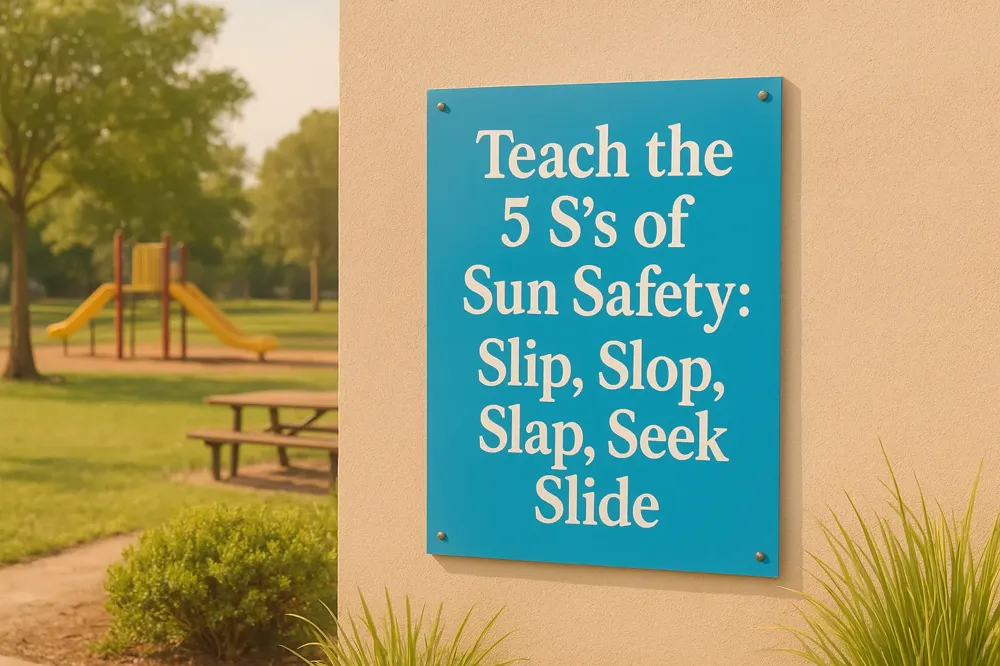
The 5 S's of sun safety are simple steps children can follow to stay protected:
- Slip on protective clothing with UPF to cover skin.
- Slop on broad-spectrum, water-resistant sunscreen with SPF 50+.
- Slap on a wide-brimmed hat to cover face, neck, and ears.
- Seek shade, especially when the UV index is 3 or higher.
- Slide on UV-protective sunglasses.
Teaching kids these steps helps establish lifelong Summer Safety Tips, allowing them to enjoy outdoor activities safely.
Heat Safety: Protecting Children from Heat-Related Illnesses
At what temperature or heat index should children limit outdoor activities?
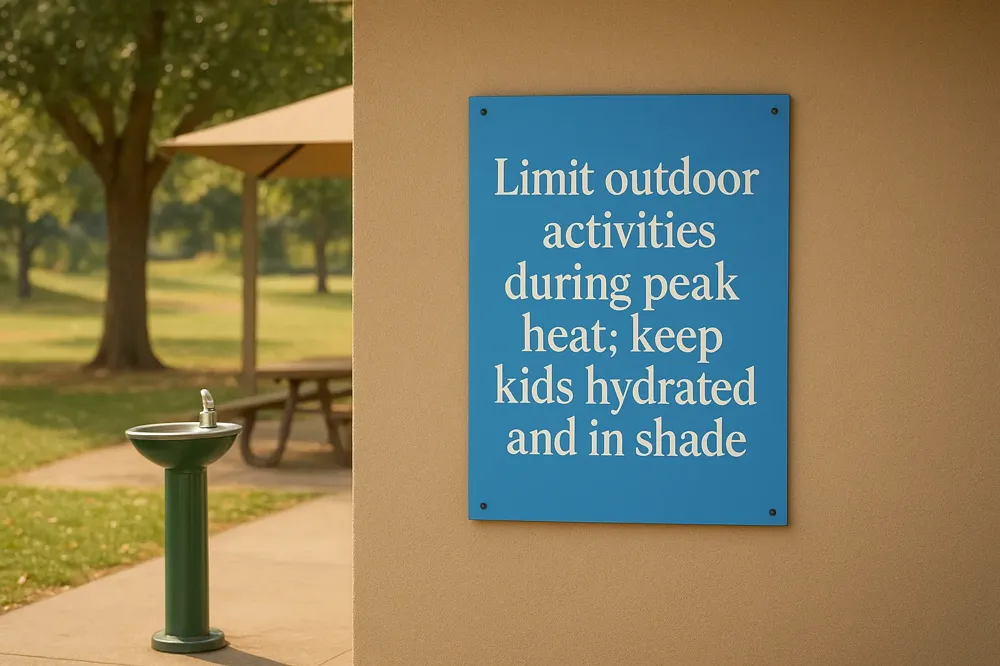
Children should limit outdoor activities when the heat index reaches or exceeds 90°F. At this temperature, the risk of heat-related illnesses such as dehydration, heat exhaustion, and heat stroke becomes significant. To protect children, outdoor play should be limited to short periods of about 15 to 30 minutes during these conditions. During these times, children need to stay hydrated by drinking plenty of water, wear lightweight and loose-fitting clothing, and take frequent breaks in shaded or cool areas. Scheduling outdoor activities during cooler parts of the day, like early mornings or late afternoons, is also recommended. For infants under 6 months, stay in shaded spots and feed breast milk or formula, avoiding water.
What are the symptoms of child overheating or heat exhaustion?
Recognizing early signs of heat exhaustion is essential. Symptoms include heavy sweating, weakness, dizziness, nausea or vomiting, muscle cramps, fainting, cold pale clammy skin, rapid but weak pulse, headaches, and irritability. A child may also have an elevated body temperature and reduced urination. Immediate attention to these signs helps prevent progression to heat stroke, a medical emergency. For further details, see Heat illness in children.
How should a parent treat heat exhaustion or overheating in a child?
If a child shows signs of heat exhaustion, move them to a cooler, shaded area immediately and remove excess clothing. Encourage them to drink cool water or electrolyte beverages and apply cool compresses on their skin. Rest is important while monitoring their condition closely. If symptoms worsen, such as confusion, vomiting, inability to drink, or loss of consciousness, seek emergency medical care at once. Preventative steps include maintaining good hydration and avoiding prolonged exposure during peak heat. More treatment advice is available at Heat exhaustion and heat stroke in kids.
What precautions can parents take to keep babies safe in the heat?
Babies need special care during hot weather. Keep infants out of direct sunlight especially during peak hours and ensure they remain shaded or indoors. Dress them in loose, lightweight, light-colored clothing to help keep cool. Hydrate exclusively with breast milk or formula as recommended. Never leave babies alone in parked cars because of rapid and dangerous temperature increases. Watch for signs of overheating like fussiness, flushed skin, or lethargy, and consult a doctor immediately if any appear. Read more on Sun Protection for Infants and Infants and children heat safety.
How can parents reduce heat or prevent overheating in toddlers?
Protect toddlers by dressing them in loose, breathable, light-colored clothing and encouraging frequent fluid intake, mainly water. Avoid very cold or sugary drinks. Limit outdoor time during the hottest parts of the day and keep toddlers in shaded or air-conditioned spaces. Use fans where safe and never leave toddlers unattended in vehicles. Regularly monitor for symptoms such as irritability or heavy sweating and act promptly if these occur. Additional guidance is available on Hydration tips for toddlers and preschoolers and Heat safety tips for kids and teens.
Creating cool environments indoors and outdoors
Keep indoor spaces cool by closing blinds and curtains during peak sunlight, use fans safely, and seek out public places such as libraries or shopping centers when temperatures soar. Outdoors, provide shaded play areas and plan activities during cooler parts of the day to minimize heat exposure. Learn more about Creating cooler play environments for kids and Finding cool environments during heat waves.
Parental precautions and when to seek medical care
Parents should remain vigilant for heat illness signs and act swiftly. Never leave children unattended in parked cars regardless of windows being open. Regular hydration, appropriate clothing, supervision in extreme temperatures, and scheduling outdoor time wisely help keep kids safe. Contact healthcare providers immediately if a child exhibits symptoms of heat stroke or severe heat exhaustion to ensure timely medical treatment. For comprehensive advice, see Extreme Heat Safety Tips for Kids.
Additional Outdoor Safety Measures for Kids
Why are helmets and protective gear important for wheeled activities?
Children over the age of one should always wear helmets that meet safety standards when using bikes, scooters, skateboards, or rollerblades. Properly fitted helmets reduce head injury severity by more than 60%, protecting against serious accidents during wheeled play. Protective pads for knees, elbows, and wrists further prevent injuries.
How can playground safety be ensured?
Safe playgrounds use well-maintained equipment and impact-absorbing surfaces to greatly reduce injury risks. Supervision is essential to keep children from roughhousing or unsafe behavior. Equipment should be appropriate for the child's age, and surfaces checked regularly for hazards such as extreme temperatures or broken parts.
What strategies prevent insect bites during outdoor play?
Remove insect nests and standing water to reduce mosquitoes and prevent bites. Dress children in long sleeves and pants, and use insect repellents containing no more than 30% DEET, carefully applied to clothing and exposed skin avoiding face and cuts. Always check children for ticks after outdoor activities.
How can families stay safe around fireworks and BBQs?
Children should be supervised closely around BBQ grills and kept at least 3 feet away to avoid burns. Use grills in open spaces away from the house and turn off when done. Fireworks should be handled only by trained professionals; children must never light or play with sparklers or fireworks due to burn risks.
What are safety tips regarding window guards and lawn mower use?
Install window guards or stops on upper floors to prevent falls. Keep furniture away from windows to deter climbing. Children under five should stay indoors or be kept away when mowing lawns; children should never operate lawn mowers. Store lawn equipment securely out of reach.
Why is summer hand hygiene and insect repellent management important?
Good hand hygiene, like washing for 20 seconds or using sanitizer, reduces germ spread during outdoor play. Use insect repellents carefully, avoid applying to infants under two months, and follow manufacturer guidelines. Use natural or pediatrician-recommended repellents when in doubt.
Overall, combining protective gear, constant supervision, environment checks, and proper hydration helps keep children safe and healthy throughout the summer's outdoor adventures.
Preparing for Summer: Preventive Health and Emergency Readiness
What are the top 5 summer safety tips for children?
To keep kids safe during summer, always encourage them to wear lightweight, breathable clothing and stay in shaded or cool areas to avoid heat-related illnesses. Applying broad-spectrum sunscreen with an SPF of 15 or higher every two hours is essential to prevent sunburn and lasting skin damage. Protect hearing by using ear protection at loud outdoor events. Keep a well-stocked first aid kit available to quickly manage minor injuries. Always buckle children into properly fitted car seats or seat belts and monitor weather conditions to prepare for any extreme situations.
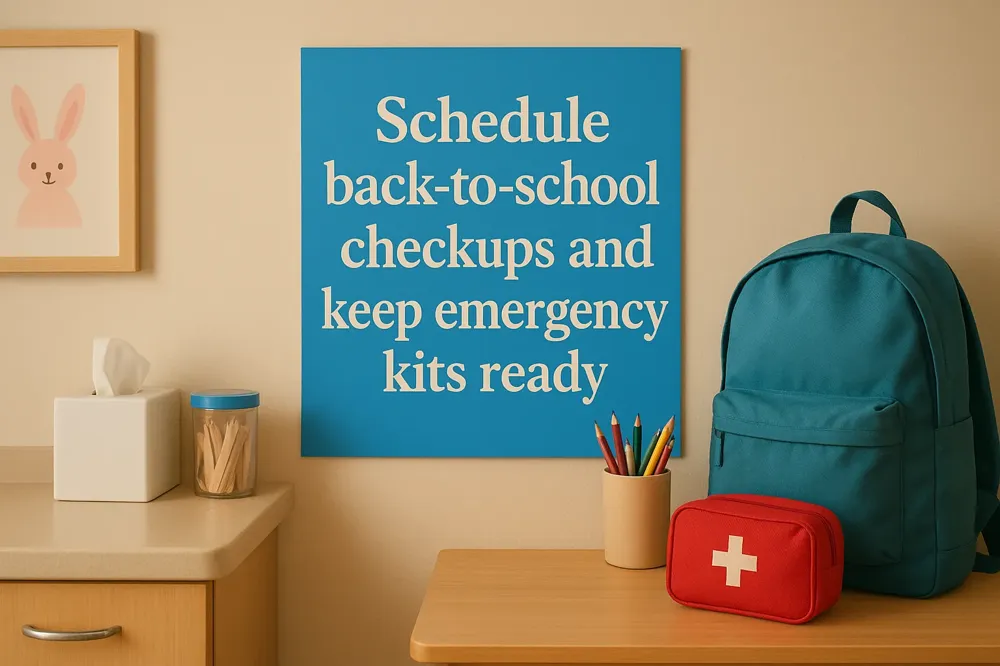
Why schedule back-to-school checkups?
Back-to-school checkups are vital for ensuring children are healthy and ready for the new school year. These appointments help update vaccinations, address any seasonal health concerns like allergies or skin conditions, and evaluate fitness levels for sports participation. Early detection and prevention support children’s overall well-being and performance.
What hydration and nutrition tips for active kids help active kids?
Active kids need regular hydration, especially during hot weather. Encourage drinking plenty of water throughout the day, even if they don’t feel thirsty. Offer hydrating foods such as watermelon, cantaloupe, berries, and smoothies to add fluids and essential nutrients. Avoid sugary or very cold drinks, as they can upset digestion or cause discomfort.
How important is CPR and first aid knowledge for parents?
Having CPR and first aid skills is crucial for all parents and caregivers, as emergencies like choking, drowning, or heatstroke can occur unexpectedly. Prompt, informed response increases survival chances and reduces injury severity in children.
What emergency preparedness actions are recommended for extreme weather and water accidents?
Prepare by monitoring weather alerts and planning activities during cooler parts of the day to prevent heat illnesses. Around water, active supervision and barriers like pool fences are needed to prevent drownings. Equip your home and travel kits with first aid supplies and learn safe rescue techniques. Teach children water safety rules and ensure they wear properly fitted life jackets when boating or swimming.
What safe vehicle travel practices and child restraint laws should parents follow?
Always use age- and size-appropriate car seats or booster seats and keep children under 13 in the back seat. Ensure car seats are installed correctly and never leave children unattended in vehicles to prevent heatstroke. Follow state laws for child restraint use and routinely check that seat belts fit properly.
| Topic | Essential Advice | Benefits |
|---|---|---|
| Back-to-school checkups | Update vaccines and fitness evaluation | Prevents illness and injuries |
| Hydration and nutrition | Water and hydrating foods, avoid sugary drinks | Maintains energy and prevents dehydration |
| CPR and first aid knowledge | Learn and practice regularly | Improves emergency response |
| Emergency preparedness | Monitor weather, supervise water activities, prepare kits | Reduces risk of injuries and fatalities |
| Vehicle travel safety | Use proper car seats, keep kids in back seat | Protects children in accidents |
Enjoying a Safe Summer with Your Children
Essential Summer Safety for Kids
Summer fun is best enjoyed with smart safety habits. Protect your children from the sun’s harmful UV rays using SPF 30+ sunscreen, protective clothing, and hats. Keep infants under 6 months out of direct sunlight and ensure toddlers stay hydrated with regular water breaks.
Active Supervision is Vital
Drowning is the leading injury cause for young children ages 1 to 4. Constant, active supervision around pools, lakes, and water play areas is essential. Use barriers like fences with self-latching gates and insist that kids wear properly fitted, US Coast Guard-approved life jackets near water.
Educate and Prepare
Teach children water safety rules, bike helmet use, and sun safety from an early age. Encourage swim lessons and educate families on recognizing heat illness symptoms. Ensure homes have window guards and keep grills and fireworks out of children’s reach.
Empowering Caregivers
Parents and caregivers should stay informed about summer risks and preventative measures. Learn CPR and first aid, plan outdoor activities during cooler parts of the day, and maintain hydration. Together, proactive supervision and knowledge help create a safe, happy summer for your children.