Getting Ready for a Safe and Fun Summer Camp
Before camp, a up‑to‑date physical exam and complete health paperwork are non‑negotiable. The exam, ideally 6–8 weeks before arrival, verifies immunizations, screens for asthma, allergies, or recent injuries, and provides a written emergency‑action plan for conditions such as diabetes or severe food allergies. Pack a summer safety kit: SPF 30+ sunscreen, a wide‑brimmed hat, insect repellent, a reusable water bottle, and a small first‑aid kit with bandages and antiseptic wipes. Include any prescribed meds in original containers with clear dosing instructions. Finally, address the emotional side—talk openly about expectations, practice short sleepovers, let the child pack a comfort item, and establish a simple communication plan (e.g., scheduled calls). These steps safeguard health, safety, and confidence for a fun camp experience.
Health Paperwork, Immunizations, and Physical Exams
 Preparing child for camp activities checklist
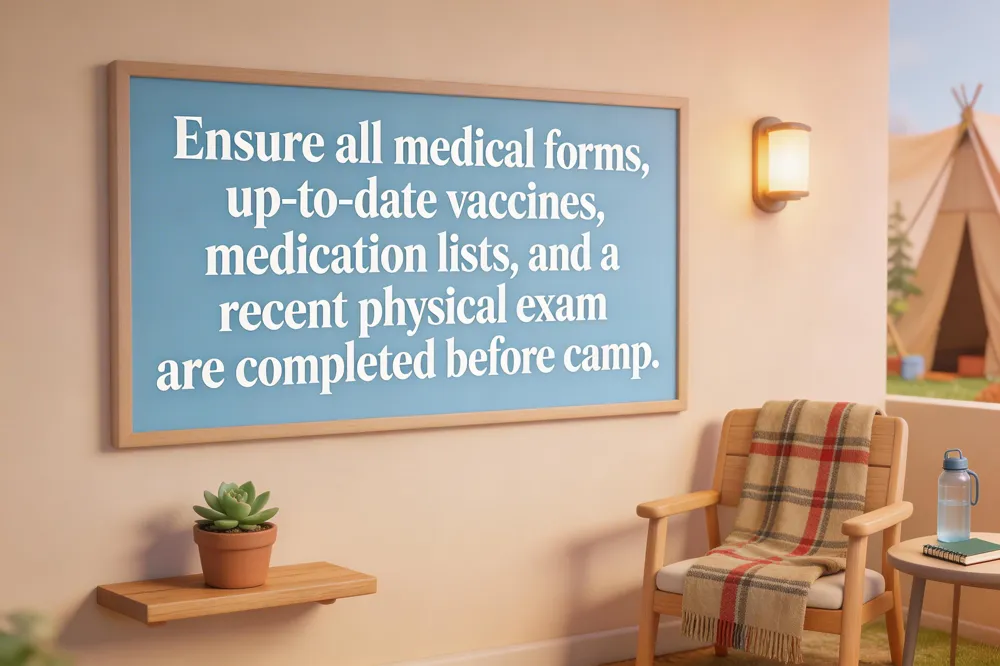
- Completed health‑history form and emergency‑contact sheet
- Up‑to‑date immunization record (including COVID‑19, Tdap, MMR, varicella)
- List of current medications with dosage instructions and signed consent for administration
- Recent physical‑exam clearance (sports or camp physical as required)
- Sun‑protection gear: hat, SPF 30+ sunscreen, sunglasses
- Reusable water bottle and camp‑approved snacks
- Comfortable clothing, sturdy closed‑toe shoes, and any sport‑specific equipment (swim gear, gymnastics socks, etc.)
- Personal hygiene items (toothbrush, toothpaste, soap)
Is a camp physical the same as a school physical? A camp physical is not the same as a school physical. Both involve a health history and basic exam, but a camp physical emphasizes fitness for outdoor activities—like swimming, hiking, and canoeing—and screens for conditions that could affect participation (asthma, recent injuries, allergy plans). A school physical focuses on state‑mandated requirements (vision, hearing, growth measurements, immunization verification) and is generally more general. While each is important, a camp physical does not replace the school physical required by a child’s district.
Sports physical exam A sports physical (pre‑participation exam) is a quick, comprehensive health check to determine safety for a sport or camp. The provider reviews medical history—including past injuries, family heart disease, asthma, allergies, and medications—then measures height, weight, vital signs, heart and lung function, vision, hearing, and musculoskeletal flexibility. The exam also screens for chest pain, shortness of breath, dizziness, or concussion‑related issues. After clearance, the clinician may offer injury‑prevention tips and conditioning recommendations. Most pediatric offices can complete this in a 15‑minute visit, often with same‑day availability.
Packing Essentials and Safety Gear
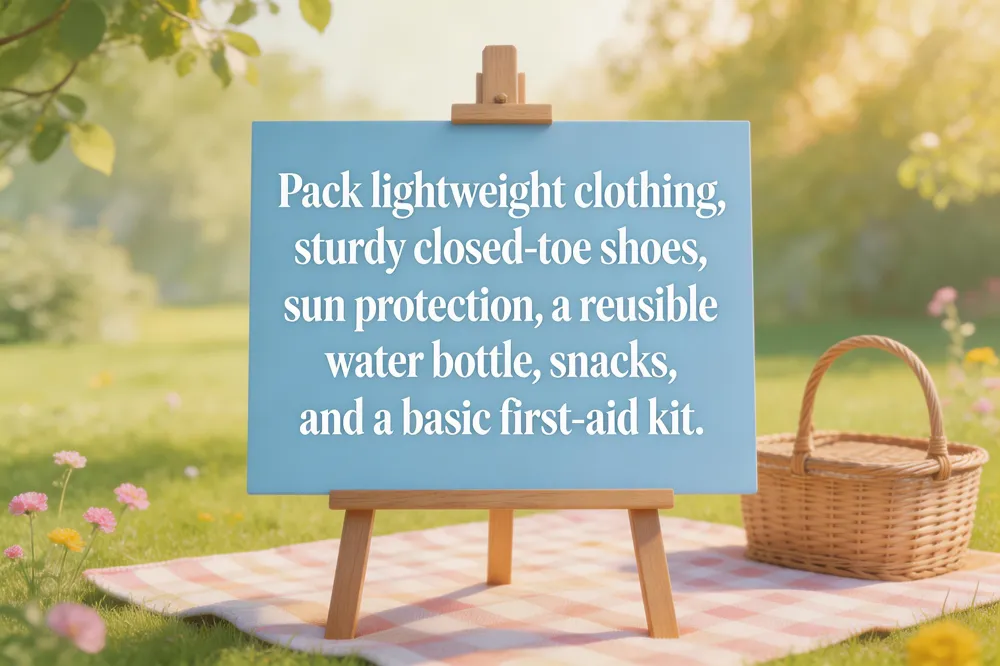 Preparing a child for summer camp starts with a thorough packing list that covers season‑appropriate clothing, hydration, sun protection, and a basic first‑aid kit. Pack lightweight t‑shirts, long‑sleeve shirts, a breathable jacket or fleece for cooler evenings, and durable pants or shorts with extra socks. Closed‑toe shoes and camp‑safe slip‑on sandals keep feet protected, while a swimsuit, swim cap, and goggles are essential for water days. Sun safety is critical: bring a wide‑brim hat, sunglasses, broad‑spectrum SPF 30+ sunscreen, lip balm with SPF, and EPA‑approved insect repellent. Hydration can be ensured with a reusable water bottle and a few non‑perishable snacks. Include a small toiletry bag (toothbrush, toothpaste, soap), a flashlight or headlamp with spare batteries, and a notebook for journaling. A comfort item such as a favorite stuffed animal can ease homesickness. Label every item with the child’s name. Finally, add a compact first‑aid kit—bandages, antiseptic wipes, and anti‑itch ointment—so minor cuts and bites are treated promptly, keeping the camper healthy and ready for the active, fun‑filled days ahead.
Fitness Preparation and Fun Activity Ideas
 Getting kids physically ready for summer camp not only boosts confidence but also helps prevent injuries and medical issues that can arise from sudden, intense activity. A balanced pre‑camp routine should include aerobic work, basic strength, flexibility, and plenty of fun so children stay motivated.
What are some fun fitness activities for kids? Kids can stay active while having a blast with games like Freeze Dance, Twister, indoor obstacle courses using pillows or laundry baskets, and relay races that mix jumping jacks, lunges, and sack hops. A Fitness Bingo board lets them rotate through wall‑sits, squats, and jog‑in‑place stations, while classic hopscotch, jump‑rope challenges, and timed scavenger hunts turn running into an adventure.
Best child fitness for summer camp Aim for 3‑4 days of cardio (running, swimming, biking) and 2‑3 days of body‑weight strength (squats, push‑ups, core work) plus daily dynamic stretches or a short yoga flow. Team‑oriented games—obstacle courses, soccer, dance—build coordination and confidence. Hydration, proper footwear, and listening to the body are essential to avoid over‑exertion.
Child fitness for summer camp near me In Decatur, check out YMCA Summer Day Camps, Sun Country Sports Center’s gymnastics and NinjaZone classes, or local community‑center “Kids’ Fitness” sessions. These programs blend fun movement with warm‑up, core work, and cool‑down to lower injury risk. Keep your pediatrician informed about any health concerns so they can clear your child for camp activities.
Supporting Children with Special Needs and ADHD
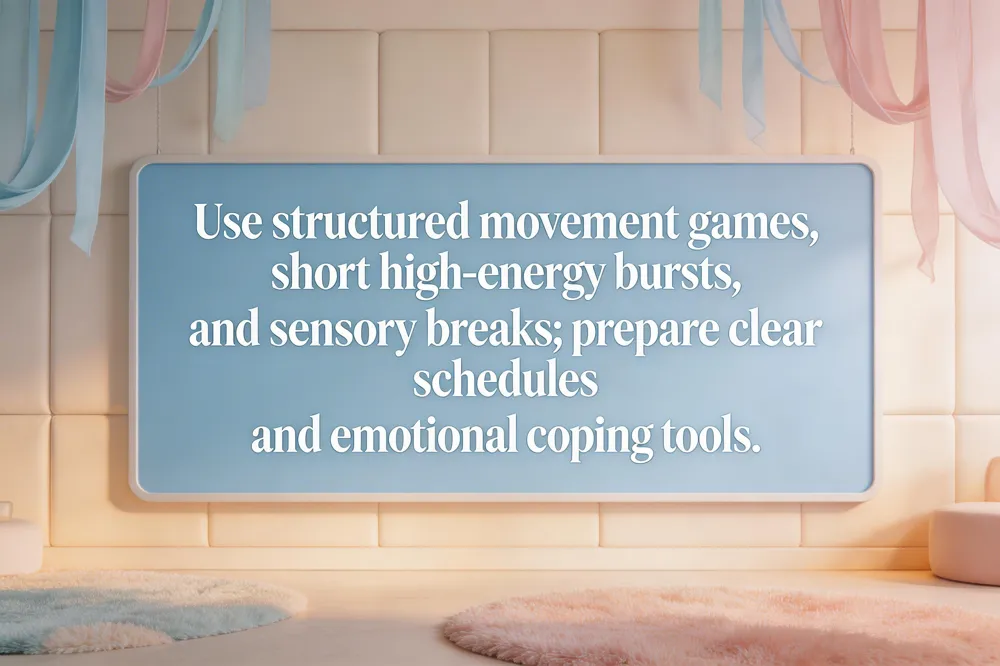 Preparing a child with ADHD for summer camp means blending medical readiness with thoughtful activity design and emotional support.
Activity adaptations for ADHD
Preparing a child with ADHD for summer camp means blending medical readiness with thoughtful activity design and emotional support.
Activity adaptations for ADHD
- Structured movement games (obstacle courses, relay races) give clear rules and quick transitions, keeping focus sharp. - Short, high‑energy bursts such as timed tag, jump‑rope challenges, or “Simon Says” variants let the child expend energy without overstimulation. - Creative arts‑movement combos (dance storytelling, yoga‑game hybrids) provide sensory input while fostering concentration. - Outdoor scavenger hunts break tasks into simple steps, sustaining attention. - Team sports with frequent player rotations prevent fatigue in one role. - Mind‑body pauses—guided breathing or imagery—offer calm‑down moments. Emotional preparation for sleepaway experiences
- Review health paperwork; verify immunizations and bring a copy of the doctor’s note with medication and allergy alerts. 2. Walk through the daily schedule using pictures or the camp brochure to set expectations. 3. Practice independent self‑care (hand‑washing, brushing teeth). 4. Arrange a short “stay‑away” night at a friend’s house to build confidence. 5. Encourage a bedtime journal or a letter home to ease homesickness. 6. Confirm drop‑off, pick‑up, and transportation details with staff. Age‑appropriate expectations for older campers
- Seventeen‑year‑olds are welcomed at most camps; many offer teen‑only sessions that emphasize leadership, skill mastery, and independence. - Older campers can handle longer hikes, more complex schedules, and greater personal responsibility, but still benefit from the same medical clearance (up‑to‑date physical, immunizations, medication plan) required for younger peers. ‑ By tailoring activities, reinforcing safety protocols, and fostering emotional resilience, parents and camp staff can ensure a rewarding, healthy summer for children with ADHD and teens of any age.
Communication, Comfort, and Emotional Well‑Being
 Establishing Regular Check‑Ins and Communication Plans
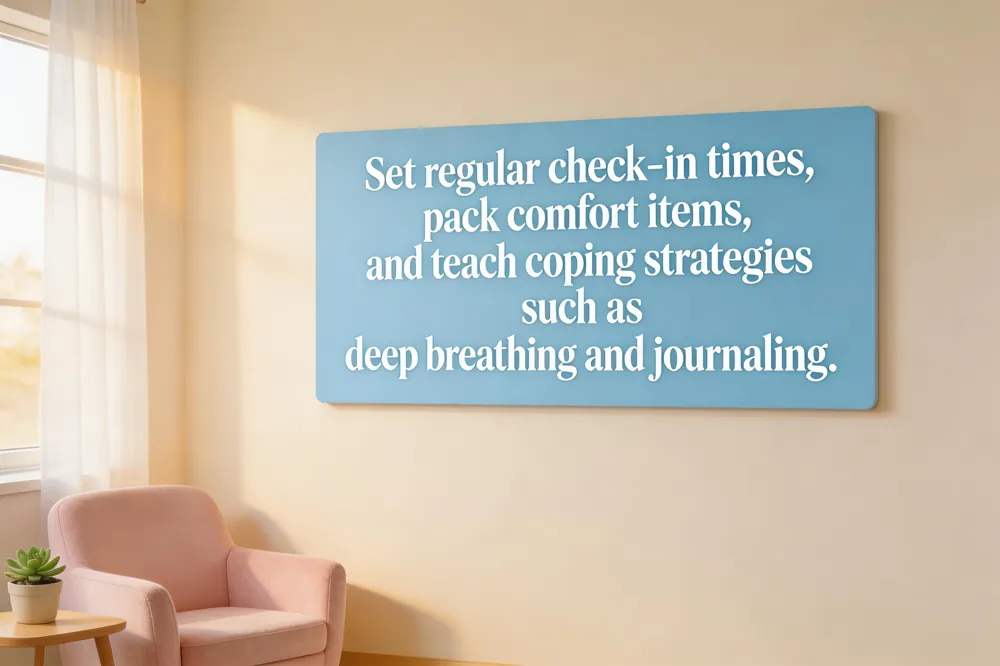
Parents should set up a clear schedule for phone calls, texts, or handwritten notes so campers know when they’ll hear from home. A simple plan—like a quick call every evening or a weekly video chat—helps children feel connected and reduces anxiety. Make sure the camp knows the preferred method and timing, and keep a list of emergency contacts handy.
Establishing Regular Check‑Ins and Communication Plans
Parents should set up a clear schedule for phone calls, texts, or handwritten notes so campers know when they’ll hear from home. A simple plan—like a quick call every evening or a weekly video chat—helps children feel connected and reduces anxiety. Make sure the camp knows the preferred method and timing, and keep a list of emergency contacts handy.
Providing Comfort Items to Reduce Homesickness A small, familiar object can make a big difference. Pack a favorite stuffed animal, a family photo, or a bedside night‑light. These items serve as a reminder of home and give children a sense of security when they’re far from familiar surroundings.
Setting Realistic Expectations and Coping Strategies Talk openly about what a typical day looks like, using camp brochures or photos. Encourage your child to imagine fun activities and reassure them that feeling nervous is normal. Teach coping tools such as deep‑breathing, journaling, or a “comfort checklist” they can review each night.
Preparing child for camp activities checklist
- Completed health history form and emergency contact sheet
- Up‑to‑date immunization record (including COVID‑19, Tdap, MMR, varicella)
- List of current medications with dosage instructions
- Signed consent for medication administration and special needs
- Recent physical exam clearance (if required by camp)
- Sun protection items (hat, sunscreen, sunglasses)
- Reusable water bottle and camp‑approved snacks
- Comfortable clothing and sturdy shoes
- Personal hygiene items (toothbrush, toothpaste, soap)
- Required equipment (e.g., swimming gear, sports uniform)
How to prepare your child for sleepaway camp
- Review health paperwork and ensure immunizations are current.
- Discuss the daily schedule using pictures or the camp brochure.
- Pack a clear list of medications, allergy alerts, and a doctor’s note.
- Practice basic self‑care (hand‑washing, brushing teeth) independently.
- Arrange a short “stay‑away” trial night at a friend’s house.
- Encourage a bedtime letter or journal to ease homesickness.
- Confirm transportation, drop‑off, and pick‑up times with camp staff.
Your Child’s Summer Camp Success Starts with Preparation
A successful camp experience begins with a solid health foundation: up‑to‑date immunizations, a recent physical exam, and a written health plan for any chronic conditions such as asthma or food allergies. Pack a summer safety kit—SPF 30+ sunscreen, insect repellent, a reusable water bottle, and a basic first‑aid kit—while also including comfort items and a labeled backpack. Ensure your child can handle the physical demands of the program by practicing daily activity, swimming skills, and endurance hikes. Finally, address emotional readiness by discussing expectations, coping strategies for homesickness, and establishing a clear communication plan with camp staff. Schedule a comprehensive camp physical at Kids & Teens Primary Healthcare to verify readiness and receive personalized guidance. For assistance, call (555) 123‑4567 or email info@kidsandteenshealth.org.