Why Spring Allergies Matter
Spring allergies affect roughly 7 million U.S. children, with pollen from trees, grasses, weeds and mold spores as the chief culprits. Even mild sneezing, itchy eyes or a runny nose can turn into fatigue, poor school concentration, frequent ear or sinus infections, and asthma flare‑ups. Because symptoms often linger for weeks and can disrupt sleep, early medical evaluation is essential. Pediatricians can confirm the diagnosis, rule out infections, and prescribe safe treatments—saline rinses, non‑sedating antihistamines, or steroid nasal sprays—while guiding families on exposure‑reduction strategies. Prompt, expert care helps keep kids active, focused, and healthy throughout the season.
Understanding Symptoms and When to Seek Help
 Kids with pollen allergies often show sneezing, a runny or stuffy nose, itchy watery eyes, and an itchy throat or ears. A cough or wheezing may appear, especially at night, and children develop red, bumpy skin rashes or hives. Fatigue, dark circles under the eyes and headaches are common, while fever is usually absent. These symptoms recur each year during pollen season, unlike a cold that resolves in a week and may be accompanied by fever and mucus.
Seasonal allergies in toddlers look similar: sneezing, nasal discharge, watery eyes, scratchy throat, nasal congestion, and a cough. Post‑nasal drip can cause a throat “tickle,” and wheezing may signal asthma. Skin reactions such as itchy patches or hives can also occur. The key difference from a cold is lack of fever and pattern of symptoms.
If any of these signs persist beyond a few days, interfere with sleep, school performance, or are accompanied by wheezing, difficulty breathing, or cough, parents should schedule a pediatric evaluation. Discussion of treatment options—saline rinses, antihistamines, or referral for allergy testing—can prevent complications and improve life.
Natural Prevention Strategies
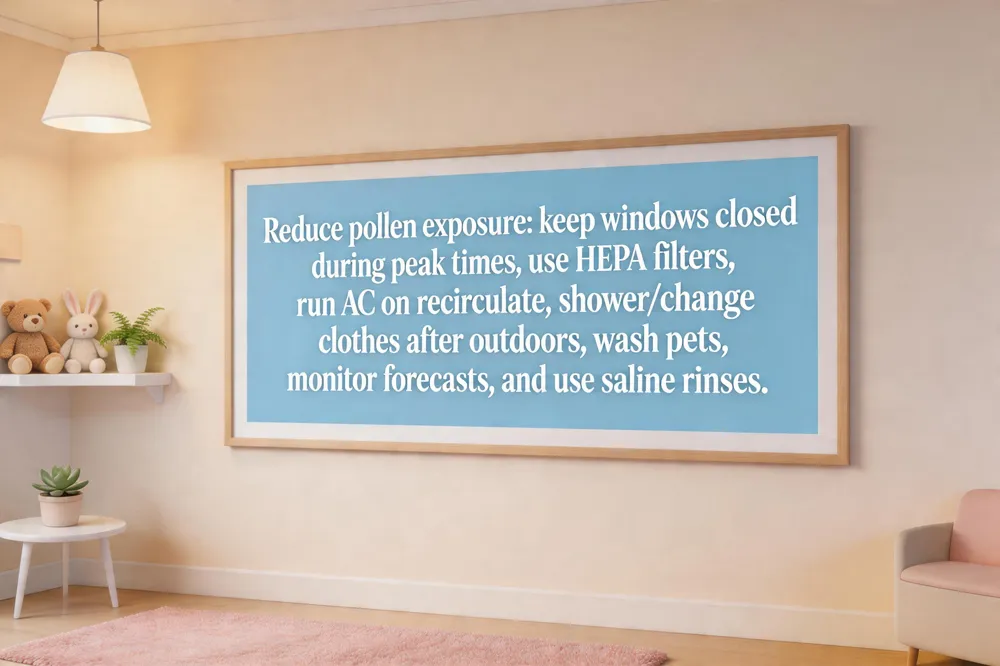 What are the tips to avoid spring pollen allergies?
Keep windows and doors shut during peak pollen times—early morning and evening—and run your home and car air‑conditioning on recirculate mode with a clean filter. After any outdoor play, change out of outdoor clothes, wash hands and face (or shower) before bedtime to rinse pollen. Dry laundry indoors, keep pets’ bedding clean, and check daily pollen forecasts, limiting outdoor activities on high‑count, windy, or dry days. A pediatric‑approved saline nasal rinse or antihistamine (as directed) can further reduce irritation.
What are the tips to avoid spring pollen allergies?
Keep windows and doors shut during peak pollen times—early morning and evening—and run your home and car air‑conditioning on recirculate mode with a clean filter. After any outdoor play, change out of outdoor clothes, wash hands and face (or shower) before bedtime to rinse pollen. Dry laundry indoors, keep pets’ bedding clean, and check daily pollen forecasts, limiting outdoor activities on high‑count, windy, or dry days. A pediatric‑approved saline nasal rinse or antihistamine (as directed) can further reduce irritation.
How to prevent pet allergies in babies? Keep pets out of the baby’s sleep and play areas. Wash the baby’s hands and any surfaces the animal touches after each encounter. Bathe and groom pets regularly, and run a HEPA‑filter air purifier to trap dander. If the baby shows wheezing, rash, or congestion, consult your pediatrician promptly for possible testing or treatment. Controlled, gradual exposure can help the infant’s immune system while maintaining a clean environment.
How to prevent seasonal allergies in babies? Plan outdoor time when pollen counts are low, avoid midday/evening peaks, and keep windows closed on high‑pollen days. Use a HEPA filter in the baby’s room and run the AC with a high‑efficiency filter. After returning inside, remove shoes and change clothing and give a gentle bath. Keep the home low‑humidity, vacuum with a HEPA‑equipped vacuum, wash bedding weekly in hot water, and use allergen‑impermeable covers. Discuss safe antihistamines or nasal sprays with your pediatrician if symptoms persist.
How to help a child with seasonal allergies naturally? Reduce exposure by sealing windows, using HEPA air purifiers, and having the child shower and change after outdoor play. Daily saline nasal rinses can clear pollen from passages. Support immunity with a balanced diet rich in vitamin C, quercetin (apples, onions), and a pediatric‑approved probiotic. Encourage good sleep and stress‑reduction. If symptoms affect school, sleep, or activity, seek pediatric guidance for possible antihistamines, nasal steroids, or allergy testing.
Medication Options and Safe Use
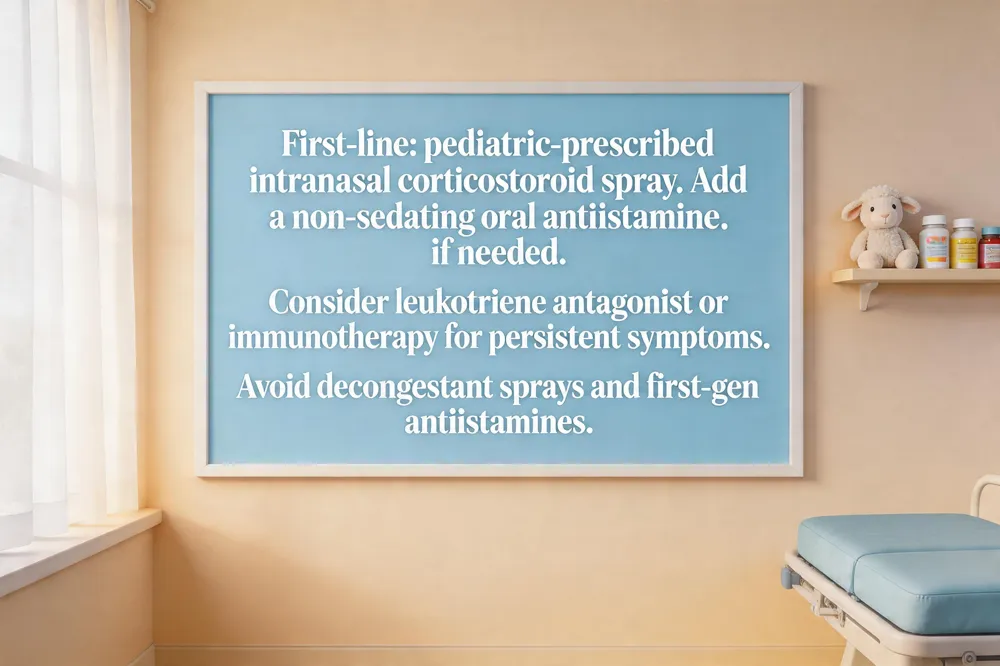 Seasonal allergies in kids are best managed by first cutting down pollen exposure—keep windows shut, run air‑conditioned air on recirculate, and have your child shower and change clothes right after play. A daily saline nasal rinse clears irritants, and a pediatric‑prescribed intranasal corticosteroid spray (e.g., fluticasone or mometasone) is the most effective first‑line medication for nasal congestion and inflammation. For persistent itching or sneezing, a non‑sedating oral antihistamine such as cetirizine, loratadine, fexofenadine, or levocetirizine can be added; only one antihistamine should be used at a time unless a clinician advises otherwise. When symptoms remain moderate to severe, a pediatrician may consider a leukotriene receptor antagonist like montelukast or referral for allergen immunotherapy (shots or sublingual tablets). Decongestant sprays and older first‑generation antihistamines (e.g., diphenhydramine) are generally avoided in children because they can cause rebound congestion, drowsiness, or blood‑pressure spikes. Always consult your child’s pediatrician before starting, combining, or adjusting any allergy medication to ensure safe dosing and to address any asthma or sinus infection concerns.
Long‑Term Management and Immunotherapy
 Allergy shots
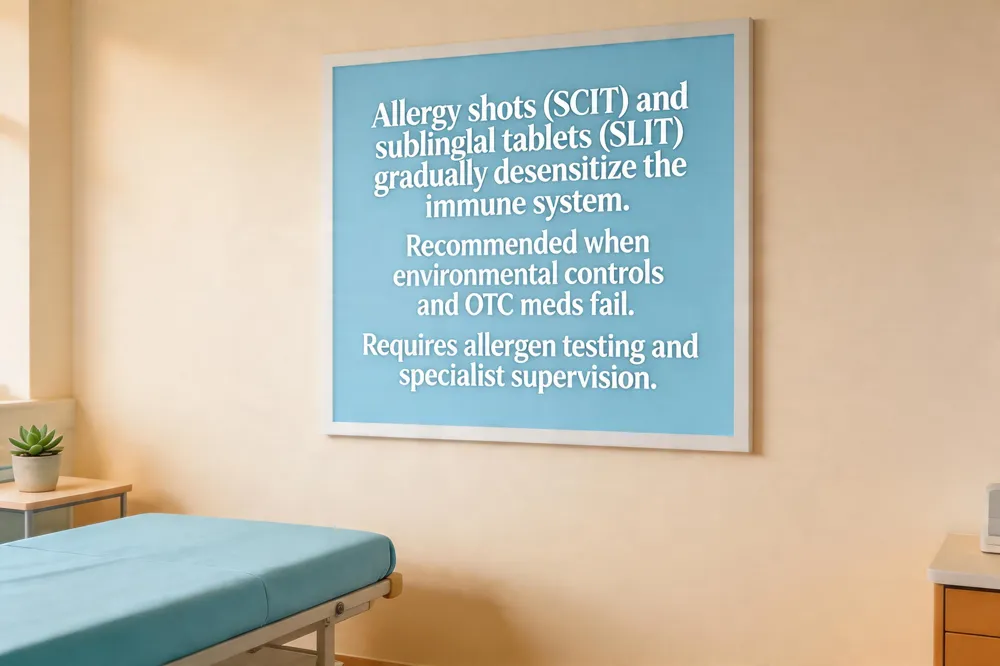
Subcutaneous immunotherapy (allergy shots) involves regular injections of gradually increasing amounts of the specific pollen or mold extracts that trigger a child's symptoms. Over time, the immune system becomes desensitized, reducing the frequency and severity of sneezing, itchy eyes, and nasal congestion. Shots are typically administered in a pediatric allergist’s office once or twice a week initially, then spaced out to monthly maintenance doses.
Allergy shots
Subcutaneous immunotherapy (allergy shots) involves regular injections of gradually increasing amounts of the specific pollen or mold extracts that trigger a child's symptoms. Over time, the immune system becomes desensitized, reducing the frequency and severity of sneezing, itchy eyes, and nasal congestion. Shots are typically administered in a pediatric allergist’s office once or twice a week initially, then spaced out to monthly maintenance doses.
Sublingual tablets For children who prefer a needle‑free option, sublingual tablets dissolve under the tongue and are taken daily at home. SLIT has been shown to be effective for grass, ragweed, and tree pollen allergies, with a safety profile similar to that of allergy shots. The tablets must be prescribed after confirming the exact allergen through skin‑prick or specific‑IgE testing.
When to consider immunotherapy Immunotherapy is recommended when environmental controls and OTC medications (antihistamines, nasal steroids, saline rinses) fail to control symptoms, or when allergies are causing fatigue, poor school performance, frequent ear or sinus infections, or asthma exacerbations. A pediatrician or allergist will evaluate the child’s age, symptom pattern, and any coexisting asthma before initiating treatment.
Allergy for kids remedy Start with environmental controls—closed windows, HEPA filters, and immediate hand/face washing after outdoor play. Use saline nasal rinses and age‑appropriate non‑sedating antihistamines (**cetirizine or loratadine under pediatric guidance.
Can you prevent allergies in kids? Yes. Exclusive breastfeeding for 4‑6 months, early introduction of common allergens (peanut, egg, dairy) between 4‑6 months, and maintaining skin barrier are important.
Allergy preventing in during pregnancy A balanced diet rich in omega‑3s and vitamin D, a smoke‑free environment, and regular cleaning to limit dust‑mites are key. No evidence supports avoiding specific foods during pregnancy.
How to treat seasonal allergies in babies Gentle saline nasal drops with suction, closed windows, HEPA purifiers, and prompt washing of hands/cloth after outdoor play. For toddlers >2 years, pediatric‑approved oral antihistamines or low‑dose steroid nasal sprays may be considered after consulting a pediatrician.
Food Allergy Prevention and Early Introduction
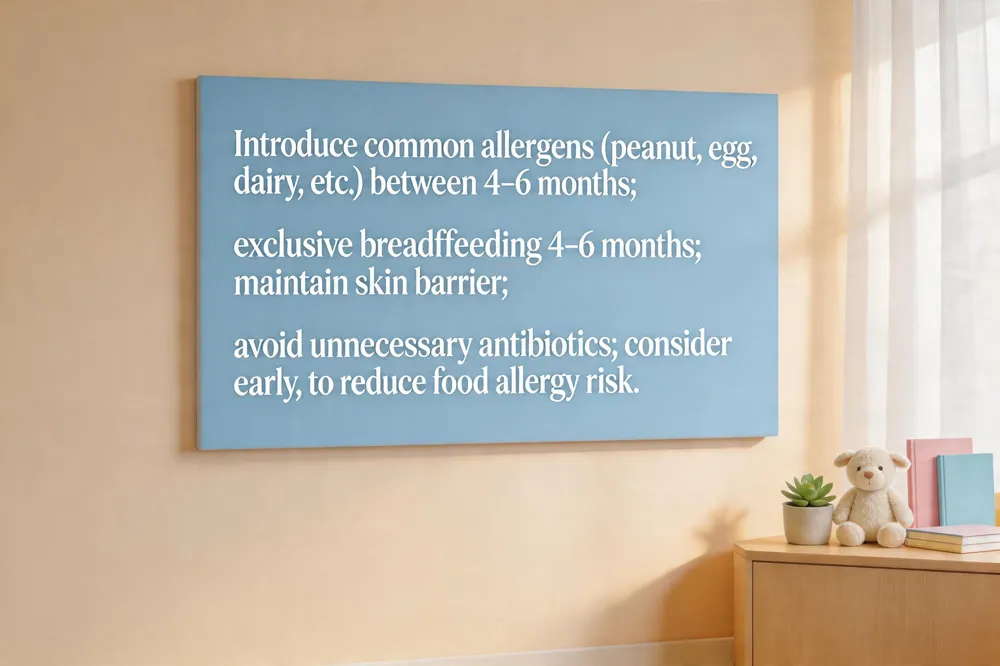
Introducing common allergens—peanut, egg, dairy, wheat, soy, tree nuts, fish, shellfish, and sesame—between 4 and 6 months, when the infant is developmentally ready, dramatically lowers the risk of food allergy. The LEAP study showed a up to % reduction in peanut allergy when peanuts were introduced early, and similar benefits are seen with other foods.
Breastfeeding Benefits
Exclusive breastfeeding for the first 4‑6 months supports gut health and immune tolerance. While breastfeeding, a diverse maternal diet does not increase allergy risk and may further protect the infant. Regular skin‑to‑skin contact and maintaining a healthy microbiome are additional advantages.
Food allergy in children pubmed
Recent PubMed research emphasizes age‑appropriate allergen introduction and sustained exposure while breastfeeding to promote tolerance. Controlled oral immunotherapy, under specialist supervision, can raise reaction thresholds for children with established allergies. Ongoing pediatric follow‑up is essential, as many children outgrow certain food allergies by school age.
Food allergy prevention
Early introduction of peanuts, eggs, and dairy, combined with breastfeeding and a fiber‑rich diet, reduces allergy risk. Parents should avoid unnecessary antibiotics and consult a pediatrician or allergist for individualized guidance.
What are the 9 major foods that cause 90% of allergic reactions?
Milk, eggs, peanuts, tree nuts, soy, wheat, fish, crustacean shellfish, and sesame.
The most frequent food allergens are milk, eggs, peanuts, tree nuts, soy, wheat, fish, and shellfish; environmental triggers include pollen, dust mites, pet dander, and mold. About 20% of children have seasonal allergies, 10% eczema, and 5% diagnosed food allergies.
What is the 3‑day rule for allergies?
Introduce one new food, then wait three days before adding another, watching for rash, hives, vomiting, or breathing difficulty. This helps pinpoint reactions, though current guidelines favor more frequent exposure under medical guidance.
Practical Daily Tips for Parents
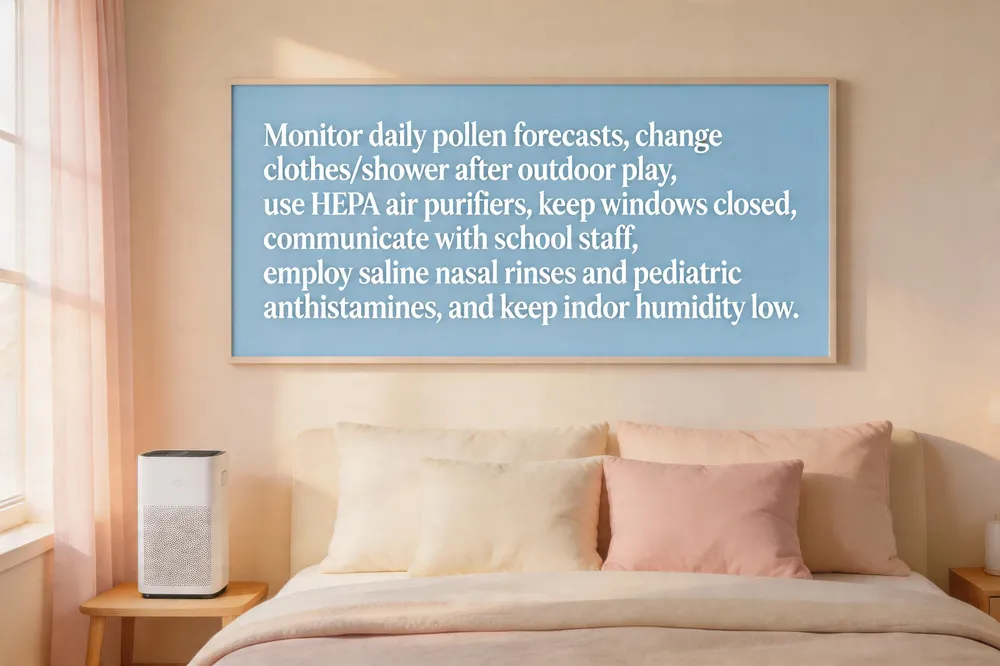 Keeping seasonal allergies under control starts with simple, daily habits.
Daily pollen monitoring – Check a reliable pollen forecast each morning (weather apps, National Allergy Bureau). On high‑count days, plan indoor activities and keep windows shut.
Clothing and laundry routines – After outdoor play, have your child change into clean clothes, wash hands and face, and take a quick shower. Dry laundry indoors or use a dryer to prevent pollen from clinging to sheets and shirts.
Air filtration in home and car – Run the air‑conditioner on recirculate mode with a clean filter, and consider a HEPA purifier in the bedroom and living areas. In the car, keep windows up and set the HVAC to recirculate to block pollen entry.
School communication – Inform teachers and school nurses about your child’s allergies, share an action plan, and ask that the classroom keep windows closed during peak pollen periods.
Toddler pollen allergy relief – Keep the toddler indoors on high‑pollen days, run a HEPA filter, and shower immediately after outdoor play. Use pediatric‑approved saline nasal spray and a second‑generation antihistamine as directed; contact your pediatrician if symptoms worsen.
Kids seasonal allergies cough – Treat post‑nasal drip with saline rinses, give age‑appropriate antihistamines (cetirizine or loratadine), and soothe the throat with honey (over 1 yr) or warm fluids. Seek medical help if the cough persists, worsens, or is accompanied by wheezing.
Allergy for kids remedy – Start with environmental controls, saline nasal sprays, and OTC pediatric antihistamines. Discuss any supplements (e.g., honey, probiotics) with your pediatrician to ensure safety and rule out asthma or other conditions.
Putting It All Together for a Healthy Spring
Recap the essential steps: check pollen forecasts, keep windows closed, bathe and change clothes after play, use HEPA filters or AC on recirculate, and give age‑appropriate antihistamines or nasal steroid spray. Partner with your pediatrician to tailor treatment, track symptoms, and adjust plans. Ongoing monitoring keeps your child comfortable and thriving this spring all season.