Understanding the Essentials of Sick Child Care
Introduction to common childhood illnesses
Children are often affected by illnesses such as colds, flu, ear infections, and allergies. These conditions can cause symptoms like coughing, fever, congestion, sore throat, and fatigue. Because children's nasal passages and sinuses are smaller, they may experience more severe congestion and breathing difficulties.
Importance of early diagnosis and treatment
Early diagnosis is crucial for effective treatment and preventing complications. Recognizing symptoms such as persistent fever, difficulty breathing, or dehydration helps parents seek timely medical care. Treatment ranges from supportive home care—rest, fluids, and a balanced diet—to medications like antibiotics for bacterial infections or inhalers for asthma.
Role of pediatricians in child healthcare
Pediatricians play a vital role by using medical history, physical exams, and diagnostic tests to identify illnesses. They offer guidance on managing symptoms and prescribe appropriate treatments. Regular checkups and immunizations are also essential to protect children from serious diseases and promote healthy development.
Recognizing Illness and Danger Signs in Children
What are the general danger signs for a sick child?
Parents and caregivers should carefully observe all sick children for general danger signs which indicate serious health issues. Key signs include if a child is unable to drink or breastfeed, is vomiting everything they consume, has experienced convulsions, or appears lethargic or unconscious. The presence of any of these signs signals a serious problem that warrants immediate medical evaluation.
When should you take a sick child to the doctor?
Seeking medical care promptly can prevent complications. You should take your child to a doctor if they have persistent vomiting lasting more than 24 hours without diarrhea or dehydration signs, complain of ear pain, or have a fever that lasts over three days in children older than three months. If cold or cough symptoms extend beyond 10 days or are accompanied by a sore throat and fever, professional assessment is advised. For urgent symptoms such as severe difficulty breathing, high fever, or unresponsiveness, visiting an emergency facility 24/7, such as Pediatric Care in Bridgeport Connecticut, is critical.
Symptoms indicating urgent medical attention
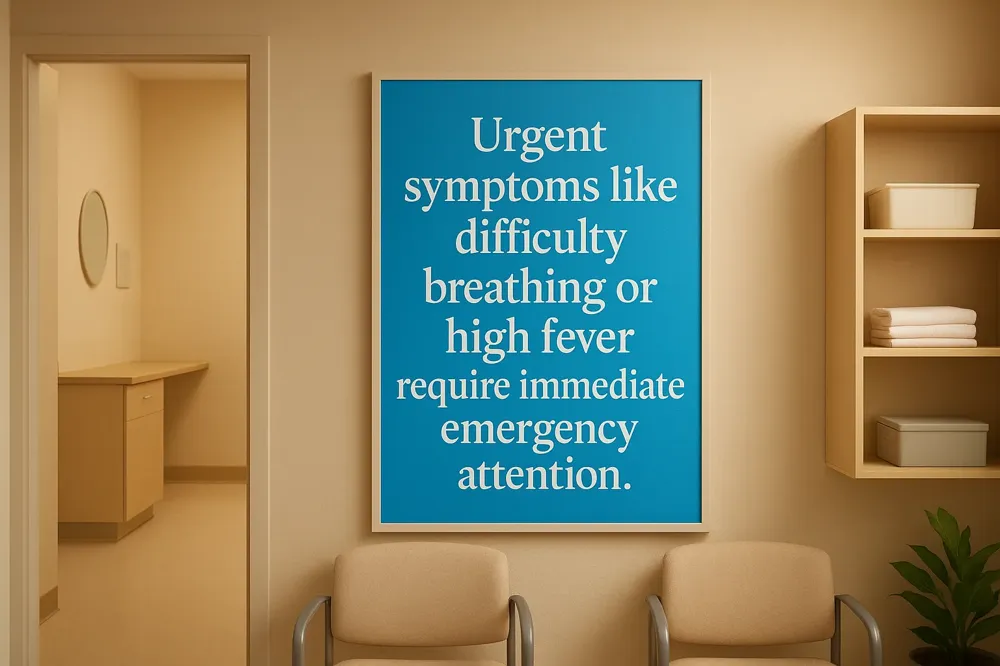
Urgent care should be pursued for symptoms including:
- Difficulty breathing or wheezing
- High or persistent fever
- Signs of dehydration
- Severe pain or lethargy
- Any convulsions or seizures These symptoms require immediate evaluation at facilities equipped to provide specialized Diagnosis in pediatric care.
Parental guidance on symptom monitoring
Parents should monitor symptoms closely and trust their instincts. Keeping track of changes, ensuring adequate rest, hydration, and following pediatrician instructions on medication and home care is essential. When in doubt, consulting your child's Kids & Teens Primary Healthcare in Decatur, Georgia helps ensure timely and appropriate care, which is key to a safe recovery.
Regular vigilance and timely medical attention can safeguard Common Pediatric Illnesses effectively.
Common Childhood Illnesses and Their Diagnosis
What are the most common childhood illnesses?
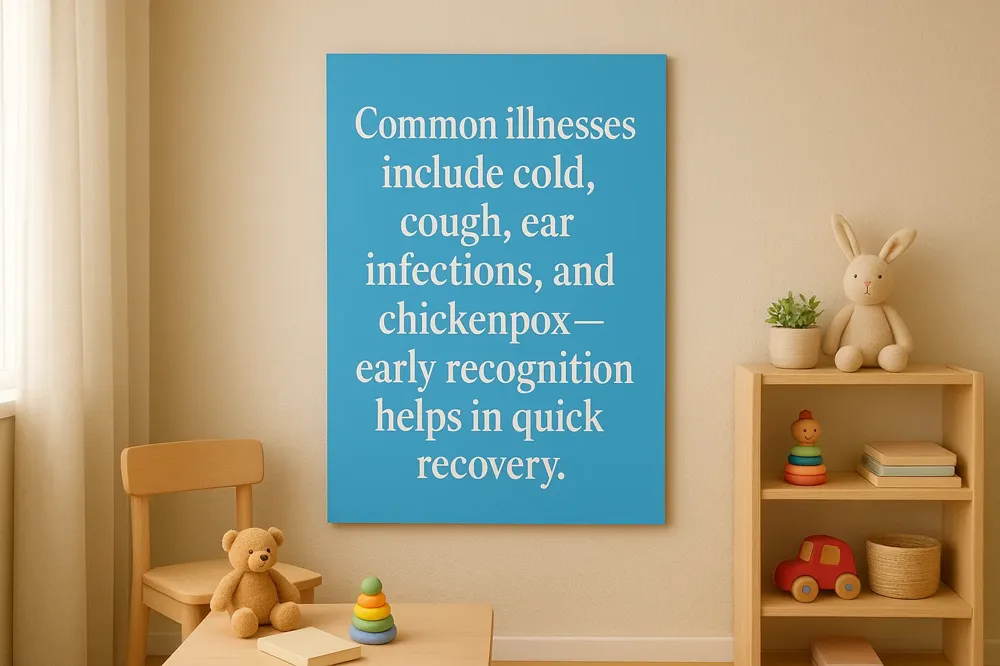
Children commonly suffer from a variety of illnesses, particularly respiratory conditions such as asthma, bronchiolitis, cough, and croup. These conditions often impact young children and may recur or persist over time. Infectious diseases like the common cold, chickenpox, diarrhea, and vomiting are widespread, especially in school-aged children exposed to many viruses. Fever is a frequent symptom in these illnesses, signaling an underlying infection. Other prevalent conditions include ear infections and strep throat, which can cause considerable discomfort and require medical attention. Early recognition and treatment are essential for ensuring a smooth recovery. For more details, see Common Pediatric Illnesses.
What are some of the most common pediatric diagnoses for children?
The most frequent diagnoses in pediatric care include the common cold, ear infections, sore throats, urinary tract infections (UTIs), skin infections, and bronchiolitis. Respiratory ailments such as asthma demand ongoing management. Gastroenteritis (stomach flu), hand, foot, and mouth disease, febrile seizures, eczema, and bronchitis also commonly affect children. Preventive measures like immunizations and good hygiene are critical in reducing the incidence of these illnesses. Regular pediatric checkups help monitor development and health, enabling timely diagnosis and treatment. For comprehensive information, visit Kids & Teens Primary Healthcare in Decatur, Georgia.
How do pediatricians diagnose childhood illnesses?
Pediatricians use a combination of medical history reviews, physical examinations, and diagnostic tests to identify illnesses accurately. Medical history includes symptoms, recent exposures, travel, and previous illnesses. Physical exams focus on vital signs such as temperature, breathing, heart rate, and examination of the throat, ears, abdomen, and skin. Observation for signs like swelling, redness, and fluid buildup guides diagnosis. Pediatricians are trained to observe subtle cues in children and tailor exams to minimize distress. For more on clinical guidelines, see Clinical Practice Guidelines.
What role do laboratory tests and physical exams play in diagnosis?
Laboratory tests complement physical exams and are essential for confirming bacterial infections such as strep throat, ear infections, and UTIs. Blood tests, urine analysis, and sometimes imaging like X-rays help in confirming diagnoses. For example, strep throat requires a rapid antigen or throat culture test to ensure antibiotic treatment is appropriate. Pediatricians rely on these tests to distinguish between viral and bacterial causes, as viral infections typically do not require antibiotics and are managed with supportive care. The physical exam provides real-time evaluation of symptoms and is often the first step in diagnosis. For detailed guidance, see Diagnostic tests: blood, urine, and X-rays and Pediatric Physical Exam and Diagnosis.
Proper diagnosis and treatment guided by pediatric healthcare professionals are vital for managing common childhood illnesses effectively and ensuring children's well-being. For additional trusted pediatric health resources, visit Children's Diseases and Conditions.
Preventive Care and Immunizations in Pediatric Health
Why Are Immunizations Important for Children?
Immunizations protect children from serious illnesses that were once common and often deadly, such as pertussis, polio, diphtheria, measles, tetanus, and chickenpox. These six diseases can cause complications like severe infections and long-term health problems. Vaccines work by preparing the immune system to fight these infections if exposed. For more information, see Childhood Vaccination Importance.
What Does the Vaccination Schedule Look Like?
The vaccination schedule follows guidelines set by the Centers for Disease Control and Prevention (CDC) and the American Academy of Pediatrics (AAP). These schedules specify the timing and doses for various vaccines, starting from infancy through adolescence, to provide timely protection as children grow. For details, refer to CDC vaccination schedule for children.
How Do Well-Child Visits Support Prevention?
Regular well-child visits allow pediatricians to monitor growth and development, screen for health issues, and ensure children receive all necessary vaccinations on time. These visits also provide an opportunity for parents to ask questions and receive advice on keeping children healthy. Learn more about Regular pediatric examinations and Well-child checkups.
How Has Vaccination Impacted Childhood Disease?
Widespread vaccination has dramatically reduced the occurrence of many childhood diseases, preventing outbreaks and protecting vulnerable communities. Continued adherence to immunization schedules helps maintain this protection and prevents the resurgence of these illnesses. See also Preventive Health for Children and Childhood Immunizations and Prevention.
What Are Some Signs of Common Childhood Diseases?
Symptoms of these diseases can include fever, rash, coughing, and muscle stiffness. Recognizing these early and ensuring vaccinations are up-to-date can help prevent disease spread and serious complications. For guidance, visit How to Recognize Common Childhood Illnesses and Common Childhood Illnesses Overview.
Managing Pediatric Allergies, Asthma, and Chronic Conditions
What Are Common Pediatric Allergic Conditions and Symptoms?
Children often experience allergic reactions that can affect their breathing and daily comfort. Common symptoms include sneezing, coughing, difficulty breathing, itchy watery eyes, and a scratchy throat. These symptoms can be signs of Allergies in children triggered by environmental factors such as pollen, dust, or pet dander.
How Are Pediatric Allergies Evaluated and Treated?
Pediatricians use Allergy testing and treatments for kids to accurately identify allergens causing symptoms. Tests may include skin prick tests or blood tests. Treatment options include allergy shots (immunotherapy) or sublingual immunotherapy that help build tolerance to allergens over time, potentially reducing the severity of symptoms. These treatments are tailored to each child’s needs and medical history.
How Is Pediatric Asthma Diagnosed and Managed?
Asthma in children is diagnosed through medical history, physical exams, and sometimes lung function tests. Symptoms often include wheezing, difficulty breathing, and coughing. Management typically involves Rescue inhalers for asthma attacks to relieve sudden attacks and Long-term asthma medications to prevent episodes. Proper asthma control helps children maintain an active lifestyle and reduces emergency visits.
Why Is Ongoing Care and Monitoring Important?
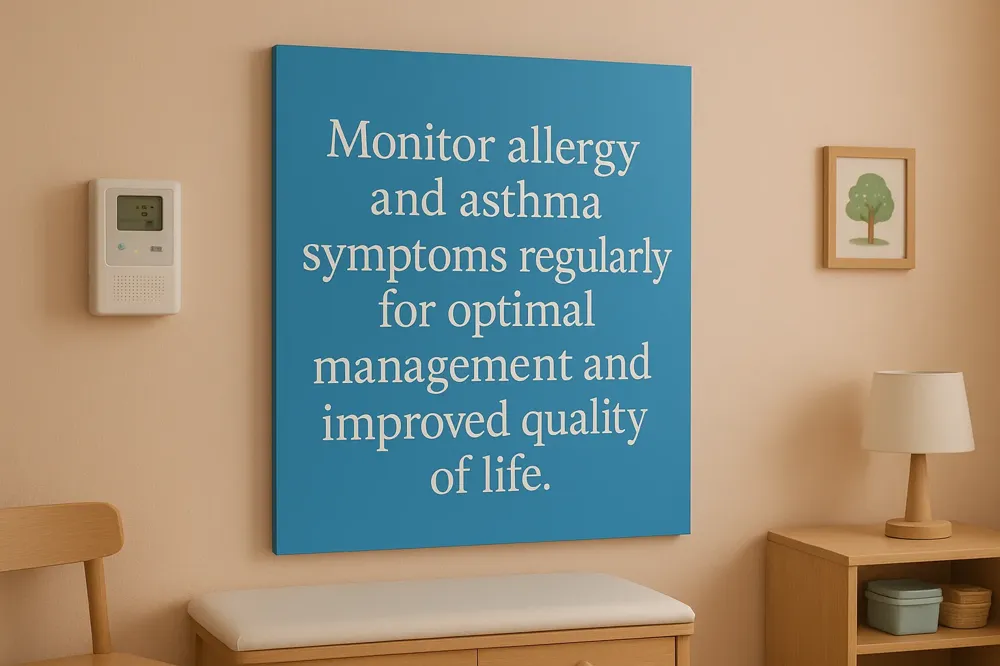
Both allergies and asthma require continuous monitoring by pediatric healthcare providers. Regular check-ups allow for adjustment of medications and evaluation of symptom control. This ongoing care ensures that Regular pediatric examinations and symptom management optimize children's health and minimize complications. Parents and caregivers play a vital role in observing symptoms and following treatment plans to support their child’s health.
Managing pediatric allergies and asthma effectively requires a partnership between families and pediatric healthcare providers. Early diagnosis, personalized treatment, and vigilant follow-up promote better health outcomes and improve quality of life for children with these chronic conditions.
Mental Health Disorders in Children: Recognition and Care
What are some common mental health disorders diagnosed in children?
Children may face a range of mental health challenges. Common disorders include anxiety disorders, attention-deficit/hyperactivity disorder (ADHD), autism spectrum disorder, and depression. The CDC estimates that about 1 in 7 children aged 2 to 8 in the U.S. suffer from a mental, behavioral, or developmental disorder, underscoring how vital early recognition is. For more information, see Pediatric Health Information.
What symptoms indicate mental health challenges in children?
Signs that may suggest mental health concerns include frequent mood swings, intense temper tantrums, social withdrawal, difficulties in school, and noticeable changes in behavior. While some issues are common and manageable, more serious conditions such as bipolar disorder, schizophrenia, and eating disorders can also affect children. Learn about Mental Health in Children.
Why is early diagnosis and intervention important?
Early detection helps provide timely support to children and families, enhancing the effectiveness of treatments and improving the child’s overall development and quality of life. Without intervention, mental health problems can significantly affect a child’s social relationships, academic performance, and physical health. Review Pediatric Guidelines for Healthcare Professionals for clinical insights.
What treatments and support options are available?
Treatment usually involves a combination of psychotherapy and family support. For certain disorders, medications may be prescribed as part of a comprehensive care plan. Counseling, behavioral therapy, and school-based interventions aim to equip children with coping strategies and skills to manage their condition effectively. For details, visit Behavioral Health for Children.
Families are encouraged to seek professional help if they notice symptoms of mental health concerns in their children. Pediatricians and mental health specialists work together to tailor treatments suited to each child's unique needs, fostering resilience and well-being. Explore Mental health support programs for children and teens for available resources and care.
Empowering Families Through Knowledge and Access to Pediatric Care
Understanding Diagnosis and Treatment
Pediatricians play a vital role in diagnosing illnesses through detailed history, physical exams, and tests like blood work or X-rays. Common illnesses include viral infections such as colds and flu, bacterial infections like ear or throat infections, and conditions like asthma or allergies. Treatment depends on the diagnosis, ranging from rest and fluids to antibiotics or inhalers.
Why Timely Healthcare and Vaccinations Matter
Prompt medical attention for signs like high fever, difficulty breathing, or persistent symptoms helps prevent complications. Scheduled vaccinations are essential to protect children from serious diseases and maintain community health.
Resources Supporting Families
Families have access to comprehensive pediatric care including well-child visits, urgent care, telehealth options, and specialist referrals. Many practices offer same-day sick visits and 24/7 after-hours care, ensuring children get the support they need when they need it most.