Why Seasonal Respiratory Illnesses Matter
Each fall and winter, children and teens face a surge of respiratory viruses—influenza, RSV, COVID‑19, and the common cold. While the cold usually causes mild runny‑nose symptoms, flu, RSV, and COVID‑19 can lead to high fevers, severe coughs, wheezing, and even pneumonia, forcing families to miss school, work, and cherished gatherings. The ripple effect is clear: absenteeism disrupts learning, strains caregivers, and heightens the risk of complications for kids with asthma, obesity, or immunocompromise. Prompt medical attention is crucial; early testing, antiviral therapy, and supportive care can curb disease progression and prevent hospitalizations. Equally important, proven prevention—annual flu and COVID‑19 vaccines, hand‑washing for at least 20 seconds, mask use in crowded indoor settings, and regular cleaning of high‑touch surfaces—keeps viruses at bay, protects vulnerable family members, and keeps schools running smoothly. Investing in these simple habits today safeguards health and stability for children throughout the season.
Vaccination and Immunization Strategies
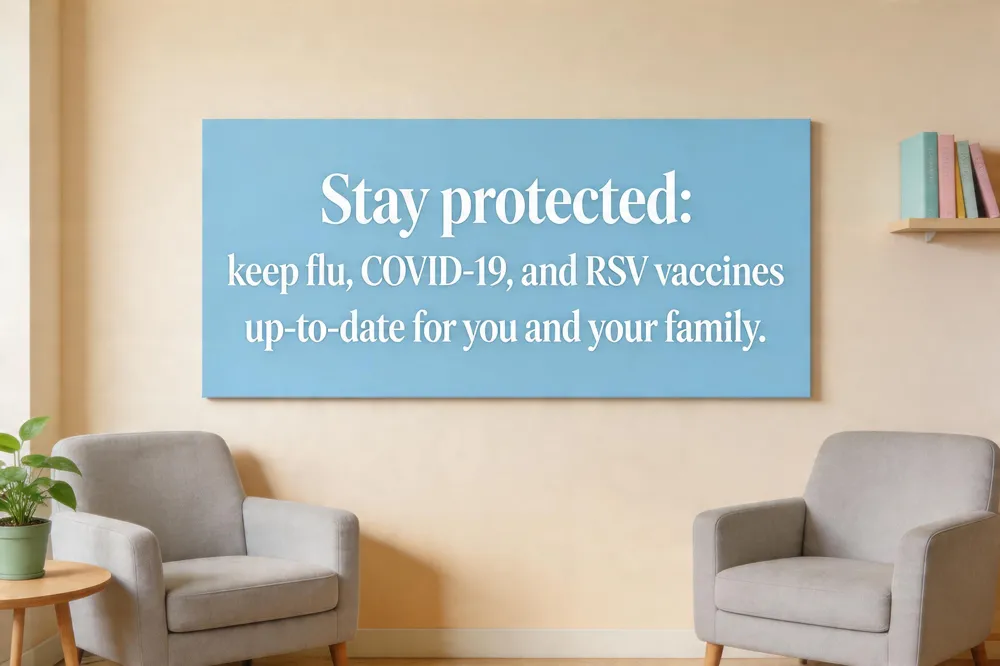 CDC respiratory virus Guidance for healthcare settings
The CDC advises clinics and hospitals to combine administrative, engineering, and environmental controls: stagger appointments, separate symptomatic patients, improve ventilation, and post multilingual signs encouraging mask use, hand hygiene, and respiratory etiquette. All staff, patients, and visitors should have access to well‑fitting masks (especially > 2 years) and hand sanitizer. Vaccination of healthcare workers and patients—annual flu, COVID‑19, RSV—is the most effective protection, with regular screening, prompt cleaning, and disinfection of surfaces.
How to prevent respiratory diseases
Stay up‑to‑date with the annual flu shot, COVID‑19 boosters, RSV immunizations or monoclonal antibody prophylaxis for high‑risk infants, and routine pediatric vaccines (pneumococcal, DTaP, MMR, Hib). Wash hands ≥ 20 seconds with soap or use ≥ 60 % alcohol sanitizer, avoid face touching, and keep indoor air clean with ventilation, HEPA filters, or air purifiers. If sick, stay home, get tested promptly, wear a mask in crowded indoor settings, and follow medical advice for antivirals.
How to prevent the flu naturally
Beyond vaccination, practice diligent hand hygiene, maintain distance from ill individuals, stay home while febrile, and support immunity with adequate sleep, balanced nutrition, regular activity, and hydration. Clean high‑touch surfaces regularly and consider humidifiers or air purifiers during dry winter months.
5 ways to prevent respiratory diseases
- Keep all recommended immunizations current (flu, COVID‑19, RSV, pneumococcal).
- Wash hands thoroughly and use sanitizer when needed.
- Wear masks and physical distance in crowded indoor spaces.
- Improve indoor air quality via ventilation and HEPA filtration.
- Seek prompt testing and medical care if symptoms develop, following prescribed antivirals or supportive treatment.
What to take to prevent flu after exposure
Start antiviral post‑exposure prophylaxis within 48 hours—baloxavir for children ≥ 5 years or oseltamivir for younger kids—prescribed by your pediatrician, especially for high‑risk children. Ensure the child receives the annual flu vaccine for long‑term protection.
Everyday Hygiene and Home Practices
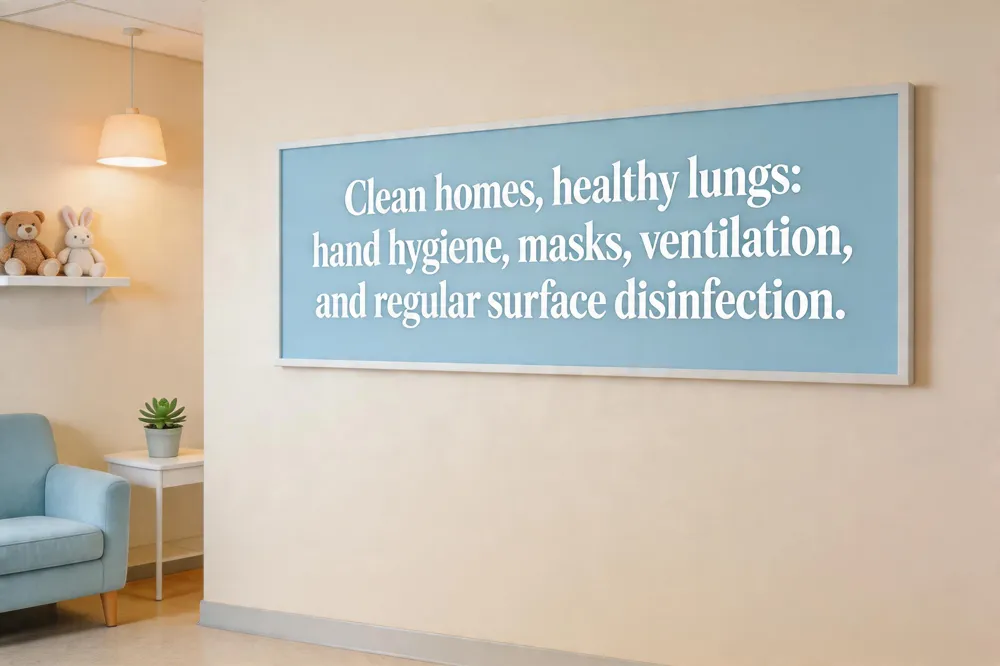 Keeping the home environment clean and encouraging good habits are the first line of defense against colds, flu, RSV, and COVID‑19 in kids and teens.
Hand washing and sanitizer use – Wash hands with soap and water for at least 20 seconds, especially before meals, after coughing or sneezing, and after returning from public places. When soap isn’t available, an alcohol‑based sanitizer (≥60% alcohol) works well, but follow up with soap as soon as possible.
Mask wearing and respiratory etiquette – In crowded indoor settings, a well‑fitted mask helps trap droplets. Teach children to cough or sneeze into a tissue or the inside of the elbow and to wash hands immediately afterward.
Surface cleaning and disinfection – Regularly wipe down high‑touch surfaces—doorknobs, toys, keyboards, and light switches—with EPA‑approved disinfectants. Viruses can survive for hours to days, so frequent cleaning cuts transmission.
Ventilation and indoor air quality – Open windows for a few minutes twice daily, use HEPA‑filter air purifiers, and keep HVAC filters (MERV‑13 or higher) clean. Good ventilation dilutes airborne viruses and reduces irritation for asthma‑prone children.
Gentle home remedies –
- Cold remedies for toddlers under 2: Use a cool‑mist humidifier, saline nasal drops, and bulb‑syringe suction; keep the child hydrated with breast milk, formula, or water; give acetaminophen (≥2 months) or ibuprofen (≥6 months) for fever, avoiding OTC cough medicines.
- Treatment for common cold in a child: Focus on fluids, rest, saline spray, humidified air, and age‑appropriate acetaminophen or ibuprofen; seek care for high or persistent fever or breathing difficulty.
- Cold remedies for kids natural: Offer plenty of fluids, warm herbal teas, honey (≥1 year), a humidifier, and gentle nasal suction; avoid adult medications.
- Home remedies for cold and cough for babies: Use saline drops, gentle suction, a cool‑mist humidifier, and frequent feedings; avoid honey and OTC cough syrups.
- How to treat a cold in a 2‑year‑old: Saline drops, suction, humidifier, honey for cough, extra fluids, and monitor fever; call a pediatrician if symptoms worsen.
- Cold remedies for babies under 1: Saline drops, suction, humidifier, extra feedings, and prompt medical evaluation for fever or breathing trouble.
- Home remedies for cold for a 7‑year‑old: Hydration, honey‑lemon drink, humidifier, saline drops, and rest; avoid OTC cough medicines unless prescribed.
These everyday strategies, combined with up‑to‑date vaccinations, dramatically lower the risk of severe illness and create a safer, healthier season for the whole family.
Supporting Respiratory Health in Everyday Life
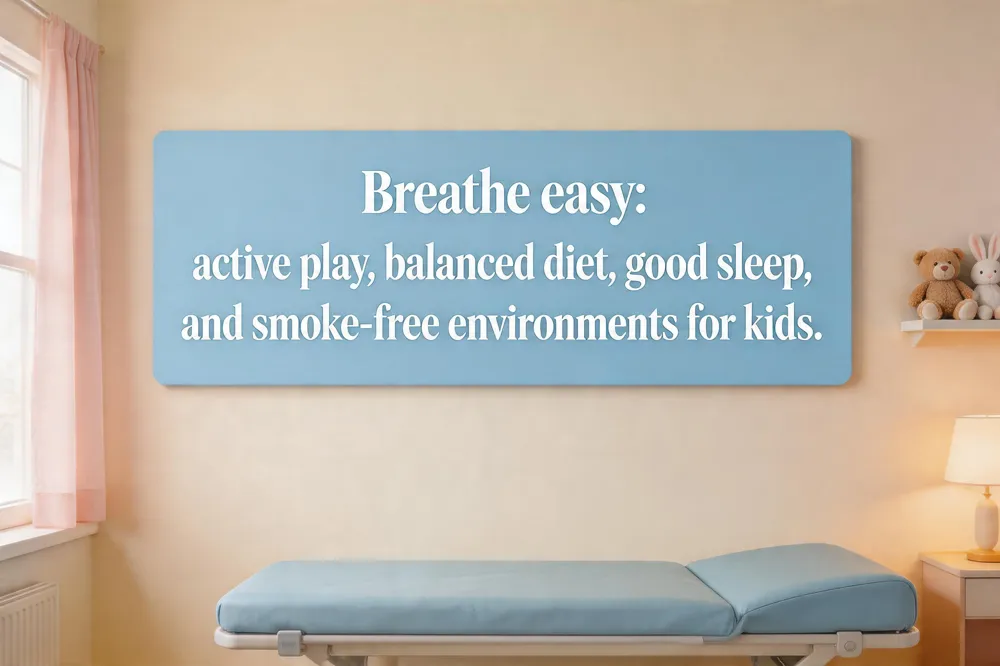
How to improve respiratory health in children?
Encourage regular physical activity—walking, swimming, biking, or yoga—to strengthen lungs and heart while limiting sedentary screen time. Offer a balanced, anti‑inflammatory diet rich in fruits, vegetables, nuts, and omega‑3 sources, and cut processed foods and saturated fats that can irritate airways. Ensure age‑appropriate, restful sleep each night to support immune function and optimal breathing. Keep children away from second‑hand smoke and indoor pollutants; consider HEPA air purifiers and good ventilation. Schedule routine pediatric check‑ups to monitor lung health, adjust asthma or allergy meds, and catch problems early.
How can I boost my child's immune system against a cold?
Prioritize age‑specific sleep (10‑14 hours for school‑aged kids) and a colorful diet with vitamins A, C, E, zinc‑rich beans, nuts, whole grains, and probiotic yogurt. Stay hydrated with water and warm fluids, and promote daily outdoor play—even in winter—to boost circulation. Maintain hand hygiene, clean high‑touch surfaces, and keep vaccinations (flu, RSV, COVID‑19) up‑to‑date.
Air quality and respiratory health in children
Children breathe faster and filter pollutants less efficiently, making them vulnerable to asthma, infections, and reduced lung growth. Improve indoor air by opening windows, using HEPA filters, and avoiding indoor smoking. On high‑pollution days, limit outdoor activity and monitor local air‑quality alerts.
Why does my child keep getting respiratory infections?
Developing immune systems, close contact in schools, and exposure to viruses, tobacco smoke, or allergens increase infection risk. Ensure hand‑washing, avoid sharing toys, and keep immunizations current. Persistent infections merit a pediatric evaluation for underlying conditions and tailored preventive strategies.
Recognizing and Managing Respiratory Illnesses
 Key Symptoms and Red‑Flag Signs
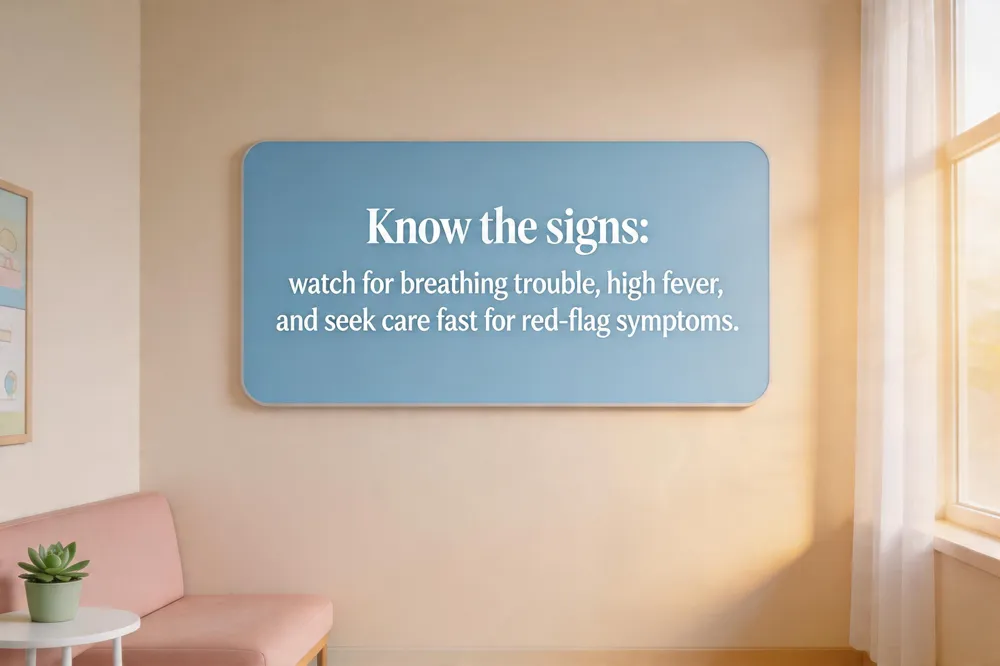
Children with flu, RSV, or COVID‑19 often present with fever, cough, runny nose, and sore throat. Red‑flag signs that demand prompt medical attention include difficulty breathing, bluish lips or skin, persistent high fever (≥ 104°F), severe dehydration (no urine > 8 hours), or a sudden change in mental status such as lethargy or irritability.
Pediatric Respiratory Assessment Tools
Clinicians use age‑appropriate vital‑sign thresholds and tools like the Pediatric Respiratory Assessment Measure (PRAM) and Pediatric Asthma Severity Score (PASS) to gauge severity. Observation for increased work of breathing—nasal flaring, retractions, grunting—and mental‑status changes guide the need for oxygen, bronchodilators, or imaging.
When to Seek Emergency Care
Call 911 or go to the nearest emergency department if you notice rapid breathing that interferes with speaking, visible rib retractions, cyanosis, or any choking event. Infants under 3 months with fever, poor feeding, or trouble breathing need immediate evaluation.
Grades of Respiratory Distress
- Grade 1: tachypnea (> 60 breaths/min) and nasal flaring.
- Grade 2: subcostal and intercostal retractions.
- Grade 3: grunting.
- Grade 4: cyanosis.
Common Pediatric Respiratory Conditions
Asthma, bronchiolitis (RSV), croup, pneumonia, and the common cold are the most frequent diagnoses. Each can range from mild to severe; early recognition and vaccination (annual flu, COVID‑19, RSV) dramatically reduce complications.
Pediatric Respiratory Guidelines
Rapid, systematic assessment—including vital signs, work‑of‑breathing signs, and mental‑status—identifies high‑risk children (prematurity, chronic lung disease, immunodeficiency) and directs timely interventions such as bronchodilators, steroids, or oxygen.
Pediatric Respiratory Emergencies
Asthma attacks, croup, bronchiolitis, pneumonia, and foreign‑body aspiration can progress quickly. Prompt oxygen, bronchodilators, steroids, or antibiotics based on the underlying cause are lifesaving.
When to Worry About Flu in a Child
Watch for breathing difficulty, cyanosis, dehydration, or a fever ≥ 104°F that does not respond to antipyretics. Infants under 3 months with any fever need urgent care.
Pediatric Respiratory Diseases List
Asthma, bronchiolitis, croup, pneumonia, allergic rhinitis, sinusitis, and viral bronchitis are common. Less common disorders include bronchopulmonary dysplasia, cystic fibrosis, and pediatric tuberculosis.
Pediatric Respiratory Diseases PDF
Kids & Teens Primary Healthcare offers a downloadable PDF summarizing these conditions, red‑flag signs, home‑care tips, and vaccination schedules. Access it via the “Patient Resources” section of the clinic’s website.
Family Planning and Prevention During Seasonal Peaks
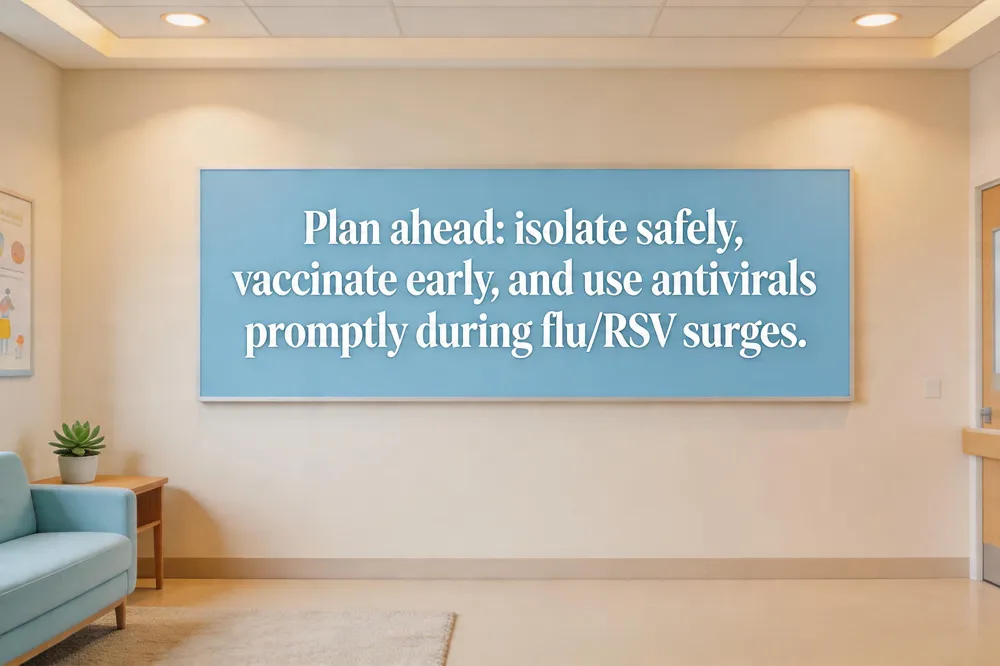 When the flu, RSV, or COVID‑19 surge through a household, swift isolation and a solid sick‑day plan are essential. Keep the ill child in a separate bedroom, have them wear a mask in any shared space, and ask other family members to mask up for any necessary contact. Wash hands with soap and water for at least 20 seconds (or use ≥60 % alcohol sanitizer) and disinfect high‑touch surfaces—doorknobs, toys, phones—with EPA‑approved wipes. Good ventilation, whether by opening windows or running HEPA‑filter air purifiers, reduces airborne virus load.
If you’ve been exposed, start preventive steps immediately: stay in a separate area, wear masks, and maintain rigorous hand hygiene. Stay up‑to‑date on vaccinations—annual flu, COVID‑19, and RSV (for eligible infants and high‑risk children). For those at higher risk (asthma, obesity, immunocompromise), discuss antiviral prophylaxis or early antiviral therapy with your pediatrician; early treatment within 48‑72 hours can blunt disease severity.
Vaccines should be administered before the typical fall‑winter spike; immunity builds about two weeks after injection, so aim for early October. Infants under six months are most vulnerable to severe RSV, especially pre‑term babies. Protect them with household vaccination, limiting exposure, and, when indicated, monoclonal antibody prophylaxis (e.g., nirsevimab).
To keep colds at bay, teach kids thorough hand‑washing, avoid sharing cups or utensils, and clean toys frequently. Pair these habits with a balanced diet, adequate sleep, and regular physical activity to bolster immunity. If a child develops fever, difficulty breathing, dehydration, or symptoms persist beyond 10 days, seek pediatric care promptly—early medical attention can prevent complications and hospitalizations.
Putting It All Together for a Healthier Season
Vaccinations are the cornerstone of protection—annual flu shots, COVID‑19 boosters, and RSV immunizations give children and teens the immune edge they need before the fall‑winter surge. Pair those shots with daily hand‑washing (20 seconds with soap), regular cleaning of high‑touch surfaces, and good indoor air quality (HEPA filters or open windows) to cut virus spread.
A family sick‑day plan should spell out who stays home, when masks are required, and how to isolate the ill child while keeping essential supplies (fever reducers, fluids, humidifier) within reach.
Watch for red‑flag symptoms: persistent high fever, trouble breathing, rapid heart rate, dehydration, or worsening cough, especially in children with asthma, obesity, or immune compromise. Prompt medical evaluation can prevent complications and keep the whole household safer. By combining vaccines, hygiene, a clear sick‑day strategy, and timely professional care, families can navigate the respiratory season with confidence.