A Smarter Way to Protect Your Child’s Health
More than 27 million children visit U.S. emergency departments each year, accounting for roughly one in five all ER visits nationwide, according to the American Academy of Pediatrics source: Stony Brook Medicine. Yet many of these visits are avoidable. A smarter approach — preventive care through regular well-child checkups, timely immunizations, age-appropriate screenings, and home safety education — can keep children healthier and out of the emergency room. This article explores how each piece of that proactive strategy works.
What Preventive Care Means for Children
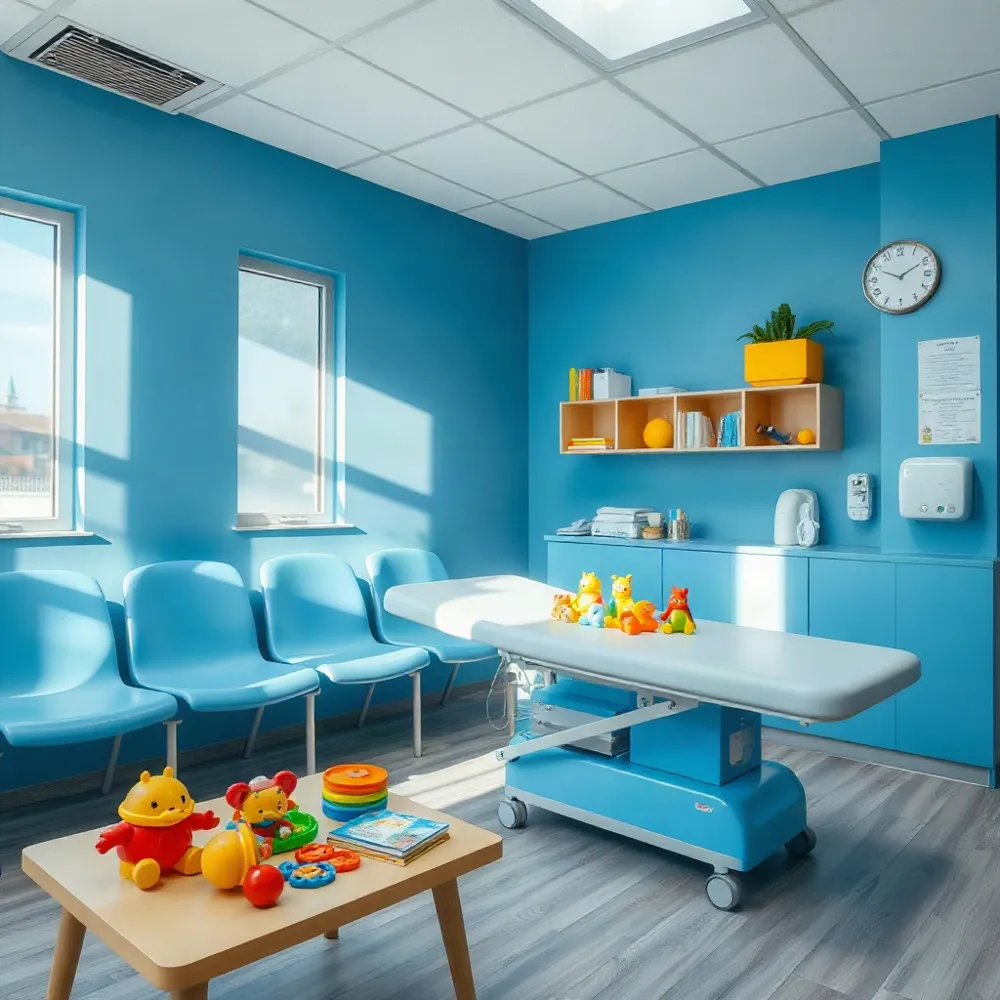 Preventive care in pediatrics is a proactive approach to children's health. Its focus is on keeping kids healthy and preventing illness before it starts, rather than treating problems after they occur. For families, this means regular, scheduled care designed to monitor growth, catch potential issues early, and build a strong foundation for lifelong well-being.
Under the Affordable Care Act, most health plans must cover a set of preventive services for children at no cost when provided by an in-network provider. These services include well-baby and well-child visits, which are routine checkups where a pediatrician tracks height, weight, and developmental milestones. Essential screenings are also included, such as hearing and vision tests, behavioral assessments, depression screening starting at age 12, and lead screening for children at risk. A core component is the full schedule of immunizations from birth to age 18, protecting against diseases like measles, HPV, and influenza.
Developmental Monitoring and Early Detection
One of the primary goals of pediatric preventive care is to identify health concerns as early as possible. Screenings for autism, developmental delays, and behavioral issues allow providers to intervene when treatments are most effective. This contrasts with reactive care, which only addresses a condition after it has already caused symptoms—sometimes requiring a trip to the emergency room.
Guidance for a Healthy Lifestyle
Preventive visits also provide expert counseling on nutrition, physical activity, injury prevention, and sleep habits. These conversations empower parents with practical advice to support their child's health every day. At a practice like Kids & Teens Primary Healthcare, this guidance is tailored to each child's age and needs, creating a trusted partnership between families and their provider.
Services like obesity screening and counseling help manage weight-related conditions such as asthma and prediabetes, which are known triggers for pediatric ER visits. By addressing these risks in a primary care setting, families can reduce the likelihood of a health crisis and keep their child on a path to wellness from birth through age 21.
How Regular Checkups Prevent ER Visits
 Well-child visits create a "medical home" where your pediatrician knows your child's health history and can spot problems before they become urgent. At Kids & Teens Primary Healthcare, these routine checkups include developmental screening for children under three, autism screening at 18 and 24 months, and behavioral assessments that catch early warning signs. When families have a consistent primary care provider, they are less likely to end up in the emergency room for non-critical concerns.
Managing Asthma Before It Leads to the ER
Asthma is the most common chronic condition in children and one of the leading causes of pediatric ER visits. According to a report from the Health Care Cost Institute, over 40% of children with asthma have uncontrolled symptoms, and children are twice as likely as adults to visit the ER for an asthma flare-up. ER visits spike during the school months, driven by viral infections and increased allergen exposure. Children with Medicaid see rates more than double those of children with employer-sponsored insurance.
Regular checkups at Kids & Teens Primary Healthcare include asthma management planning and medication adjustments that help keep symptoms under control. Evidence shows that with proper care, many asthma-related ER visits are preventable. By monitoring your child's breathing between sick season spikes, your pediatrician can refine their treatment plan and reduce the odds of a late-night crisis.
Research supports this approach: preventive strategies in primary care consistently reduce unnecessary emergency department utilization in children. Screenings for obesity, blood lead levels, and vision or hearing impairments help families address conditions early that might otherwise escalate. The goal is simple: catch issues in the exam room, not the ER.
Vaccinations and Screenings That Shield Your Family
 One of the most effective ways to keep children out of the emergency room is to ensure they receive the full set of preventive services recommended from birth through adolescence. These services, including immunizations and screenings, are designed to catch health problems early and prevent serious illnesses before they start. Under the Affordable Care Act, most health plans cover these services at no cost when provided by an in-network provider, removing the financial barrier that often keeps families from seeking timely care.
Immunizations That Build a Lifetime of Protection
Vaccines are one of the most powerful tools in pediatric preventive care. From birth to age 18, the recommended immunization schedule protects children against a wide range of serious and potentially life-threatening diseases. Covered vaccines include those for chickenpox, diphtheria, tetanus, pertussis (DTaP), Haemophilus influenzae type b (Hib), hepatitis A and B, HPV, polio, influenza, measles, mumps, rubella, meningococcal disease, pneumococcal disease, and rotavirus. By preventing these infections, vaccines directly reduce the number of ER visits caused by severe complications such as pneumonia, meningitis, and dehydration.
At Kids & Teens Primary Healthcare, providers follow the CDC's immunization schedule closely, ensuring children receive each vaccine at the recommended age. This builds immunity early and prevents outbreaks that can overwhelm local emergency departments. Families can ask questions about any vaccine during well-child visits and receive clear, evidence-based answers.
Screenings That Catch Problems Early
Regular screenings are another cornerstone of preventive care, helping to identify conditions before they become emergencies. For younger children, covered services include developmental screening for those under 3, autism screening at 18 and 24 months, behavioral assessments, and vision and hearing tests. For all children, providers check blood pressure, height, weight, and BMI. Lead screening is covered for children at risk of exposure, helping to prevent lead poisoning — a condition that can cause severe neurological symptoms requiring emergency treatment.
Obesity screening and counseling are also included, which can help manage weight-related conditions like asthma and prediabetes. These conditions often trigger ER visits when left uncontrolled. By identifying them early during a well-child visit, pediatricians can work with families to create a management plan that keeps the child healthy and out of the emergency room.
Adolescent-Specific Preventive Services
Teens have unique health needs that are addressed through age-appropriate preventive services. Covered screenings include depression screening starting at age 12, as well as alcohol, tobacco, and drug use assessments. For higher-risk adolescents, HIV screening and PrEP are covered, along with STI prevention counseling and hepatitis B screening. These services help prevent complications from undiagnosed infections and mental health crises that might otherwise lead to ER visits.
Newborn and Oral Health Screening
Preventive care begins in the first days of life. Newborn screenings covered at no cost include blood screening, bilirubin concentration screening, hypothyroidism screening, phenylketonuria (PKU) screening, hearing screening, and gonorrhea preventive medication for the eyes. These tests identify life-threatening conditions before symptoms appear, allowing early intervention that prevents emergency situations.
Oral health is also a priority. Starting at 6 months of age, children can receive an oral health risk assessment. Once teeth appear, fluoride varnish is applied to prevent cavities. These simple steps prevent dental infections that can become painful emergencies requiring hospital care.
| Service Type | Age Range | What It Prevents |
|---|---|---|
| Immunizations | Birth - 18 years | Serious infections (measles, whooping cough, meningitis) |
| Developmental Screening | Under 3 years | Delays in motor, speech, or social skills |
| Vision and Hearing Tests | All ages | Undetected sensory deficits affecting school and safety |
| Depression Screening | 12 years and up | Suicide risk, self-harm, and emotional crises |
| Newborn Blood Screen | First days | PKU, hypothyroidism, and other metabolic disorders |
| Fluoride Varnish | From first tooth | Dental caries and infections requiring ER care |
Injury Prevention and Home Safety Tips
Unintentional injuries are a leading reason for pediatric emergency room visits. Common causes include falls, burns, poisonings, fractures, cuts, and allergic reactions. Many of these emergencies can be prevented through proactive safety measures at home.
Childproofing the home is a first line of defense. Install safety gates at the top and bottom of stairs, latch cabinets containing cleaning products or medications, anchor heavy furniture and televisions to the wall, and keep small objects out of reach to prevent choking. Hazardous items such as button batteries, cannabis edibles, and household chemicals should be stored securely.
Water safety demands constant vigilance. Always supervise children in or near water, install self-locking pool gates, and swim only in areas monitored by lifeguards. Swimming lessons from a young age add another layer of protection against drowning.
Preventing choking and burns also reduces ER visits. Cut food into small pieces, avoid hard or round items like grapes and nuts for young children, and keep matches, lighters, and candles out of reach. Practicing home fire drills and teaching the stop-drop-and-roll technique can prepare families for emergencies. For outdoor activities, use caution with grills, fire pits, and hot playground equipment.
Car seats and booster seats should be appropriate for the child's age, weight, and height and installed correctly. Buckle children in for every trip and never leave them unattended in a vehicle. Helmets properly fitted for biking, scootering, or skating prevent head injuries. At Kids & Teens Primary Healthcare, we provide guidance on safety practices during well-child visits to help families reduce risks and keep children out of the emergency room.
Cost Savings and the Patient-Centered Medical Home
Preventive care is markedly more cost-effective than treating conditions after they become urgent. While the healthcare system spends only a small fraction of dollars on prevention, chronic underinvestment leads to expensive hospitalizations that could have been avoided. For families, regular well-child checkups, immunizations, and screenings catch issues early, when they are less expensive and easier to manage. In contrast, treating advanced asthma or obesity-related complications often requires costly emergency care and ongoing treatment.
Most health plans, including Marketplace and Medicaid, must cover a set of preventive services for children at no cost when provided by an in-network provider. This means no copayment or coinsurance for well-child visits, immunizations, and recommended screenings, even if you have not met your deductible. This financial protection directly lowers barriers to care and helps prevent the costly emergencies that arise when minor issues go unmanaged.
The Patient-Centered Medical Home
The patient-centered medical home (PCMH) model is a team-based, coordinated approach to primary care that reduces unnecessary ER utilization. In this model, a trusted pediatrician leads a care team that manages chronic conditions like asthma, diabetes, and obesity through consistent monitoring and medication adjustments. Asthma, the most common chronic condition among children, is a leading reason for pediatric ER visits, yet studies show these visits are often preventable with proper management. By having a medical home where your child's health history is known and care is coordinated, families avoid the scramble for urgent care when a flare-up occurs.
For families, this framework means having a dedicated provider to call before symptoms escalate. At Kids and Teens Primary Healthcare, the team offers comprehensive, family-centered care for children from birth through age 21. This includes well-child checkups, chronic disease management, and counseling on nutrition and safety. By building a strong patient-provider relationship, families are more likely to seek timely guidance from their pediatrician rather than delaying and ending up in the ER.
When to Call, When to Go
Knowing where to seek care can prevent unnecessary ER visits and reduce costs. Parents should call their pediatrician first for new illnesses or minor injuries. Many offer same-day appointments or telehealth options. Urgent care is appropriate for non-life-threatening situations when the pediatrician is unavailable, such as mild fever, earache, or minor cuts. Emergency care is required for difficulty breathing, severe allergic reactions, loss of consciousness, seizures, significant burns, or suspected broken bones with deformity. For life-threatening emergencies like uncontrolled bleeding or severe head injury, call 911 immediately.
Building a Healthy Future Together
Preventive care is the most effective way to reduce emergency room trips for your child. By keeping up with well-child visits at Kids & Teens Primary Healthcare, you catch health issues early and build a foundation for lifelong wellness. Schedule a wellness visit today and keep your child safe and healthy from birth through age 21.