Opening the Conversation
The purpose of this article is to show families why regular medical attention is a cornerstone of healthy growth for children and teens. Pediatric primary care—delivered through a medical‑home model that offers continuity, comprehensiveness, and coordinated services—provides routine well‑child checkups, immunizations, developmental screenings, and chronic‑condition management from birth through age 21. When families stay connected with a trusted pediatric team, children benefit from early detection of health issues, a 20 % reduction in emergency‑department visits, and personalized guidance on nutrition, safety, and mental‑health needs. A family‑centered approach also screens for social determinants such as food insecurity, linking families to community resources that promote health equity. In short, consistent pediatric primary care creates a proactive partnership that protects children’s physical, emotional, and social well‑being while giving parents confidence that their child’s health is in expert hands.
The Medical Home and Continuity of Care
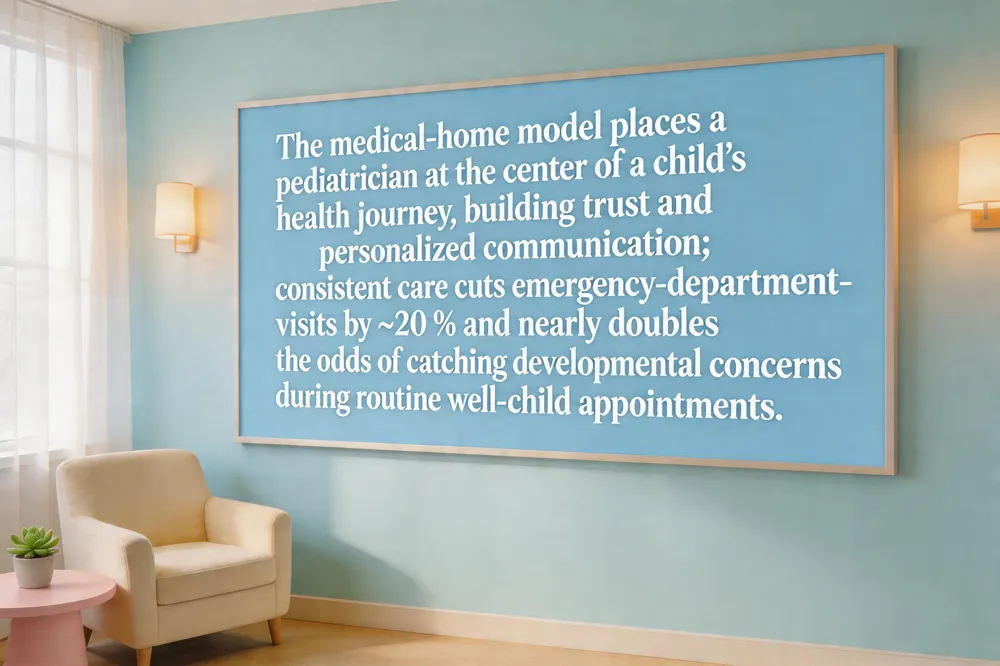 The medical‑home model places a primary‑care pediatrician at the center of a child’s health journey, fostering a sustained relationship that builds trust and enables personalized, family‑centered communication. When families receive consistent care, research shows a 20 % reduction in emergency‑department visits and nearly double the odds of catching developmental concerns during routine well‑child appointments.
Are well‑child visits required by law? No federal mandate forces parents to schedule them, though many states tie school or daycare entry to up‑to‑date immunizations and screenings. Medicaid’s EPSDT program does require periodic health, vision, hearing, and dental checks, and the American Academy of Pediatrics strongly recommends the Bright Futures schedule for early detection and preventive care.
Do you do a well‑child check every year? Yes. After age 2, annual visits are the norm, covering growth measurements, physical exams, vision and hearing screens, developmental and behavioral assessments, immunizations, and counseling on nutrition, safety, and activity.
Well‑child visit schedule PDF The AAP’s Bright Futures periodicity schedule PDF (https://downloads.aap.org/AAP/PDF/periodicity_schedule.pdf) outlines the recommended timeline from newborn to age 21, making it easy for families to plan and track appointments.
Well‑Child Visit Schedule and What to Expect
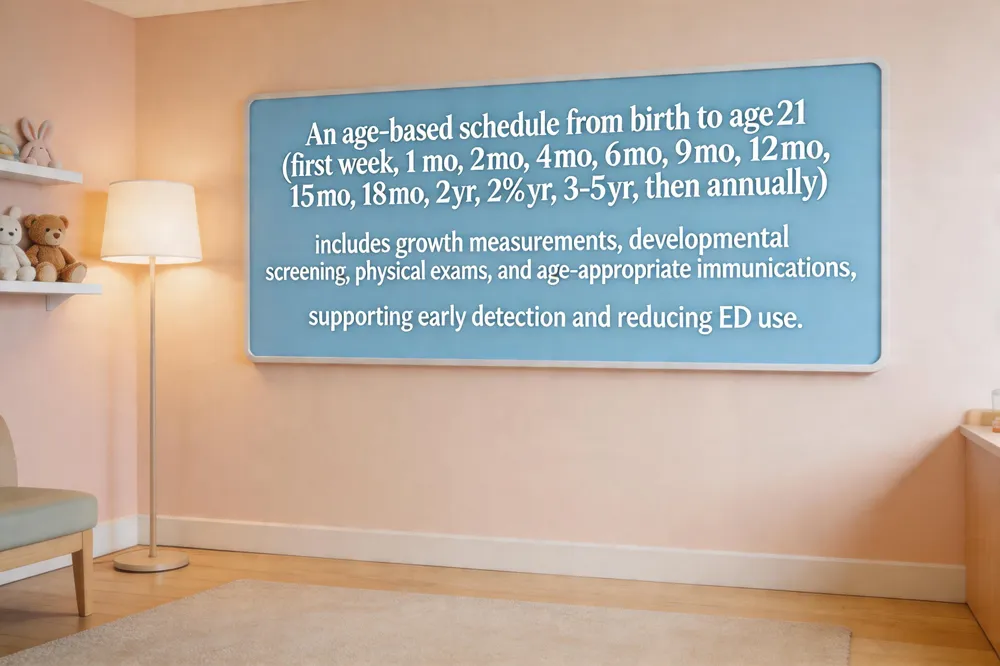 Pediatric well‑child visits follow a clear, age‑based timeline that keeps children healthy from birth through young adulthood. The American Academy of Pediatrics (AAP) recommends a series of appointments beginning within the first week of life (3‑5 days) and then at 1 month, 2 months, 4 months, 6 months, 9 months, 12 months, 15 months, 18 months, and 2 years. After age 2, visits occur at 2½ years, 3, 4, 5, and then annually from age 6 through 21 years. These visits align with CDC guidelines, which echo the AAP periodicity schedule and add a check‑up at 2½ years (30 months) before moving to yearly exams. Each encounter includes growth measurements, developmental screening, physical exam, and age‑appropriate immunizations—ensuring timely vaccine protection and early detection of health concerns. Age‑specific content varies: infants receive feeding guidance and safe‑sleep counseling; toddlers get nutrition and injury‑prevention tips; school‑age children receive vision, hearing, and behavioral health screens; teens discuss mental health, sexual health, and substance‑use prevention. Sticking to this schedule creates a medical‑home relationship, reduces emergency department use, and supports families in fostering a child’s physical, emotional, and social well‑being.
Addressing Social Determinants and Health Equity
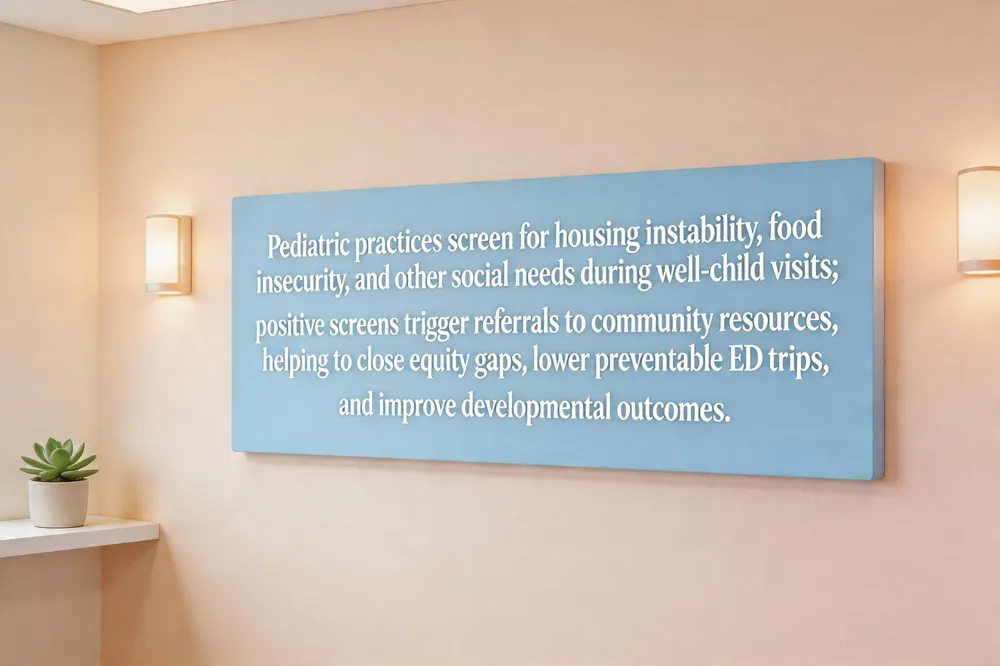 Social determinants—race, income, neighborhood conditions, and insurance status—shape whether children can access timely pediatric primary care. When families face housing instability or food insecurity, even the best‑trained pediatrician may struggle to keep a child healthy. Modern primary‑care clinics now screen for these needs during well‑child visits, asking simple questions about where a family lives, whether meals are reliable, and what other barriers exist. Positive screens trigger rapid referrals to community resources such as local food banks, housing assistance programs, and crisis support hotlines. Organizations like the Children’s Health Foundation provide the infrastructure and quality‑improvement expertise that help pediatric practices embed these screenings into routine care and track outcomes. Likewise, Ronald McDonald House New York runs population‑health initiatives that connect hundreds of families each year to social‑service navigation, ensuring that a child’s medical home also becomes a hub for equity‑focused support. By integrating social‑determinant screening and resource linkage into pediatric care, we reduce unnecessary emergency‑department trips, catch developmental concerns early, and move toward a healthier, more equitable future for all children.
Financing Pediatric Primary Care: From Fee‑for‑Service to Value‑Based Models
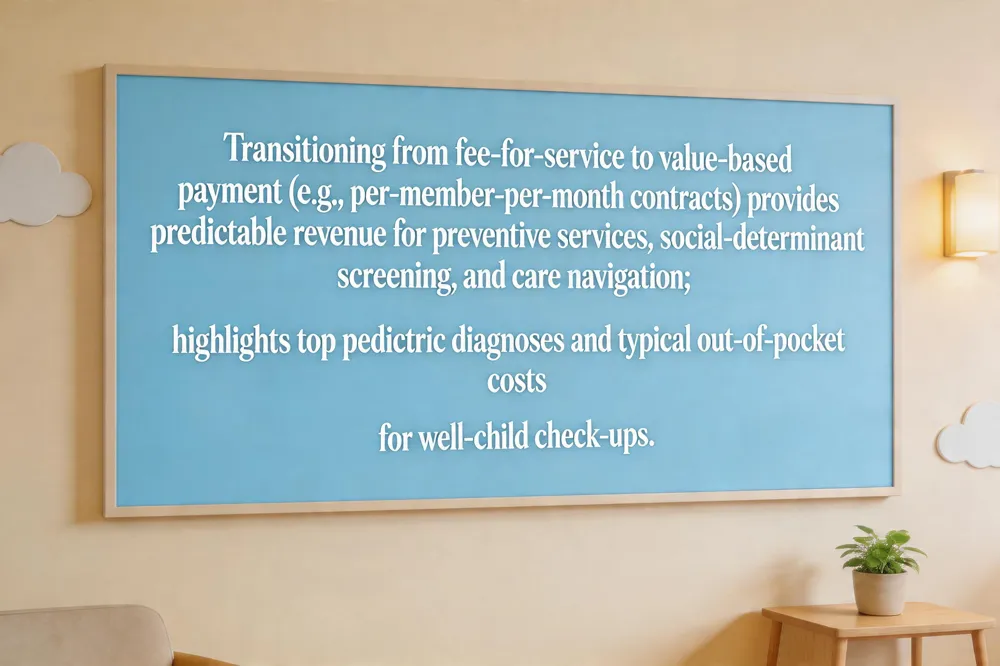 Pediatric primary care has long been funded by fee‑for‑service (FFS), a model that rewards volume over prevention. Because children account for only 9% of national health‑care spending, FFS often leaves practices under‑resourced, especially when caring for low‑income families who rely on Medicaid’s lower reimbursement rates. To address these gaps, value‑based payment (VBP) approaches such as per‑member‑per‑month (PMPM) contracts are gaining traction. PMPM provides a predictable stream that can support preventive services, social‑determinant screening, and care‑navigation—key elements of the medical‑home model highlighted by the American Academy of Pediatrics. Medicaid agencies are beginning to pilot bundled payments and quality‑linked incentives, while organizations like the Children’s Health Foundation (CHF) help practices implement quality‑improvement initiatives that reduce emergency department use and improve developmental screening rates. Top pediatric diagnoses—viral respiratory infections, otitis media, streptococcal pharyngitis, sinusitis, bronchitis, urinary‑tract infections, skin infections, gastroenteritis, and asthma—drive resource allocation and underscore the need for robust preventive care.
How much does a well‑child check‑up cost? Out‑of‑pocket fees range from $90‑$150 for the exam alone and $200‑$600 once vaccines are added; Georgia self‑pay rates are about $252 for established patients (≈$168 with prompt‑pay) and $263‑$322 for new patients (≈$175‑$215 after discounts). Insurance typically covers the exam and vaccines, leaving a modest $10‑$30 copay.
What are the top 10 pediatric diagnoses? The most common are the common cold, influenza, other viral respiratory infections, acute otitis media, streptococcal pharyngitis, sinusitis, bronchitis, urinary‑tract infections, skin infections (impetigo or cellulitis), gastroenteritis, and asthma.
Is pediatrics the same as primary care? Pediatrics is a specialty within primary care focused exclusively on infants, children, and adolescents. While primary‑care physicians serve all ages, pediatricians have dedicated training in child development, growth, and age‑specific illnesses, making pediatrics a distinct branch of primary care.
Resources for Families and Schools
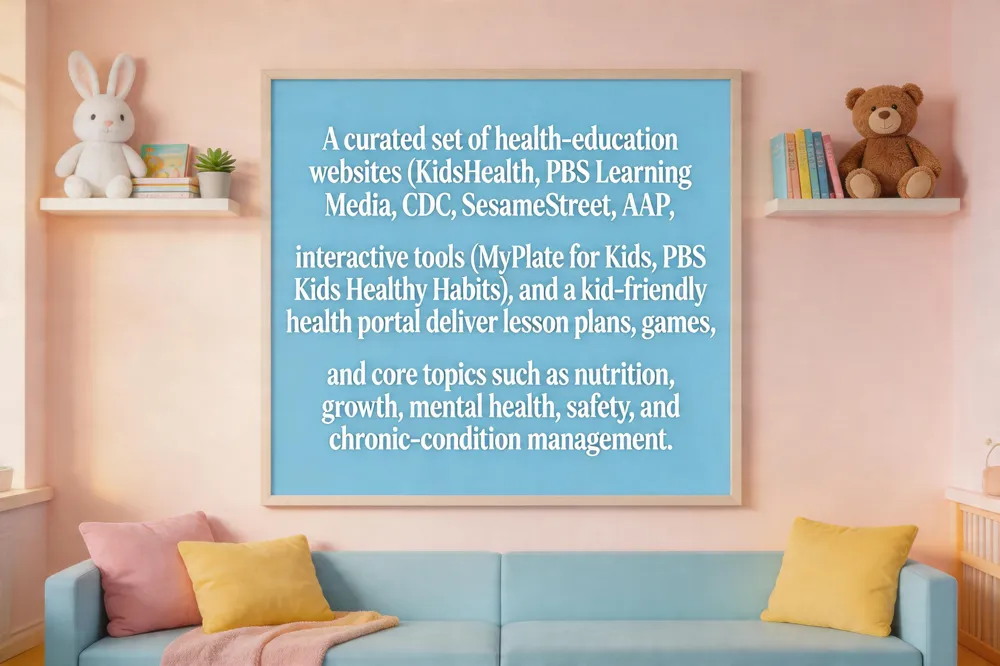 Health‑education websites for elementary students – KidsHealth in the Classroom (kidshealth.org) supplies free, age‑appropriate lesson plans, videos, quizzes and printable handouts that align with National Health Education Standards for grades K‑5. PBS LearningMedia’s “Healthy Kids Project” offers short animated videos and teacher guides on nutrition, physical activity and emotional health. The CDC’s Elementary School Teacher Resources (cdc.gov) include interactive modules, graphic novels and the Virtual Healthy School tool, while Sesame Street’s health‑focused site (sesamestreet.org) features games, songs and videos that reinforce basic hygiene, nutrition and exercise. The AAP’s HealthyChildren.org provides kid‑friendly articles and printable resources on topics such as dental care and vaccine safety.
Interactive health websites for elementary students – USDA’s MyPlate for Kids delivers colorful games and "Meal‑Planning" activities that teach the five food groups. PBS Kids’ “Healthy Habits” game and the “BAM: Body and Mind – The Immune Platoon” app let children explore how everyday choices affect wellness. These safe, age‑appropriate tools can be woven into classroom lessons or at‑home learning.
Kids health website – A well‑designed kids health site offers reliable, pediatric‑approved information for children, teens and parents, featuring growth charts, nutrition guides, immunization schedules, symptom checkers, appointment schedulers and educational videos that empower families to make informed health decisions.
Child health topics – Core topics include preventive care (well‑child visits, immunizations, nutrition), monitoring growth and development, mental‑health screening, chronic‑condition management (asthma, obesity, diabetes), safety and injury prevention, and lifestyle habits such as physical activity, sleep and screen time.
Building a Lifelong Health Foundation
Primary‑care pediatric services give children a medical home that links continuity, comprehensive preventive care, and early detection of health issues. Studies show families with steady pediatric care have 20 % fewer emergency‑department visits and are twice as likely to catch developmental concerns during routine check‑ups. Regular well‑child visits follow the AAP schedule, providing vaccinations, growth tracking, vision and hearing screens, nutrition counseling, and mental‑health screening—all essential for a child’s long‑term wellbeing. Parents should make these appointments a priority: schedule the newborn visit within the first week, then follow the Bright Futures timeline through age 21. For convenient access, call Kids & Teens Primary Healthcare at (770) 555‑1234 or visit www.kidsandteenspc.com to book online, request telehealth, or learn about insurance options and ensure your child thrives.