Welcome to Kids & Teens Primary Healthcare
Our mission is to keep the health of every child and teen thriving by delivering comprehensive, evidence‑based medical care that blends expertise with compassion. We use a family‑centered approach—parents, siblings, and caregivers are educated and empowered alongside the child, so diabetes tasks become a shared team effort rather than a solo burden. In our pediatric diabetes program we start with a thorough diagnosis, then tailor insulin therapy (multiple daily injections or pump), continuous glucose monitoring, and carbohydrate‑counting education to each child’s age and lifestyle. Regular follow‑ups catch growth changes, hormonal shifts during puberty, and mental‑health concerns early, while school‑care plans, glucagon kits, and emergency contacts keep children safe at school and during activities. By connecting families with support groups, camps, and mental‑health counselors, we ensure that medical attention is not just reactive but a proactive partnership for lifelong wellness.
Fundamentals of Diabetes Care for Children
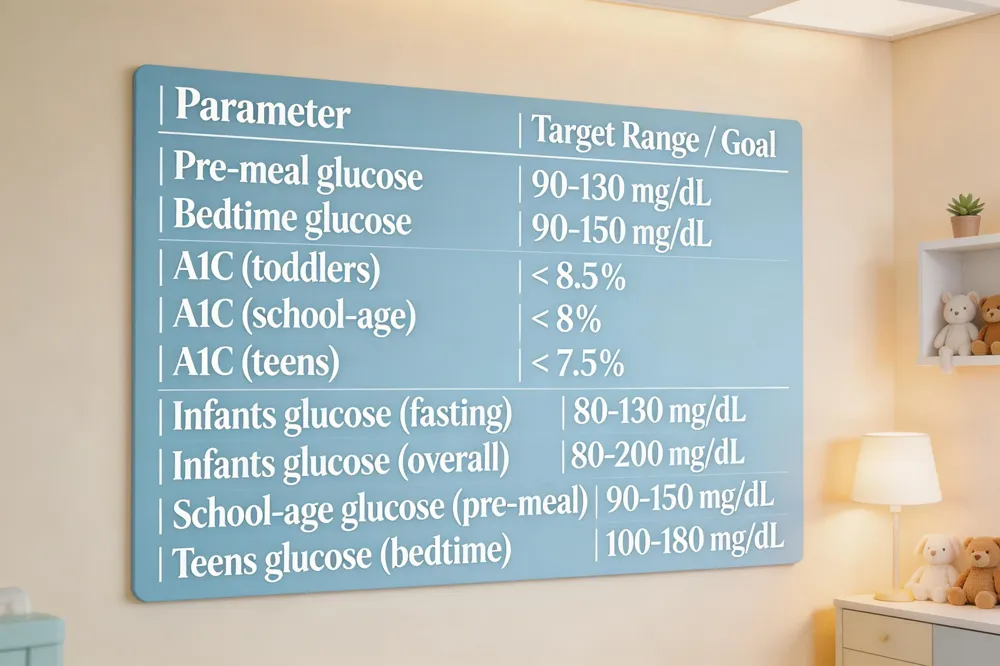
| Parameter | Target Range / Goal |
|---|---|
| Pre‑meal glucose | 90‑130 mg/dL |
| Bedtime glucose | 90‑150 mg/dL |
| A1C (toddlers) | < 8.5 % |
| A1C (school‑age) | < 8 % |
| A1C (teens) | < 7.5 % |
| Infants glucose (fasting) | 80‑130 mg/dL |
| Infants glucose (overall) | 80‑200 mg/dL |
| School‑age glucose (pre‑meal) | 90‑150 mg/dL |
| Teens glucose (bedtime) | 100‑180 mg/dL |
 Providing reliable sticky diet is the cornerstone of pediatric type 1 diabetes management. A balanced, carbohydrate‑controlled eating plan supplies growth‑needed calories while keeping glucose stable: whole‑grain breads, brown rice, fruit, non‑starchy vegetables, lean protein, and low‑fat dairy. Count carbs at every meal and pair them with protein or healthy fat to slow absorption; limit sugary drinks and high‑sugar snacks.
Home glucose monitoring starts with a pediatric‑approved finger‑stick meter. Wash the child’s hands, prick the side of a fingertip, apply a drop of blood to a test strip, and read the result within seconds. Record the value and compare it to the target range (often 90‑130 mg/dL pre‑meal, 90‑150 mg/dL at bedtime). Continuous glucose monitors (CGMs) provide real‑time readings every few minutes and are increasingly recommended at diagnosis.
The ADA advises most children aim for an A1C < 7.5 % (tighter < 7 % when safe). Age‑specific goals are: toddlers < 8.5 %, school‑age < 8 %, teens < 7.5 %. Check A1C at least quarterly.
Blood‑sugar targets vary by age: infants 80‑200 mg/dL (fasting 80‑130), school‑age 70‑180 (pre‑meal 90‑150), teens 70‑150 (bedtime 100‑180). Values < 70 mg/dL are low; > 200 mg/dL are high.
Treatment centers on lifelong insulin—multiple daily injections or pump—using rapid‑acting, basal, and, as needed. Regular glucose checks, carbohydrate‑aware meals, and daily activity guide dose adjustments. A multidisciplinary team (endocrinologist, diabetes educator, dietitian, mental‑health professional) provides education, sick‑day plans, and psychosocial support, while routine follow‑up visits ensure growth, glycemic control, and complication screening stay on track.
Managing Diabetes at Home, School, and Beyond
| School Plan Element | Details |
|---|---|
| Insulin timing | Basal (once/twice daily) + rapid‑acting at meals |
| Glucose‑checking schedule | Before meals, after activity, bedtime, anytime symptoms |
| Snack options | Low‑glycemic carbs + protein/fat (e.g., apple + cheese) |
| Glucagon kit location | Nurse’s office / accessible locker |
| Emergency contacts | Parents, pediatric endocrinologist, school nurse |
| Physical‑activity accommodations | Adjust bolus 10‑20 % before/after exercise |
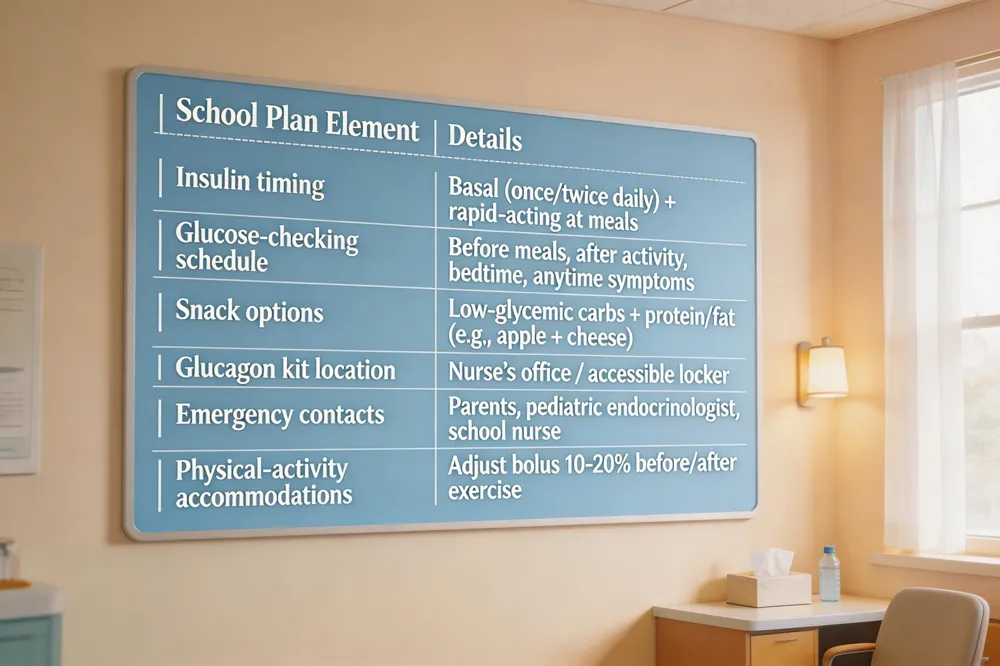 A written school diabetes management plan is essential: it lists insulin timing, glucose‑checking schedule, snack options, glucagon kit location, emergency contacts, and accommodations for physical activity. Share it with teachers, nurses, and bus drivers, and update it each year.
What are the 4 T’s of diabetes in children?
The classic early signs are Toilet (increased urination, wet diapers or bed‑wetting), Thirsty (excessive drinking), Tired (unusual fatigue), and Thinner (unexplained weight loss despite a normal or increased appetite). Recognizing these cues prompts prompt testing.
Type 1 diabetes child behavior
Blood‑glucose swings affect mood. Low sugar can cause irritability, crying, or sudden tantrums; high sugar may lead to sluggishness and difficulty concentrating. Check glucose before attributing behavior to typical mood swings, then treat with fast‑acting carbs or insulin adjustments.
Children with diabetes support group
Kids & Teens Primary Healthcare runs a monthly in‑person group and connects families to JDRF’s online “E‑Meet & Greet” sessions. These gatherings provide peer support, education, and coping‑strategy workshops.
Juvenile diabetes support groups near me
In Georgia, the Youth Diabetes Network (Atlanta/Decatur) and Breakthrough T1D Georgia Chapter hold quarterly meetings and workshops. Local hospitals such as Children’s Hospital of Atlanta also host peer‑support events.
Diabetes resources for kids
Start with the ADA’s “Diabetes 101 for Kids” toolkit, JDRF videos, and the Children with Diabetes website. Our practice supplies a personalized handout and a free mobile app for tracking glucose, carb counting, and medication reminders.
Growth, Puberty, and Insulin Dosing Across Childhood
| Age / Stage | Typical Insulin Adjustment |
|---|---|
| Toddlers (≤5 yr) | Basal‑bolus or pump; start low total daily dose (0.4‑0.6 U/kg) |
| School‑age (6‑12 yr) | Increase total daily dose 10‑15 % as weight/ growth progresses |
| Puberty (13‑18 yr) | Add 10‑30 % to total daily dose; monitor for 20‑30 % insulin resistance |
| Sick‑day | Keep basal, check glucose q2‑3 h, treat >250 mg/dL with extra rapid‑acting |
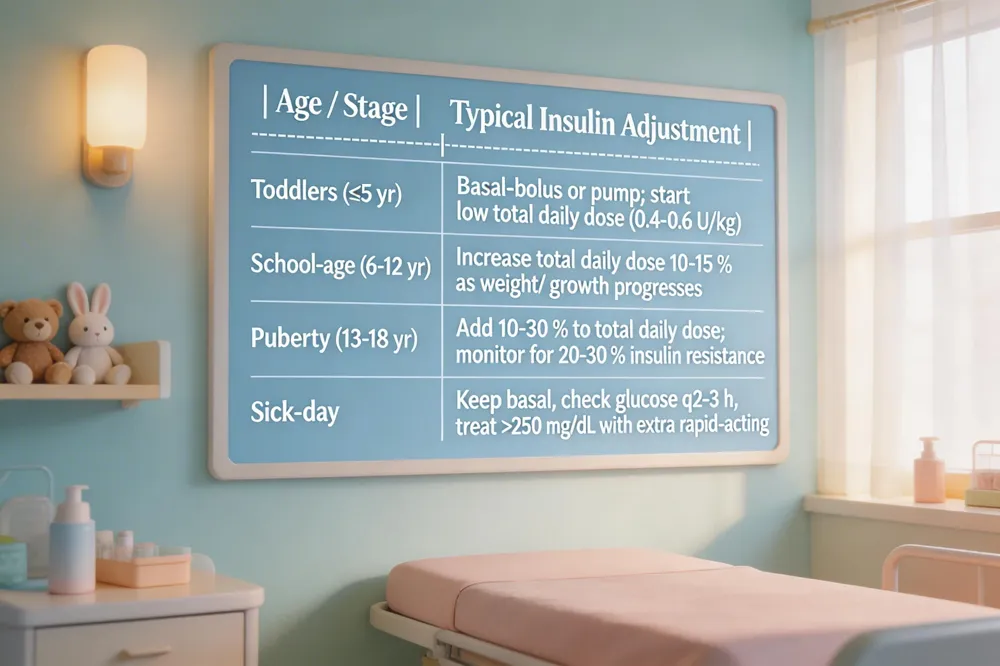 Puberty brings a surge of hormones that can raise insulin resistance by 20‑30 %, so insulin dose adjustments are a routine part of adolescent care. Providers often increase total daily insulin 10‑20 % and fine‑tune basal‑bolus ratios or pump basal rates, while keeping a close eye on growth charts and A1C trends.
Managing diabetes in a 5‑year‑old focuses on safety and routine. A basal‑bolus regimen (long‑acting insulin once or twice daily plus rapid‑acting insulin at meals) or an insulin pump can be used; the choice depends on family preference and the child’s ability to cooperate. carbohydrate counting is introduced with simple tools, and glucose checks before meals, bedtime, and after activity are recorded for the care team.
Sick‑day guidelines are critical: continue basal insulin, check glucose every 2‑3 hours, test urine ketones, and give extra rapid‑acting insulin if glucose rises above 250 mg/dL. Hydration and clear communication with the pediatric endocrinology team prevent diabetic ketoacidosis.
There is no cure for type 1 diabetes; the goal is tight glucose control (A1C < 7 %) through regular monitoring, insulin therapy, balanced nutrition, and active lifestyle. Early education, psychosocial support, and routine follow‑up appointments are essential for long‑term health and growth.
Psychosocial Health, Support, and Long‑Term Outlook
| Screening Tool | Frequency | Referral Trigger |
|---|---|---|
| Diabetes distress questionnaire | Every 3‑6 months | Score ≥ 2 |
| Anxiety/Depression screen (PHQ‑9, GAD‑7) | Annually or if concerns | Positive screen |
| Peer‑support group attendance | Monthly | Social isolation |
| Mental‑health professional | As needed | Persistent distress |
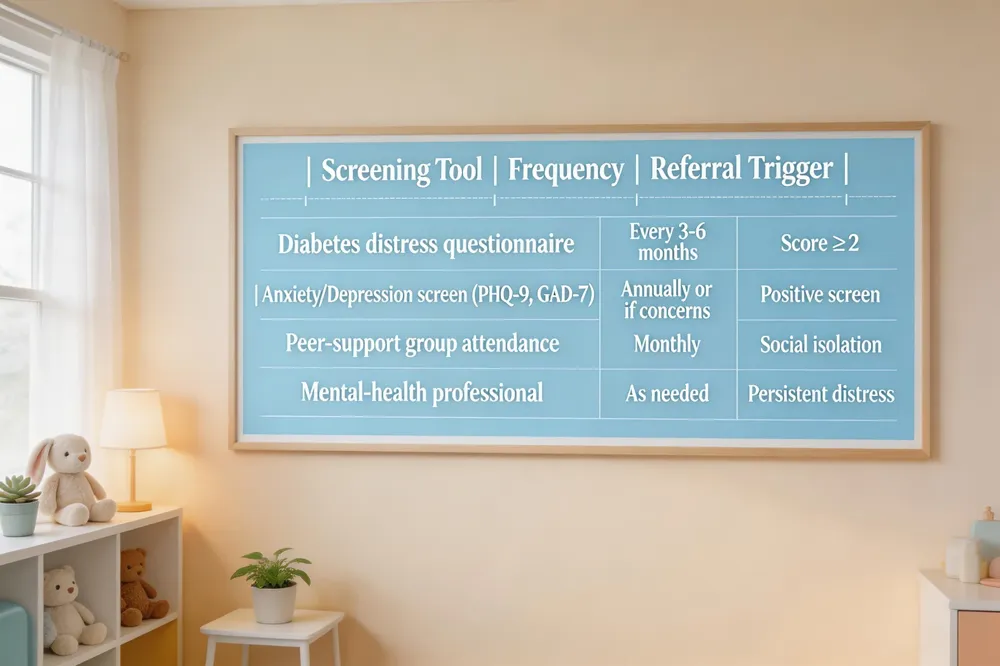 Managing type 1 diabetes in children is not only about insulin and blood‑glucose numbers; mental‑health screening is a core part of care. The CDC and ADA stress routine checks for anxiety, depression, and diabetes distress, with referrals to counselors when symptoms appear. Support networks—such as the monthly group hosted by Kids & Teens Primary Healthcare and virtual JDRF “E‑Meet & Greet” sessions—offer peer connection and coping strategies that reduce isolation.
Charitable groups play a vital role. National nonprofits like Children with Diabetes (CWD), the Children’s Diabetes Foundation (CDF), and Breakthrough T1D fund research, provide education, and host fundraising events (e.g., Run for the Ring) that directly benefit families.
Life expectancy for children diagnosed today is nearing that of peers without diabetes when modern insulin, CGM, and comprehensive follow‑up are used. Recent U.S. cohort data show a median lifespan of about 69 years, while European studies note a 10‑18‑year gap mainly linked to cardiovascular complications; tight glycemic control narrows this difference.
For detailed guidance, download the free PDFs: ADA "Standards of Medical Care in Diabetes—2024" (pediatric chapter), ISPAD "Clinical Practice Consensus Guidelines 2022‑2024," and the AAP "Pediatric Diabetes Management" booklet. These resources are available on the respective organizations' websites and can be provided by your diabetes care team.
Putting It All Together: A Roadmap for Your Family
| Follow‑up Visit | Who Attends | Focus |
|---|---|---|
| Every 3‑4 months | Pediatric endocrinologist, dietitian, diabetes educator | A1C, growth, device data |
| Quarterly (if needed) | Mental‑health professional | Diabetes distress, coping |
| Annual | Multidisciplinary team | Complication screening, transition planning |
| Ongoing | Family & child | Daily glucose log, carb counting, sick‑day plan |
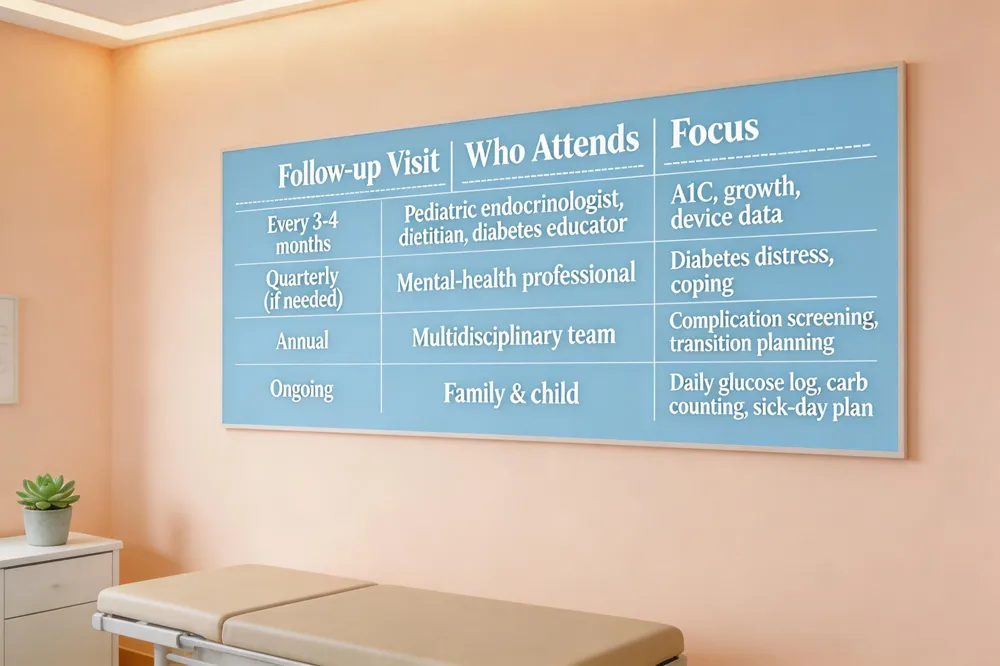 A personalized diabetes plan starts with a written management protocol that covers insulin dosing (syringe, pen, or pump), carbohydrate counting, blood‑glucose monitoring schedules, and sick‑day rules. Share this plan with school staff and any child‑care providers, and update it as your child grows or enters puberty when insulin needs often rise. Schedule regular follow‑up visits every 3–4 months with a pediatric endocrinologist, dietitian, and diabetes educator to review A1C, growth metrics, and device data; adjust basal‑bolus or pump settings promptly. Leverage technology—continuous glucose monitors, automated insulin delivery systems, and smartphone apps—to gain real‑time glucose trends and reduce finger‑sticks, while joining support groups, camps, or online forums for peer encouragement. Prioritize mental health by monitoring for diabetes distress, anxiety, or depression and seeking counseling early; open communication builds resilience and prevents burnout.
How to reverse type 1 diabetes in children?
There is currently no cure or way to reverse type 1 diabetes in children; the disease results from immune‑mediated destruction of pancreatic beta cells, which cannot be regenerated with today’s treatments. Management focuses on tight glucose control through frequent monitoring, individualized insulin therapy, carbohydrate‑counted nutrition, and regular activity. Ongoing research aims for a future cure, but diligent daily care remains essential.
Type 2 diabetes child life expectancy
When diagnosed early and managed with lifestyle changes, medication, and regular monitoring, children with type 2 diabetes can achieve a life expectancy comparable to peers. Early intervention reduces the risk of cardiovascular and renal complications.
Your Partner in Managing Pediatric Diabetes
Kids & Teens Primary Healthcare provides steady, family‑centered support for every child with type 1 diabetes. From the first diagnosis, a multidisciplinary team—endocrinologists, certified diabetes educators, dietitians, and mental‑health specialists—creates a personalized plan that evolves with growth, puberty, and daily life. Cutting‑edge tools such as continuous glucose monitors, insulin pumps, and mobile carb‑counting apps are seamlessly integrated, giving families real‑time data and confidence. Regular workshops, peer‑support groups, and local diabetes camps foster a community where children and parents share tips, triumphs, and challenges. Whether you need help adjusting insulin during a growth spurt, guidance on school accommodations, or emotional support during adolescence, the clinic’s open lines of communication make personalized care just a call away. Reach out today to keep your child’s health on the right track and ensure a bright future.