Understanding the Risks: Why Burn Prevention Matters for Children
High Risk of Burn Injuries in Children
Burn injuries are a leading cause of accidental harm among children, with thousands treated daily in emergency departments across the United States. Children under 5, especially toddlers and infants, face the greatest risk, accounting for the majority of burn cases.
Common Causes of Burns in Children
Scald burns from hot liquids such as boiling water, tea, or soup represent the most frequent cause, particularly in young children under 4 years old. Flame burns from direct contact with fire or hot surfaces are more common in older kids. Electrical burns may result from contact with outlets or cords, while chemical burns can happen if harmful substances are within reach.
Children's Skin Vulnerability and Health Impact
Children's skin is thinner than that of adults, making them more susceptible to deeper, more serious burns. Injuries can lead to long-term consequences including painful scarring, increased risk of infections, and sometimes life-threatening complications. Prompt prevention and safety measures are critical to protect children’s health and wellbeing.
Practical Home Safety Measures to Prevent Burns and Fires
How can burns be prevented in children?
Burns in children are preventable with careful supervision and practical safety steps. Keeping hot liquids like coffee, tea, and formula out of reach is crucial, as these are common sources of scald burns. Always test bathwater temperature safely before placing your child in the tub to ensure it is safe. Setting your home's water heater temperature to 120°F (49°C) or lower reduces the risk of scalding.
Keep dangerous appliances and cords unplugged and out of children’s reach, and use outlet covers on unused sockets to prevent electrical burns. Store matches, lighters, and household chemicals locked away to avoid accidental injuries. Avoid holding children while you handle hot foods or liquids in the kitchen.
Additionally, install smoke detectors on every floor and outside sleeping areas, changing their batteries twice a year, and keep a fire extinguisher accessible in key areas such as the kitchen. Teach children fire safety habits, such as stop, drop, and roll, and the importance of staying away from fire sources.
What are effective ways to prevent burns in the home?
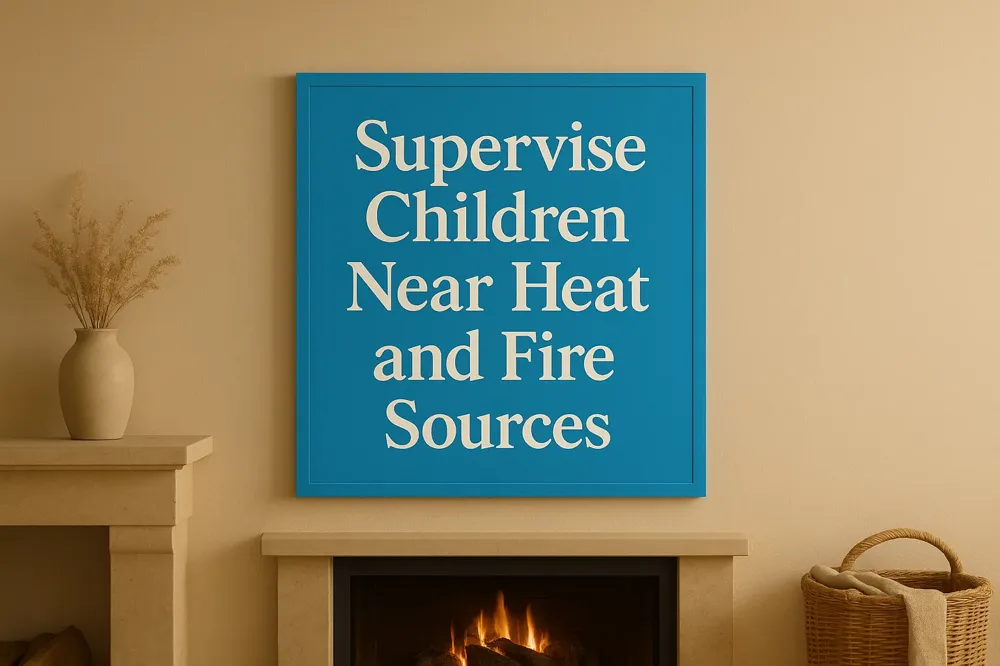
Children should stay at least 3 feet away from cooking areas to avoid accidental burns from hot food or liquids. Hot items must be kept away from the edges of tables and counters, and pot handles should be turned inward to prevent pulling hot liquids down.
Never hold a child while cooking, drinking hot beverages, or carrying hot food. Teaching children from an early age that hot things cause burns helps reinforce caution.
Ensure working smoke detectors are installed on all home levels and outside bedrooms. Prepare and practice a fire escape plan with your family, and learn how to use a fire extinguisher effectively. Maintain safe distances between children and fireplaces, stoves, and space heaters, and use protective screens or gates where needed.
By combining these straightforward measures and educating the whole family, the risk of burns and fires can be significantly reduced in your home.
Burn and Fire Hazard Safety Protocols for Families
Installing and maintaining smoke alarms
Smoke alarms are a critical element of home fire safety for kids. Install alarms on every level of your home and outside all sleeping areas. Test them monthly and replace the batteries twice a year to ensure they function properly. Replace smoke alarms that are more than 10 years old for optimal protection. For detailed guidelines, see Installing smoke alarms.
Developing and practicing family fire escape plans
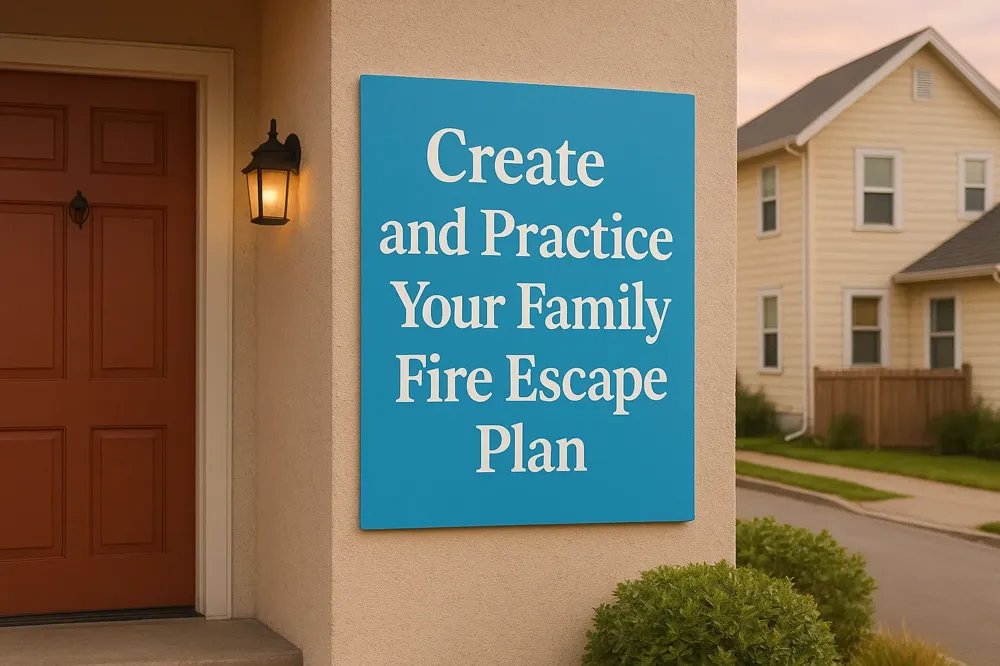
Create a clear fire escape plan that includes two ways out of every room and a designated meeting place outside. Practice this plan regularly with all family members so that children and adults know how to respond quickly and calmly in case of a fire. More information is available under Fire escape plan.
Handling matches, lighters, and candles safely
Keep matches, lighters, and candles out of reach of children at all times. Never leave candles unattended, and ensure they are used away from flammable materials. Encourage children not to play with these items to prevent accidental fire injuries. Refer to Safe storage of matches and lighters and Candle safety for safety tips.
Supervising children around heat sources
Always supervise children near fireplaces, wood-burning stoves, space heaters, and campfires. Maintain a safe distance of at least three feet between children and heat sources. Use fireplace screens or barriers to prevent contact burns and educate children about the dangers of fire and hot surfaces. For comprehensive advice see Fireplace and Heater Safety and Fire safety for kids.
Electrical safety: checking cords, avoiding overloads, using outlet covers
Regularly inspect electrical cords for damage or fraying and replace if necessary. Avoid overloading outlets and power strips to reduce the risk of electrical fires. Use outlet covers to prevent children from inserting objects into sockets, minimizing electrical burn hazards. See more under Electrical burn prevention and Electrical appliance safety for kids.
What are five precautions to take to prevent burns and fires?
To prevent burns and fires, it is essential to install and maintain smoke detectors on each home level, develop and practice a family fire escape plan, keep matches, lighters, and candles out of children's reach, supervise children near heat sources like fireplaces and heaters, and ensure electrical safety by checking cords and using outlet covers.
By following these safety protocols, families can significantly reduce the risk of burn and fire injuries in children and ensure prompt, safe responses should emergencies occur. For further reading on preventing burn injuries in children and fire safety procedures for children, consult the provided resources.
First Aid and Medical Care for Burn Injuries in Children
Immediate first aid steps for burns
When a child experiences a burn, the first essential step is to cool the burn with water. This process helps stop the burning, reduces pain, and minimizes tissue damage. Remove any clothing or jewelry near the affected area unless it is stuck to the skin to avoid further injury.
When to seek emergency medical attention
Emergency care is required if the burn is deep, covers a large area, or involves sensitive regions such as the face, hands, feet, genitals, or joints. Also, seek immediate help if the burn appears white, leathery, or charred, or if the child shows signs of shock or infection. Electrical and chemical burns demand prompt medical evaluation due to their complexity. More details on when to seek medical attention for burns can be found here.
Pain management and wound care at home
For minor burns, giving age-appropriate pain relief such as paracetamol or ibuprofen can ease discomfort. Keep the injured area clean by gently washing with mild soap and lukewarm water. Do not break blisters, as the unbroken skin protects against infection. Cover the burn with a sterile, non-stick dressing or a clean cloth to guard against germs. Guidance on burn treatment guidelines and minor burn care at home is available for reference.
Using antibiotic ointments and protecting healing skin
Applying a thin layer of antibiotic ointment like Bacitracin® helps prevent infection. For superficial burns, moisturizing with products like Aquaphor® supports skin hydration and healing. Protect the area from sunlight using clothing or sunscreen to reduce scarring risk. Continue to monitor the injury for signs of infection such as increased redness, swelling, or pus. Information on burn care for children and preventing infection is helpful.
Avoiding harmful home remedies for burns
Avoid using butter, grease, ice, or powders on burns, as these can worsen tissue damage or cause infection. Only follow treatments recommended by healthcare professionals and seek medical advice if there is uncertainty about the burn’s severity or if the wound deteriorates. For detailed first aid dos and don'ts, see burn treatment for children.
Proper first aid and wound care are vital to minimize pain, prevent complications, and support faster healing for children with burns. Always prioritize timely medical evaluation for serious injuries or burns involving sensitive areas.
Special Considerations: Sunburn and Outdoor Burn Prevention
How can children be protected from sunburn?
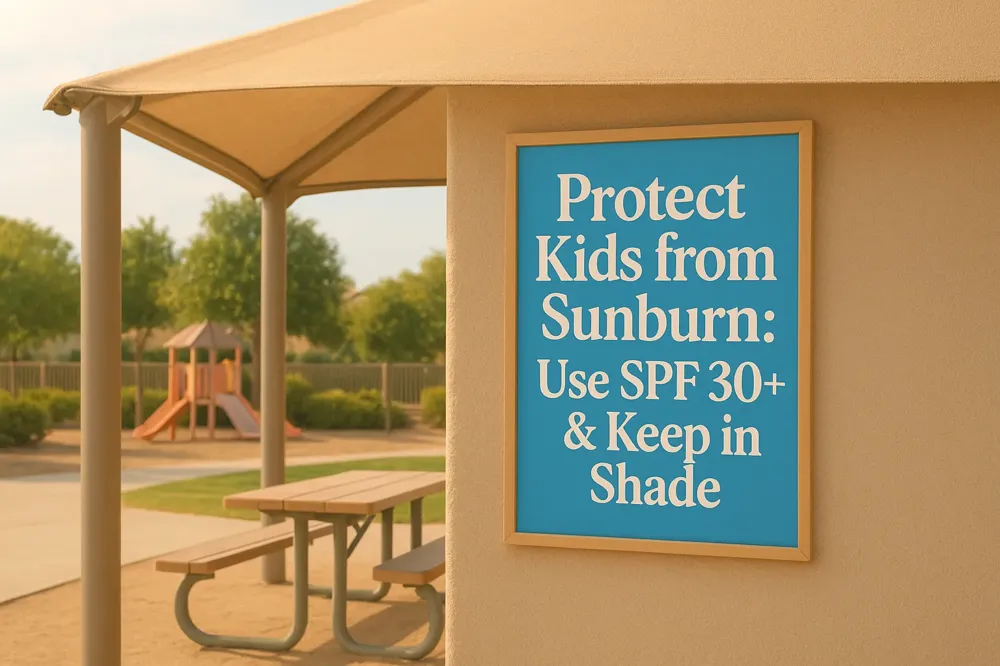
Protecting children from sunburn requires consistent use of using sunblock effectively, preferably SPF 30+, applied generously 20 to 30 minutes before sun exposure. It should be reapplied every two hours or after swimming or sweating.
What sun exposure limits should be observed?
Limiting children's sun exposure during peak hours—from 10 a.m. to 4 p.m.—reduces the risk of sunburn and heat-related injury. For infants under 6 months, direct sunlight should be avoided altogether.
What protective clothing and measures help infants under 6 months?
Infants younger than six months need extra protection, including protective clothing, wide-brimmed hats, and staying in shade or indoors during peak sun hours. See also guidance on protecting babies under 6 months from sun exposure.
How can children be educated about outdoor burn risks?
Children should be taught to avoid playing with fireworks and to stay clear of hot surfaces like grills, fire pits, and hot asphalt or sand, which can cause burns. For more, see firework safety for children.
How should children be supervised around outdoor heat sources?
Active supervision is essential when children are near grills, campfires, or any outdoor heat sources. This supervision helps prevent accidental burns and reinforces safe behavior outdoors. Additional Fire Safety Around Grills and Fire Pits tips may be useful.
Understanding Pediatric Burn Assessment: The Rule of Nines
What is the rule of nines for pediatric burns?
The rule of nines is a vital tool used by healthcare professionals to estimate the total body surface area (TBSA) involved in a burn injury. This method breaks the body into sections, assigning each a percentage to quickly gauge how much skin has been damaged. While commonly applied to adults, the rule adapts for children due to their different body proportions. For more information on Burns and Scalds Prevention Tips and Burns and Scalds, visit Safe Kids.
How do body surface proportions differ in children compared to adults?
In children, the head represents a larger proportion of the TBSA—around 18% at birth—because it is bigger relative to the rest of the body compared to adults. Conversely, each leg accounts for approximately 14%, smaller than the 18% seen in adults. Overall, the head (18%), each arm (9%), torso (36%), and each leg (18%) make up the body’s surface, with special attention paid to areas like the groin. For detailed information on Preventing burn injuries in children and Child Burn Prevention, see Nationwide Children’s and Piedmont Medical Center resources.
Why is this assessment important for treatment decisions?
Knowing the extent of a burn influences key care steps, such as fluid management to prevent dehydration and shock, and timely decisions about transferring the child to a specialized burn center. Typically, burns involving more than 10% TBSA or critical zones require expert intervention. For guidance on First aid for burns and Burn treatment guidelines, consult Healthy Children and KidsHealth.
Who should perform the rule of nines assessment?
This method should only be used by trained healthcare providers. Accurate evaluation is crucial for effective treatment and to avoid complications, ensuring that children receive the best possible care for their burn injuries. For detailed clinical care, see Burn care for children and Burns in Children.
Promoting Safe Environments and Vigilance to Protect Children from Burns
Essential Strategies to Prevent Childhood Burns
Burn injuries in children can be largely prevented by creating safe home environments and practicing vigilant supervision. Key measures include setting water heaters to 120°F or lower to avoid scalds, using outlet covers to prevent electrical burns, and keeping hot liquids, matches, and lighters out of children's reach. Maintaining smoke detectors with regular month-to-month checks and battery replacement twice yearly is critical for early fire detection.
Supervision and Education: Cornerstones of Burn Safety
Close supervision during risky activities such as cooking or handling hot objects is vital. Educating children about fire safety procedures like "stop, drop, and roll" and how to call 911 empowers them to respond safely. Parents should also teach older children about the dangers of fire, electricity, and chemicals to minimize accidents.
Preparedness and Safety Equipment
Families are encouraged to have accessible fire extinguishers, particularly in kitchens and garages, and to keep emergency escape plans well practiced. Regular chimney maintenance, avoiding the use of candles during power outages by choosing flashlights, and using flame-retardant costumes further decrease burn risks.
Empowering Families Through Knowledge
Understanding burn risks and prevention empowers families to take proactive steps, enhancing safety for children. Awareness and consistent safety practices reduce burn injuries, protecting children’s health and promoting peace of mind for caregivers.