Introduction to Healthy Eating for Children
The Importance of Nutrition for Children's Growth and Development
Nutrition plays a vital role in the healthy growth and development of children. Providing children with the right nutrients supports their physical growth, brain development, and immune function. A balanced diet supplies essential vitamins, minerals, proteins, carbohydrates, and healthy fats needed during different stages of childhood.
Role of Balanced Meals and Nutrient-Dense Foods
Healthy eating for kids involves offering a variety of nutrient-rich foods from all the major food groups: fruits, vegetables, grains, protein sources like lean meats and legumes, and dairy or fortified soy alternatives. Meals that incorporate all these groups help ensure children receive comprehensive nutrition. Limiting added sugars, saturated fats, and sodium is equally important to support long-term health.
Connection Between Nutrition and Overall Well-Being
Good nutrition in childhood not only promotes growth but also contributes to overall well-being by supporting strong bones, teeth, skin, and vision. It helps maintain a healthy weight, boosts energy levels, and enhances mental and emotional health. Establishing healthy eating habits early can prevent chronic diseases and foster a lifelong appreciation for balanced nutrition.
Fundamental Principles of Healthy Eating Habits for Kids

What are some general healthy eating habits for children?
Healthy eating habits for children focus on variety and balance. Children should be offered a wide range of nutrient-dense foods including colorful vegetables and fruits, whole grains like brown rice or whole wheat bread, lean protein sources such as fish, chicken, beans, and low-fat dairy or fortified soy alternatives. Limiting foods with added sugars, saturated fats, and excess salt is important to prevent obesity and other health issues.
How should daily food portions and nutrient groups be balanced?
Using the Healthy eating for kids as a guide, children’s plates should include half fruits and vegetables, about a quarter whole grains, and a quarter lean protein. Dairy or fortified soy options provide calcium and vitamin D. Balanced portions help supply necessary vitamins, minerals, fiber, and healthy fats to support growth and development.
Why should sugary drinks be replaced with water?
Sugary drinks, including sodas and fruit-flavored beverages, contribute empty calories and raise risks of dental cavities and obesity. Encouraging water and low-fat or fat-free milk as the primary drinks supports hydration and nutrient intake without added sugars.
What is the parental role in modeling healthy behaviors?
Parents and caregivers are essential role models in fostering healthy eating habits. Serving balanced meals, eating together as a family, turning off screens during meals, and involving children in grocery shopping or meal preparation encourage better food choices. They also help children listen to their hunger and fullness cues promoting self-regulation and lifelong healthy habits.
Teaching and Encouraging Healthy Eating Behaviors in Children

Strategies to encourage healthy eating habits in children
To help children develop healthy eating habits, offer a wide variety of nutritious foods, including fruits, vegetables, whole grains, dairy or fortified soy, and lean proteins. Encourage repeated exposure by introducing new foods multiple times—often 10 to 15 efforts—until children become familiar and more willing to try them. Establish consistent meal and snack times to create a structured routine, making mealtimes predictable and reducing struggles with food. Keeping healthy snacks easily accessible at home, such as cut-up fruits and vegetables or whole-wheat options, also promotes better choices.
Involving children in meal planning and preparation
Involving children in shopping, planning, and cooking meals engages their curiosity and builds practical skills. This participation encourages them to feel ownership of their food choices and increases the likelihood they will try new foods. Parents and caregivers can make this fun by letting kids pick from healthy options during grocery trips or allowing them to help prepare colorful meals, turning mealtime into an enjoyable family activity.
Repeated exposure to nutritious foods
Children often need several tries before accepting new, healthy foods, particularly vegetables. Offering these foods repeatedly without pressure helps kids become accustomed to their tastes and textures. Patience is important, as food preferences can fluctuate daily. Avoiding force-feeding and encouraging self-regulation based on hunger and fullness cues supports a positive relationship with food. This is aligned with recommendations on developing a healthy relationship with food.
Creating positive mealtime environments
Family meals without distractions like television or devices foster family meals and nutrition. Eating slowly and focusing on the meal helps children recognize satiety signals and prevents overeating. Making mealtime pleasant, praise-based, and free from food battles builds positive memories around eating and encourages nutrition-focused attitudes. This practice is emphasized under healthy eating habits.
Managing picky eating
Picky eating is a common challenge in young children. Responding with patience, offering a variety of healthy options, and involving children in the process can ease this phase. Avoid labeling foods as "bad" or forcing children to eat, and use creative presentations or pairing disliked foods with familiar favorites to gradually expand their palate. Guidance on establishing good eating habits provides useful strategies for managing picky eating.
By applying these strategies, parents and caregivers support children in developing lifelong healthy eating behaviors that contribute to their growth, development, and overall well-being.
Daily Nutritional Needs and Portion Guidelines for Children
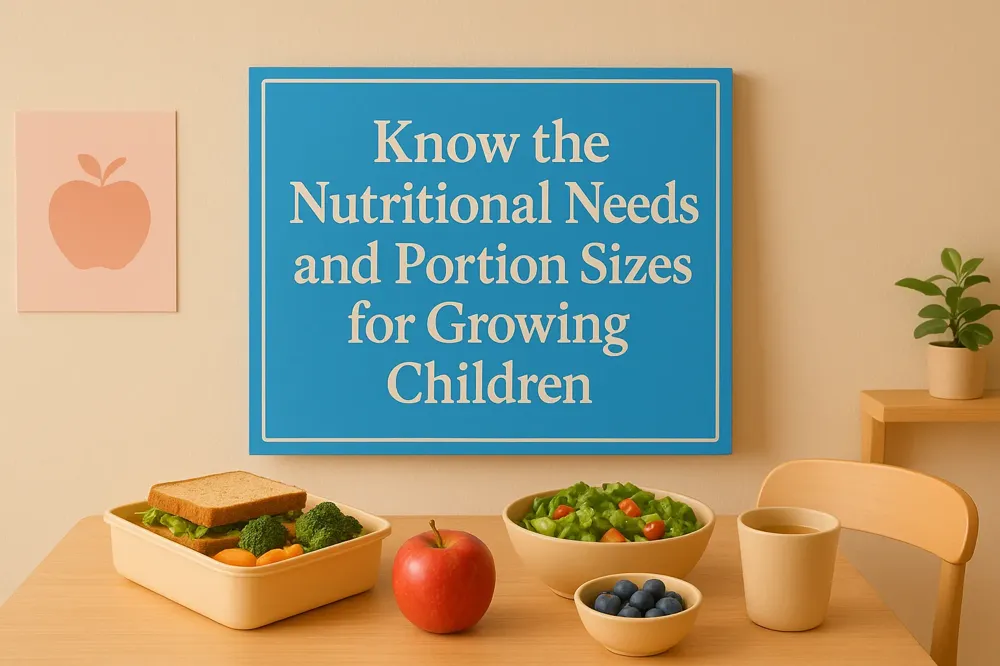
Age-specific calorie and nutrient requirements
Children's caloric and nutrient needs vary widely based on age, sex, and activity level. For example, toddlers (ages 2–4) require about 1,000 to 1,800 calories daily, while older children and teens (9–18 years) need between 1,600 and 3,200 calories. Nutrients critical for growth include proteins for muscle development, calcium for strong bones, iron for healthy blood, vitamins D and C for immunity, fiber for digestion, and healthy fats for brain health. See more on Nutrition for kids.
Daily portions from food groups
Balanced daily food portions should come from all five food groups: fruits, vegetables, grains, protein foods, and dairy or fortified soy alternatives. Half of a child's plate should consist of fruits and vegetables to ensure ample vitamin and antioxidant intake. Whole grains like brown rice, quinoa, and whole-wheat bread provide steady energy and fiber. Protein sources include seafood, lean meats, eggs, beans, nuts, and seeds. Dairy or fortified alternatives like low-fat milk and yogurt supply calcium and vitamin D essential for development. Learn more about Healthy eating for kids.
Importance of variety and nutrient density
Offering a rainbow of colorful fruits and vegetables diversifies nutrient intake and keeps meals exciting. Choosing nutrient-dense foods — those rich in vitamins, minerals, and fiber with minimal added sugars, saturated fats, and sodium — supports healthy growth while reducing risks of obesity and chronic diseases. Additional information about Choosing nutrient-rich foods is available.
Examples of healthy food choices per group
- Fruits and vegetables: berries, carrots, leafy greens, sweet potatoes
- Grains: oatmeal, whole-wheat bread, brown rice
- Protein: salmon, chicken breast, beans, tofu
- Dairy: low-fat milk, plain yogurt, fortified soy milk
For detailed guidance on these recommendations, check Nutrition for Kids.
Limiting added sugars, saturated fats, and sodium
Limiting intake of added sugars (found in sodas and sweets), saturated fats (from fried and processed foods), and sodium (in processed snacks) is vital. Encouraging water or low-fat milk as primary beverages helps reduce excess sugar. Implementing these guidelines fosters lifelong healthy habits. Explore more about Limiting added sugars and saturated fats.
Following these portion guidelines and nutrient recommendations tailored to age promotes healthy growth and development for children. Involving kids in meal preparation and emphasizing balanced, varied diets supports their overall well-being. For tips on Involving children in meal preparation and building healthy habits, visit the linked resources.
Practical Tips for Parents to Support Healthy Eating in Children
How can I help my child develop healthy eating habits?
Helping your child develop healthy eating habits involves offering a variety of nutritious foods such as vegetables, fruits, whole grains, lean proteins, and low-fat dairy. Limiting foods high in saturated fats, added sugars, and salt is crucial. Parents should also model healthy eating by choosing nutritious foods themselves, which strongly influences children’s food choices. For more information on Healthy eating habits for children, visit the recommended resources.
What meal routines and snack schedules encourage better eating habits?
Establish a consistent schedule of three balanced meals and two to three healthy snacks daily. Including foods from multiple food groups in snacks—like fruits with peanut butter or vegetables with hummus—helps maintain nutrient intake. Structured meal times without distractions encourage mindful eating and prevent overeating. For detailed guidance on Meal patterns for families, check the linked material.
How can limiting screen time during meals help?
Turning off TVs, tablets, and phones during meals allows children to focus on their food, improving their ability to recognize hunger and fullness cues. Eating together as a family without digital distractions also fosters social interaction and reinforces positive eating behaviors. More on Limiting Screen Time During Meals is available for parents.
What positive reinforcement strategies work well?
Use non-food rewards such as extra playtime or family activities to encourage trying new foods or participating in meal prep. Involving children in grocery shopping and cooking fosters engagement and makes them more likely to accept healthy options. Encourage patience with new foods, as repeated exposure improves acceptance. You can learn about Encouraging Healthy Eating in Children for actionable tips.
What role do pediatricians and healthcare providers play?
Pediatricians offer valuable guidance tailored to your child’s growth, activity level, and health needs. They can provide personalized nutrition advice, address concerns like picky eating or allergies, and support healthy lifestyle habits. Regular check-ups provide opportunities to monitor growth and reinforce healthy nutrition and activity patterns. Access detailed Pediatric Nutrition Resources for further information.
Integrating Nutrition with Physical Activity for Lifelong Wellness
What is the 3-3-3 rule related to eating and healthy habits?
The 3-3-3 rule offers a simple, effective approach for children and teens to build strong, healthy lifestyle behaviors for children and teens. It recommends three balanced meals per day to avoid blood sugar dips and curb excess snacking. Drinking about three bottles of water by early afternoon helps metabolism and hydration essential for growth. Plus, engaging in at least three hours of physical activity per week supports a healthy weight and encourages lifelong fitness habits. This rule focuses on steady, manageable habits rather than perfection, with opportunities for personalized support.
What are the physical activity recommendations for children?
Children and teens should aim for a minimum of 60 minutes of daily physical activity, including aerobic, muscle-strengthening, and bone-strengthening exercises. This daily movement improves strength, lowers blood pressure, improves mental health, and supports academic success. Making physical activity a fun, integrated part of family life and daily routines ensures children develop a positive attitude toward movement. For more details, see Physical activity recommendations for children and teens.
What are the benefits of combining nutrition and exercise?
Pairing good nutrition with regular exercise boosts immunity, supports healthy growth, helps maintain a healthy weight, and improves muscle and bone health. Balanced meals rich in fruits and vegetables, whole grains, lean proteins, and dairy complement physical activity for optimal energy and development. Together, these habits reduce risks of obesity, type 2 diabetes, anxiety, and depression. Learn more about the Benefits of healthy eating for children.
How can families promote healthy lifestyles?
Families play a vital role by sharing meals without digital distractions, stocking healthy foods, involving children in meal prep and grocery shopping, and modeling nutritious choices. Encouraging fun physical activities as a family and setting screen time limits reinforce healthy habits. A supportive home environment builds a foundation for lifelong wellness in children and teens. Explore more on Healthy eating habits and family meals.
Building a Foundation for Lifelong Healthy Eating
Key Healthy Eating Tips for Kids
Offer a variety of fruits, vegetables, whole grains, lean proteins, and low-fat dairy daily. Limit added sugars, saturated fats, and salt to support healthy growth.
The Importance of Consistency and Family Support
Eating meals together without distractions, involving kids in cooking and shopping, and keeping healthy snacks accessible help foster lasting healthy habits.
Encouraging Lifelong Healthy Habits
Encourage ongoing learning about nutrition and seek professional guidance when needed to meet children's individual dietary needs and support well-being over time.