Introduction
Puberty is the period when a child's body transitions into adulthood, driven by a cascade of natural hormones. The brain's hypothalamus starts the process by releasing gonadotropin-releasing hormone (GnRH), which signals the pituitary gland to produce luteinizing hormone (LH) and follicle-stimulating hormone (FSH). These hormones travel through the bloodstream to trigger sex organs to make estrogen (in girls) or testosterone (in boys), sparking visible physical changes.
This time can feel confusing for both kids and parents, but it is a completely normal and positive part of growing up. At Kids & Teens Primary Healthcare, our team helps families understand each stage so they can approach puberty with knowledge and confidence.
When Puberty Starts
 Puberty typically begins between ages 8 and 13 in girls and between ages 9 and 14 in boys, though the exact timing varies from child to child. The process is set in motion when the brain's hypothalamus releases gonadotropin-releasing hormone (GnRH), signaling the pituitary gland to produce hormones that travel to the ovaries or testes. Genetics and nutritional state both influence when these changes begin.
The first visible signs differ between sexes. In girls, breast budding (thelarche) is usually the earliest change, followed by growth of pubic hair. In boys, the first sign is enlargement of the testicles and scrotum. Parents and pediatricians track these milestones using the Tanner Staging system, which describes five stages of physical development for each gender.
The entire process lasts two to five years. For girls, puberty typically ends around ages 15–17; for boys, around ages 16–17. A child's height growth spurt occurs at different times — around age 11–12 for girls and age 13–14 for boys, which is why girls often temporarily surpass boys in height during early adolescence.
When to Talk to a Pediatrician
If a child shows signs of puberty much earlier or later than the typical age ranges, a pediatrician should evaluate them. Precocious puberty is defined as the onset of Tanner Stage 2 before age 8 in girls or before age 9 in boys. Delayed puberty is diagnosed when girls haven't reached breast development by age 13 or boys haven't reached testicular development by age 14. At Kids and Teens Primary Healthcare, pediatricians assess development during routine checkups and can address concerns about timing or progression. Early evaluation helps determine whether a child simply has a different timeline or needs medical support.
Many factors affect the start of puberty beyond genetics — body weight, overall health, and even environmental exposures can play a role. Reassuring a child that friends develop at different rates and that all bodies eventually catch up can reduce anxiety. If you notice any signs of early or delayed puberty, scheduling a visit with your pediatrician is a straightforward way to gain clarity and peace of mind.
First Signs in Girls
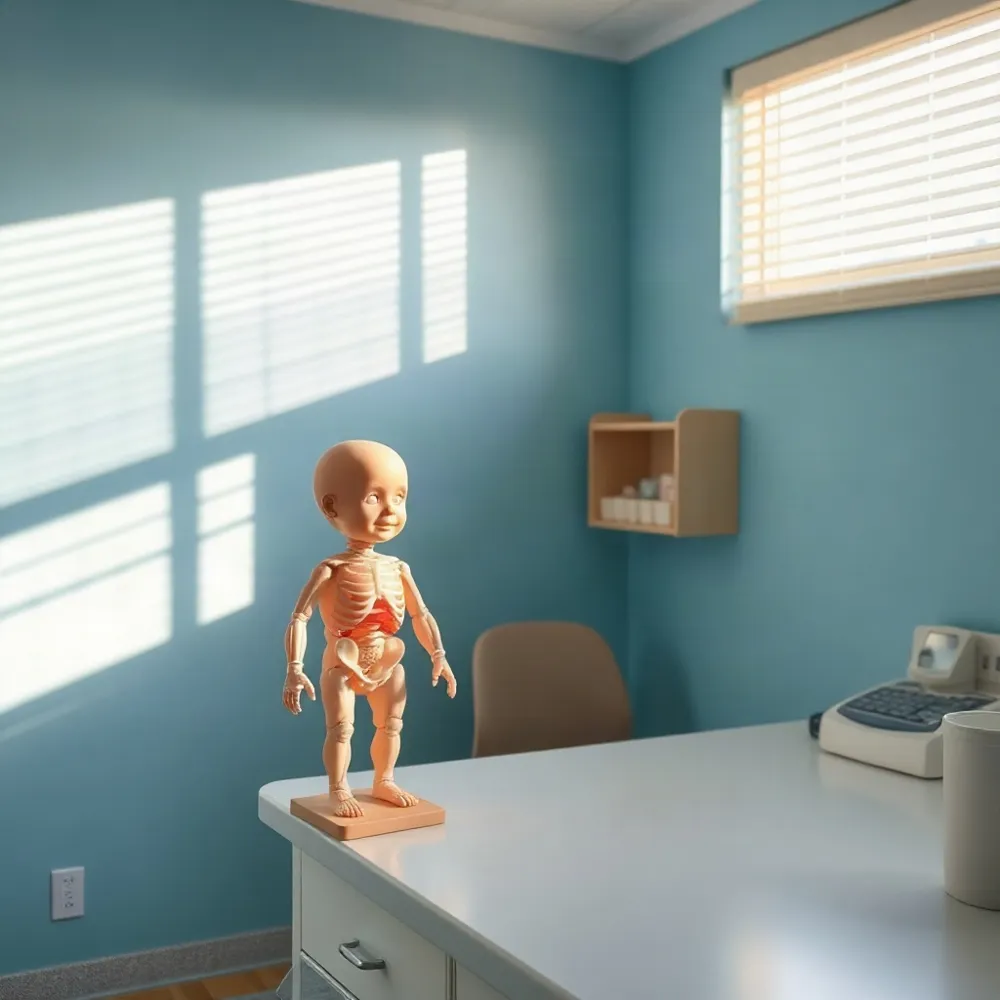 For most girls, the first visible sign of puberty is breast development, also called thelarche or breast budding. This typically begins between ages 8 and 13, though starting as early as age 7 can be normal depending on genetics. You may notice small, firm breast buds forming under the nipples, which can sometimes feel tender or itchy. If breast budding has not started by age 13, schedule a check-up with your pediatrician to ensure everything is on track.
While breast budding is the most common first sign, some girls develop pubic hair before their breasts begin to change. Both patterns are healthy variations — puberty does not follow an identical sequence for every child. As puberty progresses, pubic and underarm hair become thicker, and a clear or white vaginal discharge often appears several months before a girl's first period.
A growth spurt follows, typically around ages 11-12, during which girls may temporarily become taller than many boys their age. This is a normal part of development, as girls generally experience their growth spurt about two years before boys do.
Sweat glands become more active during this stage, leading to body odor. Daily showers and routine use of deodorant are recommended. Acne on the face, chest, or back is also common due to increased oil production. The pediatricians at Kids & Teens Primary Healthcare can offer guidance on skincare and hygiene habits to help teens manage these changes comfortably.
Menstruation usually begins about two years after breast development starts, with most girls getting their first period between ages 12 and 14. Periods can be light, heavy, or skip months in the first year or two, and all can be normal. If bleeding is very heavy or causes missed school or activities, consult a pediatrician.
First Signs in Boys
For most boys, the first visible sign of puberty is the enlargement of the scrotum and testes, typically beginning between ages 9 and 14. This change occurs as the testicles start producing testosterone in response to hormonal signals from the brain. During this early stage, the penis does not yet grow, and it is normal for one testis to enlarge faster than the other.
As puberty progresses, boys experience a predictable sequence of changes. Pubic hair appears at the base of the penis, initially soft and sparse, later becoming darker and coarser. Hair also develops on the underarms, legs, and eventually the face. The voice deepens and may crack temporarily as the larynx enlarges, typically around ages 14-15. A growth spurt occurs later than in girls, usually between ages 12 and 14, with boys gaining an average of 3 inches in height per year.
Normal Experiences During Male Puberty
Nocturnal emissions, or wet dreams, are a normal part of puberty as the body begins producing sperm. Unpredictable erections are also common and typically become less frequent over time. About half of boys experience temporary gynecomastia, or breast tissue development, due to changing hormone levels; this usually resolves on its own without treatment.
If a boy shows signs of puberty before age 9 or has not started by age 14, a pediatrician should evaluate his development. At Kids and Teens Primary Healthcare, providers track growth patterns and Tanner stages during routine checkups to ensure development is progressing normally and to address any concerns parents or teens may have.
| Change | Typical Age Range | Notes |
|---|---|---|
| Testicular/scrotal enlargement | 9-14 years | First sign; one testis may grow faster |
| Pubic hair growth | 10-15 years | Starts sparse, becomes coarser |
| Voice deepening | 14-15 years | May crack temporarily |
| Growth spurt | 12-14 years | Later than girls; about 3 inches/year |
| Nocturnal emissions | 11-16 years | Normal sperm production |
| Gynecomastia | 10-16 years | Affects ~50% of boys; usually resolves |
The Tanner Stages of Development
Healthcare providers use the Tanner Staging system, also called sexual maturity ratings (SMRs), to track and document the physical changes of puberty. The system outlines five distinct stages, from prepubertal to full adult development.
In Stage 1, no visible physical signs are present, though the brain has begun to release gonadotropin-releasing hormone (GnRH), signaling the pituitary gland to send hormones that will soon trigger development. Stage 2 begins with the first outward changes: breast budding in girls and testicular enlargement in boys, along with sparse pubic hair.
Stage 3 involves continued growth of breasts and genitals, the start of peak height velocity (the fastest growth rate), appearance of acne, and voice changes in boys. By Stage 4, girls often experience their first period and breasts are nearly mature; boys see a peak growth spurt with continued genital development and voice deepening.
Stage 5 is the final phase. Breasts, genitals, and pubic hair reach adult size and distribution. Most girls reach their final height between ages 15-17; boys typically finish growing between ages 17-20. Understanding these standard markers allows pediatricians to reassure families that a child's development is progressing normally.
Common Physical Changes for All
While girls and boys follow different paths through puberty, several physical changes are universal. Understanding these shared experiences helps normalize the process and reduces anxiety for both children and their parents.
Growth Spurts and Changing Shape
A rapid increase in height is one of the most noticeable changes. Girls typically experience their growth spurt around ages 11-12, while boys follow at ages 13-14, which explains why girls are often taller than boys in middle school. During this time, a child's center of gravity shifts as their body proportions change, leading to a temporary phase of clumsiness.
Body shape also transforms. Girls tend to gain body fat, particularly around the hips and thighs, while boys see a greater increase in muscle mass. Internally, the lungs become bigger and stronger, and bones increase in thickness and density, supporting a child's growing body.
Acne, Sweat, and New Hygiene Needs
Hormonal shifts cause the skin's oil glands to produce more sebum, which can clog pores and lead to acne on the face, chest, and back. At the same time, a new type of sweat gland develops in the armpits and genital area, producing body odor. These changes are a normal part of puberty, but they require updated hygiene habits.
Daily showers, regular use of deodorant, and washing the face twice a day help manage both acne and body odor. Teaching these routines early helps teens feel more comfortable and confident. If acne is severe or persistent, a pediatrician can recommend treatment options. At Kids & Teens Primary Healthcare, providers are available to offer guidance on managing these common concerns during routine checkups.
Parents can support their child by explaining that these physical changes are signs of healthy development. For more detailed information on what to expect, you can review the timeline of physical changes during puberty from Kids & Teens Primary Healthcare.
| Change | Girls (Typical Timing) | Boys (Typical Timing) | Management Tips |
|---|---|---|---|
| Growth spurt | Ages 11-12 | Ages 13-14 | Ensure adequate nutrition and sleep |
| Acne | During active stages | During active stages | Daily face washing, consult pediatrician if severe |
| Body odor | Starts in Tanner Stage 2 | Starts in Tanner Stage 2 | Daily showers, deodorant |
| Weight gain / shape change | Increased body fat, wider hips | Increased muscle mass | Promote healthy eating and physical activity |
| Clumsiness | During rapid growth | During rapid growth | Be patient, it is temporary |
Emotional and Social Shifts
Puberty is not just a time of physical growth — it also brings powerful emotional and social changes. Hormonal surges can trigger mood swings, irritability, and increased sensitivity, which may catch both children and parents off guard. These rapid shifts in emotion are a normal part of development, driven by the same hormones that cause the body to mature.
Self-Consciousness and Body Image
As bodies change, many teens become more self-conscious. They may compare themselves to peers or to images seen online, leading to body image concerns. According to Boston Children's Hospital, parents can help by framing physical changes as a "superpower" and linking them to future goals, which encourages children to feel empowered rather than anxious.
Independence, Privacy, and Peer Groups
A desire for independence and privacy often grows during this stage. Teens may prefer time alone or with friends over family activities. Friendships and peer groups become more important, and children begin to navigate complex social dynamics, including peer pressure related to appearance, behavior, and substance use. The Cleveland Clinic notes that social pressures, along with hormone surges, contribute to moodiness, emotional outbursts, and changes in identity.
Identity Exploration
Puberty is also a time when many young people explore their identity, including gender, gender expression, and sexual orientation. According to Boston Children's Hospital, this exploration is a normal part of growing up, and having a supportive adult to talk to can make a significant difference.
Parents and caregivers can offer reassurance that these feelings are normal and temporary. Maintaining open communication and reminding children that everyone develops at their own pace helps build confidence. At Kids and Teens Primary Healthcare, pediatricians are available to discuss emotional and social changes during routine checkups, providing a safe space for teens to ask questions about anything from mood swings to peer relationships.
How to Talk to Your Child
Many parents feel uncertain about when and how to start talking with their child about puberty. According to a national poll from University of Michigan Health C.S. Mott Children's Hospital, parents are evenly split on whether to start before age 10, at age 10, or later. The best approach is to begin early and keep the conversation going, not to wait for one big talk.
Start conversations around ages 7 to 9, before physical changes begin. Use simple, accurate terms for body parts like "breasts," "penis," and "vagina" to help normalize the discussion and reduce embarrassment. Explain that these changes are a normal part of growing up, and that timing varies for every child.
Make the topic ongoing by using everyday moments as openings. A scene in a movie, a growth spurt, or a question from your child can be a natural way to bring up changes. Ask open-ended questions like, "What have you noticed or heard about puberty?" and listen without judgment. If your child feels too embarrassed to talk with you, a well-child visit at Kids & Teens Primary Healthcare provides a safe, private space for them to ask a pediatrician questions.
Sharing your own experiences can be a powerful tool. Letting your child know that you went through similar changes helps normalize the process and builds trust. If you don't have all the answers, it is okay to say so and offer to find out together. Providing age-appropriate books or videos, such as It's Perfectly Normal or Celebrate Your Body (and Its Changes, Too!), can also help your child explore the topic at their own pace.
Remember, you do not need to cover everything at once. Brief, frequent check-ins are more effective than a single, overwhelming talk. If you ever feel unsure, your pediatrician is a trusted resource for guiding both you and your child through this important stage.
When to Call Your Pediatrician
 Most children move through puberty without medical complications, but certain signs warrant a pediatrician's evaluation. Knowing when to reach out can help address issues early and ease unnecessary worry.
Signs of Precocious (Early) Puberty
If a girl shows signs of breast development or pubic hair before age 8, or a boy shows testicular enlargement or pubic hair before age 9, this may indicate precocious puberty. An early start to puberty can affect growth and emotional readiness, and a pediatrician can evaluate whether treatment is needed.
Signs of Delayed Puberty
When no physical changes have appeared by age 13 in girls (such as breast budding) or by age 14 in boys (such as testicular growth), a check-up is appropriate. Delayed puberty often runs in families, but a pediatrician can rule out underlying health conditions and provide reassurance about expected timelines.
Menstrual Concerns That Need Attention
A girl should see her pediatrician if she hasn't started menstruation by age 15 or within three years of breast development. Additional red flags include periods that soak through clothing or bedding every 1-2 hours, last longer than 7 days, or cause pain that doesn't respond to over-the-counter relief and interferes with school or activities.
Other Physical and Emotional Concerns
Severe acne that doesn't improve with basic skincare, persistent growing pains that affect sleep or daily function, or dramatic changes in appetite, sleep, or mood all merit a pediatric visit. Signs of depression, anxiety, self-isolation, or sudden drops in school performance should not be ignored.
Serious Concerns: When to Seek Help Immediately
If a child discloses trauma, expresses thoughts of self-harm, or engages in dangerous or risky behaviors, a pediatrician can provide immediate support and connect the family with a therapist or behavioral specialist. The providers at Kids and Teens Primary Healthcare are trained to handle these sensitive conversations and can offer a safe, confidential space for teens to share their concerns.
Conclusion
Puberty is a natural part of growing up, and every child moves through it at their own pace. Keeping communication open and using correct terms helps children feel confident about the changes they experience.
Kids & Teens Primary Healthcare is a trusted resource for families navigating this stage. Routine well-child visits offer a chance to ask questions and track development, so reach out whenever you need support.