Why Flu Season Matters for Families
Flu season isn’t just another cold snap—it raises the risk of serious illness for children and teens, especially those under five and kids with chronic conditions. In the United States flu activity starts in October, peaks through December‑February, and can linger into May. Because the virus spreads through droplets and contaminated surfaces, prevention requires a layered approach: early vaccination for all family members, diligent hand‑washing, regular cleaning of high‑touch objects, and good indoor air quality. Most importantly, parents should seek medical evaluation promptly if a child has high fever, persistent cough, difficulty breathing, or signs of dehydration, since timely antiviral treatment and professional guidance can dramatically reduce severity and protect the whole family.
Vaccination and Immunization Strategies
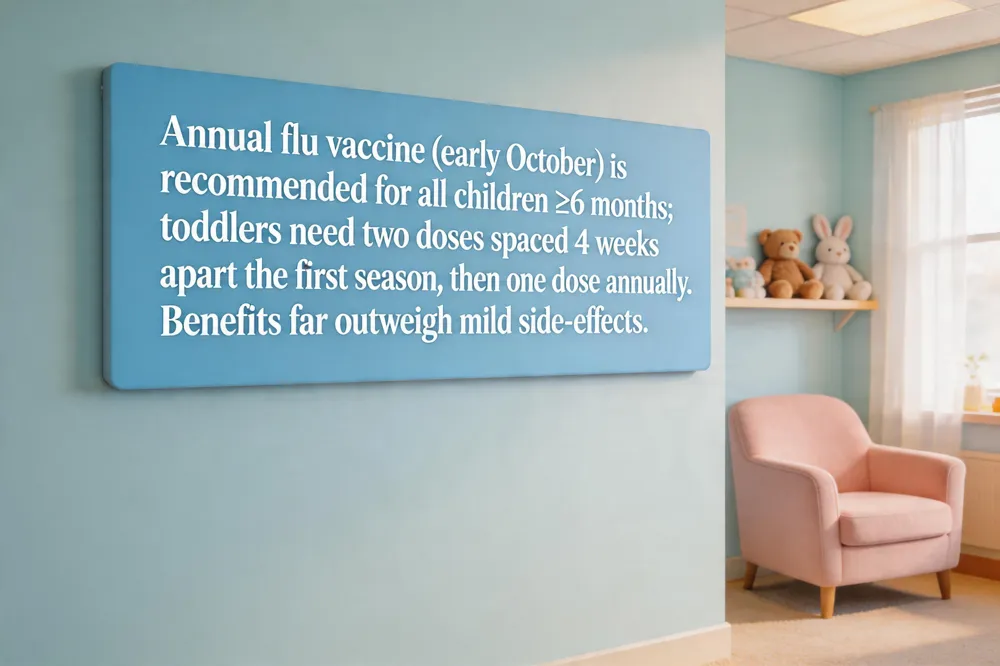 Flu season in the U.S. typically peaks from October through May, so the CDC recommends getting the annual flu vaccine as early as possible—ideally by early October—to allow two weeks for immunity to develop. For toddlers and young children (6 months‑8 years) who are receiving the vaccine for the first time, two doses spaced at least four weeks apart are needed; thereafter, a single dose each season suffices.
Pros and Cons of the Flu Shot for Toddlers – The shot can cut the risk of influenza by up to 70 % and makes breakthrough illness milder, protecting against serious complications such as pneumonia, ear infections, and dehydration. Common side‑effects are mild (sore arm, low‑grade fever). It is not 100 % effective, and rare allergic reactions can occur, but the benefits far outweigh the risks for children under five, especially those under two.
Finding Reliable CDC Fact Sheets – Parents can download the CDC’s “Flu (Influenza) Fact Sheet for Parents” PDF from https://www.cdc.gov/flu/parents/index.htm for a printable, child‑friendly guide.
Key Q&A
- Best way to prevent flu in children? – Annual vaccination plus hand‑washing, respiratory etiquette, surface cleaning, and mask use in crowded indoor settings.
- Is the flu vaccine necessary? – Yes; it protects all children 6 months + from infection and severe outcomes and also shields vulnerable household members.
- Pros and cons for toddlers? – See above.
- What to take after exposure? – Prompt antiviral prophylaxis (e.g., oseltamivir) prescribed by a pediatrician, alongside vaccination and good hygiene.
- Where to find a fact sheet PDF? – On the CDC website as noted.
Parents should consult a pediatrician promptly if a child shows high fever, breathing difficulty, or signs of dehydration, ensuring timely medical attention and appropriate antiviral therapy when needed.
Home Care and Symptom Management
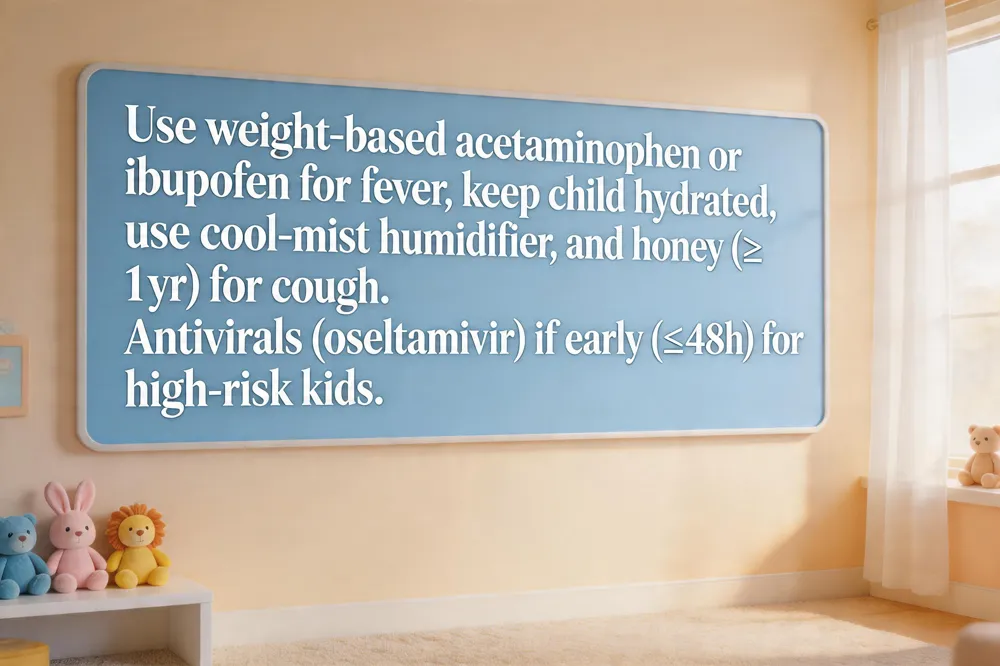 Fever reducers such as acetaminophen (Tylenol®) or ibuprofen (Motrin®/Advil®) are safe for children when dosed by weight. Never give aspirin or over‑the‑counter cough‑and‑cold mixtures to kids under 18, as they can cause serious side effects, including Reye’s syndrome.
Age‑specific treatment plans matter. For a 3‑year‑old, the focus is on hydration, rest, and age‑appropriate dosing of fever reducers. A cool‑mist humidifier or a short steam session eases congestion, and a teaspoon of honey (for children over 1 year) can calm coughing. High‑risk children—those under 5, with asthma, diabetes, or other chronic conditions—should see a pediatrician early; antiviral medication such as oseltamivir (Tamiflu®) may be prescribed within 48 hours to shorten illness and reduce complications.
What do pediatricians give kids with the flu? Pediatricians primarily provide supportive care: rest, fluids, and age‑appropriate fever reducers. If the child is seen within 48 hours of symptom onset or is high‑risk, an antiviral like oseltamivir is often prescribed. Antibiotics are reserved for secondary bacterial infections.
What is the appropriate flu treatment for a 3‑year‑old? Hydration, rest, weight‑based acetaminophen or ibuprofen, humidifier use, and honey for cough relief (if over 1 year). Antivirals may be added if high‑risk or fever persists beyond three days.
How long does flu typically last in a child? Most children improve in 3‑5 days; fever usually resolves by day 7. Cough or fatigue may linger 1‑2 weeks. Return to school after 24 hours fever‑free without medication. Contact a pediatrician if fever exceeds three days, breathing worsens, or dehydration signs appear.
Medical Thresholds and When to Seek Hospital Care
 When should I take my child to the hospital for flu?
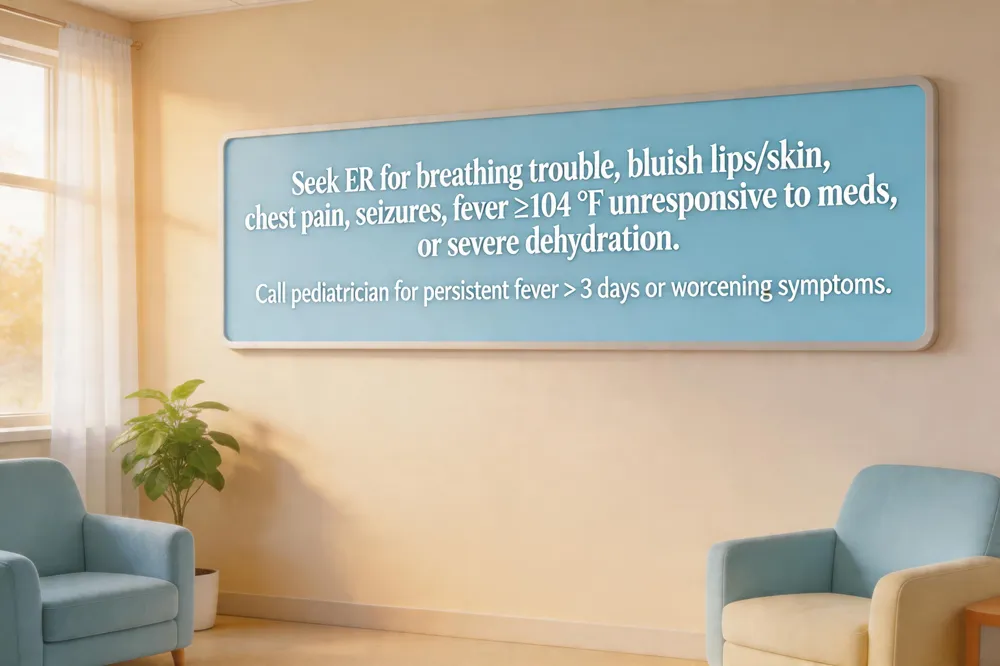
Bring your child to the emergency department if any emergency warning sign appears: trouble breathing, bluish lips or skin, chest pain, seizures, unresponsiveness, or a fever ≥ 104 °F (40 °C) that does not improve with acetaminophen or ibuprofen. Severe dehydration—dry mouth, sunken eyes, or no wet diapers for > 8 hours—also warrants immediate care. Newborns under three months with any fever, poor feeding, or breathing difficulty need urgent evaluation. If none of these serious signs are present, call your pediatrician or use telehealth before heading to the ER.
When should I be worried about flu in my child?
Be concerned if your child shows any of the above emergency signs, a fever that persists > 3 days, or a fever that stays above 104 °F despite medication. Lethargy, refusal to drink fluids, urine output < every 8 hours, or rapid worsening after initial improvement also require prompt medical attention. For infants < 3 months, any fever or feeding issues should prompt an immediate call to the doctor.
When should I go to the hospital for a child with Influenza A?
Seek ER care for the same emergency warning signs listed above, especially severe respiratory distress, high‑grade fever not responding to medication, or signs of severe dehydration. Older children who are only mildly febrile and can stay hydrated may be managed at home with pediatric guidance. When in doubt, trust your instincts and contact your pediatric office or head to the emergency department right away.
Hygiene, Household Practices and Natural Strategies
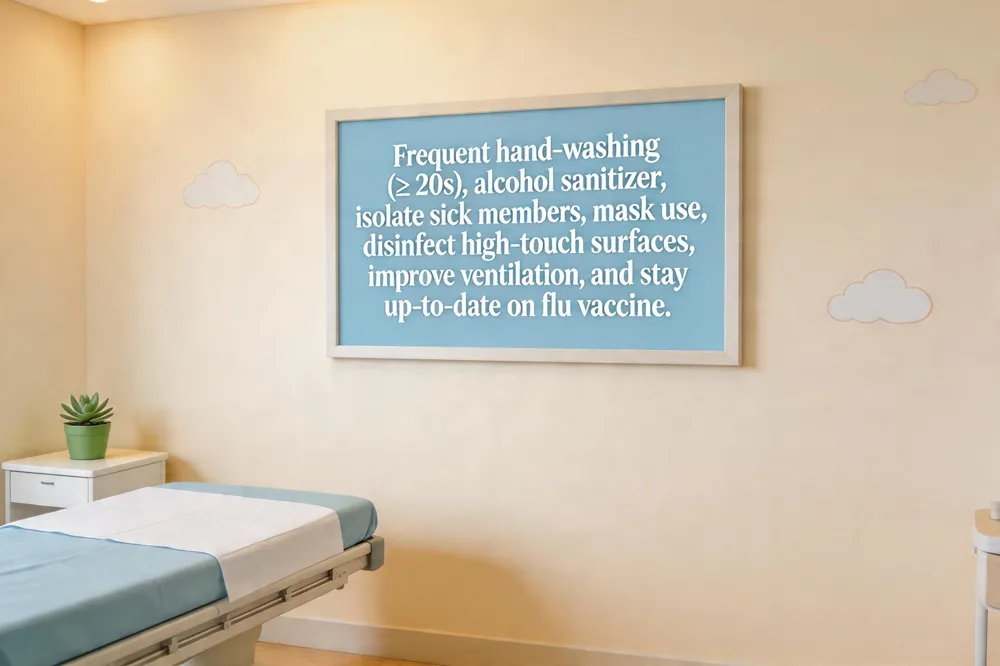 Keeping the flu at bay starts with simple, science‑backed habits that protect every family member, especially children and teens who can spread the virus quickly.
How can I avoid the flu when my family is sick? Wash hands with soap and water for at least 20 seconds; keep a ≥60 % alcohol sanitizer handy. Isolate the sick person in a separate room, have them wear a mask, and use dedicated utensils, towels, and bedding. Disinfect high‑touch surfaces (doorknobs, light switches, phones, countertops) regularly with EPA‑approved cleaners or a bleach solution, and improve ventilation by opening windows or running a HEPA air purifier. Ensure everyone is up‑to‑date on the annual flu vaccine and consult a pediatrician about antiviral prophylaxis for high‑risk kids.
How can I prevent the flu naturally? Focus on hygiene and immune‑supporting habits: frequent hand‑washing, avoid face‑touching, clean surfaces, get adequate sleep, eat a balanced diet rich in fruits and vegetables, stay active, stay hydrated, and limit exposure to sick individuals. While vitamins and herbs are popular, the only proven natural protection is the annual flu vaccine combined with these everyday practices.
What can I get rid of the flu in 24 hours naturally? No safe method can cure flu in a day. Rest, fluids, a humidified room, and OTC pain relievers (acetaminophen or ibuprofen) can ease symptoms. A balanced diet and modest zinc or vitamin C may slightly shorten illness, but if severe symptoms appear—high fever, trouble breathing, or dehydration—seek pediatric care immediately.
Does vitamin C prevent the flu? No. Vitamin C does not prevent infection; it may modestly reduce symptom duration in some cases. Rely on vaccination, hand hygiene, and a healthy lifestyle rather than high‑dose supplements.
Antiviral Options, Alternatives and Age‑Specific Treatment
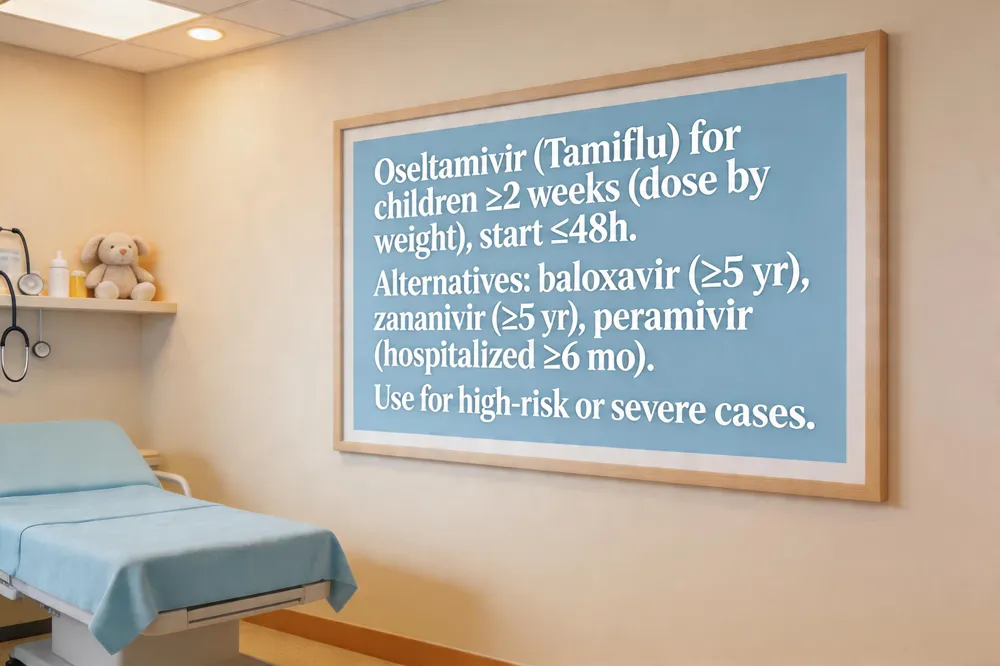 How is Tamiflu used for kids? Oseltamivir (Tamiflu) can be given to children as young as two weeks, but it must start within 48 hours of the first flu‑like symptoms. The pediatrician calculates the dose by weight and age and prescribes the liquid or capsule twice daily for five days. It is favored for high‑risk kids—those with asthma, heart disease, immunodeficiency, or severe illness. Common side effects are nausea, vomiting, headache, and occasional mild behavior changes; rare allergic reactions require immediate care. In some cases a once‑daily prophylactic dose may be prescribed for up to ten days after exposure.
Are there alternatives to Tamiflu for children? Yes. Baloxavir marboxil (Xofluza) is a single‑dose tablet for kids 5 years and older. Inhaled zanamivir (Relenza) is approved for children ≥ 5 years who can use an inhaler. Intravenous peramivir (Rapivab) can be used in hospitalized patients ≥ 6 months. All work best when started within two days of symptom onset and are chosen based on age, health status, and risk factors.
What can I take to prevent flu after exposure? Post‑exposure prophylaxis with oseltamivir or baloxavir, started within 48 hours of exposure, is effective. The pediatrician may also consider zanamivir for older children. Annual vaccination, good hydration, hand hygiene, and avoiding close contact further reduce risk.
What is the appropriate flu treatment for a 2‑year‑old? Provide plenty of fluids, age‑appropriate acetaminophen or ibuprofen, and avoid aspirin or OTC cough medicines. If high‑risk or within 48 hours of onset, the doctor may prescribe oseltamivir. Seek care if fever exceeds three days, dehydration signs appear, or breathing worsens.
What is the appropriate flu treatment for a 4‑year‑old? Offer fluids, rest, acetaminophen or ibuprofen, and a honey teaspoon of honey for cough (if >1 year). Antivirals such as oseltamivir are given if the child is high‑risk or severely ill, started within 48 hours. Use saline drops and a cool‑mist humidifier for congestion, and call a pediatrician for persistent high fever, breathing trouble, or dehydration.
Key Take‑aways for a Flu‑Smart Family
Vaccinate every family member (6 months + ) early in the season—immunity builds in about two weeks and is the single most effective shield against flu. When a child gets sick, prioritize rest, plenty of fluids, and age‑appropriate fever reducers (acetaminophen or ibuprofen) to keep comfort and side control. Stay vigilant: seek medical help immediately if a child shows high fever (≥ 104 °F), difficulty breathing, persistent vomiting, severe dehydration, or sudden confusion—these are red‑flag signs. Prevent spread at home with diligent hand‑washing (20 seconds or soap‑and‑water, or 60 %+ alcohol sanitizer), regular disinfection of high‑touch surfaces using EPA‑approved products, and improved ventilation or HEPA filtration to clear airborne droplets.