The Importance of Regular Pediatric Check-Ups
Significance of Regular Well-Child Visits
Regular pediatric check-ups are essential to promote your child's health and development from infancy through adolescence. Starting within the first week after birth, these visits continue at scheduled intervals—such as 1, 2, 4, 6, 9, and 12 months—and annually after age 3. They support tracking physical growth, developmental milestones, and emotional well-being.
Overview of Pediatric Care for Growth and Development
During check-ups, healthcare providers assess key growth parameters like height, weight, and head circumference. They screen for vision, hearing, and developmental progress including motor skills and speech. These exams help parents understand their child’s health and address any parental concerns early, laying the foundation for lifelong wellness.
Early Detection of Health Issues
Regular visits enable early identification of problems such as developmental delays, obesity, anemia, or behavior concerns. Early diagnosis opens opportunities for timely intervention, improving long-term outcomes. Pediatricians also provide guidance on nutrition, physical activity, and safety, which are vital for ongoing healthy development.
Role of Vaccinations
Vaccinations administered during routine check-ups protect children from serious diseases like measles, whooping cough, and hepatitis B. Following the CDC’s immunization schedule, vaccines are critical for community health and preventing outbreaks. Pediatric visits ensure timely updates, reinforcing immunity and safeguarding your child's health.
Understanding the Well-Child Visit Schedule
What is the schedule for well-child visits according to the CDC or AAP?
The CDC and the American Academy of Pediatrics (AAP) recommend a detailed schedule of AAP Schedule of Well-Child Care Visits starting from birth and continuing through adolescence up to age 21.
Key ages for well-child visits from birth through adolescence
Regular well visits begin within the first week of life, typically between 3 to 5 days old. Following this, visits are scheduled at 1, 2, 4, 6, 9, 12, 15, 18, 24, and 30 months. After age 3, Annual health check-up for children over 3 are recommended and continue yearly until adulthood.
Importance of adhering to the well-child visit schedule
Sticking to this schedule allows consistent Monitoring Child Growth and Development. These visits include Pediatric vaccine schedule overview that protect against serious diseases like measles and whooping cough. Early identification of health or developmental issues during these appointments improves the chances for effective treatment. Moreover, Children's well-child checkups build a trusting relationship between your family and healthcare providers, enabling open communication about your child's nutritional, behavioral, and emotional needs.
Annual check-ups for older children and teens
For children older than 3 years and teenagers, yearly visits are essential. These appointments focus on continued growth monitoring, mental health assessments, and updating immunizations such as Tdap, HPV, and meningococcal vaccines. Annual well visits also offer opportunities to discuss issues related to school, social development, and lifestyle habits, supporting long-term health throughout adolescence.
By following the Recommended Pediatric Check-Up Schedule, families ensure comprehensive, preventive care that supports healthy physical and mental development at every stage of childhood and adolescence.
What to Expect During a Routine Well-Child Check-Up
What services are typically included during a routine well-child visit?
A routine well-child visit typically includes a comprehensive physical examination. During this exam, the pediatrician measures your child's height, weight, and vital signs such as heart rate and blood pressure to track growth and general health.
Physical examination and screenings
Screenings for vision and hearing are standard parts of the visit to detect early issues that could affect development. Oral health is assessed through risk evaluations, and developmental milestones as well as behavioral health are reviewed to ensure your child is progressing appropriately.
Vaccinations and immunization updates
Immunizations are administered based on the child’s age and CDC immunization schedule by age. These vaccines protect against diseases like measles, whooping cough, and hepatitis, which are crucial for keeping your child and community healthy.
Discussions about nutrition, behavior, and safety
Healthcare providers also discuss nutrition, physical activity, safety precautions, and sleep habits. This is an opportunity to address any questions or concerns about your child's behavior, growth, or health habits.
These visits are vital for early detection of health issues and support the overall well-being of children. Most health insurance plans cover these preventive visits at no cost when done in-network, ensuring every child has access to lifelong health benefits.
Benefits of Regular Pediatric Care for Children and Families
Why should children regularly visit a pediatrician for well-child visits?
Regular visits to a pediatrician are vital for children to monitor their growth and development across physical, cognitive, and social domains. These Regular pediatric check-ups track milestones such as height, weight, speech, and motor skills, ensuring children develop healthily. They provide a chance to catch health issues early—like vision or hearing problems, behavioral difficulties, or developmental delays such as autism—allowing for timely treatment that greatly improves outcomes.
Vaccinations during these visits shield children from preventable diseases such as measles, whooping cough, and hepatitis B, also benefiting community health by reducing disease spread. Furthermore, these appointments give parents time with healthcare experts to discuss concerns, ask questions, and receive advice on nutrition, exercise, mental health, and conditions like asthma or obesity.
What are the benefits of pediatric care for children and families?
Pediatric care supports healthy growth by consistently measuring development and providing essential screenings and immunizations. This helps identify and address health challenges early, from common illnesses to chronic conditions. Pediatricians also offer tailored guidance on diet, physical activity, emotional health, and safety practices, promoting holistic well-being.
Consistency in care helps build trust between families and providers, making children more comfortable and improving communication. This trusted relationship leads to better management of health concerns and encourages adherence to preventive measures. Overall, pediatric care lays the groundwork for lifelong health by focusing on comprehensive, compassionate support for physical, emotional, and social health needs in children and their families.
Vaccination Schedules and Their Role in Child Health
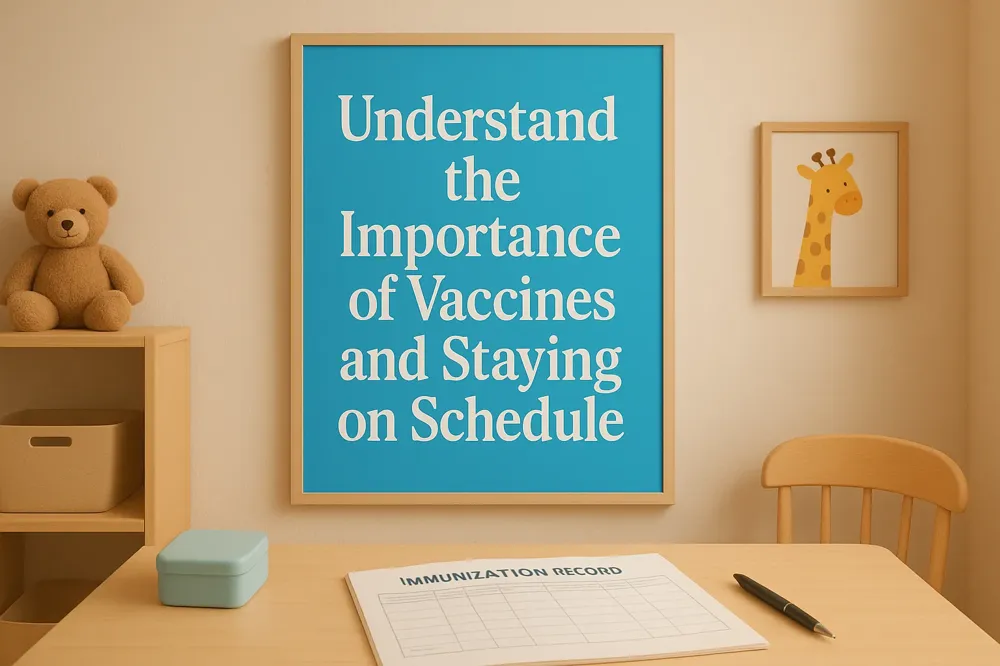
What vaccines are recommended for children by age according to CDC guidelines?
The CDC offers a comprehensive Child and Adolescent Immunization Schedule for children from birth up to 21 years. It includes vaccines such as Hepatitis B starting at birth, Rotavirus, DTaP (diphtheria, tetanus, pertussis), Haemophilus influenzae type b, Pneumococcal conjugate, and inactivated poliovirus during infancy.
Between 12 to 15 months, vaccines like MMR (measles, mumps, rubella), Varicella (chickenpox), and Hepatitis A are recommended. For school-age children and teenagers, boosters like Tdap, Meningococcal, and HPV vaccines protect against additional serious diseases.
Why is it important to stay on schedule with immunizations?
Timely vaccinations help protect children from potentially life-threatening diseases such as measles, polio, and whooping cough. Adhering to the recommended timeline ensures early and effective immunity, preventing the spread of disease in communities. This highlights the Importance of Regular Pediatric Check-Ups, which support keeping up with vaccinations and overall child health maintenance.
What about catch-up vaccinations and children in high-risk groups?
The CDC provides guidance for catch-up vaccinations if children miss doses, including minimum intervals between vaccines to maintain protection. Certain vaccines, like RSV and hepatitis A, are targeted toward high-risk groups to offer extra protection based on health conditions or exposure risks, as outlined in the Child and Adolescent Immunization Schedule.
What impact do vaccines have on disease prevention?
Vaccines play a critical role in preventing millions of illnesses and thousands of deaths annually. They protect individual children and contribute to community health by reducing disease outbreaks. Immunization programs have dramatically lowered the incidence of childhood diseases, making regular vaccination a vital part of pediatric care, as discussed in resources on the Benefits of Childhood Vaccinations and Preventing Childhood Diseases.
Overcoming Barriers and Ensuring Consistent Pediatric Check-Ups

Why is it important to see the same provider consistently?
Seeing the same Regular pediatric checkups regularly helps build a trusting relationship. The provider becomes familiar with your child’s medical history, growth patterns, and unique needs. This continuity makes it easier to spot early signs of health or developmental concerns and supports personalized care. It also helps children feel more comfortable during visits, reducing anxiety and promoting open communication.
What happens if a child misses a well-child visit?
Missing a Regular well visits can delay identifying important health or developmental issues such as growth delays, vision or hearing problems, or behavioral concerns. It may also interrupt the Child and Adolescent Immunization Schedule, increasing the risk for serious diseases. Rescheduling canceled appointments promptly is vital to maintain continuous care and timely immunizations.
Are well-child visits required by law?
Well-child visits themselves are not legally mandated in the United States. However, staying current on immunizations is a legal requirement related to public health laws, often necessary for school entry. Pediatric organizations strongly recommend regular visits as they are crucial for monitoring growth, development, preventive screenings, and maintaining good health over time.
How can families overcome barriers to attending preventive visits?
Barriers such as transportation difficulties, work schedules, and childcare challenges often prevent families from attending regular Well-child visits. Strategies to improve attendance include:
- Scheduling appointments at convenient times
- Using appointment reminders
- Coordinating transportation or childcare support
- Building awareness of the importance of Well-child visits for infants and young children
- Engaging Medicaid or CHIP programs that offer supportive services
- Telehealth options when appropriate
Healthcare programs continue to develop initiatives focused on reducing attendance barriers, ensuring no child misses vital preventive care.
Regular well-child visits are a cornerstone of pediatric care, providing irreplaceable benefits for a child’s health and development. Overcoming barriers and maintaining consistent visits with trusted providers ensures children thrive physically, emotionally, and socially.
Commit to Your Child’s Health With Regular Check-Ups
The Importance of Regular Pediatric Visits
Regular check-ups are essential checkpoints in a child’s health journey. From infancy through adolescence, these visits provide vital monitoring of growth, development, and overall well-being. Pediatricians assess height, weight, vision, and hearing, while also screening for conditions such as anemia, behavioral challenges, or developmental delays.
Encouraging Adherence to the Schedule
The American Academy of Pediatrics recommends a detailed schedule of visits starting shortly after birth and continuing annually after age three. Following these guidelines ensures timely vaccinations and early detection of potential health concerns. Parents benefit from these regular appointments by gaining professional guidance on nutrition, sleep, physical activity, and safety.
Pediatricians’ Role in Supporting Families
Pediatricians are more than just doctors; they are trusted allies who build long-term relationships with families. These healthcare providers tailor advice to each child’s unique needs, addressing emotional, social, and mental health alongside physical care. This partnership empowers parents to make informed decisions that promote healthy habits and a positive environment.
Long-Term Benefits of Consistent Care
Consistent well-child visits yield lasting advantages, including prevention of serious diseases through immunizations and early intervention for developmental challenges. Children who maintain regular appointments are more likely to reach milestones on time and experience fewer emergency health events. Ultimately, these check-ups lay the foundation for a lifetime of wellbeing and resilience.