Introduction: Prioritizing Safety and Comfort in Family Travel
Traveling with children requires thoughtful preparation to ensure safety and comfort throughout the journey.
Parents and guardians must balance safety measures with keeping the experience enjoyable and stress-free for their young travelers. This includes packing essential items, researching destinations, understanding travel procedures, and anticipating health needs.
A general approach to child travel safety focuses on using appropriate safety equipment like car seats and seat belts, being mindful of medical needs and vaccinations, and preparing children emotionally for the travel process to reduce anxiety. Proper planning creates positive memories and fosters children's curiosity while safeguarding their well-being every step of the way.
Navigating Airport Security and Flying with Children
What are the general rules for flying with a child?
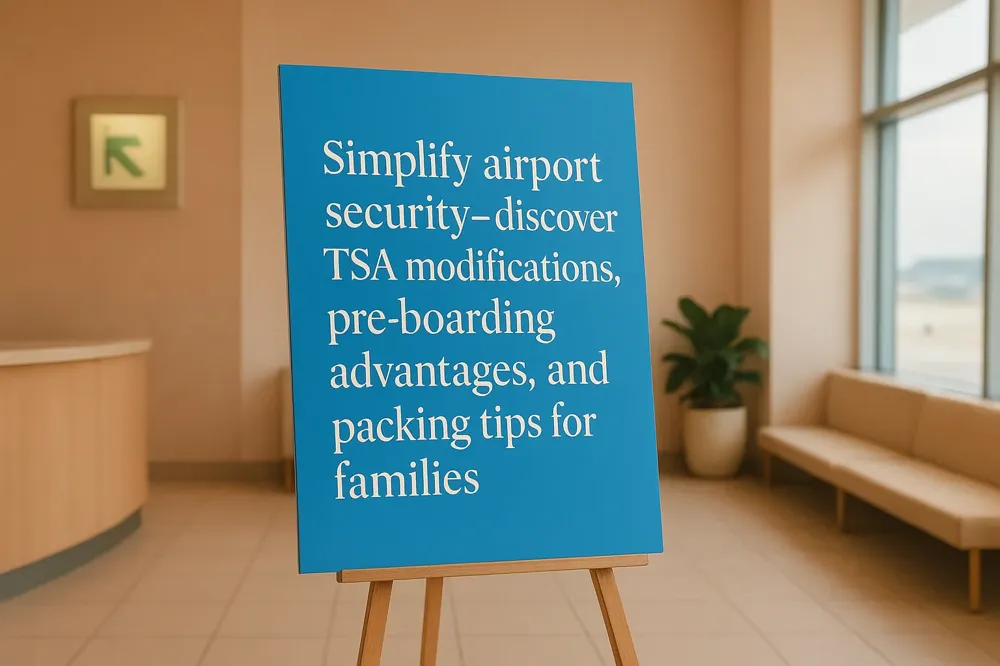
Flying with children requires careful planning to ensure their safety and comfort. Children aged 12 and under benefit from Traveling with children TSA screening, where they can often keep on shoes, jackets, and headwear, making the security process less stressful. Infants under two years old can usually sit on a parent’s lap, but parents may also bring an FAA-approved car seat. Parents should inform TSA staff about any medically necessary liquids such as formula, breast milk, or toddler drinks, which are allowed in quantities greater than 3.4 ounces without needing to fit in the typical quart-sized bag. Many airlines allow families with young children to pre-board, giving extra time to get settled. Essential travel gear like strollers and car seats can typically be checked at the gate for convenience. For international trips, children of all ages must have passports, and safety harnesses (like the FAA-approved CARES device) are recommended on flights for children between 22 and 44 pounds.
What are the TSA screening procedures for children 12 and under?
TSA has separate, Modified screening procedures for children designed to minimize anxiety and discomfort for young travelers. Children 12 and younger often do not need to remove shoes, jackets, or hats. Younger children can be Carrying infants through metal detectors, often accompanying their parent or guardian directly, without separation. If a child sets off the alarm, TSA officers perform less invasive additional screenings to avoid pat-downs whenever possible. Parents should inform TSA of any TSA assistance for medical conditions and disabilities or mobility aids used by the child to receive appropriate assistance during screening.
What liquids are allowed for infants and toddlers during TSA screening?
Liquids such as Carry-on liquids for infants and toddlers including TSA rules for baby food and formula (including purees) are considered medically necessary liquids and may exceed the standard 3.4-ounce limit in carry-on luggage. These liquids do not need to fit inside a quart-sized bag, but parents should carry them in clear containers and inform TSA officers at security checkpoints. These accommodations help parents nourish their children smoothly during flights.
How are FAA-approved car seats and CARES devices used on planes?
For flight safety, children should be secured in Car seats and booster seats for children rather than held on a parent's lap. Car seats must meet FAA regulations and be installed correctly according to manufacturer instructions, avoiding blocking aisles or emergency exits. The CARES harness device is an FAA-approved safety device suitable for children weighing 22 to 44 pounds and under 40 inches tall, offering a lightweight alternative to bulky car seats. These safety systems help protect children during turbulence and flight movements.
What about pre-boarding and carrying essential child travel gear?
Families traveling with children are generally allowed to pre-board to ease the boarding process. This additional time is helpful for installing car seats, settling children, and managing carry-on accessories. Parents can check strollers and car seats at the gate, avoiding the hassle of carrying bulky equipment through the airport. Bringing favorite toys, snacks, and comfort items also helps make the flight less stressful for young travelers.
What identification and documents are required when flying with children?
For domestic flights within the U.S., children under 18 typically do not need to present identification at TSA checkpoints. However, for unaccompanied minors or children flying alone with TSA PreCheck®, ID might be required. It’s always wise for caregivers to verify airline policies in advance. International travel requires passports for children of all ages. Having the child's medical information and contact details readily available can also be important during travel.
How can parents prepare children for security processes to reduce anxiety?
Explaining the airport security steps in advance helps children feel more comfortable and less scared. Demonstrating the process, such as removing items from backpacks or walking through metal detectors, can prepare them for what to expect. Parents should reassure children that TSA officers are there to help and that the process is quick and safe. Bringing familiar items and distractions can keep children calm while waiting through security.
| Topic | Important Details | Tips for Parents |
|---|---|---|
| Traveling with children TSA screening | Modified procedures allow shoes and jackets on for 12 and under | Inform TSA about medical needs; stay close |
| Carry-on liquids for infants and toddlers | Formula, breast milk, baby food over 3.4 oz allowed | Carry liquids in clear bottles; notify TSA |
| Car seats and booster seats for children | Must be installed properly; CARES device approved for certain weights | Reserve seats if needed; use FAA-approved seats |
| Pre-Boarding & Gear | Early boarding for families; strollers and car seats gate-checked | Pack familiar snacks, toys; plan boarding time |
| Identification & Documentation | No ID needed for children under 18 domestically; passports for international travel | Check airline policy; carry medical info |
| Preparing Children | Explain security process; reduce anxiety with familiar items | Practice walkthroughs; bring comfort objects |
Traveling with Infants and Toddlers: Special Considerations
Is it safe to travel by plane with a 6-month-old baby?
Traveling by plane with a 6-month-old infant is generally safe if the baby is healthy and has passed the newborn stage, ideally around two to three months old. Consulting your pediatrician beforehand is essential, especially for babies born prematurely or with health conditions affecting the heart or lungs. During flights, helping your baby relieve ear pressure during takeoff and landing by breastfeeding, offering a pacifier, or a bottle is highly recommended. Using an FAA-approved car seat for flights ensures safe seating, and packing all necessary supplies contributes to a smoother trip.
What should you pack for traveling with infants and toddlers?
Packing essentials includes diapers, wipes, extra clothes, and favorite toys or pacifiers for comfort. Don’t forget medications your child may need, a thermometer, and rehydration solutions like Pedialyte for hydration management. Cooling ice packs for breast milk or formula are allowed through Traveling with children TSA screening, but make sure to notify security officers about these items.
How can hydration and nutrition be managed during trips?
Maintaining proper hydration is critical, especially for young children who are prone to dehydration. Carry plenty of water and familiar snacks, and continue breastfeeding or formula feeding as usual. For toddlers, frequent small meals and snacks help maintain energy and mood.
How to prepare before traveling with infants and toddlers?
A pre-travel pediatric consultation is vital to review vaccinations, discuss any health concerns, and get tailored advice for your destination. Make sure immunizations are up to date and carry the pediatrician’s contact information and a basic travel health kit.
What are good strategies to keep toddlers comfortable and calm on flights?
Bring favorite books, toys, or electronic devices to entertain and distract your toddler during the flight. Plan flight times that coincide with your child's sleep schedule if possible. Explain security and travel procedures with simple words to reduce anxiety. Let children wear comfortable clothing and keep familiar items close to ease stress.
What should parents know about TSA screening for infants and toddlers?
Children 12 and under benefit from Modified screening procedures for children. Children can often keep shoes, jackets, and headwear on, and infants may be carried through metal detectors in carriers or slings. Inform TSA officers about carrying liquids like formula or breast milk in quantities above the standard limit to avoid hassle.
| Consideration | Details | Tips & Recommendations |
|---|---|---|
| Air travel safety | Consult pediatrician; use FAA-approved car seats for flights | Breastfeed or give bottle during takeoff/landing |
| Packing essentials | Diapers, toys, meds, thermometer, rehydration | Notify TSA about liquids like formula (TSA rules for baby food and formula) |
| Hydration & nutrition | Carry water, snacks; continue regular feeding | Use rehydration solutions if child has diarrhea (Traveling safely with infants and children) |
| Pre-travel preparation | Review vaccinations; check child’s health | Carry pediatrician contacts; have a health kit (Traveling with children benefits) |
| Toddler comfort on flights | Distractions, sleep schedule alignment | Explain procedures; bring favorite items (Traveling with children benefits |
| TSA screening | Modified screening procedures for children for under 12s | Infants carried; liquids over 3.4 oz allowed |
Vehicle Safety and Preventing Injuries During Family Travel
How can parents keep their children safe while traveling?
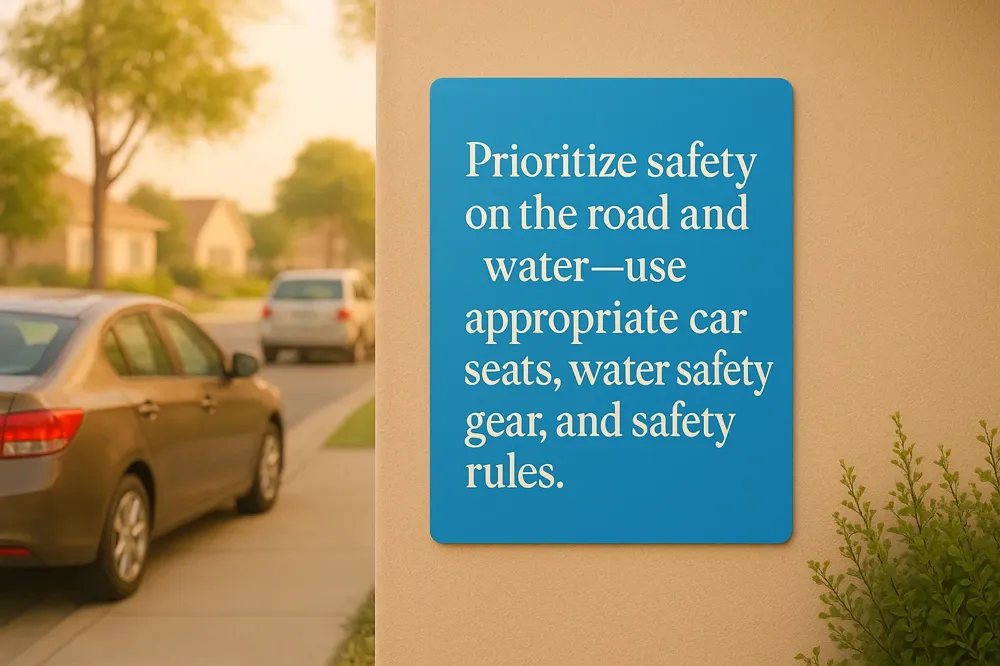
Keeping children safe during travel involves several important steps. First, use the appropriate car seats and booster seats for children based on your child’s age, weight, and height. Infants and toddlers should ride in rear-facing car seats for infants and toddlers as long as possible and must always sit in the back seat to avoid airbag injuries. Never leave children alone in a vehicle since temperatures can rise rapidly, leading to preventing heatstroke by not leaving kids alone in cars or worse.
For air travel, securing children in FAA-approved car seats for flights offers the best protection. Parents should prepare their kids for TSA screening procedures for children to reduce anxiety and make the process smoother.
Water safety guidelines for children is also critical during travel. Close supervision around pools, lakes, or beaches is necessary, along with the use of life jacket use for kids for all water activities. Teaching children about safe behavior around water, and encouraging swimming lessons and personal flotation devices starting as early as age one, further reduces risks.
Parents should establish clear safety rules, such as always wearing helmets during biking or scootering and ensuring children know how to respond if separated from the family in crowded places.
What pediatric travel safety advice should parents follow?
Before traveling, check that your child’s routine childhood vaccinations before travel are up-to-date and speak with your pediatrician about any special health needs. Packing a well-stocked travel first aid kit essentials including medications, rehydration solutions, and a thermometer helps address minor illnesses promptly.
Correct installation and use of car seats are vital. Rental car companies often provide car seats, but parents should inspect them for suitability and condition. Booster seat usage is recommended until a child is about 4'9" tall and between 8 to 12 years old so seat belts fit properly.
Long road trips require breaks every two hours to reduce child restlessness and fatigue. Use snacks, toys, and rest periods to make traveling more comfortable.
When riding bikes or scooters during travel, always ensure that children wear helmet safety for kids to prevent head injuries. Maintain constant supervision especially around water and enforce wearing life jackets and water safety supervision during boating or swimming.
By following these TSA guidelines for traveling with kids and safety measures, parents help reduce the risk of injury and keep their children safe and healthy throughout the journey.
Health Precautions and Medical Preparedness for Traveling Children
What pediatric travel safety advice should parents follow?
Parents traveling with children should always prioritize safety and health to ensure a smooth experience. First, it is essential to use car seats and booster seats for children that fit the child's age, weight, and height correctly. Rear-facing car seats for infants and toddlers should be used as long as possible, and all children under 13 should ride in the back seat. For plane travel, FAA-approved car seats for flights are recommended.
Before any trip, a visit to the pediatrician is crucial. This allows reviewing vaccinations, updating them if needed, and discussing any chronic health issues. It also helps tailor advice for the destination. Keeping a well-stocked first aid kit with items like fever reducers, pain relievers, and oral rehydration solutions for treating diarrhea can prepare families for common ailments.
Parents should prepare children for airport security screening, explaining procedures to reduce anxiety and assure safety, including that children 12 and under receive modified screening procedures for children.
During travel, supervision is key, especially near water or in vehicles. Scheduling regular breaks during road trips helps reduce restlessness and fatigue. Maintaining hydration and packing nutritious snacks supports children’s well-being on the go.
What international travel safety guidelines should parents consider when traveling abroad with children?
International travel with children requires extra preparation. Routine vaccinations must be current, with some vaccines like hepatitis A or typhoid possibly required depending on the destination. Consulting a pediatrician for destination-specific vaccinations and malaria prophylaxis is advisable.
Parents should pack a comprehensive first aid kit featuring prescription medications, antiseptics, motion sickness remedies, and using EPA-registered insect repellents safe for children (containing up to 10% DEET for infants).
Safe eating and drinking practices are vital abroad. Only bottled or boiled water and thoroughly cooked or peeled foods should be consumed to avoid diarrhea—a common travel illness in children. Oral rehydration solutions should be on hand in case of gastroenteritis, with medical care sought if dehydration occurs.
Mosquito protection methods such as treated bed nets, appropriate clothing, and insect repellents are essential in endemic areas to prevent diseases like malaria, dengue, and Zika.
Sun protection strategies include applying broad-spectrum, water-resistant sunscreen with SPF 30 or higher, dressing children in sun-protective clothing, and limiting sun exposure during peak hours. Infants under six months should be kept out of direct sunlight.
Finally, parents should ensure safe accommodations, keep travel documents and medical info accessible, and educate children on personal safety during travel. With this preparation, international travel can be safe, comfortable, and enjoyable for the whole family.
| Topic | Essential Practices | Notes |
|---|---|---|
| Pediatrician Consultation | Review/update vaccinations; discuss chronic health | Tailored advice for travel destination; obtain necessary vaccinations early |
| Medication and First Aid Kit | Carry prescriptions, ORS, pain relievers, antiseptics | Include insect repellents safe for kids; prepare for minor illness and injuries |
| Safe Eating and Hydration | Bottle or boiled water; cooked/peeled foods | Oral rehydration solutions critical for diarrhea management |
| Infection Prevention | Use mosquito nets, repellents, protective clothing | Important in malaria and arbovirus endemic areas |
| Sun Protection | Sunscreens SPF 30+, UPF 50 clothing, hats | Extra caution for infants under 6 months; reapply sunscreen frequently |
| Travel Safety in Vehicles | Use appropriate car seats and booster seats | Follow AAP guidelines; children under 13 ride in rear seats |
| Airport Security Preparation | Inform children about TSA screening; use modified TSA procedures | Helps relieve stress; children under 12 TSA screening do not remove shoes/jackets unless required |
Managing Child Comfort, Behavior, and Safety During Travel
Engaging kids with toys, books, and activities
Keeping children entertained during travel is vital to reduce stress and restlessness. Packing favorite toys, books, and electronic devices ensures kids have familiar distractions. Engaging activities help maintain a positive mood and keep children occupied, especially during long drives or flights. (Holiday travel tips for families)
Maintaining routines for meals and naps
Retaining familiar routines for meals and naps promotes comfort for children traveling. Pre-pack healthy snacks and hydrate often as inconsistent eating can lead to discomfort or fussiness. Scheduled rest breaks and adhering to regular sleep times help children handle changes in environment better. (Maintaining routines on the road
Teaching children safety rules and emergency procedures
Parents should teach children their full names, addresses, and emergency contact numbers. Instruct kids to stay close to trusted adults and avoid strangers offering gifts or rides. If lost, children should remain in place and seek help from store staff or security personnel. Safety rules also include protecting from fire, water, and road hazards with proper supervision and use of safety gear. (Teaching children safety phrases, Fire hazard safety tips for children, Water safety guidelines for children)
Preparing children for new environments and crowds
Explaining what to expect at airports, museums, or crowded places helps children cope with unfamiliar settings. Discuss security processes like scanning backpacks or removing shoes for peace of mind. Preparing them for travel helps reduce anxiety and confusion in busy environments. (Travel safety kit essentials, Airport security procedures for children)
Use of identification bracelets and memorizing contact info
Identification bracelets provide children an added layer of security. Parents should also encourage older children to memorize parent contact numbers and hotel details. This ensures quick assistance if separation occurs. (Using identification bracelets for kids, Memorizing contact info for children
Preparing children for separation scenarios and safe adults to seek help from
Teaching kids to seek help only from uniformed personnel, security staff, or designated safe adults helps prevent unsafe situations. Children should understand not to wander alone and what to do if separated. (Safety tips for air travel with toddlers, Keeping children with parents during screening
Addressing common difficulties traveling with toddlers and young children
The age group from one to two years old tends to be the most challenging for travel. Toddlers have limited understanding, short attention spans, and often experience separation anxiety leading to tantrums. Extra patience, frequent breaks, and comfort items like blankets or pacifiers can alleviate travel stress. (Holiday travel with kids tips, Traveling with children benefits
| Topic | Description | Travel Tip |
|---|---|---|
| Engaging Activities | Toys, books, devices | Pack favorites for familiarity (Holiday travel tips for families |
| Maintaining Routines | Consistent meals and naps | Schedule breaks and stick to sleep times (Maintaining routines on the road |
| Safety Rules | Know contact info, avoid strangers | Teach emergency protocols early (Teaching children safety phrases |
| New Environments | Explain airport/security procedures | Prepare kids for airport checks (Travel safety kit essentials |
| Identification | Bracelets and memorizing contacts | Use ID bracelets, practice numbers (Using identification bracelets for kids |
| Separation Preparedness | Seek trusted adults if lost | Teach kids safe adults and actions (Keeping children with parents during screening |
| Toddlers Challenges | Short attention, anxiety, tantrums | Bring comfort items, plan frequent soothing (Holiday travel with kids tips) |
Documentation and Legal Considerations for Traveling Children
What are the passport and visa requirements for minors?
All children traveling internationally must have a valid passport. Depending on the destination, additional visas might be needed. It's important to check each country’s specific entry rules well before the trip to avoid last-minute issues.
When is a notarized child travel consent form necessary?
Some countries require a notarized child travel consent form when minors travel with just one parent, a guardian, or another adult. This form proves the child has permission to travel and helps prevent unauthorized travel or kidnapping. Although this is generally not required by the U.S., many foreign countries mandate it, especially when the child is not accompanied by both parents. Parents should carry this along with the child’s birth certificate and any custody papers.
What airline policies apply to unaccompanied minors?
Airlines often have rules for children traveling alone or with adults who are not their parents, including requiring a travel consent form. They might charge fees for unaccompanied minor services, where staff assist the child throughout the journey. For domestic trips, children under 18 usually do not need ID, but having a birth certificate or health insurance card is recommended.
Why is it important to carry legal documents like birth certificates and custody papers?
These documents support proof of guardianship and parental consent, which is vital during check-in and at border security. Having these on hand can help avoid delays or denials at immigration or by airline staff, especially when traveling with one parent or a guardian.
What role does the Children’s Passport Issuance Alert Program play?
This government program helps protect children from being taken overseas without parental consent by alerting the State Department when a passport application is submitted for a child under 16. Enrolling can add an extra layer of safety for families concerned about unauthorized travel.
How should parents prepare when children travel with grandparents or other adults?
Proper documentation, such as notarized consent letters and copies of birth certificates, is crucial. Checking airline requirements in advance helps in understanding the rules and fees regarding travel consent. Planning ahead with these legal safeguards ensures a smooth, safe journey for minors traveling with relatives or non-parents.
For more detailed information on Preparing travel documents for children, Traveling with children TSA screening, and Travel safety for children be sure to consult these resources.
Conclusion: Empowering Families for Safe and Enjoyable Travels with Children
Safe Travels Start with Preparation and Care
Ensuring your children’s safety during travel hinges on thorough preparation and adherence to recommended safety practices. From using appropriate car seats and booster seats, vigilant supervision near water, to following TSA’s child-friendly screening protocols, each step reduces risks and promotes comfort.
The Importance of Pediatric Guidance
Consulting with your child’s pediatrician before travel allows you to tailor health precautions and vaccinations specific to your destination, especially for international trips. A pediatric visit can help manage chronic conditions, advise on preventing travel illnesses like malaria and travelers’ diarrhea, and ensure your child’s routine immunizations are up to date.
Stay Alert, Stay Flexible
Traveling can present unexpected challenges. Maintaining vigilance — whether supervising children in busy areas, managing hydration and sun protection, or adapting to new environments — helps safeguard their well-being. Flexibility in itinerary and readiness to respond to your child’s needs contribute to a positive travel experience.
Nurturing Growth Through Travel
Travel with children is not only about safety but also about creating lasting memories, fostering curiosity, and embracing cultural diversity. With well-planned precautions, families can enjoy enriching journeys that inspire children’s development while ensuring their health and safety remain a top priority.