Introduction to Child Safety in Vehicles
The Importance of Car Safety for Children
Car safety is crucial to protect children during vehicle travel. Motor vehicle crashes are a leading cause of death among children in the United States, highlighting the need for proper safety measures.
Risks of Improper Car Seat Use
Improper use or installation of car seats significantly increases the risk of injury or fatality. Nearly half of car seats nationwide are not used or installed correctly, leaving children vulnerable during crashes.
Child Injury and Fatality Statistics
In 2023, 43% of children killed in car crashes were unrestrained. Proper car seat use saved 325 children under 5 years old in one year. These statistics emphasize the life-saving value of correctly using age- and size-appropriate restraints.
Ensuring children are adequately protected with car seats and booster seats according to their age, weight, and height can dramatically reduce injury and death risks while traveling in vehicles.
Choosing the Right Car Seat Based on Age and Size
What types of car seats are recommended by age for children?
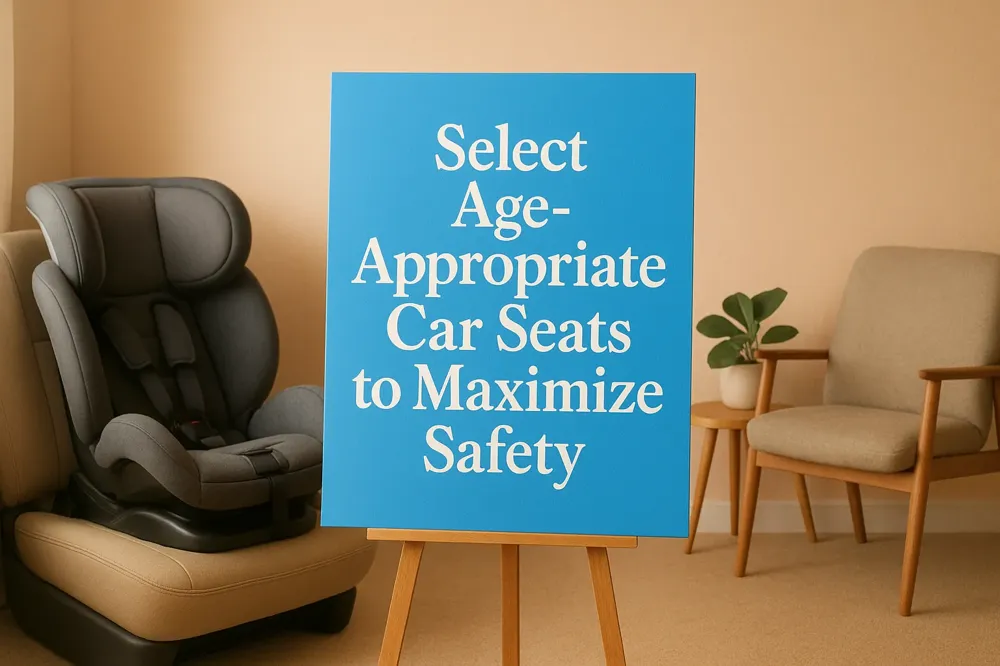
Children's safety in vehicles depends heavily on using the Car seat safety guidelines according to their age, size, and developmental stage. Infants under the age of 1 should always ride in Rear-facing car seats for infants. These seats cradle the child and move with them during a crash, providing optimal protection for the head, neck, and spine. Rear-facing car seats for infants should be used as long as possible, generally until children reach the manufacturer's maximum height or weight limits, often until age 2 or beyond.
Rear-facing, forward-facing, booster seats explained
Once children outgrow rear-facing seats, they should transition to Forward-facing car safety seats with harnesses equipped with tether straps. This stage usually covers children from around 2 to 4 years old, extending until they exceed the seat's designed limits by height or weight. Forward-facing car seats offer a higher level of support as children grow.
Beyond this, Booster seats are recommended for children typically between the ages of 4 and 8. Booster seats help position the vehicle's seat belts correctly over a child's hips and chest, which is crucial for adequate protection in a crash. Children generally continue using booster seats until they are around 4 feet 9 inches tall, which usually happens between ages 8 and 12.
Manufacturer limits for height and weight
Each car seat comes with manufacturer-specified height and weight limits that parents and caregivers should strictly follow. These limits indicate the safest point for a child to transition to the next stage of car safety seat or seat belt usage. Using an inappropriate seat size poses significant safety risks. For more details, consult the Car seat safety guidelines.
Importance of age-appropriate seats for maximum safety
Using age- and size-appropriate car seats dramatically increases children's safety during car trips. In fact, proper car seat use can reduce the risk of death by up to 71% for infants and 54% for toddlers. Adhering to Car seat safety guidelines, and continuing to use each seat type until limits are reached, ensures children have the best protection available at each stage of their growth.
Installation and Use: Ensuring Maximum Protection
Importance of correct installation
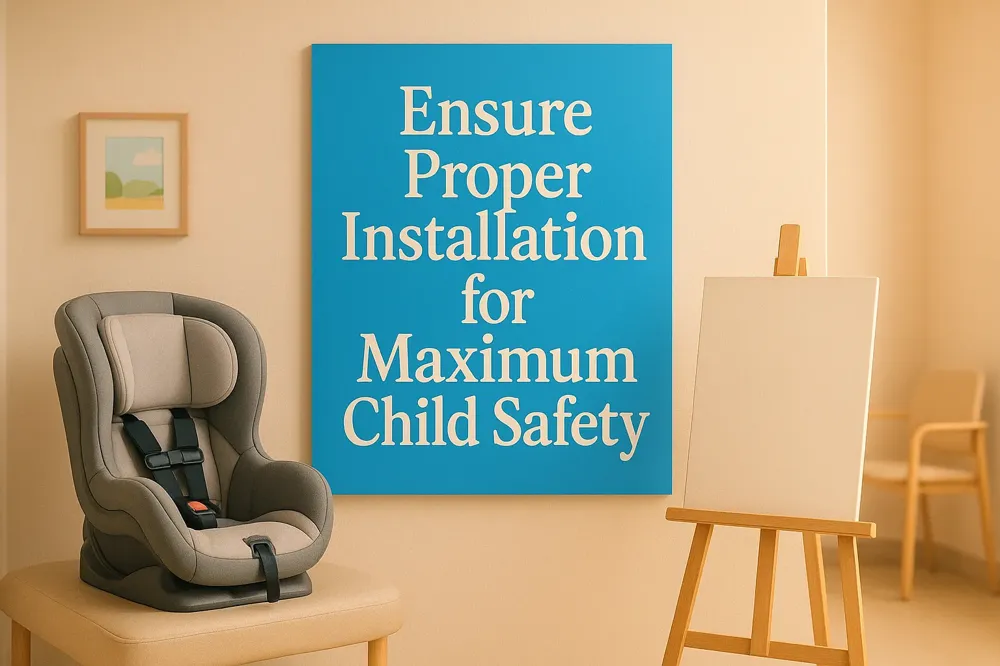
Proper installation of car seats and booster seats is critical to protect children in the event of a crash. A securely installed seat reduces movement and absorbs crash forces more effectively, significantly lowering the risk of injury. Incorrect installation, which affects nearly 46-65% of car seats, can compromise safety and put children at greater risk.
Use of LATCH system and seat belts
Car seats can be installed using either the vehicle’s seat belts or the Lower anchors and tether anchors (LATCH) system. Both methods provide safe restraint when done correctly. The LATCH system is designed to simplify installation and has been standard in passenger vehicles since 2003. However, some vehicles may pose challenges with anchor accessibility, so careful attention to the car and seat manuals is essential.
Role of tethers for forward-facing seats
For forward-facing seats, the use of top tethers is strongly recommended. Tethers anchor the car seat to the vehicle’s tether anchor point and limit forward head movement during a crash, reducing injury risk. Always use tethers if your forward-facing car seat has this feature.
Certified technician inspections and seat registration
Many communities offer free car seat inspection stations staffed by certified child passenger safety technicians. These experts ensure seats are installed and used correctly and can answer specific questions. Registering your car seat with the manufacturer is also crucial to receive recall notices and safety updates, keeping your child's seat current and safe. Find more about car seat safety inspections by certified technicians and car seat registration for recalls.
Common mistakes in car seat use
Common errors include loose installation, incorrect harness adjustment, placing rear-facing seats in front of active airbags, and improper transition between seat stages. Additionally, bulky clothing under harnesses and failure to use booster seats until proper seat belt fit can severely reduce effectiveness. Awareness and education about car seat safety guidelines and proper seatbelt positioning with boosters can help families avoid these mistakes and keep kids safe.
Back Seat Safety and Seating Position
Why the rear seat is safest for children under 13
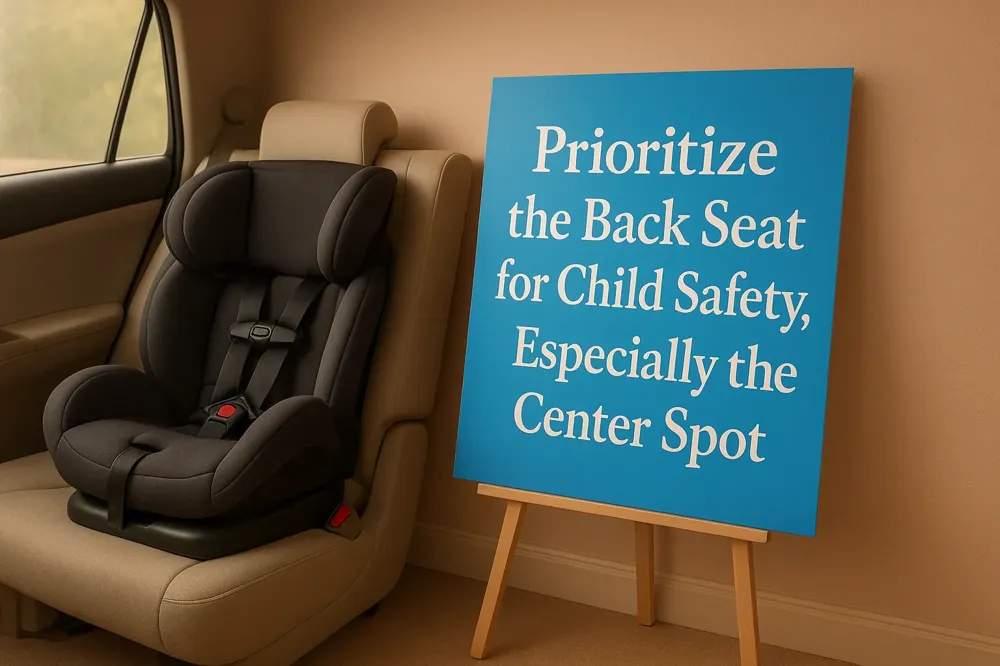
Children under 13 years old are safest when seated in the back seat of a vehicle. This seating position significantly reduces their risk of injury during a crash because it keeps them farther from impact zones and airbags, which are designed for adults and can seriously injure young children. Research shows that children who ride in the back seat have a much lower chance of fatal injuries compared to those in the front. For more information, see Why Kids Under 13 Should Ride in the Back Seat and Back seat safety for children.
Advantages of the rear center seat
Among back seat positions, the rear center seat is the safest spot for children. It offers the greatest distance from the vehicle’s sides, which are vulnerable areas during side collisions. Studies reveal that children in this position experience about 43% less risk of injury compared to those sitting by the rear windows. Installing the child car seat securely in this middle spot further maximizes protection. Learn more at Child Passenger Safety and Rear seat for children under 13.
Risks of front seat travel especially with airbags
Placing children in the front seat poses significant dangers, primarily from airbags. Airbags are meant for adult-sized occupants and can deploy with great force, risking serious injury or death to young riders. A rear-facing car seat in front of an active airbag is especially hazardous. For these reasons, young children should never ride in the front passenger seat. Additional details can be found at Airbag Safety for Children and Airbag safety with rear-facing seats.
Proper seat belt fit guidelines
As children grow out of booster seats and transition to seat belts, correct fit is crucial. A properly fitting seat belt should lie snugly across the upper thighs (not the stomach) and cross the center of the shoulder and chest (not the neck or face). This positioning ensures the seat belt effectively restrains the child and reduces injury risk during a collision. Children should remain in booster seats until they reach about 4 feet 9 inches tall, usually between ages 8 to 12, when seat belts fit properly. For comprehensive guidance, see Proper seatbelt positioning with boosters, Booster seat safety ratings, and Booster Seat Guidelines for Kids.
Parents and caregivers must always use age-appropriate seats, install them correctly, and prioritize back seat travel to protect children on every trip. Additional Car seat safety guidelines and Child car safety tips offer valuable resources.
Booster Seat Requirements and Transitioning to Seat Belts
What are the booster seat requirements for children?
Booster seats are designed to keep children safe after they outgrow forward-facing car seats but before they fit properly into adult seat belts. Children typically need to use booster seats when they are between 4 and 12 years old, particularly when they are smaller than 4 feet 9 inches tall. The booster seat ensures that the seat belt fits properly across the child’s body, positioning the lap belt low on the upper thighs and the shoulder belt across the chest and shoulder—this alignment is essential for effective protection.
In the United States, laws generally require children under 8 years old or shorter than 4 feet 9 inches to be secured in a car seat or booster seat while riding in the back seat. These recommendations come from organizations like NHTSA and the American Academy of Pediatrics, emphasizing the need for the right restraint based on age, height, and weight. Proper installation and use of booster seats dramatically reduce injury risk, and parents are encouraged to seek assistance from certified technicians to ensure the seat is secured correctly.
When can a child safely ride without a booster seat?
Children are ready to stop using a booster seat once the vehicle's seat belt fits them correctly. This proper fit typically happens between ages 8 to 12 or when a child is around 4 feet 9 inches tall. Proper seat belt fit means the lap belt lies snugly across the upper thighs (not the stomach), and the shoulder belt crosses the center of the chest and shoulder without touching the neck or face.
A child failing the seat belt fit test should continue using a booster seat regardless of age. Many safety guidelines recommend that children remain in the back seat until age 13 to protect them from airbag-related injuries. Some states, such as California, have extended the car seat and booster seat requirements up to 16 years old, focusing on proper seat belt fit rather than age alone.
By following these recommendations, caregivers help ensure children are safely restrained, reducing the risk of injury or death in crashes. Ongoing supervision and education about proper car safety practices play an important role in protecting young passengers.
Preventing Common Car-Related Hazards and Injuries
What are some practical tips to keep children safe in the car?
Never leave child alone in car, even for a moment. Cars can heat up quickly, risking Preventing heatstroke in children and even fatal outcomes. Always lock your vehicle and teach children not to play inside or around cars to avoid accidental trapping or injury (Child car supervision tips). Make it a habit to check the back seat every time you exit, using reminders like placing an item or stuffed animal in the seat (Supervision around vehicles). Establish communication plans with caregivers to quickly confirm a child's safe arrival. If you spot a child alone in a vehicle, call 911 immediately to prevent severe harm.
How can parents prevent children from getting car sick?
Car sickness can be prevented by encouraging your child to look out the window at a stable horizon instead of focusing on books or screens. Offering light, bland snacks before traveling and avoiding heavy meals can help avoid nausea. Keep the air fresh using ventilation or AC, and provide distractions like music or singing. Seating your child in a spot with less motion, such as a forward-facing seat, may reduce symptoms. If sickness occurs, safely stopping to allow rest or a walk, and consulting a doctor for persistent issues, can improve comfort during travel.
Why are airbags dangerous for young children?
Air bag risks for children are significant because airbags are designed for adults and teenagers, but when deployed, they can seriously injure or kill younger children, especially if placed in the front passenger seat. For safety, children under 13 should always ride in the back seat, away from active airbags (Why Kids Under 13 Should Ride in the Back Seat).
What accident risks exist around vehicles?
Children face risks like being accidentally run over in driveways (backovers), getting trapped in vehicles, or injuring themselves with moving seats or windows (Preventing backover accidents. Constant adult supervision near vehicles is vital to prevent these accidents (Child car supervision tips.
How can parents supervise to prevent accidents?
Always supervise children around parked vehicles. Double-check that doors are locked and children cannot enter vehicles unsupervised. Teach children car safety rules and monitor them closely in parking areas or driveways (Child car safety tips).
Preventive vigilance and proper safety routines can seriously reduce the risks associated with car travel for children, keeping them safe and healthy during every trip.
American Academy of Pediatrics (AAP) and Other Expert Recommendations
What are the American Academy of Pediatrics (AAP) recommendations for child car safety?
The American Academy of Pediatrics (AAP) strongly advises that children should be secured in AAP car seat recommendations suited to their age, size, and growth stage to minimize the risk of injury and death from automobile accidents, which remain a leading cause of fatality among children over 4 years old in the U.S.
Children under 2 years should remain in rear-facing car seats for infants until they reach the manufacturer's set weight or height limit, often around 40 pounds or more. This position offers optimal protection for an infant’s head, neck, and spine.
Once children outgrow rear-facing seats, typically after the age of 2 or when reaching the seat’s maximum limits, they should transition to forward-facing car seats with harness and tether. Forward-facing seats are recommended for children up to about 65 pounds or as allowed by the seat’s design.
Booster seats are then advised for children until the vehicle’s seat belt fits correctly, usually when a child reaches about 4 feet 9 inches tall and is between 8 and 12 years old. Proper seat belt fit means the lap belt lays snugly across the upper thighs and the shoulder belt crosses the chest without touching the neck or face.
Throughout all stages, children younger than 13 years should ride in the back seat to reduce risk from airbags and provide the safest seating position (car safety for children).
How much should a baby weigh to safely transition to a forward-facing car seat?
Babies should remain rear-facing until they reach the highest weight or height limits defined by their car seat’s manufacturer, which is commonly around 40 pounds (child car safety tips. Although many toddlers outgrow rear-facing seats between 9 and 18 months, experts encourage keeping children rear-facing as long as possible within these limits for increased safety.
Once these thresholds are surpassed, the child can safely transition to a forward-facing car seat with a harness and tether system. It is crucial always to consult the specific car seat manual and comply with local laws to ensure the safest transition point (car seat installation methods).
Emphasis on Installation and Harness Use
Proper installation and secure use of harnesses and tether straps in car seats drastically reduce injury risks by limiting movement during crashes. Guidelines emphasize installing seats tightly, ensuring harnesses fit snugly at or below the child's shoulders for rear-facing seats, and at or above for forward-facing seats, with chest clips positioned at armpit level (car seat safety guidelines.
Importance of Ongoing Safety Checks and Seat Registration
Registering car seats with manufacturers is vital so caregivers receive timely safety updates and recall notifications (car seat registration for recalls. Seeking help from certified child passenger safety technicians for installation checks ensures seats are used correctly for maximum protection (car seat safety inspections by certified technicians.
Parents and caregivers are encouraged to consistently review car seat safety guidelines as children grow, maintain seat integrity, and update seats as needed to keep pace with the best safety practices.
Final Safety Reminders for Parents and Caregivers
Final Safety Reminders for Parents and Caregivers
Ensuring children’s safety in cars calls for following several important practices. Always use age and size-appropriate car seats — from rear-facing seats for infants to booster seats for older kids until seat belts fit properly. Keep children in the back seat until at least age 13 to avoid dangers from airbags.
Proper installation is just as critical: use harnesses and tethers correctly, and have your car seat inspected by certified technicians when possible. Never leave children alone in parked cars due to heatstroke risk and vehicle hazards.
For ongoing support, many resources exist nationwide, including child seat inspection stations, safety education programs, and recall alerts from car seat manufacturers. Staying informed and vigilant can dramatically reduce the risk of injury and help keep your children safe on every trip.