Introduction to Childhood Immunization Importance
Protecting Children from Serious Diseases
Immunizations are one of the most effective ways to shield children from serious and potentially deadly diseases such as measles, pertussis (whooping cough), influenza, COVID-19, and respiratory syncytial virus (RSV). These vaccines, recommended from birth through adolescence, help prevent infections that once caused significant illness and even death in children.
Building Community Protection
Vaccinating children not only protects them individually but also contributes to community immunity, often called herd immunity. When most children are vaccinated, the spread of contagious diseases slows down, protecting those who cannot receive certain vaccines due to health conditions or age. This collective defense helps keep schools and communities safer.
Strengthening the Immune System
Vaccines work by teaching the immune system to recognize and combat specific pathogens. They contain weakened or inactivated components of the disease-causing germs that trigger the body to build defenses without causing illness. By strengthening the immune system early in life, vaccines prepare children to fight infections effectively and reduce the risks of outbreaks.
Understanding these important benefits underscores why following an immunization schedule is crucial to keeping children healthy and communities safe.
Understanding the Recommended Vaccine Schedule for Children in the US
What is the CDC’s official immunization schedule for children?
The CDC provides a comprehensive Child and Adolescent Immunization Schedule for children aged 0 to 18 in the US. It starts at birth, recommending the first dose of the hepatitis B vaccine within 24 hours to protect newborns from serious liver infections.
What vaccines are recommended during infancy and early childhood?
Infants routinely receive vaccines at 2, 4, and 6 months, including DTaP (diphtheria, tetanus, pertussis), Hib (Haemophilus influenzae type b), IPV (polio), rotavirus, pneumococcal, and additional hepatitis B doses. Between 12 and 15 months, children receive the first doses of MMR (measles, mumps, rubella), varicella (chickenpox), and hepatitis A. See the full Childhood Immunization Schedule for detailed timing.
What vaccines are important during preschool and junior school years?
By 4 to 6 years old, children get booster doses - the final DTaP, IPV, as well as their second MMR and varicella vaccines, which reinforce immunity before school entry. More information is available on the CDC Immunization Schedule for Children and Adolescents.
What are key vaccines for preteens and teens?
Preteens aged 11 to 12 are recommended to receive vaccines including HPV (human papillomavirus) to protect against certain cancers, Tdap booster, meningococcal conjugate vaccine (MenACWY), and annual influenza shots. Some may also receive MenB and COVID-19 vaccines depending on risk factors. For further guidance, refer to the AAP Recommended Immunization Schedule.
Why is it important to follow the updated, tailored vaccine schedules?
Following the CDC's updated Child and Adolescent Immunization Schedule ensures that children receive vaccines at the right ages for maximum effectiveness. The schedules are tailored based on age and health status, including Catch-up Immunization Schedule for Children for late starters. Timely vaccination helps protect not only the individual child but also supports community immunity that prevents outbreaks.
Ensuring your child stays current on these vaccinations is vital to protecting them from serious, sometimes life-threatening diseases, and maintaining public health throughout childhood and adolescence. For more support and information, visit Childhood Immunizations and Adolescent Vaccinations in New York State.
The Number of Vaccines Children Typically Receive and Why They Matter
How Many Vaccines Does a Child Typically Receive in Their Lifetime?
Children in the United States usually receive between 14 and 22 vaccines from birth through adolescence. The recommended immunization schedule includes vaccines protecting against diseases such as chickenpox, hepatitis A and B, HPV, meningococcal infections, influenza, and COVID-19 (Child and Adolescent Immunization Schedule).
Why Are Multiple Doses and Boosters Important?
Most vaccines require multiple doses to build strong, lasting immunity. For example, vaccines like DTaP and HPV are given in several doses spread over years, including boosters during adolescence. This approach ensures continuous protection as the child grows and their immune system develops (AAP Recommended Immunization Schedule).
How Has the Vaccine Schedule Evolved?
The childhood immunization schedule has expanded over time to include vaccines for newer or previously underestimated threats. Diseases like HPV and COVID-19 were added due to evolving health concerns, improving overall protection for children and teens. Annual flu shots and additional vaccines for high-risk groups further enhance safety (CDC Immunization Schedule for Children and Adolescents.
This carefully structured schedule offers children layered protection, preventing serious illnesses and contributing to community health by reducing disease spread (Childhood Immunizations).
Vaccination for Teens: Key Immunizations for Adolescents
What vaccines are recommended for teenagers?
For teens in the United States, staying protected with vaccinations is essential as their bodies and social environments change. Key vaccines recommended by the CDC immunization schedule for children and adolescents include:
- Tdap booster: Protects against tetanus, diphtheria, and pertussis (whooping cough). This booster is typically given at age 11 or 12.
- HPV vaccine: Prevents human papillomavirus infections, which can lead to cancers such as cervical, throat, and genital cancers. The HPV vaccine series starts in early adolescence.
- Meningococcal vaccines: Provide protection against meningitis and bloodstream infections caused by meningococcal bacteria. Teens receive the MenACWY vaccine around age 11-12 with a booster at 16 and may also get the MenB vaccine depending on health or risk factors.
Why are annual flu shots and COVID-19 vaccines important?
Annual influenza vaccination is recommended for all adolescents starting at 6 months of age due to the flu's contagious nature and potential severity. Additionally, COVID-19 vaccines remain important for teens, especially those with certain health conditions or increased exposure. Boosters may be advised based on age and vaccination history, as outlined in the Childhood vaccine schedule.
The importance of booster doses
Booster doses refresh immunity, maintaining protection as the effect of some vaccines can diminish over time. For example, the Tdap booster in adolescence ensures ongoing defense against pertussis and tetanus. Similarly, meningococcal vaccine boosters help extend meningitis protection through the teenage years when risk is higher. More detailed guidance can be found in the Catch-up immunization schedule for children.
Role of healthcare providers in personalized teen vaccine plans
Every teen's vaccine needs can vary. Healthcare providers play a crucial role by reviewing vaccination histories and advising on catch-up doses or additional vaccines based on personal health, travel plans, or outbreak risks. Regular check-ups offer an opportunity to discuss vaccine updates and ensure that teens are fully protected as they grow. For healthcare providers, resources like the CDC vaccine guidance for healthcare providers provide comprehensive support.
Keeping teens up-to-date on vaccinations not only safeguards their health but also supports broader community immunity, helping prevent outbreaks of serious diseases. Additional insights on vaccine recommendations and safety are available through the AAP recommended immunization schedule.
Evolution of the Childhood Vaccine Schedule: 1970 to Present
How has the vaccine schedule for children changed from 1970 to 2024?
Since 1970, the Child and Adolescent Immunization Schedule in the United States has undergone remarkable expansion and refinement. Initially focused on a handful of vaccines, the schedule now includes protection against many additional diseases, such as hepatitis B, Haemophilus influenzae type b (Hib), varicella (chickenpox), rotavirus, and pneumococcal infections. These new vaccines were introduced as scientific advances identified severe childhood illnesses that could be prevented.
In an effort to reduce the number of injections and increase vaccination compliance, combination vaccines like DTaP (diphtheria, tetanus, pertussis), MMR (measles, mumps, rubella), and Tdap have been developed and integrated into the schedule.
Further innovations led to the introduction of vaccines targeting meningococcal disease and human papillomavirus (HPV), providing crucial protection during adolescence. More recently, vaccines for COVID-19 and respiratory syncytial virus (RSV) have been added to address emerging viral threats.
The CDC Immunization Schedule for Children and Adolescents, in partnership with other health organizations, updates the immunization schedule annually. These updates reflect ongoing research insights, newly licensed vaccines, and evolving public health priorities.
Thanks to these continuous advancements in vaccination, many serious childhood diseases that once caused significant illness and death have dramatically declined. This underscores the critical role immunization plays in safeguarding children's health across generations.
The Importance of Timely Vaccination and Risks of Delays
Why adhering to the vaccination schedule is critical
Vaccination schedules are designed to protect children at the earliest and most vulnerable stages of life. Each vaccine is timed to boost the immune system when children are most susceptible to specific diseases. Sticking to the schedule ensures that children receive protection right when they need it most, preventing infections before they can occur.
Risks associated with delaying vaccines
Delaying vaccines is generally not safe or advisable. Postponing shots leaves children unprotected and vulnerable to serious, potentially life-threatening illnesses. These include diseases like measles, whooping cough, and influenza. Delays also increase the chance of outbreaks within communities, affecting others who cannot be vaccinated.
Scientific rationale behind timing of doses for optimal protection
Vaccines are given at intervals based on how the child’s immune system develops and how the body responds to each dose. The timing maximizes immune memory and response effectiveness. Spacing vaccines or postponing them can reduce their effectiveness and prolong vulnerability to diseases.
Availability of catch-up vaccination plans to address missed doses
For children who miss or start vaccines late, healthcare providers use catch-up schedules with specific minimum intervals between doses. These plans ensure children eventually get full protection without restarting the series, effectively closing immunity gaps.
Healthcare provider role in educating families and implementing catch-up
Healthcare professionals play a crucial role by educating parents on the importance of following the schedule and addressing concerns. They also personalize vaccination plans and implement catch-up schedules when necessary to protect each child's health.
| Topic | Why It Matters | Key Points |
|---|---|---|
| Adherence to Schedule | Ensures timely immunity | Protects vulnerable periods; prevents outbreaks |
| Risks of Delay | Increases disease susceptibility | Leaves child vulnerable; risks community health |
| Scientific Timing | Maximizes immune response | Based on immune system development and vaccine data |
| Catch-Up Vaccination | Fills gaps if schedule missed | No need to restart series, but follow minimum intervals |
| Healthcare Provider Role | Guides and supports vaccination | Educates families; personalizes vaccine plans |
Maintaining the recommended vaccination schedule is the most effective way to protect children and their communities from preventable diseases.
Understanding Catch-Up Vaccination Guidelines
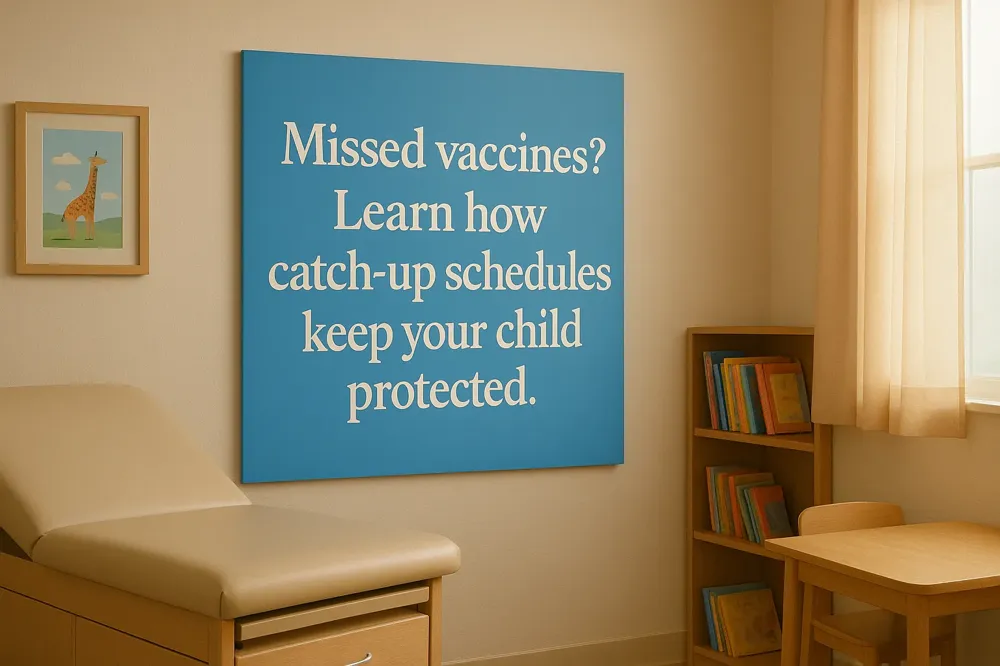
What are the guidelines for catch-up vaccination schedules if a child has missed doses?
The CDC offers detailed Catch-up immunization schedule for children tailored for children and adolescents aged 0-18 who have missed or started vaccines late. These schedules help healthcare providers administer missed doses safely and effectively, ensuring that each child achieves full protection from vaccine-preventable diseases.
Minimum intervals and age requirements for catch-up doses
Catch-up guidelines specify the minimum ages at which doses can be given and the minimum intervals between doses. These rules apply to many vaccines, including DTaP, Hib, MMR, Varicella, HPV, and meningococcal vaccines. Following these intervals guarantees that the immune system responds adequately without needing to restart the entire vaccine series.
No need to restart vaccine series due to delays
One reassuring principle is that vaccine series do not need to be restarted even if the child is significantly behind schedule. Instead, providers follow recommended minimum intervals and continue from the last dose given. This approach avoids unnecessary vaccinations while ensuring timely and complete protection.
Assessment of medical conditions and contraindications in catch-up planning
Healthcare providers evaluate each child’s medical history and current health status when planning catch-up vaccines. Special attention is given to Vaccination Contraindications and Precautions, such as allergies or immunocompromising conditions, to tailor the catch-up plan safely and effectively.
Importance of consulting healthcare providers to ensure full protection
Parents and caregivers are encouraged to consult healthcare professionals to review vaccination records and establish an appropriate catch-up schedule. Regular assessment and communication with providers help maintain adherence to guidelines and ensure children receive full immunization benefits.
By following CDC catch-up vaccination guidance and consulting trusted healthcare providers, children who miss timely vaccinations can still be protected against serious, potentially deadly diseases.
Common Questions About Vaccine Timing and Safety
Is spacing out vaccines over a longer period beneficial or harmful for children?
Spacing out vaccines beyond the recommended schedule is generally safe but not beneficial. It can leave children unprotected longer, increasing their risk of serious diseases. The schedules by the American Academy of Pediatrics childhood vaccine schedule and the CDC Immunization Schedule for Children and Adolescents are carefully designed to offer optimal protection when a child's immune system is developing.
Safety of administering multiple vaccines in a single visit
Administering multiple vaccines in one visit is safe and effective. Children's immune systems can handle several vaccines simultaneously without harm or overload, as each vaccine’s components are thoroughly tested for safety and efficacy.
What does scientific evidence say about vaccine ingredients and their impact on the immune system?
Vaccines contain either weakened or inactive components that safely teach the immune system to recognize and fight diseases without causing illness. There's no evidence vaccines overwhelm or damage children's immune systems.
Addressing common vaccine safety concerns, including myths about autism
Extensive research confirms vaccines do not cause autism or severe health problems. Mild side effects like soreness or low-grade fever are typical, while serious adverse reactions are exceedingly rare.
What are typical side effects of vaccines and how common are serious reactions?
Common side effects include redness, swelling, or slight fever—all transient and mild. Serious reactions are very rare, and the benefits of vaccination vastly outweigh these risks.
This guidance supports parents and caregivers in making informed decisions, emphasizing timely vaccination as crucial for child health and community protection.
Where to Find Reliable, Up-to-Date Immunization Information
Where can parents find the current official immunization schedule for children and teens?
Parents looking for the most current and official immunization schedule for children and adolescents can find it directly on the Child and Adolescent Immunization Schedule from the Centers for Disease Control and Prevention (CDC) website. The CDC offers comprehensive vaccine schedules covering ages 0 to 18 years, updated regularly with the latest medical guidelines, including the newest vaccines and dosing intervals. The schedule reflects scientific advances and public health priorities, with the most recent update published in October 2025.
What resources are available to support parents and healthcare providers?
Besides detailed immunization charts and guidelines for healthcare professionals, the CDC provides parent-friendly guides that explain vaccine recommendations in accessible language. These tools help parents understand the timing and importance of each vaccine, catch-up schedules for children who have fallen behind, and information on vaccine safety. For more information, parents can consult CDC Resources for Healthcare Professionals and Keeping Track of Your Child’s Immunization Schedule.
How do trusted organizations contribute to immunization guidance?
Reputable organizations like the CDC and the American Academy of Pediatrics (AAP) play a critical role in developing and endorsing the immunization schedule. Their collaboration ensures that recommendations are evidence-based and tailored to protect children effectively. Annual updates from these groups incorporate new research findings and changes in disease prevalence. For detailed schedules and guidance, see the AAP Recommended Immunization Schedule and American Academy of Pediatrics vaccine recommendations.
What additional support is available to help parents track immunizations?
To assist families in keeping vaccination records up to date, the CDC and related entities offer immunization tracking resources, registries, and reminders. These services empower parents to maintain timely vaccinations, critical for protecting children against serious illnesses. Useful resources include Immunization Tracking and Scheduling Support and CDC Vaccine Guidance for Healthcare Providers.
Accessing these trusted sources ensures parents have accurate, current information and practical tools to safeguard their child’s health through vaccination.
Keeping Track and Communicating With Your Child’s Healthcare Provider
Why Talk About Vaccinations at Every Checkup?
Discussing your child's immunization schedule for children and teens at every well-child visit is crucial. It ensures your child is receiving vaccines at the right times and helps catch any missed shots early. This regular conversation with your healthcare provider supports timely protection against illnesses.
The Role of Accurate Immunization Records
Keeping accurate immunization records is essential for tracking which vaccines your child has received and when. Well-maintained records facilitate smooth healthcare visits and are often required for school entry or daycare enrollment. For more details, see Keeping records of immunizations.
Combination Vaccines: Fewer Shots, Same Protection
Combination vaccines like DTaP, MMR, and Vaxelis reduce the number of injections your child needs. This approach lowers anxiety for both child and parent while providing comprehensive protection against multiple diseases in fewer visits.
Understanding Vaccine Timing From Birth to Young Adulthood
Vaccines are administered according to a carefully designed Child and Adolescent Immunization Schedule tailored to each age group. Starting with hepatitis B at birth, vaccines continue through infancy, early childhood, and adolescence. Key vaccines include DTaP, Hib, MMR, varicella, HPV, Tdap, and meningococcal vaccines. Annual flu shots and COVID-19 vaccines are also part of ongoing care.
Personalized Vaccination Plans and Support
Healthcare providers assess your child's health, age, and special circumstances, such as medical conditions or travel plans, to tailor vaccination schedules. They are your resource for answering questions, addressing concerns, and helping you understand the importance of staying up to date on immunizations.
Maintaining open communication and staying organized with vaccination records play critical roles in protecting your child's health throughout their development.
Ensuring Lifelong Protection Through Timely Immunizations
The Importance of Following the Immunization Schedule
Timely vaccinations are crucial in protecting children and adolescents from serious and potentially deadly diseases such as measles, pertussis, and influenza. The immunization schedule, endorsed by trusted organizations like the CDC and the American Academy of Pediatrics, is carefully designed to match a child’s immune system development and risk levels. Staying on schedule ensures vaccines work effectively to build strong and lasting immunity.
Guidance and Catch-Up Plans for Parents
Parents are encouraged to maintain regular conversations with their child's healthcare providers to confirm that vaccinations are up to date. For children who miss a dose or start late, healthcare professionals offer flexible catch-up schedules that do not require restarting the vaccine series. This tailored approach helps ensure every child achieves full protection regardless of timing.
Protecting Both Individual and Community Health
Vaccinating children does more than safeguard them individually—it contributes to community immunity, which reduces disease spread and protects vulnerable populations unable to get vaccinated. High vaccination coverage among children lowers outbreaks and helps maintain public health safety.
By following vaccination recommendations, parents provide essential defense for their children and promote healthier communities for everyone.