Introduction: Why Summer Camp Health Matters
Preparing children for summer camp is more than packing bags and planning activities—it's about ensuring their health and safety for a fun and worry-free experience.
A pediatric healthcare provider plays a crucial role in this preparation by conducting pre-camp checkups. These visits confirm your child's vaccinations are up to date and help manage any chronic conditions like asthma or allergies, setting the stage for a safe time at camp.
Summer camps offer wonderful benefits, such as boosting physical activity, social skills, and mental well-being. However, they also carry health risks, from sun exposure and insect bites to common infections. Understanding these helps parents and kids take proactive steps toward staying healthy and happy all summer long.
Preparing for a Healthy Summer Camp Experience
How can parents prepare their children for summer camp?
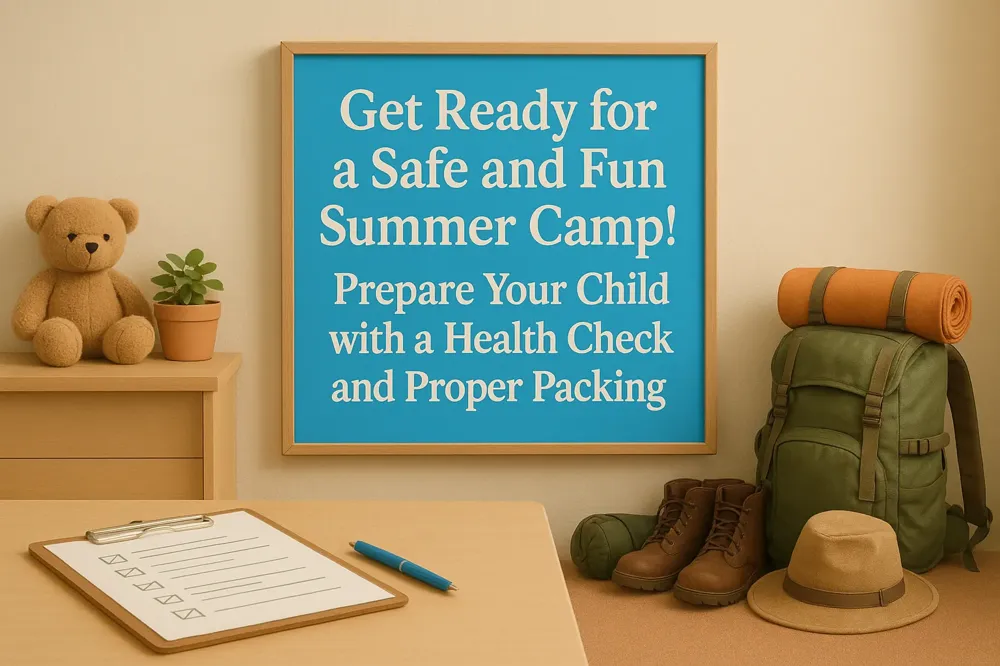
Parents play a vital role in preparing their children for a safe and enjoyable summer camp experience. First, scheduling a pre-camp health checkup with a pediatric provider ensures children are healthy, allergies are managed, and vaccinations are updated. This visit offers a chance to review any managing chronic conditions before camp like asthma, diabetes, or allergies, and to develop emergency action plans that can be shared with camp staff.
Good communication between parents and camp staff is crucial. Make sure to inform the camp about your child's medical needs, medications, allergy action plans and epinephrine use, and other special requirements. Providing clear instructions and labeling medications properly supports children’s safety and independence.
[packing a well-stocked camp bag] is essential. Important items include prescribed medications, applying broad-spectrum sunscreen (SPF 30 or higher), using insect repellent, hand sanitizer, masks, water bottles for hydration, and basic first aid supplies like bandages. Teaching good hygiene habits helps children handle minor health issues during camp.
Preparing your child emotionally by discussing camp routines and summer camp health tips reduces anxiety and helps them feel confident. Highlighting the fun aspects of camp will encourage enthusiasm and excitement.
In summary, a combination of pre-camp checkup, clear communication, essential supplies, and emotional readiness will help your child have a healthy, safe, and unforgettable summer camp adventure.
Preventing Common Summer Illnesses and Injuries at Camp
What common illnesses affect children during the summer?
Summer brings a rise in illnesses among children, with Enteroviruses causing summer colds being particularly common. These viruses cause symptoms similar to the cold, including fever, sore throat, and the distinctive rash seen in Hand foot and mouth disease. Highly contagious, they spread through respiratory droplets and contaminated surfaces, making frequent hand washing before eating and good hygiene habits for children crucial.
Besides viral infections, summer also poses risks such as sunburn, heatstroke, dehydration, food poisoning, and Lyme Disease at Camps transmitted by ticks during outdoor activities. Though most illnesses are mild, serious complications like myocarditis or meningitis from enteroviruses and severe dehydration can occur without proper care.
How can infections be prevented at camp?
Preventing infections at camp starts with up-to-date vaccinations and continuous education on hand washing to prevent disease. Teaching children not sharing personal items and covering coughs and sneezes can reduce illness spread. Using insect repellent prevents vector-borne diseases like Lyme disease.
What are common injuries and health problems at summer camps?
Injuries such as falls causing bruises or fractures, cuts, and scrapes are frequent due to active outdoor play. Insect bites and stings prevention, skin rashes, sunburn, and heat exhaustion are also common and can impact a child's health and camp experience.
How can sunburn and heat exhaustion be prevented?
Applying broad-spectrum sunscreen with at least SPF 30 before outdoor activities and reapplying sunscreen every two hours helps protect from sunburn. Encouraging shade breaks and wearing light-colored, breathable clothing reduces heat exposure. Recognizing early signs of heat exhaustion like dizziness or nausea ensures timely intervention. See heat safety tips for children for detailed guidance.
Why is hydration and food safety important at camp?
Hydration is vital as children lose fluids quickly during active, warm days. Encouraging regular water intake through using personal water bottles prevents dehydration. Food safety is equally important; proper food handling and temperature control reduce risks of foodborne illnesses common in summer settings.
By following these precautions, parents and camp staff can significantly reduce the risks of illness and injury, promoting a safe and healthy camp experience for all children.
Heat and Sun Safety: Protecting Kids in the Summer Sun
What are the key safety tips to protect kids during summer heat?
Protecting children from the summer heat starts with appropriate clothing. Kids should wear loose-fitting, lightweight, and light-colored clothes, along with hats and sunglasses to shield their skin and eyes from harmful UV rays. Applying broad-spectrum sunscreen with at least SPF 30 to 50 is essential, and it should be reapplied every two hours or immediately after swimming or sweating.
Frequent hydration is critical. Encourage children to drink water regularly throughout the day to avoid dehydration, especially during vigorous outdoor activities. Hydration tips for kids should be planned to keep kids refreshed and safe.
Setting up shaded rest areas allows children to cool down and avoid prolonged sun exposure. Scheduling outdoor activities in the cooler parts of the day — such as early morning or late afternoon — can reduce the risk of heat-related illnesses.
It's equally important to educate children and caregivers on recognizing early symptoms of heat exhaustion and heat stroke in children. Signs include dizziness, headache, nausea, fatigue, muscle cramps, and flushed skin. Prompt response to these symptoms helps prevent serious complications.
Supervision during camp or outdoor play ensures children follow safety measures and get timely help if any heat-related symptoms appear. These combined strategies help create a safe and enjoyable summer experience for kids.
Hygiene and Disease Prevention at Summer Camp
Teaching Good Hand Hygiene and Avoiding Sharing Personal Items
Good hygiene is essential for preventing illness at camp. Children should be taught to hand washing before eating and after using the restroom. Avoiding the sharing of personal items like hats, towels, and utensils reduces the spread of germs and skin infections.
Proper Food Handling and Safe Snack Packing
Parents and camp staff should ensure that snacks and meals are packed and stored safely to prevent Preventing foodborne illnesses. Using insulated containers and keeping foods at the right temperature helps reduce the risk of contamination during outdoor activities.
Using Insect Repellents and Performing Tick Checks
Applying applying insect repellent, especially those containing DEET, before outdoor activities helps protect children from mosquito and tick bites, which can transmit diseases like Lyme disease. Conducting nightly nightly tick checks, particularly in wooded or grassy areas, is critical for early removal and prevention.
Preventing and Managing Communicable Diseases in Camp Settings
Camp environments can foster the spread of viruses and bacteria. Camps should enforce policies promoting frequent Hand Washing to Prevent Disease, proper cough etiquette, and isolation of sick children. Cooperation between camp staff and local health departments ensures quick management of potential outbreaks.
Importance of Camp Health Policies and Collaboration with Pediatric Providers
Parents should inform camp staff about their child’s health conditions and provide emergency action plans when necessary. Pre-camp checkup with pediatric providers keep vaccinations current and chronic conditions like asthma well-managed. This coordination supports a safer camp experience for all children.
By focusing on these hygiene and disease prevention practices, parents and camps can work together to keep kids healthy and safe throughout their summer adventures.
The Role of Summer Camp in Child Development and Well-Being
How do summer camps impact child development?
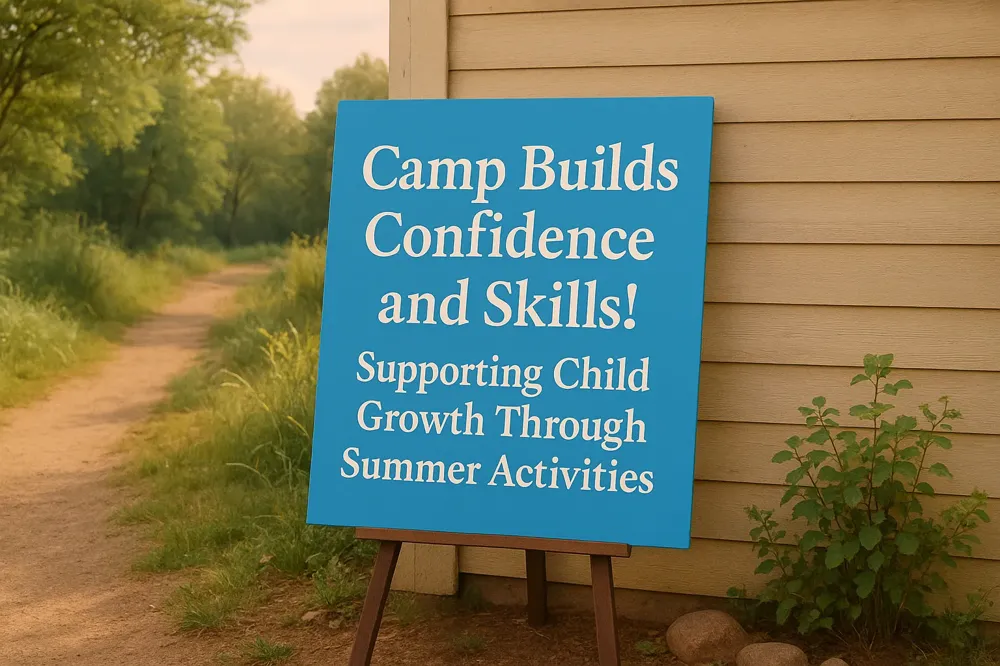
Summer camps offer children a unique setting to grow physically, socially, and emotionally. Physical activity is a core part of camp life, encouraging kids to be active for at least 60 minutes daily. This helps prevent childhood obesity and promotes overall fitness through games, sports, and outdoor adventures.
Socialization is another vital aspect. Camps provide opportunities to build friendships, develop teamwork, and practice communication skills. These interactions foster emotional resilience, helping children manage challenges like homesickness and separation anxiety with support from caring staff.
Beyond social skills, camps nurture independence. Kids learn new skills, gain confidence, and take responsibility for themselves in a safe environment, building a foundation for future success.
Camps also help reduce screen time by engaging children in hands-on activities, from creative arts to STEM challenges. Nutrition is supported by well-planned meals and snacks that teach healthy eating habits.
Managing homesickness and emotional adjustment is a focus at camp, with strategies like familiar comfort items and open communication helping children adapt and thrive during their stay.
Conclusion: Ensuring a Safe and Enjoyable Summer Camp
Summer camp is an exciting time for children that comes with important health and safety considerations.
Ensuring children have a pre-camp checkup, updated vaccinations, and proper management of chronic conditions helps prepare them for a healthy experience. Teaching good hygiene, sun protection, hydration, and insect bite prevention reduces illness and injuries.
Ongoing communication between parents, children, and camp staff is vital. Sharing health needs, emergency plans, and daily updates builds trust and safety.
Supporting children emotionally, helping them prepare for separation, and encouraging independence fosters a confident and positive camp experience. With planning and care, camp can be both safe and fun, creating lasting benefits for kids' health and growth.