Understanding Concussions: What Every Parent Should Know
What Is a Concussion?
A concussion is a mild traumatic brain injury caused by a blow, bump, or jolt to the head or body. This sudden force makes the brain move quickly inside the skull, temporarily disrupting normal brain function. It is important to know that a concussion can happen without losing consciousness.
Common Causes of Concussions in Kids and Teens
Concussions mostly happen during everyday activities like sports (football, soccer, hockey), biking, skateboarding, or even simple falls at home or playgrounds. Children under 4 and teenagers are particularly at risk due to their active lifestyles and risk-taking behaviors.
Symptoms and Signs to Watch For
Symptoms can include headaches, dizziness, nausea, confusion, difficulty concentrating, memory problems, irritability, fatigue, and sensitivity to light or noise. Very young children may show unusual behavior like excessive crying or disinterest in their favorite activities.
Why Immediate Medical Evaluation Matters
If a child hits their head or experiences a potential concussion, they should be immediately evaluated by a healthcare professional. Early diagnosis helps guide treatment, usually rest, and prevents further injury. Watch carefully for worsening signs such as repeated vomiting, severe headache, weakness, or confusion, which require emergency care.
Being informed and attentive can make all the difference in protecting your child’s brain health and helping them recover safely.
Recognizing and Responding to Concussion Symptoms in Children
Signs and symptoms of concussions
Concussions are mild traumatic brain injuries caused by impacts or jolts to the head or body that disrupt brain function temporarily. Children with concussions may experience symptoms like headache, dizziness, nausea, balance problems, confusion, memory difficulties, and irritability. Other common signs include fatigue, sensitivity to light or noise, vision changes, mood swings, and difficulty concentrating. These symptoms could appear immediately or within a few hours to days after the injury.
When to seek immediate medical attention
Certain symptoms after a head injury require prompt emergency care. These include worsening headache, repeated vomiting, confusion, difficulty walking or talking, seizures, numbness or weakness, slurred speech, unequal pupil size, loss of consciousness, or sudden behavioral changes. If any of these signs are observed, caregivers should seek emergency medical services without delay. See When to seek medical attention for concussion.
What is the 4-hour observation rule for concussions in children?
The 4-hour observation rule means that after a child sustains a head injury, they should be closely monitored for four hours for any worsening or new symptoms such as vomiting, severe headache, confusion, lethargy, or loss of consciousness. This monitoring ensures early detection of serious complications that may require immediate medical intervention. Children should be supervised in a safe environment during this period; if they remain stable, it may be safe for them to rest or sleep, but continuous observation remains important. See How to recognize concussions in kids.
How long should a child be observed after hitting their head?
Beyond the initial 4-hour period, children should be carefully observed for at least 24 to 48 hours after a head injury. This involves monitoring for any signs of worsening symptoms or neurological changes, including increased headache, drowsiness, vomiting, or behavioral changes. During this time, children should rest physically and cognitively—avoiding screens, strenuous activities, and loud environments—to support recovery. Follow-up evaluation by a healthcare professional is crucial, even if symptoms appear mild initially. See Rest and recovery after concussion.
Importance of medical evaluation
Immediate evaluation by a healthcare provider following a suspected concussion is vital to properly assess the injury’s severity and guide treatment. Medical professionals use symptom checklists and examinations to diagnose concussion and provide recommendations for activity modification, rest, and gradual return. Early detection and management reduce the risk of complications, promote safe recovery, and facilitate appropriate school accommodations and return-to-play plans. Refer to Clinical guidance for pediatric mild TBI for detailed information.
In summary, recognizing concussion symptoms and following careful observation guidelines, including the 4-hour rule and extended monitoring, are essential to protect children’s brain health after a head injury. Prompt medical assessment and ongoing care ensure the best outcomes and minimize the risk of lasting effects.
Effective Prevention Measures for Concussions in Children and Teens
What are effective ways to prevent concussions in children and teens?
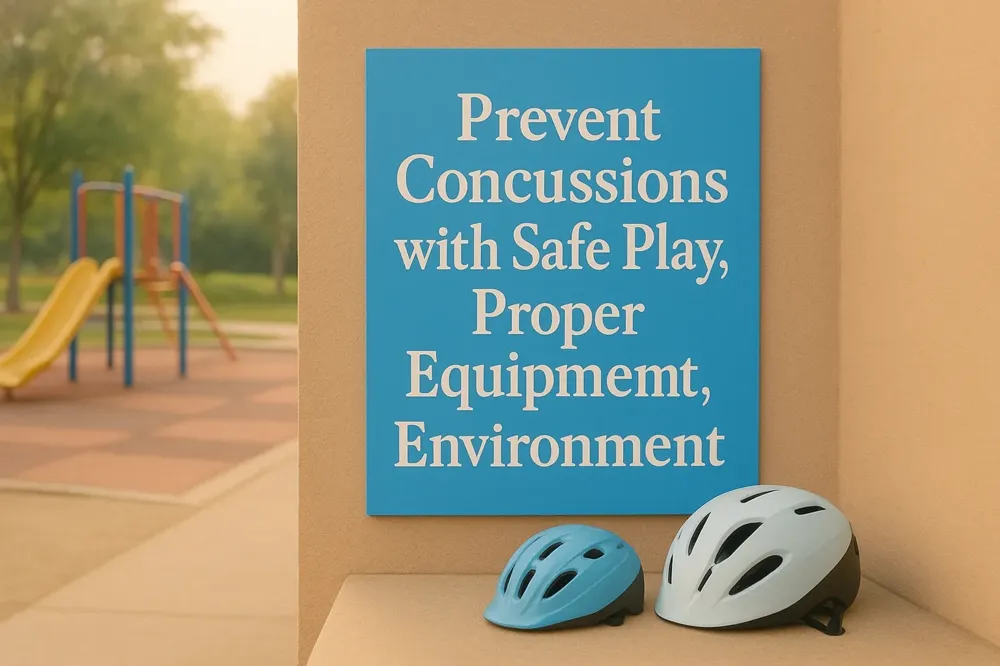
Preventing concussions in kids and teens starts with promoting safe play. Teaching children proper techniques and enforcing safety rules, particularly in contact sports like football and soccer, reduces the risk of injury. Wearing well-fitted helmets and appropriate protective gear is crucial. Helmets should be maintained in good condition and used correctly during activities such as biking, skateboarding, skiing, and contact sports. Coaches, parents, and guardians must educate children on Recognizing concussion symptoms and encourage immediate reporting of head injuries to help enable early intervention.
Sport-specific guidelines also play an important role. For example, soccer has restrictions on heading the ball for kids under ten and limits heading during practice for ages 11 to 13, significantly lowering concussion risks. Furthermore, creating safer environments outside of sports—like securing furniture, using safety gates on stairs, and installing window guards—helps prevent falls that often cause concussions in young children (Falls and Traumatic Brain Injuries).
How can parents help prevent concussions in their children during sports and recreational activities?
Parents can protect their children by ensuring they always wear properly fitting helmets and sport-specific protective equipment during all relevant activities. Teaching respect for safety rules and encouraging good sportsmanship help prevent dangerous play that could lead to concussions.
It's vital that parents communicate with coaches about any history of concussions for tailored care and monitoring. They should also watch for symptoms like headache, dizziness, confusion, or nausea following impacts and seek Immediate Medical Evaluation for Head Injuries.
Finally, parents play a key role in promoting a safety culture: encouraging children to report injuries, emphasizing rest and full recovery before returning to play, and supporting a gradual, medically supervised return to sport after a concussion to reduce the risk of further injury (Keep Kids Safe from Concussions).
The Role of Protective Equipment in Minimizing Concussion Risk
What protective equipment should kids wear to reduce concussion risk in various activities?
Children should wear helmets during activities such as skiing, snowboarding, biking, riding scooters, skateboarding, and rollerblading. These helmets help protect against skull fractures and severe brain injuries. In sports like football, soccer, and hockey, specialized helmets and headgear designed for the specific sport reduce concussion risk. Proper helmet use—ensuring a good fit and correct wear every time—is crucial to maximizing protection. For more details, see Safety equipment for concussion prevention.
Types of helmets and protective gear for specific activities
- Biking and skating helmets: Designed to absorb impact during falls or collisions.
- Ski and snowboard helmets: Built to guard against impacts in cold-weather sports.
- Sport-specific helmets: Football, hockey, and soccer helmets are made to withstand unique forces experienced in these sports.
- Additional gear: Mouthguards, padding, and face shields may also contribute to injury prevention. Learn more at Helmet use to prevent head injuries.
Proper fit and maintenance of helmets
A helmet must fit snugly without wobbling and be adjusted with straps for security. Helmets should have safety certification labels, like NOCSAE for contact sports. Replace helmets after any significant impact or crash and never use a helmet intended for one sport in another. Refer to How parents can help prevent concussions for guidance on helmet use and safety.
Limitations of helmets in concussion prevention
While helmets reduce the severity of head injuries and prevent skull fractures, they cannot fully prevent concussions. Concussions result from the brain’s movement inside the skull, which helmets cannot entirely stop. Therefore, helmets should be part of a broader safety strategy. For more information, see helmet limitations in preventing concussions.
Additional safety equipment and environmental safety measures
Childproofing homes by securing furniture and using safety gates and window guards prevents falls at home. Playgrounds with soft surfaces like mulch or sand reduce injury severity if falls occur. Using appropriate car seats, booster seats, and seat belts in vehicles also protects children from concussions during accidents. Explore more at Preventing traumatic brain injuries in children.
Combining properly fitted protective equipment with safe playing techniques, supervision, and adherence to safety rules offers the best defense against concussions for kids and teens. Additional insights can be found in Keep Kids Safe from Concussions.
Diagnosing and Managing Concussions: Guidelines for Parents and Caregivers
What are the recommended guidelines for managing a concussion in children?
Managing a concussion in children requires a thoughtful approach that starts with recognizing the signs. Immediate removal from play is essential to avoid further injury. Children should be referred promptly to healthcare providers skilled in Clinical guidance for pediatric mild TBI. Tools like the Child SCAT5, a standardized assessment, help gauge severity. Initially, the child needs both physical and cognitive rest to heal. After symptoms ease, a gradual and supervised return to school and play can begin, with approval from a healthcare professional. Educating parents, coaches, and kids about symptoms and safe recovery steps is key to minimizing risks and ensuring effective healing.
What is the CDC protocol for concussion recovery in children?
The CDC advises that kids rest immediately once a concussion is suspected and avoid activities that might cause another head injury. Close monitoring for symptoms such as worsening headache, confusion, repeated vomiting, or seizures is critical since these signs require urgent medical care. As the child’s condition stabilizes, they should slowly resume schoolwork and physical activities—but only after medical clearance to prevent risks like second impact syndrome. Throughout recovery, staying in close contact with healthcare providers helps track progress, adjust activity levels safely, and identify any complications. More detailed guidance is available in the CDC mild TBI imaging guidelines for children.
What are the 4 P's of concussion care?
The 4 P's help guide recovery in a practical way:
- Prioritize: Address the most urgent needs first, whether symptoms or daily demands.
- Plan: Organize activities and rest in a schedule that supports healing.
- Pace: Increase activity gradually, avoiding overexertion that could worsen symptoms.
- Position: Create a calm, distraction-free environment to improve concentration and rest.
These principles support children and teens through recovery by helping them manage energy wisely, reduce stress, and recover safely at their own pace. For additional educational resources on concussion management, see the Educational resources for pediatric concussion.
Using frameworks like the 5Rs (recognition, removal, referral, rest, return to activity), and following protocols recommended by the CDC and the American Academy of Pediatrics provides a strong foundation for managing concussions in children. Proper diagnosis, careful symptom monitoring, and structured return-to-activities plans are vital steps that ensure children heal effectively and can safely resume learning, play, and sports. For a comprehensive overview, consult the AAP guidelines on concussion.
Creating a Safe Environment Beyond Sports: Home and Playgrounds
How Can Falls Be Prevented at Home and Playgrounds?
Falls represent the leading cause of concussions and traumatic brain injuries (TBIs) among children. To reduce risks at home, practical strategies include installing Using Window Guards and Stair Gates across stairs and Using Window Guards and Stair Gates to prevent accidents. Proper supervision is essential, especially for young children, to quickly intervene and prevent dangerous falls (Child Supervision to Prevent Head Injuries.
What Safety Equipment Enhances Protection in Play Areas?
Safety measures such as Using Window Guards and Stair Gates are effective in fall prevention. At playgrounds, using soft surfaces like mulch, sand, or rubber beneath equipment cushions falls and minimizes injury severity (Playground Safety and Soft Surfaces. Age-appropriate playground equipment and regular maintenance further support a safer play environment.
How Does Supervision and Education Help Reduce Injury Risk?
Active adult supervision during play and teaching children safe behaviors significantly decrease the chance of injury. Educating kids about not hiding head injuries and encouraging them to report any discomfort or falls immediately is vital for early detection and care (Importance of Early Detection of Concussions.
How Can Parents Prevent Concussions from Non-Sports Incidents?
Aside from sports, children sustain concussions through falls at home and on playgrounds. Ensuring environments are childproofed—such as securing heavy furniture, removing tripping hazards, and Proper Car Seat and Booster Seat Use—is essential. These measures help protect young children from injury during daily activities, not just organized sports (How parents can prevent concussions).
Creating a thoughtful, protective environment beyond sports ensures children's safety during everyday play and reduces the risk of concussions from common accidents at home and playgrounds.
Empowering Families to Safeguard Children from Concussions
The Importance of Awareness and Proactive Measures
Families play a crucial role in protecting kids from concussions. Understanding the risks and steps to prevent injuries is essential, from ensuring helmet use to enforcing safety rules at home and during sports.
Engaging with Healthcare Providers and Coaches
Parents should actively communicate with healthcare professionals and coaches to create a safe environment. Coaches trained to recognize concussion symptoms and healthcare providers who offer proper diagnosis and care form the backbone of effective prevention and recovery.
Encouraging Open Communication and Prompt Symptom Reporting
Children must feel comfortable reporting symptoms like headaches or dizziness immediately. Prompt reporting enables quick medical evaluation and appropriate rest, preventing further injury.
Commitment to Safety and Proper Recovery
Recovery requires rest and gradual return to activities under professional guidance. Families committed to safety and careful adherence to medical advice help ensure children recover fully and safely before resuming active play.