Why Home Care Matters
Pediatric home care provides a quick, low‑stress response for minor cuts, scrapes, bruises, bumps, and mild sprains, letting families treat injuries in the familiar, comforting environment of home. A well‑stocked first‑aid kit—bandages, gauze, antiseptic wipes, antibiotic ointment, pain relievers, a digital thermometer, cold packs, and hand sanitizer—enables parents to clean wounds, control swelling, and manage fever without unnecessary trips to the clinic, saving time and health. However, home treatment has limits. Seek professional help if a wound is deep, continues to bleed, shows signs of infection (redness, warmth, pus, fever), a fracture is suspected, the child has a high or persistent fever, or any symptom suggests the child is unusually ill. Prompt medical evaluation prevents complications and ensures safe healing.
Understanding Pediatric Home Care and Wound Management
 What is pediatric home care?
Pediatric home care delivers medical services in a child’s own home by licensed professionals. It supports infants, children, and teens recovering from surgery, managing chronic conditions, or needing specialized therapies such as infusion or wound care. A physician‑crafted plan may include nursing, physical‑therapy, and medication administration, allowing families to stay in a familiar environment while maintaining normal routines.
How to heal wounds faster naturally for kids?
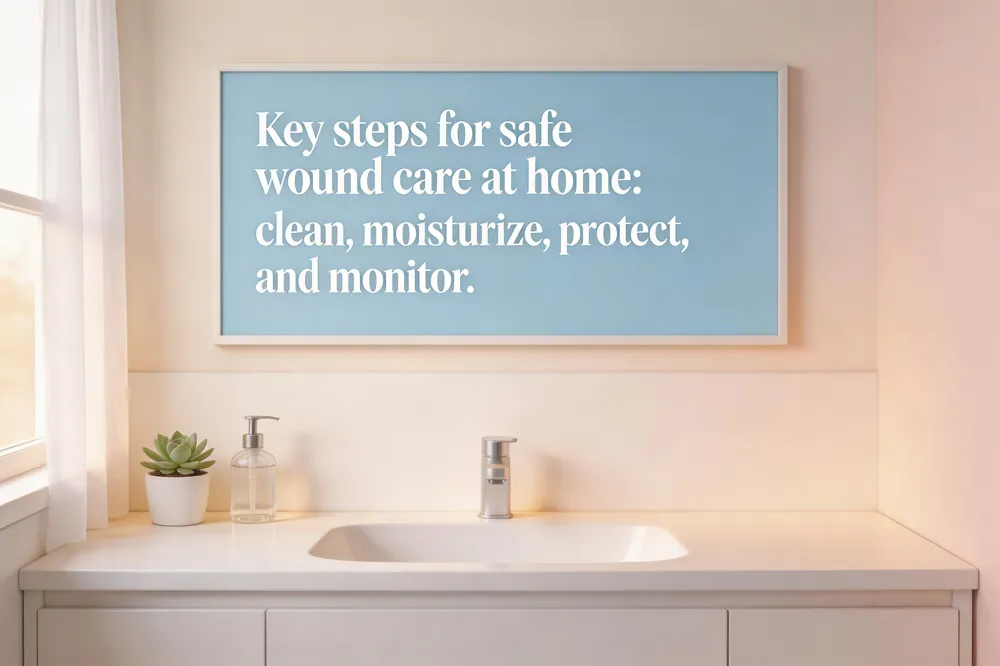
Gently clean the wound with mild soap and lukewarm water, pat dry, then apply a thin layer of aloe vera gel or medical‑grade honey for antimicrobial and soothing effects. Cover with a sterile adhesive bandage and change daily, keeping the site moist with petroleum jelly. Encourage a protein‑rich diet with vitamin C and zinc to support skin repair.
Best antibiotic for wound infection in a child
For uncomplicated infections, oral amoxicillin‑clavulanate (25‑45 mg/kg/day divided q12h) is first‑line. Penicillin‑allergic children can receive cephalexin (75‑100 mg/kg/day q6‑8h) or cloxacillin. When MRSA is suspected, clindamycin (30‑40 mg/kg/day q6‑8h) or trimethoprim‑sulfamethoxazole is appropriate. Topical mupirocin is limited to very mild, localized cases.
How do minor injuries get treated?
Clean minor cuts and scrapes with soap and water or an antiseptic wipe, apply antibiotic ointment, cover with a sterile bandage, and monitor for infection signs — redness, swelling, pus, fever — and seek pediatric evaluation if they appear. For bruises, bumps, sprains, or strains, use the RICE method (Rest, Ice 10‑20 min several times a day, Compression, Elevation) to reduce swelling and pain.
Pain Relief and Fever Management
 When a child develops a fever or mild‑to‑moderate pain, the first‑aid kit should have both acetaminophen syrup and ibuprofen liquid ready. Acetaminophen (Tylenol) syrup is the go‑to for most aches and fevers because it is gentle on the stomach and can be dosed by weight; give the amount listed on the label (≈15 mg/kg every 4–6 hours) and do not exceed five doses in 24 hours. Ibuprofen (Motrin/Advil) is safe for kids 6 months and older and is useful when inflammation is present, such as a sore throat or a sprain; the dose is 10 mg/kg every 6–8 hours, not to exceed 40 mg/kg per day, and it should be taken with food or milk. Watch for danger signs that signal a need for professional care: inability to drink or breast‑feed, persistent vomiting, seizures, marked lethargy or unresponsiveness, and severe breathing difficulty. General emergency indicators include choking or blue‑tinged skin, uncontrolled bleeding, a deep wound that won’t stop bleeding, loss of consciousness after a head bump, and ingestion of a toxic substance. If any of these appear, call 911 or your pediatrician promptly.
Sprains, Strains, Bruises, and the RICE Remedy
 When a child bumps into a bruise, or sprains a joint, the first‑line home care is the RICE method—Rest, Ice, Compression, and Elevation. Rest the injured area to avoid further stress, then apply a cold pack wrapped in a thin cloth for 10 minutes every 3 hours during the first 48 hours to curb swelling and pain. Light compression with an elastic bandage helps control swelling, but it must not be so tight that it cuts off circulation. Elevate the limb above heart level whenever possible; after two days, a warm compress can promote blood flow and tissue healing.
Yes, a toddler can sprain his knee. Toddlers often fall or twist a leg, and because their ligaments are still developing, knee sprains are common. With proper RICE care and a few days of rest, most recover quickly.
For any minor injury at home, start by washing your hands. If bleeding, apply gentle pressure with a clean cloth and elevate the area until it stops. Rinse the wound with running water, using mild soap only around the edges, and remove visible debris with clean tweezers. Apply a thin layer of antibiotic ointment or petroleum jelly, then cover with a sterile bandage or gauze. Change the dressing daily, watch for infection signs (redness, warmth, pus, fever), and ensure the child’s tetanus immunization is current if the wound is deep or contaminated.
Common Home Accidents and Prevention
 What are the 7 common accidents at home?
The seven most common accidents that occur at home for children and teens are: trips and falls, cuts and scrapes, burns, poisonings, choking, sprains and strains, and bruises and bumps. Proper supervision, safe storage of hazardous items, and child‑proofing can help prevent them.
List 5 common causes of home accidents for kids
Falls—such as slipping on wet floors, tripping over rugs, or falling from furniture—are the leading cause of home injuries in children. Burns and scalds from hot liquids, stovetops, ovens, or hot water can quickly cause serious harm. Poisoning can occur when children ingest medications, cleaning products, or other household chemicals that are not stored securely. Choking hazards arise from small objects, toys, foods, or coins that can become lodged in a child’s airway. Cuts and lacerations happen when kids handle sharp objects like kitchen knives, scissors, or broken glass without supervision.
Tips for preventing injury at home
Keep floors dry and free of clutter; store medicines, cleaning products, and sharp objects in locked cabinets; install safety gates, outlet covers, and secure furniture; supervise activities and teach children to call an adult or 911 if needed; reinforce safe habits such as wearing helmets and using seat belts.
Home injury statistics in the United States
In 2024 an estimated 152,300 preventable injury‑related deaths occurred in U.S. homes, representing about 77 % of all such deaths nationally. The leading causes were poisoning (≈49 %) and falls (≈31 %). Roughly 45.8 million people suffered non‑fatal medically consulted injuries at home, and emergency departments treat about 2.5 million unintentional injuries in children each year, with falls accounting for about 40 % of cases.
What are the 4 categories of injuries?
Minor injuries are superficial and heal quickly, such as small cuts, bruises, or mild sprains. Moderate injuries require more treatment and may include fractures or larger lacerations. Serious injuries involve significant damage like deep lacerations, major fractures, or internal injuries that often need hospitalization. Catastrophic injuries are life‑threatening trauma such as severe head injuries or spinal cord damage.
Comfort, Observation, and When to Call for Help
 When a child is hurt, the first priority is comfort. Give the child realistic choices—where to sit, what light they prefer, or which game to play—to restore a sense of control. Explain the situation in simple, age‑appropriate language, encourage questions, and stay close with a calm, reassuring tone. Gentle touch, a favorite stuffed animal, bubbles, or a short story can distract and soothe, while simple deep‑breathing exercises teach self‑soothing.
General danger signs recap – Watch for any of these five red‑flags that demand urgent medical evaluation: (1) inability to drink or breast‑feed, (2) repeated vomiting that prevents fluid intake, (3) convulsions or seizures, (4) unusual lethargy, excessive sleepiness, or loss of consciousness, and (5) severe breathing difficulty, such as rapid or labored breaths.
Action steps for parents – If a danger sign appears, call 911 or go directly to the nearest emergency department. For less urgent but concerning symptoms, contact your pediatrician’s office or a 24/7 virtual pediatric service. Keep the child’s emergency contact list, medication dosing chart, and a well‑stocked first‑aid kit (bandages, antiseptic wipes, pain relievers, thermometer, cold pack) readily accessible. Prompt, calm response can keep the injury from worsening and ensure the child receives the care they need.
Putting It All Together
When a child suffers a minor cut, bump, bruise or sprain, start by cleaning the wound with mild soap and water or an antiseptic wipe, apply a thin layer of antibiotic ointment, and cover it with a sterile bandage. Use a digital thermometer to check for fever and treat pain or fever with age‑appropriate acetaminophen or ibuprofen. For bruises or sprains, follow the RICE method—Rest, Ice (10‑20 minutes several times a day), Compression, and Elevation—to reduce swelling and pain. Keep a well‑stocked first‑aid kit that includes bandages, gauze, antiseptic wipes, ointment, pain relievers, a thermometer, cold packs, tweezers and hand sanitizer. Even with proper home care, stay vigilant: if bleeding continues, the wound looks infected, a fracture is suspected, or the child feels unusually ill, contact your pediatrician or seek urgent medical attention promptly. Being prepared saves time, reduces anxiety, and ensures your child gets the right care when it matters.