Understanding the Importance of Nutrition During Adolescence
Why Nutrition Matters During Adolescence
Adolescence is a time of rapid growth and body changes, making nutrition vital. Teens experience puberty, which increases their demand for energy and essential nutrients to support physical development, hormonal changes, and brain function.
Nutritional Needs Due to Growth and Development
Growing teens need adequate protein, calcium, vitamin D, iron, and fiber to support muscle growth, bone strength, and healthy blood. Proper hydration with water is also crucial for overall health and to aid in physical activity. Nutrient-dense foods like fruits, vegetables, whole grains, lean proteins, and low-fat dairy provide these essential components.
Long-term Health Benefits of Healthy Eating
Adopting healthy eating habits during adolescence helps prevent chronic diseases such as diabetes, heart disease, and obesity later in life. Balanced nutrition strengthens the immune system, supports mental well-being, and sets a foundation for lifelong wellness. Encouraging teens to develop positive eating habits now benefits their immediate and future health.
Building a Balanced and Nutritious Diet for Teens

What is a proper diet for a teenager?
A well-rounded diet for teens includes a diverse mix of Healthy eating for teens. Such variety ensures teens receive essential nutrients to support their unique growth and development needs during adolescence.
What are the recommended servings of fruits, vegetables, grains, protein, and dairy?
Teens should aim for about Recommended vegetable intake for teens and Daily fruit consumption for teenagers, focusing on whole fruits rather than juice. At least half of grain intake should be whole grains, including options like oatmeal, brown rice, and whole wheat bread. Protein recommendations include a daily intake of lean meats, seafood, eggs, dairy, beans, nuts, and seeds totaling roughly 5.5 ounces. Dairy intake is recommended at about 3 cups daily, encompassing milk, yogurt, and cheese or fortified plant-based alternatives rich in calcium and vitamin D.
How should added sugars, saturated fats, and sodium be limited?
Limiting added sugars to less than 10% of daily calories is advised to reduce empty calorie consumption. Saturated fats should make up less than 10% of daily calories as well. Sodium intake should be kept under 2,300 mg daily to support cardiovascular health. Teens are encouraged to avoid sugary beverages, fatty processed foods, and excess salt-laden snacks while opting for nutrient-dense whole foods (Healthy eating during adolescence).
What are good hydration and beverage choices for teens?
Water is the best beverage choice for hydration, and keeping it readily available encourages consumption. Infusing water with fruits or herbs can improve palatability while avoiding sugary drinks like soda, energy drinks, and fruit juices. Low-fat or fat-free dairy and fortified soy beverages are also beneficial hydration options that contribute important nutrients such as calcium and vitamin D (Nutrition Information for Teens).
Adopting these dietary guidelines supports healthy growth, development, and long-term wellness while helping teens establish lifelong nutritionist-approved tips for teens.
Encouraging Healthy Eating Habits in Teens
How can parents help children and teens develop healthy eating habits?
Parents play a vital role in shaping their teens' eating habits by offering a variety of nutritious foods such as fruits, vegetables, whole grains, lean proteins, and low-fat dairy. Limiting foods high in saturated fats, added sugars, and salt helps reduce diet-related health risks.
Creating a healthy home food environment where healthy foods are easily accessible encourages better choices. For example, stocking the fridge and pantry with nutritious snacks like nuts, fresh fruits, and low-fat dairy can make it simple for teens to eat well even on busy days.
Parents can further support healthy habits by promoting water and healthier beverage options instead of sugary drinks, which help maintain hydration and healthy weight. Regular family routines that include nutritious meals and opportunities for physical activity also encourage lifelong health.
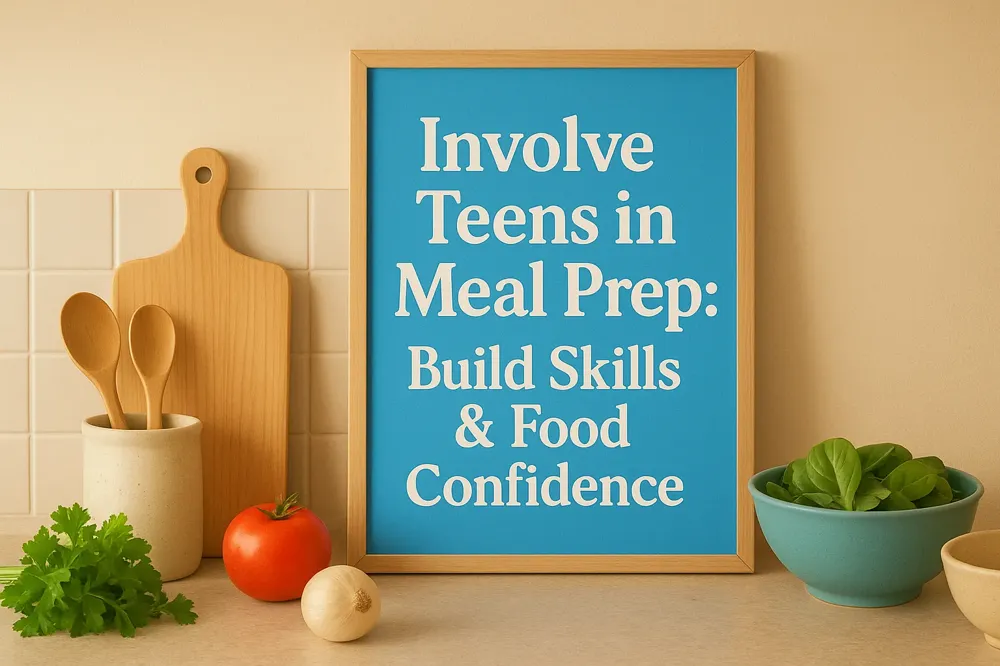
Teaching teens to read nutrition labels and involving them in grocery shopping and meal preparation builds their confidence and independence in making smarter food choices. Additionally, healthy sleep routines and limiting screen time contribute to overall wellness and support healthy growth (Healthy routines for children and teens).
How can you encourage a teen to eat healthier?
Encouraging teens to adopt healthy eating habits for teens combines education, involvement, and positive modeling. Providing age-appropriate nutrition resources such as books or magazines can spark their interest in food and health.
Involving teens in meal planning and preparation allows them to learn about balanced nutrition and develop ownership of their food choices. Families can model healthy eating behaviors by consuming balanced meals rich in fruits, vegetables, whole grains, lean proteins, and low-fat dairy.
Keeping unhealthy foods out of the home and making family mealtime a regular, positive experience can increase teens' intake of nutritious foods. Promoting physical activity alongside healthy eating supports their overall wellbeing.
Limiting consumption of sugary beverages and processed foods while encouraging the exploration of new fruits, vegetables, and whole grains can make healthier eating appealing and sustainable.
Summary Table:
| Strategy | Description | Benefit |
|---|---|---|
| Offer varied nutritious foods | Fruits, veggies, whole grains, lean proteins, dairy (Nutrition Information for Teens | Meet nutrient needs, support growth (Nutrition for Teens) |
| Make healthy foods accessible | Stock fruits, nuts, low-fat dairy (Healthy home food environment) | Encourage better snacking choices (Nutritional needs during adolescence |
| Model healthy behaviors | Parents eat balanced meals (Modeling healthy eating | Influences teens’ habits |
| Involve teens in cooking | Meal planning, grocery shopping (Involving teens in meal prep | Builds skills and independence (Involving teens in food preparation |
| Promote physical activity | Daily exercise recommendations (Physical activity guidelines for U.S. teens) | Supports health, aids weight management (Physical activity for teens |
| Limit sugary drinks & snacks | Substitute water and healthy snacks (Healthy beverage choices over sugary drinks) | Reduces empty calories |
| Maintain sleep & limit screens | 8-10 hours sleep, less than 2 hours screen time (Limiting screen time for teenagers | Supports overall well-being (Daily physical activity for teens |
Motivating Teens to Make Healthier Food Choices
How can you motivate a teenager to make healthier food choices?
Role modeling is one of the most effective ways to inspire teens to choose healthier foods. When parents consistently eat balanced meals that include fruits, vegetables, whole grains, and lean proteins, teens are more likely to follow suit. For instance, if broccoli is served at dinner, parents should eat it too, showing support for nutritious choices without pressure. See more on modeling healthy eating.
Creating appealing and accessible healthy snack options
Having wholesome snacks like fruits, nuts, and low-fat dairy readily available at home encourages teens to grab nutritious options instead of fast food or sugary treats. Preparing convenient, tasty snacks supports their busy lifestyles and reduces the temptation of less healthy choices. Learn about help teens adopt healthier eating habits.
Engaging teens in selecting and preparing foods
Involving teens in grocery shopping and meal preparation helps them develop independence and better understand nutrition. This hands-on participation makes them more curious and willing to try new, healthy foods, empowering them to make positive dietary decisions. Find guidelines for involving teens in meal prep.
Non-judgmental encouragement and open communication
Approaching conversations about nutrition with positivity and without focusing on weight or calories helps teens develop a healthy relationship with food. Open dialogue encourages them to share their thoughts and challenges, making it easier to support lasting habits. See tips on discussing nutrition with teens.
Promoting positive body image and balanced nutrition
Encouraging teens to focus on the health benefits of a balanced diet rather than appearance fosters self-esteem and prevents unhealthy eating behaviors. Emphasizing how nutritious foods contribute to energy, growth, and well-being helps build sustainable, healthful choices. More on healthy relationship with food for teens.
Integrating Physical Activity and Healthy Lifestyle Habits
Why Is Daily Physical Activity Important for Teens?
Regular daily physical activity for teens is crucial for teenagers as it supports healthy growth, builds strong bones and muscles, and reduces the risk of chronic diseases like type 2 diabetes and heart disease. Teens who stay active often experience improved mood, better sleep quality, and enhanced mental health, all of which contribute to overall well-being.
What Types and Duration of Exercise Are Recommended?
Health experts recommend that teens engage in 60 minutes of physical activity daily. This should include a mix of aerobic exercises (like biking, swimming, or running), muscle-strengthening activities (such as resistance training or climbing), and bone-strengthening exercises (like jumping or playing sports). This blend helps teens develop strength, endurance, and healthy bones.
How Can Teens Limit Recreational Screen Time?
It's advised for teens to keep recreational screen time, such as watching TV or playing video games, to two hours or less daily. Limiting screen time encourages more active play, better sleep habits, and reduces sedentary lifestyle risks. For more on limiting screen time for teenagers and the importance of physical activity, see the linked resource.
Why Is Adequate Sleep Important for Teens?
Getting 8 to 10 hours of sleep each night is vital for teens’ physical and mental health. Good sleep supports mood stability, sharpens concentration, helps regulate weight, and improves athletic performance. For detailed children and teen sleep recommendations, refer to the linked guidance.
How Does Physical Activity Affect Mood and Health?
Physical activity releases mood-enhancing chemicals in the brain, reduces anxiety, and can help prevent depression. Active teens tend to have more confidence and better academic performance. Additional information about the benefits of physical activity for teens is available.
What Is the 5-2-1-0 Rule and How Does It Relate to Teen Health?
The 5-2-1-0 rule is a straightforward guideline promoting healthy habits for kids and teens:
- 5: Eat at least five servings of fruits and vegetables daily.
- 2: Limit recreational screen time to two hours or less.
- 1: Engage in one hour of physical activity each day.
- 0: Consume zero sugary drinks, choosing water instead.
Following the 5-2-1-0 rule helps teens balance nutrition and activity, supporting healthy growth and preventing obesity and other chronic conditions. For more on this balanced approach, see Healthy Eating During Adolescence.
Addressing Common Challenges and Building Sustainable Habits
Challenges such as meal skipping and busy schedules
Many teens face hectic daily routines that often lead to skipping meals, particularly breakfast. This is a widespread issue affecting concentration, energy levels, and overall health. Reasons for missed meals include late wake-ups, tight schedules, dieting attempts, and social or religious practices like fasting. For more on meal skipping and strategies, see Healthy eating habits for teens.
Importance of regular meals and snacks
Eating three balanced meals with one to two healthy snacks daily supports teens’ physical growth, cognitive function, and emotional well-being. Regular meals help regulate hunger cues, prevent overeating, and contribute to maintaining a healthy weight. This steady nutrition also lowers risks of chronic diseases such as obesity and diabetes. See more on Healthy Eating During Adolescence and nutritionist-approved tips for teens.
Practical meal planning and snack preparation tips
Parents and caregivers can encourage better eating habits through practical approaches: preparing meals in advance, keeping healthy snacks like fruits, nuts, and whole grains accessible, and involving teens in grocery shopping and meal preparation. These strategies foster autonomy and make nutritious options more convenient for busy adolescents. For suggestions on meal prep and parental support, refer to parents help with teen nutrition and Healthy eating habits for teens.
Supporting teens through peer and social influences
Peer pressure and social norms strongly influence teens’ food choices. Open, non-judgmental communication helps teens feel supported in making positive nutrition decisions. Encouraging group activities, like cooking together or sharing meals, can reinforce healthy habits and provide social motivation. Guidance on discussing nutrition with teens and healthy eating habits for teens can be helpful.
Avoiding unhealthy dieting and promoting safe weight management
Unhealthy dieting behaviors—such as extreme calorie restriction, fasting, or purging—pose serious health risks. Teens concerned about weight should seek guidance from healthcare professionals who can offer safe, individualized plans. Emphasizing nutrition benefits rather than calorie counting promotes a positive body image and sustainable habits. Information is available at preventing unhealthy eating behaviors and consult pediatrician for child diet.
What are the nutritional advice and recommended dietary guidelines for adolescents?
Adolescents should eat a balanced diet with at least two servings of fruit and five to five and a half servings of vegetables daily to secure essential vitamins and minerals. Whole grains are recommended at about seven servings per day from sources like bread or pasta, alongside about 3½ servings of dairy to support bone health. Protein intake should reach approximately two and a half servings daily, including lean meats, eggs, nuts, and legumes. Staying well-hydrated by drinking 6 to 8 cups of fluids, mainly water, daily is vital, while sugary beverages and energy drinks should be limited. Incorporating healthy fats from nuts, seeds, and olive oil in moderation benefits overall health. Foods high in saturated fat, sugar, and salt intake need to be minimized to support long-term wellbeing.
Adopting these dietary guidelines combined with supportive parenting and realistic habit-building helps teens navigate challenges and develop lifelong healthy eating patterns. For comprehensive guidelines see Daily fruit and vegetable intake, Nutrition Information for Teens, and nutritionist-approved tips for teens.
Creating a Supportive Environment for Lifelong Healthy Eating
Why is nutrition important during adolescence?
Nutrition is vital during adolescence because this is a period of rapid growth, development, and physical change. Adequate intake of balanced meals covering all food groups helps support healthy growth, cognitive development, and immune function, reducing the risk of chronic diseases later in life. Adolescents should focus on eating Healthy Eating During Adolescence, limiting added sugars and processed foods, and staying well-hydrated with water to maintain optimal health. Developing healthy eating habits during this time can prevent issues like obesity, nutrient deficiencies, and poor academic performance due to inadequate nutrition. Encouraging active lifestyles alongside good nutrition is essential for fostering lifelong healthy habits.
Benefits of family meals on mental and physical health
Regular family meals offer more than just nourishment—they enhance mental well-being and strengthen family bonds. Teens who participate in family meals tend to eat more fruits and vegetables, avoid skipping meals like breakfast, and show better concentration and mood. This shared time reduces stress and lowers the risk of disordered eating and substance use. Preparing meals together also promotes healthier food choices and supports emotional health during challenging adolescent years as noted in Healthy Eating During Adolescence.
Fostering positive relationships with food
Helping teens build a positive mindset around food encourages balance and self-regulation. Avoiding strict calorie counting and focusing on how different foods fuel the body promotes a Healthy Relationship With Food for Teens. Encouraging teens to listen to their hunger cues, try new foods without pressure, and appreciate the joy of eating supports long-lasting, balanced habits.
Supporting teen independence through nutrition education
Involving teens in grocery shopping, meal planning, and cooking helps them gain skills and confidence. Nutrition education tailored to their needs empowers them to make smart food choices, recognizes the importance of whole grains, lean proteins, and nutrient-rich snacks, and helps navigate busy schedules with healthy options. Encouraging water as the primary beverage and limiting sugary drinks further supports good habits as emphasized in Nutritionist-approved tips for teens.
Recognizing and addressing disordered eating behaviors
Parents and caregivers should be alert to signs of unhealthy eating patterns such as extreme restriction, binge eating, or preoccupation with weight. Early intervention by healthcare professionals ensures teens get necessary support. Open, non-judgmental conversations and creating a positive mealtime environment without distractions can help prevent and address disordered eating as detailed in Helping Your Teen Develop A Healthy Relationship With Food.
Consulting healthcare professionals when necessary
If concerns arise about a teen’s diet, weight, or eating behaviors, consulting pediatricians, dietitians, or counselors is crucial. Professionals can assess nutrition adequacy and BMI, guide safe weight management, and provide resources like specialized programs for healthy living. Early involvement ensures teens receive balanced care tailored to their individual needs, as advised in consult pediatrician for child diet.
Empowering Teens Towards Healthy Choices for Life
Promoting Healthy Eating and Active Habits
Helping teens develop healthy eating habits involves simple, manageable steps like offering a variety of nutrient-rich foods—fruits, vegetables, whole grains, lean proteins, and dairy—and encouraging water over sugary drinks.
Parents and caregivers play a vital role by making healthy foods accessible at home and modeling positive eating behaviors.
Family Support and Open Communication
Ongoing family support, including shared meals and involving teens in food planning and preparation, fosters autonomy and better nutrition decisions.
Non-judgmental conversations about health rather than weight promote a positive relationship with food and body image.
Long-Term Benefits
Balanced nutrition combined with at least 60 minutes of daily physical activity supports teens’ growth, boosts mood, enhances concentration, and lowers risks for chronic diseases like diabetes and heart disease.
Establishing these habits early sets the foundation for lifelong health and well-being.