Introduction to Caring for Minor Illnesses and Injuries in Children
Understanding Minor Illnesses and Injuries
Children frequently experience common minor ailments such as colds, minor cuts, scrapes, and bruises. These are often part of growing up and can usually be managed safely at home with simple first aid and supportive care. Understanding these conditions equips parents to confidently provide comfort and care.
Empowering Parents for Home Care
Parents can effectively treat minor injuries like cuts by washing with water, applying antibiotic ointment, and covering with a clean bandage. For minor sprains or strains, applying rest, ice, compression, and elevation (RICE) helps reduce pain and swelling. Similarly, managing minor illnesses like colds and sore throats usually involves hydration, rest, and proper symptom monitoring.
Recognizing When to Seek Medical Help
It's essential for parents to know when symptoms suggest a more serious issue. Warning signs include infections with fever or redness around wounds, bleeding that does not stop after 10-15 minutes, high or persistent fever, severe pain, difficulty breathing, or unusual behavior changes. Prompt medical attention ensures children receive timely care for conditions beyond home treatment.
Effective Home Management of Minor Injuries
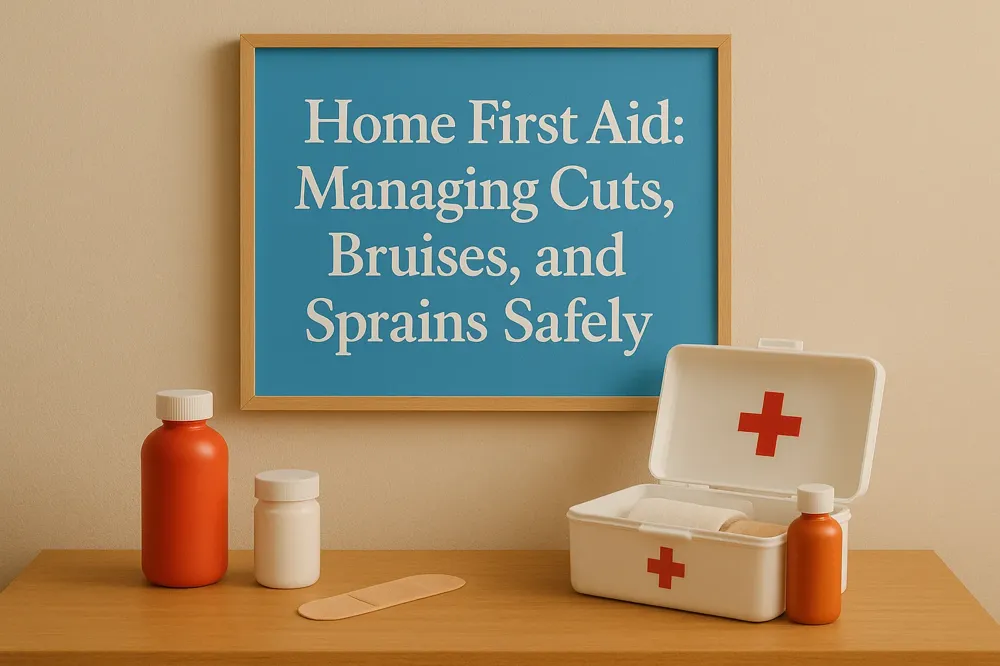
What actions should you take when a child is injured?
When a child is injured, first ensure the area is safe to provide help. For treating minor injuries at home such as small cuts, scrapes, or bruises, start by cleaning the wound with clean water to remove any dirt. Apply gentle pressure for 10 to 15 minutes if there is bleeding to help it stop. Use antibiotic ointment to prevent infection and cover the area with a clean, breathable bandage.
How do you use the RICE method for strains and sprains?
For injuries like strains and sprains, the recommended treatment is the RICE method for strains and sprains. This stands for:
- Rest: Limit movement and activity to avoid further damage.
- Ice: Apply a cold pack wrapped in a cloth for 15-20 minutes every few hours to reduce swelling.
- Compression: Use an elastic bandage to provide support and limit swelling.
- Elevation: Keep the injured limb raised above heart level when possible to minimize swelling.
When should you seek medical care for minor injuries?
Be alert for signs that require professional medical attention, such as:
- Bleeding that does not stop after 10-15 minutes of firm pressure.
- Visible deformity or suspected broken bones.
- Signs of infection including redness, warmth, swelling, pus, or increasing pain.
- Severe pain or inability to bear weight on an injured limb.
- Wounds with embedded debris, ragged edges, or caused by animal or human bites.
In these cases, contact your pediatrician or seek emergency care promptly. For more information on when to seek medical care for wounds and signs of infected wounds, consult trusted health resources.
What should be included in a home first aid kit?
Having a well-stocked first aid kit helps parents manage minor injuries confidently. Essentials include:
- Adhesive bandages of various sizes
- Antiseptic wipes
- Antibiotic ointment
- Sterile gauze pads and tape
- Elastic bandages for compression
- Cold packs
- Tweezers and small scissors
- Digital thermometer
- Pediatric pain relievers like acetaminophen or ibuprofen
- Disposable gloves
- A first aid manual
Regularly check and replenish your kit to ensure it is ready when needed.
Proper home care for minor injuries helps soothe your child and prevents complications. However, don't hesitate to contact your healthcare provider if you are unsure or if your child's injury worsens.
Home Care Strategies for Managing Minor Illnesses

How to Manage Minor Illnesses in Children at Home
Managing common viral illnesses like colds, sore throats, and stomach flu generally involves Managing Common Childhood Illnesses. Ensuring your child gets plenty of rest helps their body recover. Hydration is essential; offer fluids such as water, clear broths, or electrolyte solutions to prevent dehydration and soothe symptoms. Over-the-counter medications such as acetaminophen (paracetamol) or ibuprofen can safely reduce fever and alleviate aches and pains—always follow dosage instructions carefully.
Supporting Children Who Are Unwell
Create a calm and comfortable environment for your child. Maintain a pleasant room temperature and encourage restful sleep. Offer fluids frequently and introduce light foods when appropriate. Quiet activities like reading or listening to soft music can help keep them calm while they recuperate. Pay close attention to their behavior and comfort level. For additional guidance on supporting children’s emotional and physical needs during illness, see Support for Young Children During Illness.
Safe Use of Over-the-Counter Medications
Use age-appropriate medications, and avoid aspirin in children due to its risk of Reye syndrome. Consult your pediatrician or pharmacist if unsure about correct dosages or medication choices. Never exceed recommended doses and always check the medication label carefully. For more detailed medication advice, see Medications for Acute Illness.
When to Seek Medical Advice
While many minor illnesses resolve with home care, consult your pediatrician if your child develops any of the following:
- High fever persisting beyond two days
- Severe sore throat or difficulty swallowing
- Signs of dehydration such as dry mouth, lack of tears, or reduced urination
- Symptoms worsening or lasting more than five days
- Strange behavior, lethargy, or confusion
Early consultation helps ensure proper treatment and prevents complications. For comprehensive information on Signs to Seek Medical Attention for Your Child, visit the linked resource.
By combining attentive home care, appropriate symptom management, and timely medical consultation, parents can help their children recover comfortably from common minor illnesses.
Preventing Illness and Injury in Children: Keys to Keeping Kids Healthy and Safe
What are two important ways to help protect children from illness?
Keeping children healthy starts with strong preventive measures. First, ensuring your child stays up-to-date on vaccinations for children is essential. Vaccines protect against serious and potentially life-threatening diseases like influenza, measles, and COVID-19. For example, the flu vaccine can reduce the risk of severe illness by about 75%, making it a vital tool to protect your child and those around them.
Second, teaching children good hygiene habits greatly reduces the spread of germs. Encourage regular handwashing to prevent disease spread, especially after using the restroom or before meals. Teach your child to cover their coughs and sneezes with a tissue or their elbow. Keeping children home when they are sick or avoiding close contact with sick individuals lowers infection risks further. Together, vaccinations and hygiene create a solid defense against many common childhood illnesses.
What are five ways to practice preventive care for injuries?
Preventing injuries in children requires preparation and caution. Here are five valuable practices:
- Warm-up and Stretching: Before any physical activity, children should warm up and stretch to prepare their muscles and reduce injury risk. Preventing injuries in children includes conditioning and stretching before activity.
- Use Protective Equipment: Helmets, pads, and mouthguards are essential for activities like biking or sports. Make sure the gear fits well and is properly maintained. See recommendations for proper use of protective equipment.
- Gradual Activity Increase: Slowly ramp up the intensity and duration of physical activities to avoid overuse injuries.
- Rest and Listen to Your Body: Teach kids to recognize pain or discomfort and to take breaks when needed.
- Supervision and Safe Environment: Adults should closely supervise play and sports, and ensure the play areas are free from hazards like sharp edges or clutter. Simple ways to keep children safe from injury include supervision and removing hazards.
What are the 5 P's of first aid?
The 5 P's serve as a simple guide in first aid situations:
- Preserve Life: Focus on keeping the child alive and breathing.
- Prevent Deterioration: Stop conditions from getting worse through prompt care.
- Promote Recovery: Provide supportive care to help the child heal.
- Protect the Unconscious: Ensure airway safety and protect from further harm if the child is unconscious.
Using these principles helps caregivers respond effectively to minor injuries until professional medical help can be reached. For more first aid information, see First aid tips for parents.
Additional Tips
Creating safe spaces both at home and outdoors is crucial. Childproof your environment by securing furniture, removing trip hazards, installing safety gates, and ensuring water safety with supervision and swim lessons. In sports, proper conditioning, hydration, and limiting activities during extreme weather prevent many injuries.
By combining vaccinations, hygiene, supervision, protective gear, and knowledge of first aid principles, parents and caregivers can significantly reduce the risk of illness and injury, helping children grow up healthy and safe.
Pain Management and Emotional Support for Children
Which is the best approach in managing pain in children?
Effective pain management in children involves personalized, family-centered care focusing on both physical and emotional well-being. Chronic pain should be addressed using combined treatment strategies, including medication, counseling, and functional improvement goals. Tailoring treatments to each child’s needs ensures they receive safe and effective relief while promoting healing. For more information, see Supporting Children's Physical Health.
How can children cope with grief associated with sports injuries?
Children and teens facing grief from sports injuries often go through stages of denial, anger, bargaining, depression, and acceptance. Emotional support is crucial. Healthcare providers and athletic trainers play a key role by providing social support and confidence-building techniques like mental imagery and goal setting.
Modifying sport activities during recovery, such as adapted drills, helps maintain engagement and motivation. This holistic approach supports both mental and physical recovery, helping children regain confidence and reduce emotional distress related to injury setbacks. See also coping with juvenile arthritis for parallels in emotional support during illness.
Helping children cope emotionally with injuries or illnesses
Children benefit from open communication, reassurance, and involvement in their care. Listening to their feelings and validating emotions encourages healthy coping.
Maintaining routines, encouraging expression through art or writing, and offering physical comfort can reduce anxiety. Supporting their emotional needs alongside medical treatment ensures overall well-being during recovery. Helpful guidance is available at Talking to children about serious illness and Support for Young Children During Illness.
The importance of family-centered and personalized care
Family-centered care means involving parents and caregivers in treatment decisions. This creates a supportive environment where children feel safe and understood.
Personalized care adapts strategies to the child's age and emotional needs, enhancing comfort and trust. Together, this approach improves outcomes and helps children manage pain and emotional challenges effectively. Additional insights can be found in Helping Children Cope with Hospitalization.
Practical Tips for Parents Caring for Sick or Injured Children
How to take care of kids when you are sick?
When you're unwell but need to care for your children, preparation is crucial. Keep essential supplies handy and have simple activities ready to keep your child engaged without much effort from you. Don’t hesitate to ask for help from family, friends, or trusted caregivers.
Focus on the basics: providing nourishing meals, ensuring hygiene, and offering comfort to your child. Remember, your own rest and recovery are important because your wellbeing directly affects your ability to care effectively. For more on Support for Young Children During Illness and Helping your child with minor illnesses, these resources provide helpful guidance.
Setting routines and maintaining calm for the child's well-being
Maintaining consistent routines during illness can provide children with a sense of normalcy and security. Regular wake-up, meal, and bedtime schedules help reduce stress.
Stay calm and composed; your peaceful demeanor reassures your child. Simple rituals and familiar routines offer comfort, especially when children are feeling sick or injured. Learn more about Talking to children about serious illness and Helping Children Cope With Trauma.
Communicating effectively with healthcare providers
Keep clear, honest communication with your child's healthcare team. Prepare questions beforehand and carefully note down symptom changes or concerns.
Follow medical instructions closely, including medication schedules and follow-up appointments. This cooperation ensures your child's treatment and recovery progress effectively. Helpful advice is found in Consulting healthcare providers about acute illness care and Child Health Advice at Seattle Children's Hospital.
Words of encouragement for parents during challenging times
Caring for a sick or injured child can be overwhelming, but remember, you are not alone. Trust the expertise of your child's medical providers.
Your calm and loving presence significantly helps your child cope. Take care of yourself as well; your well-being supports your child’s healing.
With patience, love, and proper care, your child has the best chance to recover and thrive. For emotional support strategies, see Help Your Child With Minor Injuries and Helping Children Support During Hospitalization.
Conclusion: Empowering Parents for Confident Caregiving
Recap of Essential Care Strategies
Parents can effectively manage many minor illnesses and injuries at home by following simple first aid practices such as cleansing wounds, using antibiotic ointment, and applying the RICE method for sprains. Recognizing signs that require a pediatrician's attention ensures timely care.
Prevention and Timely Medical Support
Prevention through vaccinations, proper hygiene, and safety measures minimizes risks. When symptoms worsen or persist, prompt consultation with healthcare providers protects your child's health and development.
Supporting Emotional Well-being
Offering honest, age-appropriate information and emotional support helps children cope with illness or injury, reinforcing their resilience and sense of security.
Staying Informed and Proactive
Parents empowered with knowledge and ready to act contribute significantly to their child's safety and well-being, fostering confident caregiving throughout childhood and adolescence.