Why Healthy Eating Matters for Busy Families
Balanced Nutrition Supports Growing Kids and Teens
Good nutrition is essential for children and teenagers because their bodies and brains are growing rapidly. Eating a variety of fruits, vegetables, whole grains, proteins, and dairy or fortified alternatives gives them the nutrients needed for strong bones, healthy skin, and sharp minds.
Family Mealtime Builds Bonds Without Distractions
Sharing meals without screens encourages family members to connect and focus on each other. This simple practice supports emotional well-being and helps children develop mindful eating habits that can last a lifetime.
Nutrition Fuels Long-Term Health and Development
Eating nutritious foods daily supports proper growth, energy levels, and prevents chronic diseases later in life. Establishing healthy eating routines during childhood helps build a foundation for lifelong wellness and vitality. Prioritizing balanced meals ensures that busy families maintain both physical health and meaningful family time.
Meal Planning and Time-Saving Techniques
How can busy parents eat healthy?
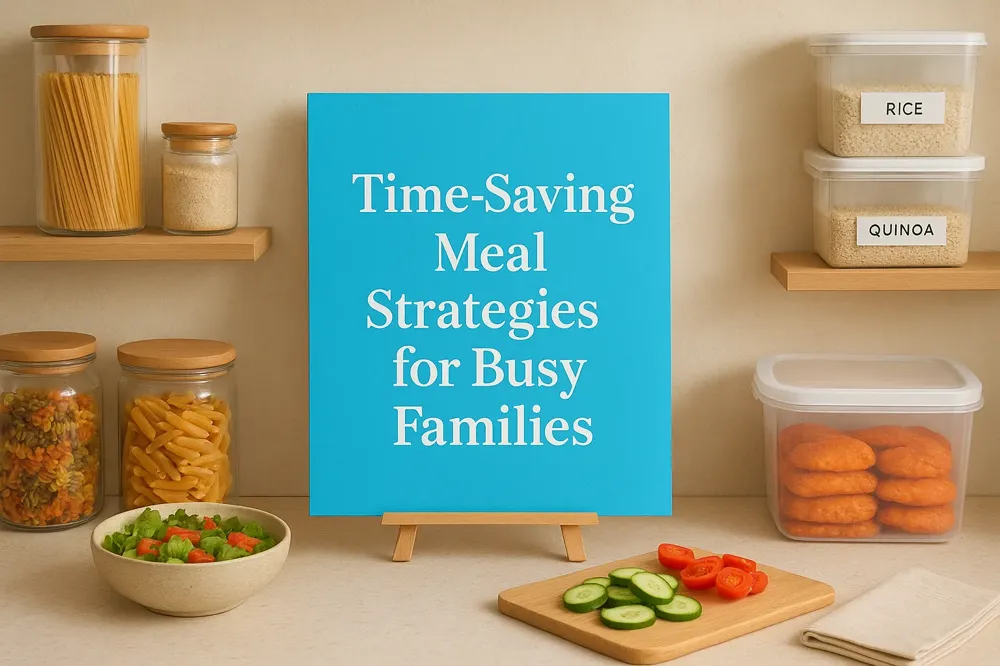
Busy parents can maintain healthy eating habits by organizing meal preparation strategically. Batch cooking is especially effective; making large portions of casseroles, soups, or stews in advance ensures nutritious meals are ready to go when time is limited. Using pre-cut vegetables, canned beans (rinsed to reduce sodium), and frozen fish or poultry can speed up cooking while preserving nutrition.
Keeping an ongoing grocery list based on weekly meal plans helps maintain a pantry stocked with wholesome staples such as wholegrain pasta, legumes, and frozen fruits. This readiness promotes quick assembly of Healthy eating for families—vegetables, fruits, grains, proteins, and dairy or fortified alternatives.
Involving children in meal decisions and preparation not only cultivates healthy eating habits but also reduces parental workload. Children can handle simple tasks like washing produce or setting the table, fostering family connection and food education.
Hydration remains vital, so encourage water intake throughout the day, especially during breastfeeding or physical activity. Embedding brief physical activities into daily routines boosts energy and supports wellness amid busy schedules.
What are tips for healthy eating on a busy schedule?
Advance meal preparation combined with batch cooking simplifies adherence to Healthy eating for busy families. Preparing breakfasts, lunches, and snacks the night before can prevent rushed, less healthy choices.
Store healthy, ready-to-eat snacks like cut produce, yogurt, nuts, and whole-grain crackers within easy reach. Using kitchen gadgets such as slow cookers and pressure cookers reduces active cooking time, enabling meals to cook unattended while family members engage in other tasks.
Flexible mealtimes, including family breakfasts or lunches, accommodate varying schedules but still support shared dining experiences. Reducing screen time during meals fosters mindful eating and strengthens family bonds.
Moderation is key: limit added sugars, sodium, and saturated fats, while prioritizing whole, unprocessed foods. Occasional fast-food meals can serve as learning opportunities about balanced choices, keeping the approach sustainable and stress-free.
Harnessing these techniques empowers busy families to enjoy nutritious meals together, enhancing both health and family well-being.
Building Nutritious, Balanced Plates for the Whole Family

What is the Whole Food Plant-Based Plate guide?
The Whole Food Plant-Based Plate is a simple visual tool that helps families create balanced meal plate guide. Half the plate is filled with fruits and vegetables, a quarter with whole grains benefits, and the remaining quarter with legumes and beans nutrition. This method ensures a rich mix of vitamins, minerals, fiber, and protein, promoting overall health and sustained energy.
How can families include fruits, vegetables, whole grains, and legumes?
Incorporate a colorful variety of seasonal or affordable fruits and vegetables to maximize fruits and vegetables benefits and appeal. Whole grains like brown rice quinoa oats barley provide fiber and important B vitamins. Legumes such as lentils and beans offer an economical, protein-rich addition. Using simple recipes that combine these groups regularly supports Balanced nutrition for families for all family members.
Why are fiber-rich whole grains important?
Fiber found in whole grains improves digestion, helps control blood sugar, and supports heart health. Whole, minimally processed grains retain more nutrients and fiber than refined versions. Including foods like whole wheat bread, oats, or barley daily can aid in maintaining steady energy levels and overall wellness.
How can meals be made colorful and appealing?
Making plates visually attractive by adding different-colored fruits and veggies sparks children's interest and encourages Healthy eating for families. Fun ways include making silly face meals or using bright berries, leafy greens, and vibrant vegetables to create inviting dishes that everyone enjoys.
How to adjust portion sizes by age and needs?
Portions should suit each family member’s age and energy needs. Younger children benefit from smaller portions with minor recipe modifications, like cutting vegetables into tiny pieces or less spicy seasoning. Older kids and teens typically need larger servings with nutrient-dense choices. Paying attention to individual appetite and growth supports balanced intake without overeating. See Meal planning for busy families for more information on adjusting portion sizes by age.
How can picky eaters be accommodated?
Customize meals by offering build-your-own options like tacos or salads so picky eaters choose what they like while still eating nutritious foods. Smoothies or sauces blending veggies with fruits can disguise healthy ingredients. Keeping meals simple and familiar, and involving children in food prep, enhances their willingness to try new things.
What are some simple healthy meal ideas for families?
Quick breakfasts such as overnight oats topped with berries or scrambled eggs with spinach start the day right. Lunches might include whole-grain sandwiches with lean meats and veggies or mixed bean salads for protein. For dinner, try grilled chicken or fish paired with steamed veggies and brown rice. Snack on cut fruit, yogurt, nuts, or whole-grain crackers to keep everyone energized. For inspiration, check Healthy Eating for Busy Families.
How can families prepare quick and healthy meals?
Planning weekly menus ahead reduces mealtime stress. Batch cooking staples like rice and beans saves time, and using pre-cut or frozen vegetables speeds prep. One-pot meals and sheet-pan dinners simplify cooking and cleaning. Setting out healthy snacks and involving kids in cooking fosters healthy habits and makes mealtime enjoyable. See Healthy eating and meal planning for more ideas.
Nutritional Essentials and Smart Food Choices for Families
Why are fruits and vegetables important and affordable for families?
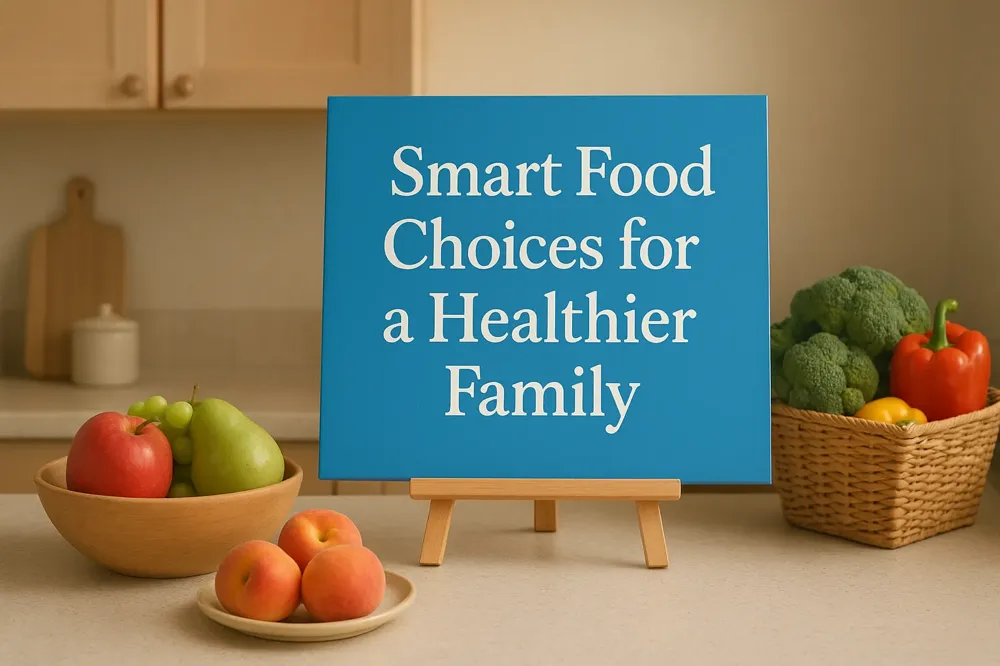
Fruits and vegetables are vital for family health, providing essential vitamins, minerals, fiber, and antioxidants. Choosing in-season and sale items makes them more affordable. Frozen vegetables and berries are great alternatives—they keep longer, maintain most nutrients, and add convenience. Canned vegetables and beans, when rinsed, are also cost-effective and nutritious options.
What protein sources are best for family meals?
Legumes and beans are budget-friendly protein sources packed with complex carbohydrates and fiber. Lean meats, fish, eggs, nuts, and seeds also offer high-quality protein to support growth and development. Eating fish rich in omega-3s, such as salmon and trout, benefits heart health. Incorporating a variety of protein options helps meet everyone's nutritional needs.
How do whole grains benefit health and how to choose them?
Whole grains like brown rice, quinoa, oats, and barley promote heart health, digestion, and steady energy. Opt for products where 'whole grain' is the first ingredient and those providing at least 10% of daily fiber. Minimally processed whole grains retain nutrients and fiber, reducing blood sugar spikes.
What are nutrient-dense snacks and healthy beverage choices?
Healthy snacks include cut vegetables with dip, yogurt, nuts, and whole-grain crackers. These provide energy and nutrients without added sugars or unhealthy fats. Water and low-fat or fortified soy milk are preferred beverages, limiting sugary drinks helps reduce excess sugar consumption.
Why read food labels and how to limit unhealthy ingredients?
Food labels reveal fiber content, added sugars, and sodium levels. Choose foods rich in fiber and low in added sugars and sodium for better health. Limiting processed foods and saturated fats lowers risk of chronic diseases. Using herbs and spices instead of salt adds flavor with less sodium.
What are some nutrition tips for kids?
Encourage balanced meals with fruits, vegetables, whole grains, lean proteins, and low-fat dairy. Limit added sugars, saturated fats, and sodium to promote lifelong health. Involve children in meal planning and preparation to spark interest in healthy foods. Eating meals together without screens fosters good habits. Offer water and low-fat milk as primary drinks. Consistently introduce colorful and varied foods to build healthy preferences over time.
Engaging the Whole Family in Healthy Eating Habits

Why Are Family Meals Without Screens Important?
Eating together without screens helps family members connect and focus on each other, turning meals into special bonding times. This focused setting encourages Healthy eating for families and makes it easier for parents to guide children towards healthier food choices.
How Can Children Be Involved in Cooking and Meal Decisions?
Children can help by washing fruits and vegetables, mixing ingredients, and setting the table. Letting them choose some fruits, veggies, or snacks empowers them and makes eating healthy more exciting. Healthy eating and meal planning encourages children to try new foods and learn valuable cooking skills.
What Are Nonfood Rewards and How Do They Encourage Healthy Behaviors?
Nonfood rewards like outings, extra playtime, or stickers motivate kids without linking treats to food. This approach reinforces good habits without adding unhealthy snacks, supporting better long-term nutrition. Using Nonfood rewards for healthy behavior supports better nutrition.
How Does Parental Role Modeling Influence Kids' Eating Habits?
Parents who consistently eat a variety of Nutrient-rich foods and limited sugars, including fruits, vegetables, whole grains, and lean proteins, set a positive example. Children often mimic these behaviors, making them more likely to choose healthy foods on their own.
How Can Healthy Foods Be Made More Accessible and Fun?
Stocking cut fruits and vegetables in easy-to-reach containers encourages snacks that are both tasty and nutritious. Making colorful, playful plates or silly face meals adds a fun twist that attracts children to eat more Variety of fruits and vegetables.
What's a Simple Way to Teach Children About Nutrition?
Explain that different foods help their bodies grow strong, give them energy, and keep them feeling good. Using visual guides like a colorful plate divided into fruits, vegetables, grains, proteins, and dairy helps make nutrition clear and understandable. Refer to the Whole Food Plant-Based Plate guidelines for teaching nutrition basics.
By making healthy eating a fun family adventure and involving children every step of the way, families can build lasting habits that support growth, energy, and overall well-being through Healthy eating for families.
Practical Strategies for Sustainable Healthy Living

Why Is Hydration Important?
Staying hydrated is essential for everyone, especially busy families. Drinking water helps the body digest food properly, keeps energy levels steady, and supports overall health. The 3-3-3 rule encourages drinking three bottles of water by mid-afternoon, which boosts metabolism and reduces feelings of hunger.
How Can Batch Cooking and Using Leftovers Help?
Batch cooking saves time and reduces mealtime stress. Preparing staples like rice, beans, and proteins in larger amounts means you have ready-to-use ingredients for quick meals. Leftovers extend your cooking efforts and ensure nutritious options are always at hand, making it easier to eat well despite a packed schedule.
What Is the 3-3-3 Rule for Eating and Weight Loss?
The 3-3-3 rule helps establish healthy routines by focusing on three key habits:
- Eat three balanced meals daily to maintain energy and avoid overeating.
- Drink three bottles of water by mid-afternoon to stay hydrated and support digestion.
- Engage in three hours of physical activity weekly, such as 30-minute workouts most days. This simple framework supports steady weight management and sustainable healthy living.
How Can Families Be Flexible with Meals?
Meal times don’t have to be rigid. Families can share healthy breakfasts or lunches together, not just dinner. Flexibility helps maintain connection and ensures nutrition isn't compromised when schedules are tight. Planning ahead to include quick, wholesome meals or leftovers keeps family meals enjoyable and manageable. For more on healthy eating and meal planning for busy families, see the following resource.
Why Are Moderation and Patience Important?
Busy families benefit from patience when introducing new meal plans. Flexibility allows for occasional fast-food meals or simpler dishes. Gradual changes and moderation prevent stress and help everyone adjust to healthier eating naturally over time. This approach aligns well with healthy eating and meal planning.
What Are Some Budget-Friendly Nutrition Tips?
Affordable foods like seasonal fruits, frozen berries , whole grains, legumes, and beans provide excellent nutrients without overspending. Buying in-season produce, using frozen options, and choosing canned beans (rinsed) make nutritious meals wallet-friendly. Planning meals and snacks ahead helps avoid costly last-minute choices.
How Do Kitchen Gadgets and Shopping Services Help?
Tools like slow cookers or pressure cookers simplify prep and save time. Meal kit delivery, pre-cut produce, and grocery delivery services can ease the burden of cooking and shopping, especially on busy days. Using these conveniences supports consistent healthy eating without extra stress. For detailed tips on meal planning for busy families and the benefits of using kitchen gadgets, see this resource.
Building Lasting Healthy Habits for Busy Families
Consistency blended with flexibility forms the foundation for lasting healthy habits.
Busy families thrive when they plan meals ahead yet remain adaptable to daily changes. This balance reduces stress and encourages persistent healthy choices.
Healthy eating benefits extend beyond immediate nutrition.
For children, a nutritious diet supports growth, academic performance, and long-term wellness. Parents gain sustained energy and improved family wellbeing.
Tailoring habits to fit each family's unique routines is essential.
Including children in cooking, using quick prep methods, and embracing occasional fast-food meals help maintain balance without sacrificing nutrition.
Prioritizing flexible, consistent, and personalized meal practices fosters a supportive environment where healthy eating thrives for all ages.